





Dental Handpiece Spare Parts
Dental handpiece spare parts are the replacement components that restore a worn handpiece — chiefly the cartridge that carries the bearings and chuck, plus push-button head caps, drive shafts, cords, and stands. Fitting the right part revives a failing handpiece at a fraction of a replacement's cost. Parts are model-specific, for airotors, contra-angles, and surgical handpieces, from NSK and Waldent.
 Recommended
 Price- High to LowPrice- Low to High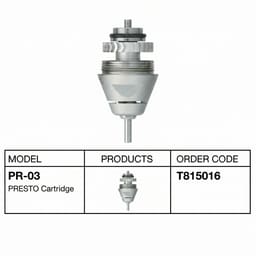

Only 2 Left
 100
100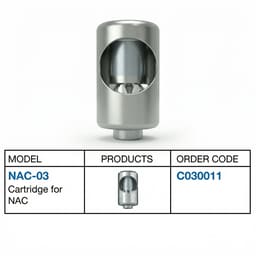
 23
23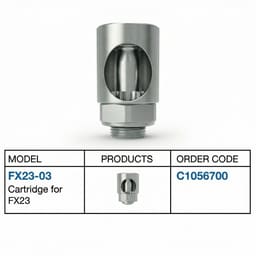
Only 5 Left
22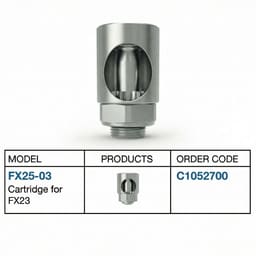
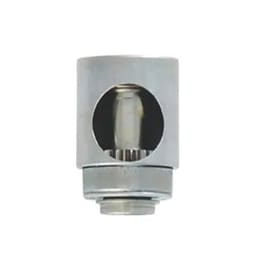
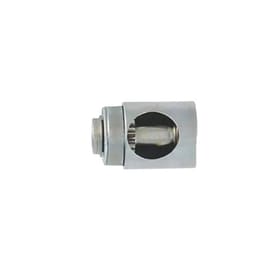
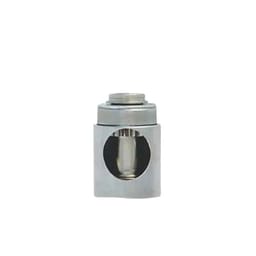
Only 3 Left
51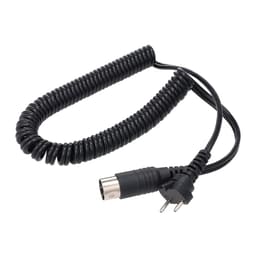
 5
5

 5
5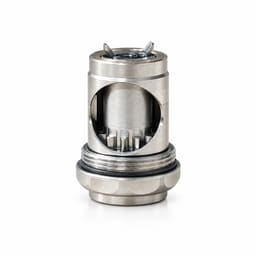
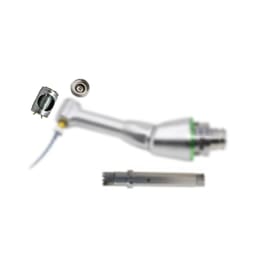

 120
120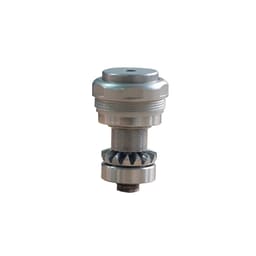
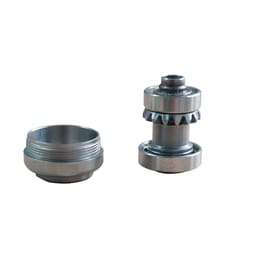
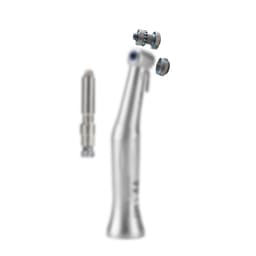

 120
120Dental Handpiece Spare Parts
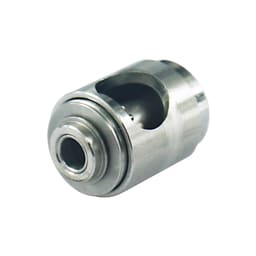
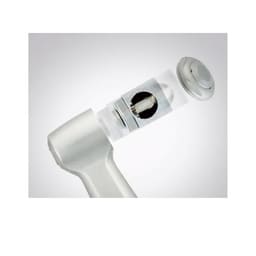
A handpiece does not usually fail all at once — one component wears while the body stays sound. The part that goes first is nearly always the cartridge: the small rotating unit inside the head that spins the bur on its bearings and grips it in the chuck. When the bearings grow noisy, lose speed, or seize, a fresh cartridge dropped into the same head restores the handpiece rather than retiring it. Alongside cartridges, this category carries the other parts that wear or break — the push-button cap that releases the bur, the drive shaft of a geared contra-angle, the cord that feeds a micromotor, and a stand to rest the handpiece between uses. Keeping the right spares turns a dead handpiece into a quick bench repair, and they support the airotor and other handpieces a clinic runs all day.
The main parts
The category covers the components that fail or need renewing:
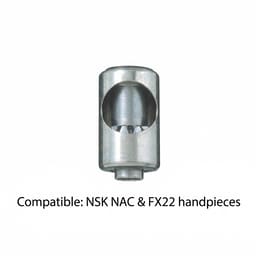
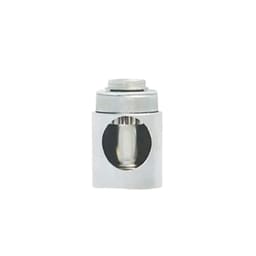
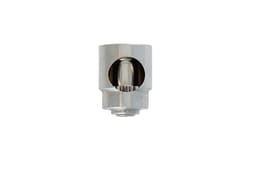
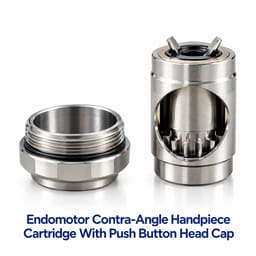
- Cartridge (rotor) — the bearing-and-chuck core that spins the bur; the most replaced part, matched to a specific head.
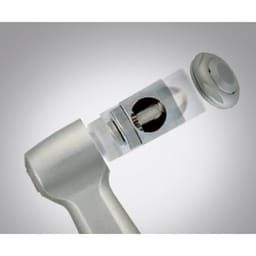
- Push-button head cap — the top cap with the button mechanism that clamps and releases the bur.
- Drive shaft — the geared shaft inside a contra-angle or surgical handpiece that transmits the motor's drive.
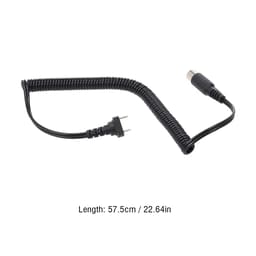
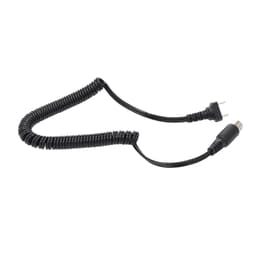
- Micromotor cord — the connecting hose between a micromotor and the control unit.
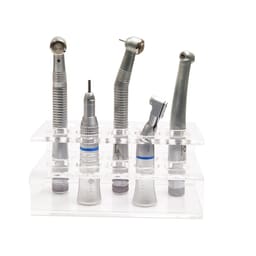
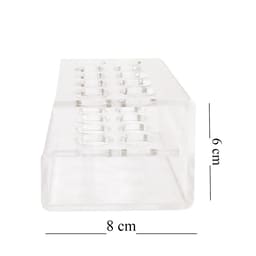
- Handpiece stand — a rest that holds the handpiece safely at the chairside or bench.
Each is a defined replacement rather than a general accessory, so the part is chosen to match the handpiece it goes into. A worn cartridge is the usual reason a micromotor handpiece slows or rattles.
Repair versus replace
Fitting a spare part rather than buying a new handpiece is the sensible economics of a busy clinic:
- Cost — a cartridge costs a fraction of a complete handpiece, so a repair is far cheaper than a replacement.
- Downtime — a cartridge swap is a short bench job, returning the handpiece to service quickly.
- Body life — the handpiece shell, gears, and fibre optics often outlast several cartridges, so renewing the wear part makes the whole tool last.
The point at which a cartridge is beyond help — heavy play, a bent shaft, or a stripped chuck — is when the part is renewed rather than nursed along.
Matching the part to the handpiece
Handpiece parts are not interchangeable, so the match matters:
- By model — a cartridge is made for a named head, such as an NSK FX23 or FX25 contra-angle, and only fits that model.
- By gear ratio — a contra-angle or surgical shaft is specified by ratio, such as 16:1 for an endomotor or 20:1 for implant work.
- By fitting — push-button versus chuck heads take different caps and cartridges.
Reading the handpiece's model and ratio before ordering avoids a part that will not seat. For a geared endomotor handpiece and its matching parts, the endo motor range is the reference point.
Buy dental handpiece spare parts at Dentalkart
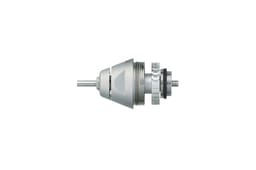
The spare parts here cover the common wear items — NSK cartridges for Presto and FX-series contra-angles, Waldent endomotor and implant cartridges with push-button caps, a 20:1 drive shaft, a micromotor cord, and a handpiece stand. A clinic can keep the parts its handpieces are likeliest to need and repair rather than replace. Every part here is a genuine branded spare; its listing spells out which handpiece model it fits and its live availability.
Frequently Asked Questions (FAQs):
What is the most commonly replaced handpiece part?
The cartridge — the rotating core inside the head that carries the bearings and the bur chuck. It bears the load and speed of every cut, so its bearings wear before anything else, showing up as noise, lost power, or vibration. A new cartridge in the existing head restores the handpiece, and that makes it the part most clinics keep on the shelf.
Can I fit a spare cartridge myself?
Often yes, with the correct cartridge and the head tool for that handpiece. Push-button heads open with a cap that unscrews or unclips, the old cartridge lifts out, and the matching one seats in. It is a short bench task for many airotors; geared contra-angles and surgical handpieces are more involved, and some clinics prefer a service technician for those.
How do I know which cartridge my handpiece needs?
By the handpiece's make and model — a cartridge is built for a named head, such as an NSK FX23 or a Presto, and will not fit another. Check the model marked on the handpiece and match it to the part; for geared handpieces also confirm the gear ratio. The correct model is listed against each cartridge here.
Why replace a part instead of buying a new handpiece?
Economics and lifespan. A cartridge or cap costs far less than a complete handpiece, and the body, gears, and optics usually outlast several cartridges. Renewing only the worn part keeps the handpiece running for years at a fraction of replacement cost, which is why spares are a routine stock item rather than a last resort.
What does the gear ratio on a contra-angle part mean?
It describes how the part changes the motor's speed. A 16:1 ratio, common on endomotor contra-angles, gears the speed down for controlled root canal work; a 20:1 gears it down further for implant surgery. A replacement shaft or cartridge must match the handpiece's ratio, so the ratio is quoted on the part.