





Dentaltech Ti Base Abutments
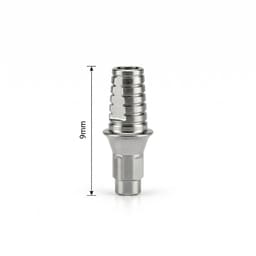
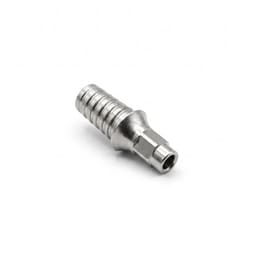
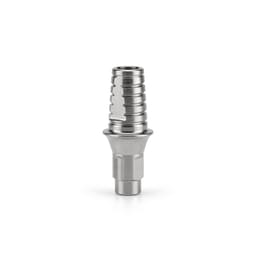
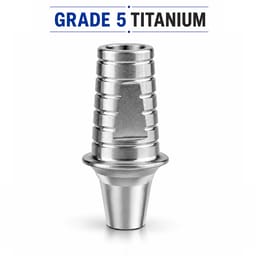
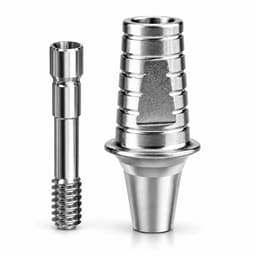
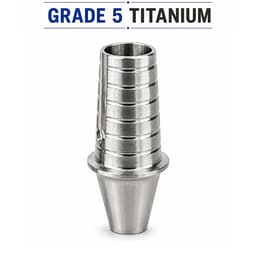
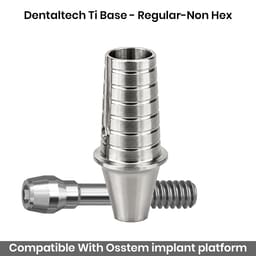
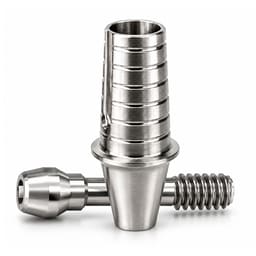
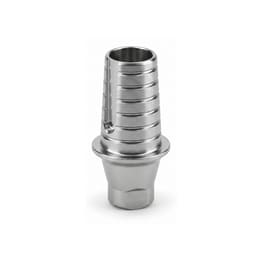
A Ti-base abutment is a titanium base that connects a dental implant to a CAD/CAM-milled or bonded crown. It screws into the implant with a titanium connection, and the ceramic or zirconia restoration is bonded onto it. Ti-bases are chosen by implant-system compatibility and by hex (engaging) or non-hex (non-engaging) design for single or multi-unit cases.
 Recommended
 Price- High to LowPrice- Low to High
 25
25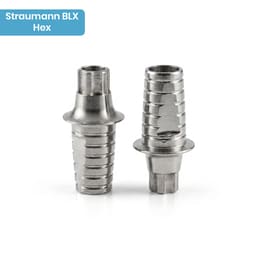
.jpg?w=256)
.jpg?w=256) 25
25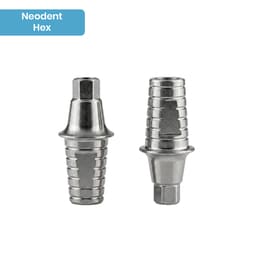
.jpg?w=256)
.jpg?w=256)
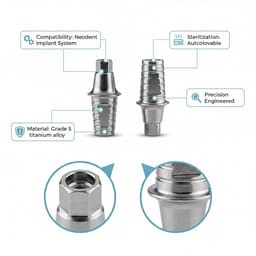
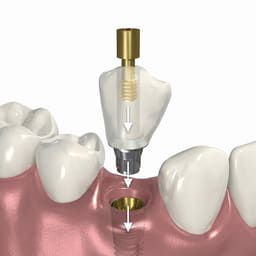 25
25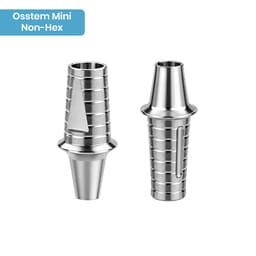
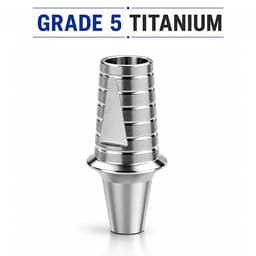
 25
25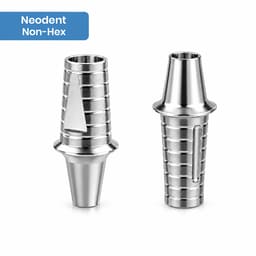
 25
25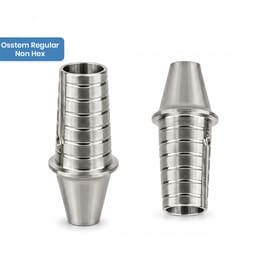
 25
25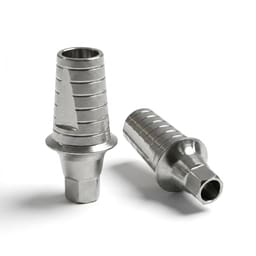
.jpg?w=256)
 25
25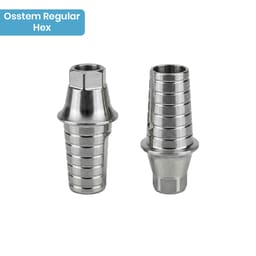
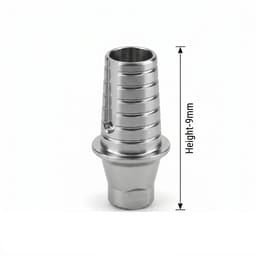
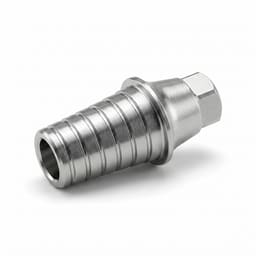
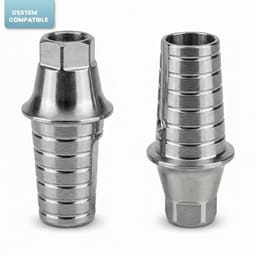
 25
25Ti-Base Abutments
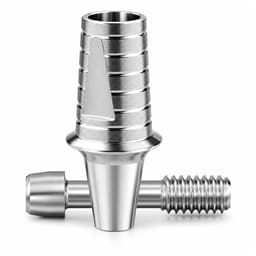
A screw-retained implant crown has to solve one problem: how to join a hard, aesthetic ceramic restoration to a titanium implant so the joint survives years of loading. The Ti-base is the answer. It is a machined titanium sleeve, threaded into the fixture at one end and carrying the bonded crown at the other, giving a metal-to-metal fixture connection under an aesthetic superstructure.
That two-part construction is why Ti-bases sit at the centre of digital implant dentistry. The lab or clinic mills or presses the crown from zirconia or lithium disilicate, then bonds it to the Ti-base — combining the strength and precise fit of a metal fixture interface with the appearance of an all-ceramic restoration.
The role of a Ti-base in the digital workflow
In a modern implant case the restoration is designed on screen and produced by machine, and the Ti-base is the physical part the digital design is built around.
A scan body reads the fixture position, the crown is designed and milled to seat on a specific Ti-base, and the finished ceramic is bonded to that base before delivery. Because the base is a defined, machined component, the digital design has a precise interface to work to — which is why libraries in CAD software list Ti-bases by exactly the model being used. The DentalTech range in this category supplies these bases across the common implant systems.
Matching the implant system
The single most important choice is compatibility: a Ti-base is machined to one connection and will not seat in another.
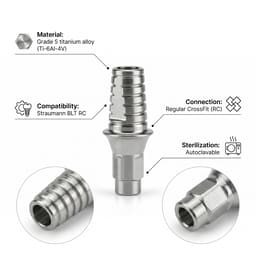
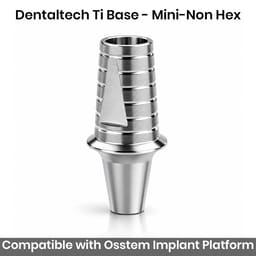
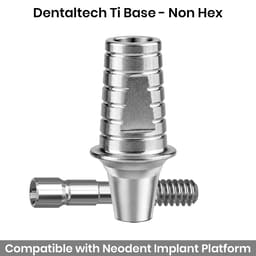
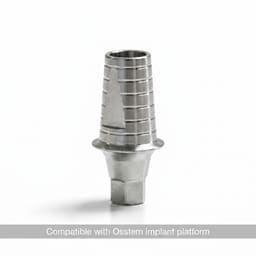
The range covers the major systems in use, so a lab can order to whatever implant is placed. A Straumann BLT-compatible Ti-base (RC) fits that connection and platform, while separate bases match Nobel, Osstem, Neodent, Dentium and other systems — each cut to the specific implant it pairs with.
Hex and non-hex, single and multi-unit
Beyond the implant system, the second decision is whether the base engages the implant's anti-rotation feature.
Engaging (hex) versus non-engaging (non-hex)
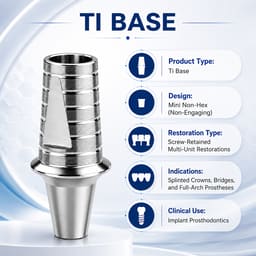
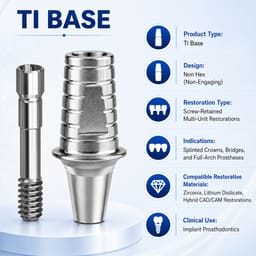
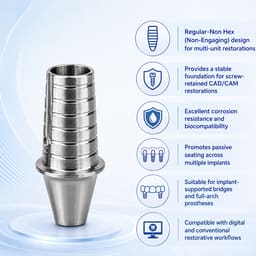
A hex (engaging) Ti-base locks into the fixture's internal hex, preventing rotation — used for single crowns where the restoration must not turn. A Nobel-compatible Ti-base (RP) is available in both engaging and non-hex forms for this reason. A non-hex (non-engaging) base is used in splinted and multi-unit cases, where several units must seat together without the anti-rotation feature fighting the path of insertion.
Multi-unit bases
For bridges and full-arch work on multi-unit abutments, dedicated multi-unit bases are used. A universal multi-unit Ti-base covers several common systems for this stage of the restoration.
Choosing a Ti-base
Getting the order right comes down to a short checklist.
- Match the system and platform first — Straumann RC is not Straumann NC, and a Nobel base will not fit an Osstem implant.
- Decide hex or non-hex — engaging for single crowns, non-engaging for splinted or multi-unit restorations.
- Confirm single-unit or multi-unit — a multi-unit case uses multi-unit bases, not single-crown Ti-bases.
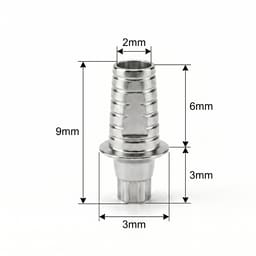
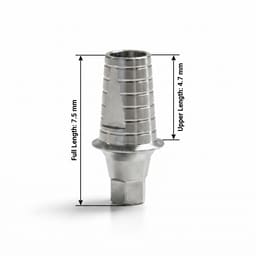
- Check the gingival height and dimensions against the case before ordering in quantity.
The fixtures these bases connect to, and the wider prosthetic components, sit in the implantology range.
Frequently Asked Questions (FAQs):
What is a Ti-base abutment?
A Ti-base abutment is a titanium base that joins a dental implant to a CAD/CAM-milled or bonded crown. It screws into the implant, providing a titanium implant connection, and the ceramic or zirconia restoration is bonded onto its upper part. This gives a metal implant interface beneath an aesthetic all-ceramic superstructure, used widely in digital implant restorations.
How do I know which Ti-base fits my implant?
Match it to the implant system and platform. A Ti-base is machined to one specific implant connection — Straumann BLT RC, Nobel RP, Osstem regular and so on — and will not seat in a different system or platform. The product listing states the compatible implant and platform, which must correspond to the implant that was placed.
What is the difference between a hex and a non-hex Ti-base?
Anti-rotation. A hex (engaging) Ti-base locks into the implant's internal hex so the restoration cannot rotate, which single crowns require. A non-hex (non-engaging) base omits that feature, letting several units seat together along a common path — needed for splinted and multi-unit restorations where an engaging connection would obstruct insertion.
Can a Ti-base be used for bridges and full-arch cases?
Yes, using multi-unit Ti-bases. For bridges and full-arch restorations placed on multi-unit abutments, dedicated multi-unit Ti-bases connect the milled framework or individual units to the abutments. These are non-engaging so multiple units seat together, and some universal versions fit several implant systems, simplifying stock for a busy lab.
How is the crown attached to a Ti-base?
The ceramic or zirconia restoration is bonded to the Ti-base with a resin cement, usually in the lab, after the crown has been milled or pressed to seat precisely on that base. The bonded crown-and-base assembly is then delivered and screwed into the implant, giving a screw-retained restoration with an aesthetic ceramic exterior.