

Endo Boxes
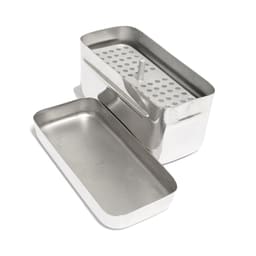
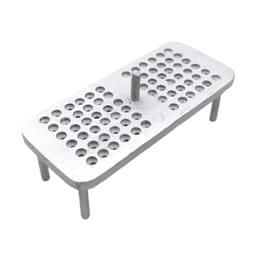
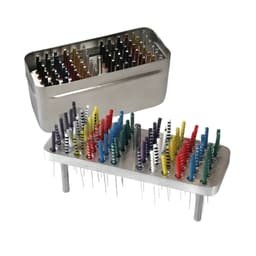
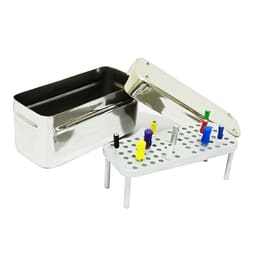
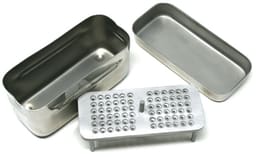
An endo box is a slotted, autoclavable tray that holds endodontic files in numbered positions through cleaning, sterilisation, and the canal visit. Compact 48-hole, standard 72-hole, and 116-hole formats, plus paper-point combos, come from GDC, GII, Oracraft, and Meta. Made of anodised aluminium, stainless steel, or autoclavable plastic, the loaded box rides the Class B cycle with files in slots.
 Recommended
 Price- High to LowPrice- Low to High

 8
 35

 10

 20
 10

 10
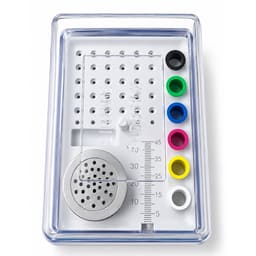
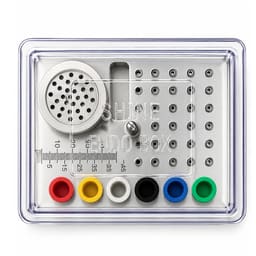
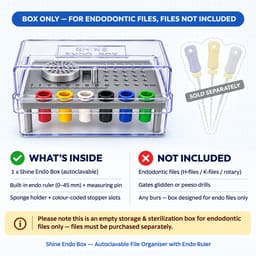
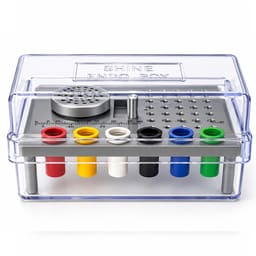
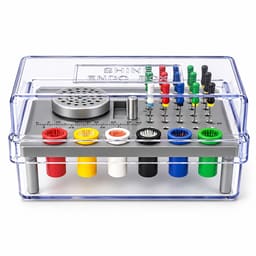
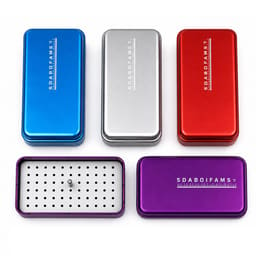
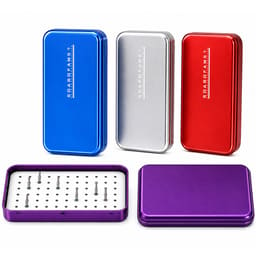
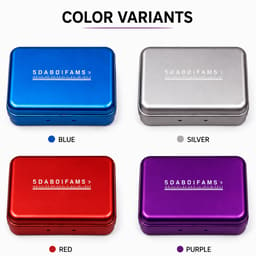
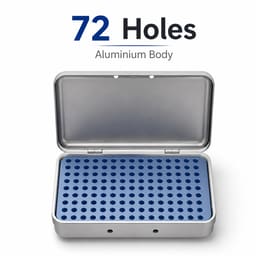
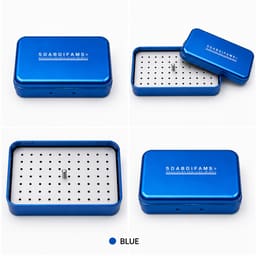
Endo Boxes — Autoclavable File Organizers in 48, 72 and 116-Hole Formats
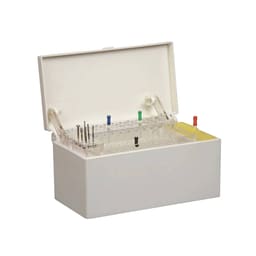
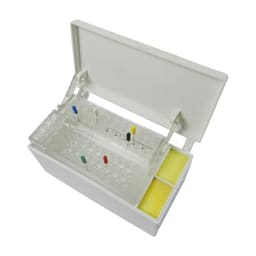
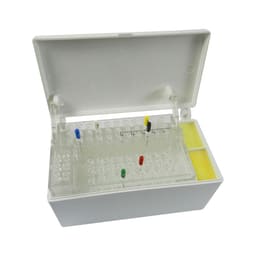
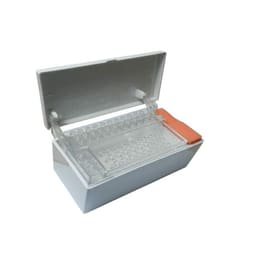
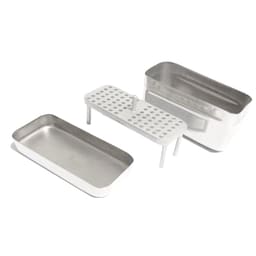
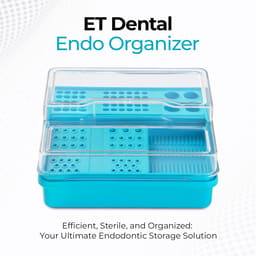
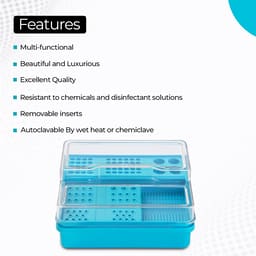
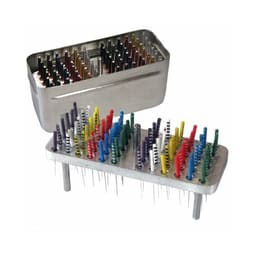
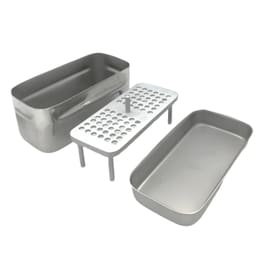
An endo box is the tray that keeps a root-canal file set in order. Rows of numbered, often colour-coded holes hold each K-file, H-file, NiTi rotary, plugger, spreader, paper point, and gutta-percha cone in a fixed spot, so the operator reaches for the right size by position rather than by squinting at a tiny ring. Its real value is that the whole loaded tray goes through the ultrasonic bath and the Class B autoclave as one unit — the files are cleaned, sterilised, and presented chairside without being handled one by one at any step. The body is anodised aluminium, stainless steel, or an autoclavable polymer, each built to take repeated heat. It sits within the wider endo accessories bench kit.
Types of endo boxes
Mini and 48-hole compact boxes
The smallest trays — 35-hole minis and 48-hole compacts like the GDC Endo Box 48 — fit one graded K-file series in 21 and 25 mm plus a short accessory row, which is all a routine general practice needs without rows of empty holes taking up bench space.
72-hole standard boxes
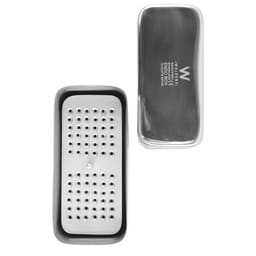
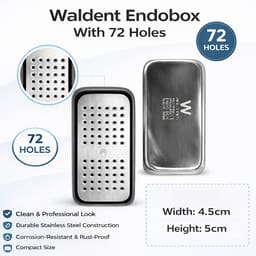
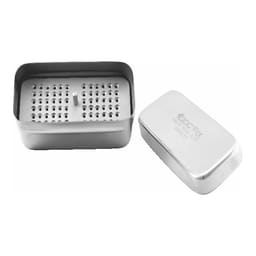
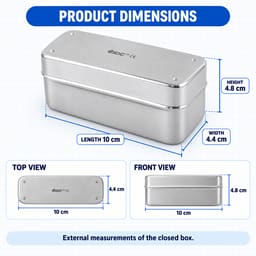
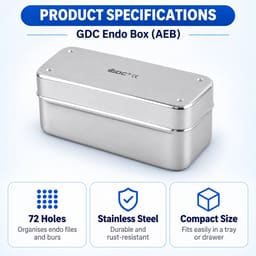
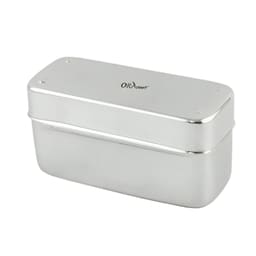
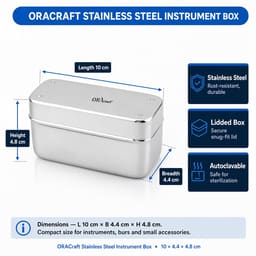
A 72-hole tray holds two working lengths of a K-file series at once, with separate rows for H-files, rotaries, and the paper-point and gutta-percha accessories, suiting a clinic that runs several matched sets in a session. The Oracraft Endo Box With 72 Holes - AEB is a lockable stainless-steel example.
116-hole specialist boxes
The largest organisers carry file sets across all four working lengths — 18, 21, 25, and 31 mm — alongside rotary kits, pluggers, and spreaders, the layout an endodontist or a busy department needs. The GII Almunium Endo Box - 116 Holes is an aluminium version in several colours.
Combo organizers with paper points
A combo pairs the slotted box with a pre-loaded consumable — the Meta Endo Organizer with 400 Paper Points is the common one — so a practice fitting out a new endodontic bench gets the holder and a starter paper-point supply in a single SKU.
When endo boxes are used
An endo box is in play through the whole root-canal appointment and the sterilisation that brackets it:
- Presenting the file set chairside during scouting, shaping, and obturation
- Picking a file by slot position so the right size goes in first time
- Running the loaded tray through the ultrasonic cleaner between patients
- Cycling through the Class B autoclave with the files still in place
- Keeping a matched set together so nothing strays between trays
- Storing the gutta percha points and paper points beside the files they pair with
How to choose an endo box
- Hole count to caseload — 48 holes for routine general practice, 72 for a clinic running several sets, 116 for a specialist working all four lengths.
- Material — anodised aluminium is light and colour-coded, stainless steel is the most rugged, and an autoclavable polymer is the lightest and cheapest; all must be rated for repeated sterilisation.
- Numbered and colour-coded slots — a clearly marked layout is what lets the operator grab a size by position instead of reading the file ring.
- Autoclave rating — confirm the box tolerates the Class B cycle loaded; check the maker's temperature limit before bulk-buying.
- Lid and lock — a secure or lockable lid keeps files from spilling in the ultrasonic bath and in transport.
- Fit to the file system — match the slots and lengths to the K-files and rotaries the practice actually runs.
Endo box brands on Dentalkart
GDC, GII, and Oracraft cover the bulk of the range — anodised-aluminium and stainless-steel boxes in 48, 72, and 116-hole layouts used across Indian practices.
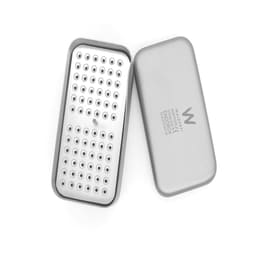
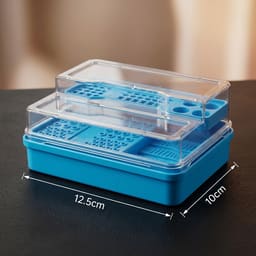
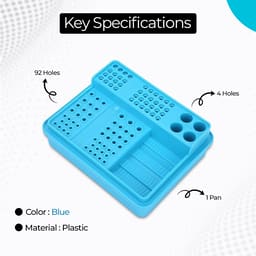
Classic, Waldent, Capri, ET, and Meta add further 35 to 72-hole organisers and the paper-point combo packs, spanning the compact minis up to the specialist trays.
Why buy an endo box from Dentalkart
An endo box is bought once and then autoclaved hundreds of times, so what counts is whether it survives the cycles — a warped lid or a corroded base loses files and undermines infection control. The boxes here are genuine, in anodised aluminium, stainless steel, or heat-stable polymer rated for repeated Class B sterilisation, with numbered slots that keep a matched file set together from cleaning to chairside. Sizing one to the caseload — 48 holes for routine work, 72 or 116 for a busy or specialist bench — and adding it to the rest of the endodontic kit keeps the whole file workflow on a single tray.
Frequently Asked Questions (FAQs):
What does an endo box do?
An endo box organises a root-canal file set in numbered, colour-coded slots so each K-file, H-file, rotary, paper point, and gutta-percha cone has a fixed home. The operator picks a size by position, and the whole loaded tray moves as one unit through cleaning, sterilisation, and the chairside appointment.
Can an endo box be autoclaved with the files inside?
Yes — that is the point of it. An autoclavable box is built to take the Class B cycle with the file set loaded in its slots, which removes the file-by-file transfer from the ultrasonic bath to the chair. Run it with the lid open for proper steam penetration, and check the maker's temperature rating.
Which hole count should I pick?
Match it to how many file sets you run. A 48-hole box suits a routine general practice working one graded series; a 72-hole box holds two working lengths plus accessory rows for a higher caseload; a 116-hole box fits a specialist running files across 18, 21, 25, and 31 mm with rotary kits. Empty holes are wasted bench space.
Aluminium, steel, or plastic — does the material matter?
Each trades differently. Anodised aluminium is light and takes the colour-coding that speeds slot reading. Stainless steel is the toughest and resists denting over years of handling. An autoclavable polymer is the lightest and cheapest. All three must carry a Class B sterilisation rating, so the choice comes down to weight, ruggedness, and budget.
What is a paper-point combo organizer?
It is an endo box sold with a consumable already loaded — most often a stock of paper points, as in the Meta Endo Organizer with 400 Paper Points. The single SKU gives a new bench both the slotted holder and a starting supply at once, which is handy when setting up an endodontic setup from scratch.