




Finishing Burs
4.4
Used at the end of every direct composite restoration to trim excess flash, eliminate the marginal step and refine proximal contour before silicone wheel polishing, dental finishing burs are 12-blade carbide and ultra-fine diamond burs in flame, needle, pear and football head shapes. Dentalkart stocks finishing burs in FG and RA shanks.
Sort by - Recommended
 Recommended
 Price- High to LowPrice- Low to High
Only 5 Left
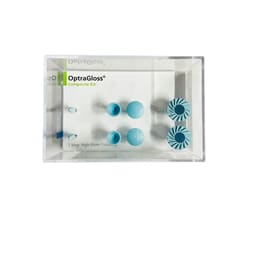
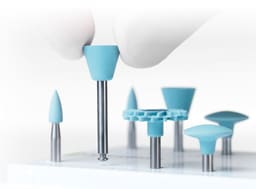
Diamond-infused polishers achieve rapid, paste-free, mirror gloss on ceramics and composites easily
₹ 4899₹ 7727
36.60% Off
 49
49View Similar Products
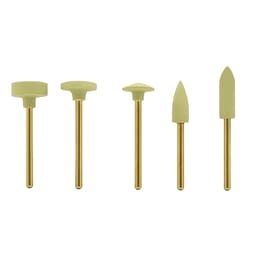
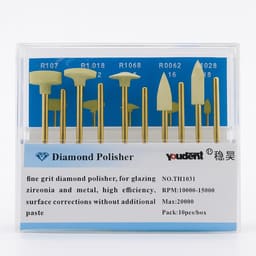
Delivers high-gloss finish on zirconia and metal without polishing paste.
₹ 3279₹ 9600
65.84% Off
105View Similar Products


Only 2 Left
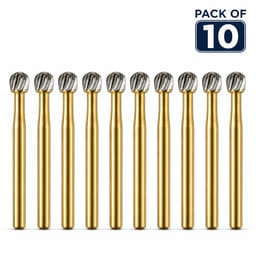
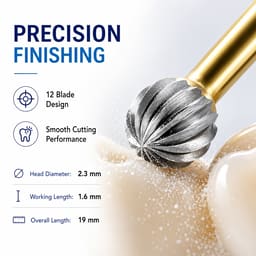
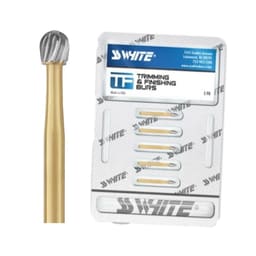
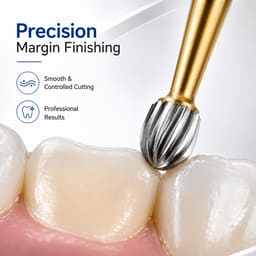
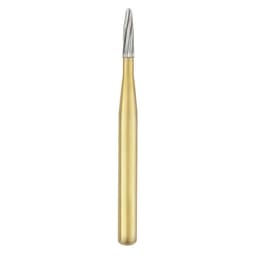
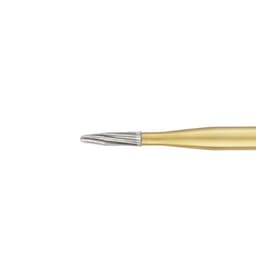
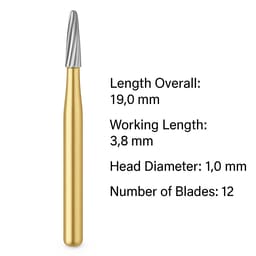
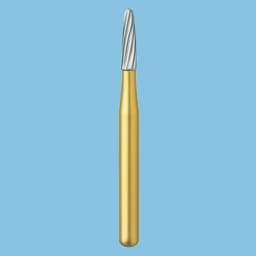
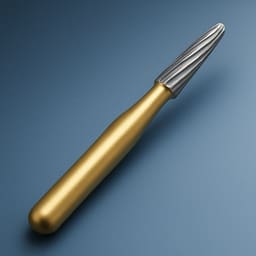
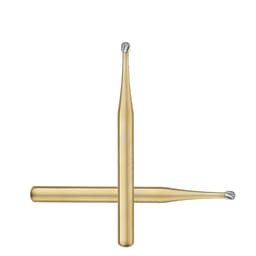
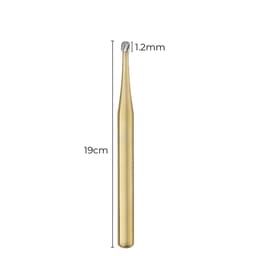
12-blade carbide finishing bur for smooth contouring, finishing, and polishing of restorations
₹ 7750₹ 8500
8.82% Off
76View Similar Products
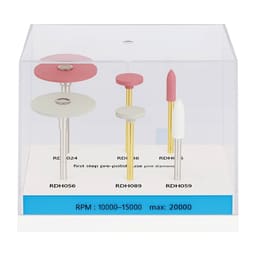
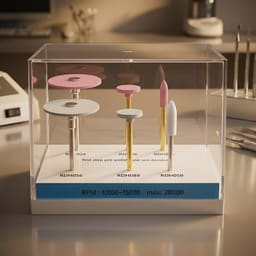
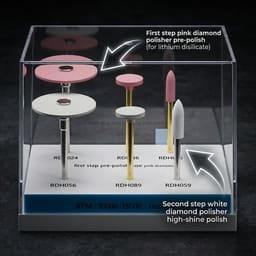

Two-step polishing system for porcelain and lithium disilicate restorations.
₹ 2815₹ 8640
67.42% Off
95View Similar Products
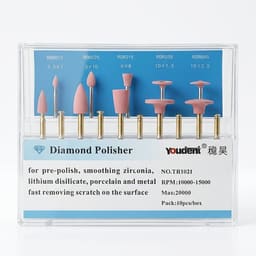
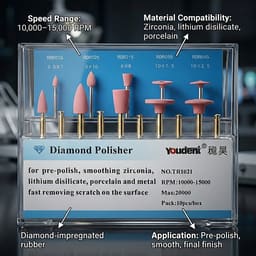
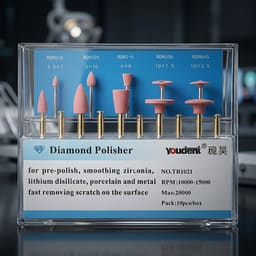
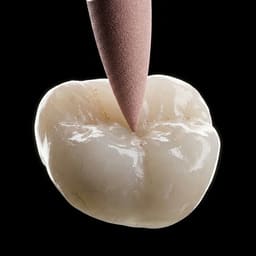
For scratch removal, smoothing, and high-shine polish on dental restorations
₹ 2345₹ 7200
67.43% Off
80View Similar Products
Only 4 Left
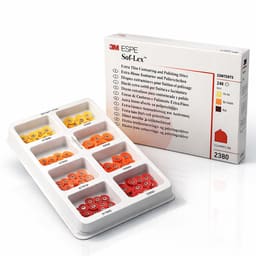
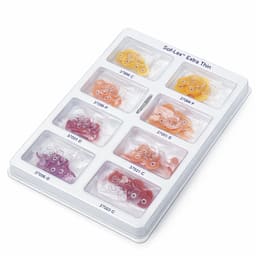
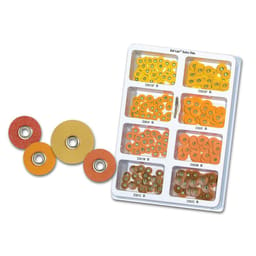
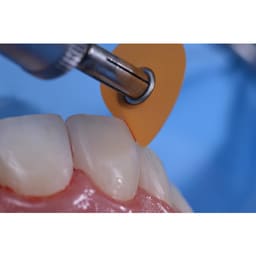
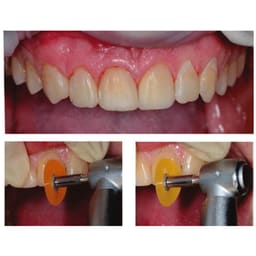
Extra-thin flexible polishing disc system designed to deliver smooth, high-gloss finishing on composite restorations with excellent contour control and surface refinement.
₹ 9205₹ 9310
1.13% Off
90View Similar Products
Only 3 Left
View Similar Products
Only 1 Left
8.94% Off
38View Similar Products
Filters
Sort By
RecommendedDental Finishing Burs
Dental finishing burs are fine-grit cutting instruments — most commonly 12-blade carbide and ultra-fine diamond burs in needle, flame, pear and football head shapes — used at the end of every direct restorative procedure to trim away excess composite, eliminate the marginal step, refine the proximal contour and prepare the restoration surface for final polishing. The blade count (12, 20 or 30 blades) and the diamond grit (fine red-band, extra-fine yellow-band) determine how aggressively the bur cuts versus how smooth the finished surface emerges, with the operator typically stepping from coarser finishing burs through to ultra-fine variants before moving to silicone polishing wheels. Dentalkart's finishing burs sit alongside complete Finishing Kits and the broader Burs range, trusted by 50,000+ dentists across 110000+ Indian pincodes.
Types of Dental Finishing Burs
12-Blade Carbide Finishing Burs
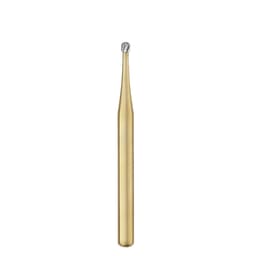
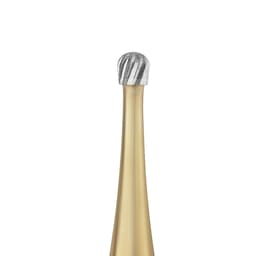
12-blade carbide finishing burs are the workhorse format for direct composite contour trimming — the multi-blade carbide geometry cuts smoothly without chattering on the composite surface, removing excess flash from the cavosurface margin and shaping the restoration to the final pre-polishing contour. Available in flame, needle, pear, football and bullet head shapes to match cavity-class anatomy.
Fine & Extra-Fine Diamond Finishing Burs
Fine-grit (red-band, 40 µm) and extra-fine-grit (yellow-band, 25 µm) diamond burs are used after 12-blade carbide finishing for a finer pre-polish surface texture, particularly on porcelain and ceramic restorations where carbide blades risk chipping the ceramic margin. The progressive grit step from medium → fine → extra-fine prepares the substrate for the silicone wheel polishing stage.
Polishing Disc & Spiral-Wheel Adjuncts
Finishing burs typically pair with aluminium-oxide polishing discs (3M Sof-Lex, EVE EcoComp) for proximal-surface finishing on Class III and Class V restorations where bur head geometry cannot reach into the interproximal contour without trimming the adjacent tooth.
Bur Shank & Handpiece Compatibility
Finishing burs come in FG (Friction Grip, 1.6 mm) shank for high-speed Airotor Cartridge handpieces (most common chair-side format) and RA (Right-Angle, 2.35 mm) shank for low-speed contra-angle Hand Pieces. Match the shank to the handpiece collet before ordering.
When Are Finishing Burs Used?
Finishing burs are used at the end of every direct composite restoration (Class I through Class V), after porcelain crown try-in adjustment, after milled-zirconia crown adjustment, during enamel-reshape aesthetic procedures and during occlusal-surface adjustment of newly placed restorations. They sit chair-side as the last step of mechanical contouring before the silicone polishing wheel finishes the surface to a high-lustre polish.
How to Choose the Right Finishing Bur
Pick 12-blade carbide finishing burs for routine direct composite restoration trimming — the carbide geometry handles composite contour cutting cleanly. Choose fine and extra-fine diamond finishing burs for porcelain and ceramic restoration refinement where carbide blades risk chipping. Select head shape by cavity class: flame and needle burs for occlusal pit and fissure work, football and pear burs for proximal box finishing, bullet burs for lingual concavity contouring. Always step from coarser to finer grit before moving to silicone polishing wheels.
Brands & Range at Dentalkart
Dentalkart's finishing bur range covers premium imported options (3M ESPE Sof-Lex, Dentsply Enhance, EVE DiaComp) alongside Indian-OEM and value brands across 12-blade carbide and fine/extra-fine diamond formats in FG and RA shank variants — covering the full chair-side finishing workflow for composite, ceramic, porcelain and zirconia restorative substrates.
Why Buy Finishing Burs from Dentalkart
Dentalkart sources finishing burs directly from authorised manufacturers, with batch-coded packaging, cash-on-delivery, GST invoices and 110000+ pincode coverage across India. Practices can pair finishing burs with complete-system finishing kits and matched composite restoratives like Packable composites for one-shop chair-side restorative replenishment.
Frequently Asked Questions (FAQs):
What is a dental finishing bur?
A dental finishing bur is a fine-grit cutting instrument — typically a 12-blade carbide or ultra-fine diamond bur in flame, needle, pear or football head shape — used at the end of every direct restorative procedure to trim away excess composite, eliminate the marginal step, refine the proximal contour and prepare the restoration surface for the final polishing stage.
What is the difference between a 12-blade and a 30-blade finishing bur?
The difference between a 12-blade and a 30-blade finishing bur is cutting aggressiveness and final surface smoothness: 12-blade burs cut faster but leave a coarser surface suited for early trimming, while 20 and 30-blade burs cut more conservatively and leave a smoother pre-polish surface — used in sequence from 12-blade through 30-blade before the silicone polishing wheel.
When should I use a diamond finishing bur instead of carbide?
You should use a diamond finishing bur instead of carbide when finishing porcelain crowns, ceramic veneers and zirconia milled restorations — carbide blades chip ceramic at the margin, while fine-grit diamond burs cut hard ceramic cleanly without margin damage. Carbide remains the standard for direct composite trimming.
What is the difference between FG and RA bur shanks?
The difference between FG and RA bur shanks is shank diameter and matched handpiece: FG (Friction Grip, 1.6 mm shank) burs are used in high-speed airotor handpieces, while RA (Right-Angle, 2.35 mm shank) burs are used in low-speed contra-angle handpieces. Match the shank to the operatory's handpiece collet before ordering.
How many times can finishing burs be autoclaved and reused?
Finishing burs can be autoclaved and reused for approximately 30–50 Class B sterilisation cycles for diamond-grit burs before the diamond particles wear, and 100+ cycles for 12-blade carbide finishing burs before the blade edges dull. Confirm the manufacturer's reuse rating on the packaging and discard burs once cutting performance noticeably degrades.