




Finishing & Polishing Strips
4.5
Finishing and polishing strips are thin abrasive strips that smooth and polish the sides of a tooth between contacts. Coated with grit on a flexible backing, they trim excess composite, remove overhangs, and refine the interproximal surface a bur cannot reach. 3M ESPE, Tor VM and Eve supply strips and discs in coarse-to-fine grit grades.
Sort by - Recommended
 Recommended
 Price- High to LowPrice- Low to High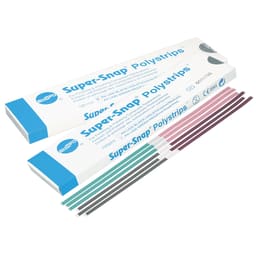
★ 4.5
(2)View Similar Products
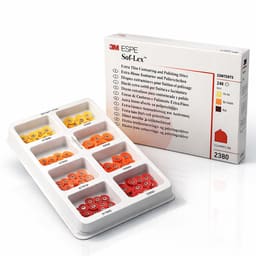
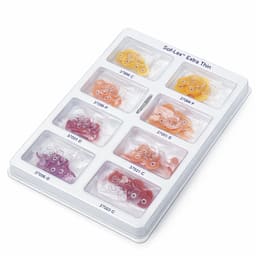
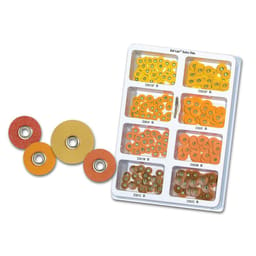
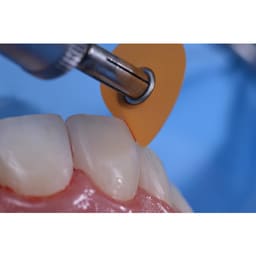
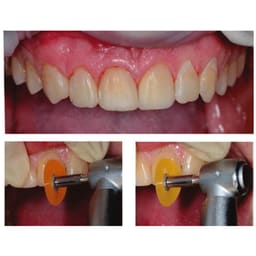
Extra-thin flexible polishing disc system designed to deliver smooth, high-gloss finishing on composite restorations with excellent contour control and surface refinement.
₹ 9205₹ 10000
7.95% Off
 90
90View Similar Products
Only 1 Left
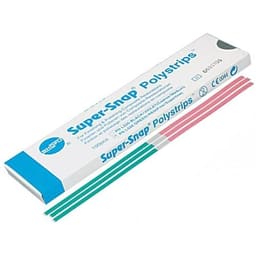
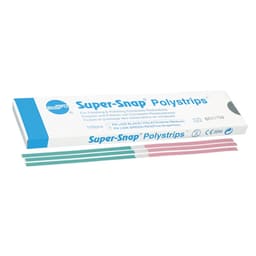
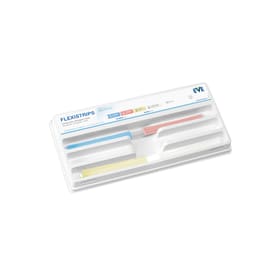
Flexible polishing strips for precise interproximal finishing of composite, gold, and amalgam restorations
₹ 1045₹ 1216
14.06% Off
10View Similar Products
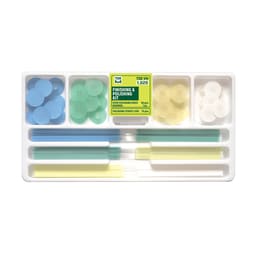
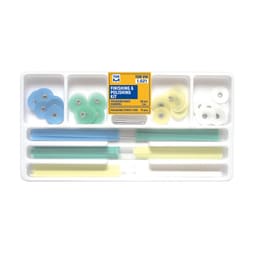
Polishing & Finishing Strips & Discs with mandrel
₹ 1290₹ 2900
55.52% Off
15View Similar Products
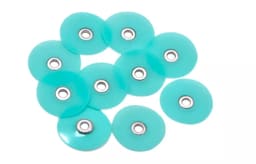
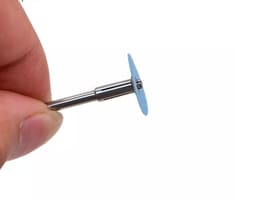
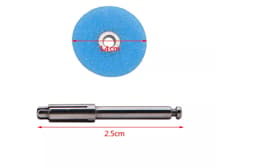

Polishing & Finishing Strips & Discs with mandrel
₹ 1399₹ 2990
53.21% Off
70View Similar Products
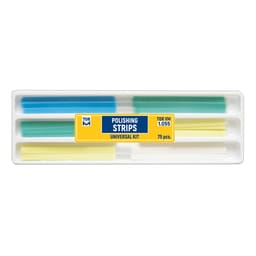
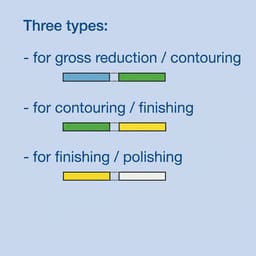
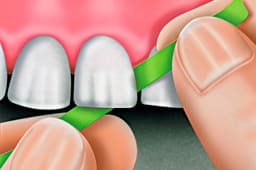
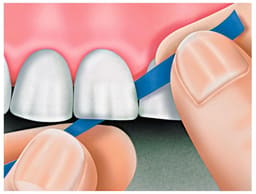

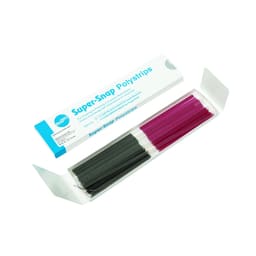
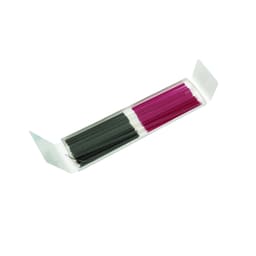
Color Coded Polishing & Finishing Strips for polishing composite restorations
₹ 465₹ 990
53.03% Off
23View Similar Products
Filters
Sort By
RecommendedFinishing & polishing strips
Finishing and polishing strips are thin, flexible abrasive strips used to shape and smooth the sides of a tooth. They slide between two teeth, where rotary tools cannot fit, and refine the surface of a composite or the natural enamel. Working through coarser to finer grits leaves a smooth, glossy interproximal finish.
Where strips work that burs can't
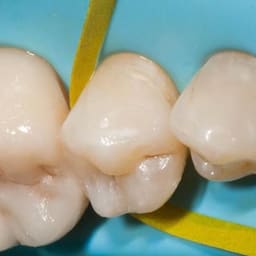
The contact area between two teeth is tight and curved. A rotary bur cannot reach into it without touching the neighbour. A strip is made for exactly that gap:
- Slides between teeth — thin enough to pass through the contact point.
- Removes overhangs — trims excess composite and ledges left after a restoration.
- Polishes the side wall — smooths the proximal surface for a natural feel and easy flossing.
This is the finishing step for the surfaces that rotary tools have to skip.
Grit grades, coarse to fine
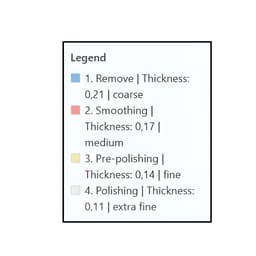
Strips come in a range of grits, usually colour-coded, and you work from coarse to fine:
- Coarse / medium — cuts down bulk excess and gross overhangs quickly.
- Fine — refines the surface and removes the scratches left by coarser grit.
- Extra fine / polishing — brings up the final gloss on composite.
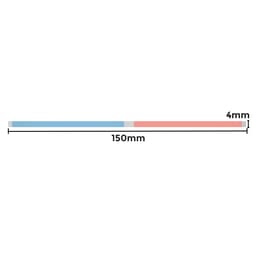
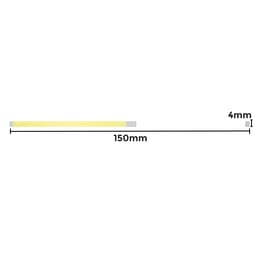
Some strips are blank in the centre, so the abrasive does not break the contact point while you finish either side. Strips take over where the finishing burs stop, on the surfaces a bur cannot reach.
Strips, discs, and kits stocked
The range covers a few formats for different jobs:
- Abrasive strips — the Tor VM universal strip kit (75 pcs) and Eve Flexi Strips for interproximal work.
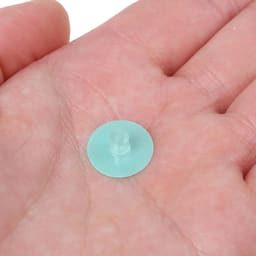
- Polishing discs — the 3M ESPE Sof-Lex extra-thin disc kit, mandrel-mounted for accessible surfaces.
- Finishing & polishing kits — the Tor VM 1.020 and 1.021 kits, combining strips and discs in graded grits.
Discs and strips often work together on the same restoration, alongside the matrix bands that shaped it.
Picking the right pack
Choose by what you finish most and how you like to work:
- Single-grit strip rolls — for a specific step, bought in bulk.
- Graded strip kits — coarse-to-fine in one box for the full sequence.
- Disc systems — for accessible facial and lingual surfaces, on a mandrel.
- Combined kits — strips plus discs when you want one pack to cover a restoration end to end.
Frequently Asked Questions (FAQs):
What are finishing and polishing strips used for?
Finishing and polishing strips are used to smooth and polish the sides of a tooth between the contacts, where a bur cannot reach. They trim excess composite, remove overhangs after a restoration, and refine the interproximal surface. Moving through coarse to fine grit produces a smooth, glossy surface that flosses cleanly.
How is a polishing strip actually used?
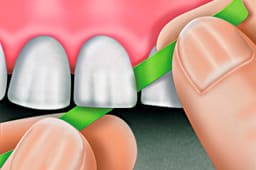
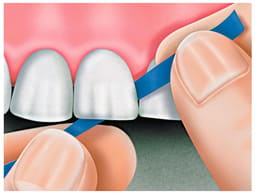
Pass the strip through the contact between two teeth, then hold both ends and work it back and forth against the surface you are finishing. Start with a coarser grit to remove bulk, then move to finer grits for polish. Many strips have a blank centre so the abrasive does not cut through the contact point.
Which grit should I start with, and why do they vary?
The grits run from coarse to extra fine, often colour-coded. Coarse and medium grits cut down excess and overhangs quickly, fine grit removes the scratches they leave, and extra-fine or polishing grit brings up the final gloss. Start coarse and finish fine to get a smooth surface without deep scratch marks.
Should I use strips or polishing discs?
It depends on the surface. Strips are thin abrasive bands that fit between teeth to finish the interproximal surface, while discs are round abrasives on a mandrel for accessible facial and lingual surfaces. Strips reach the contact area a disc cannot, and discs cover broad flat surfaces a strip cannot. Many kits include both.
Which brands of finishing and polishing strips are stocked?
The range includes 3M ESPE, Tor VM and Eve. 3M ESPE supplies the Sof-Lex extra-thin disc kit, Tor VM offers universal strip kits and graded finishing kits, and Eve makes Flexi Strips for interproximal work. Between them they cover strips, discs, and combined kits in coarse-to-fine grits.