





Fixator
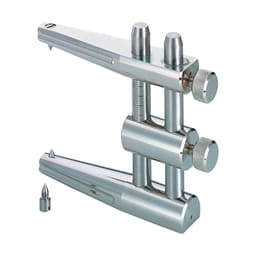
An orthodontic fixator is a lab tool that holds the upper and lower study models in their correct bite while an appliance is made. It grips the casts in their proper occlusion so a functional or orthodontic appliance is built to a true relationship. A fixator uses an occlusal holder and sliding arms to lock the models without shifting them.
 Recommended
 Price- High to LowPrice- Low to High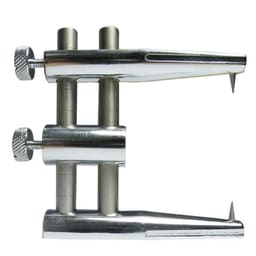
Only 4 Left
 52
52Fixator
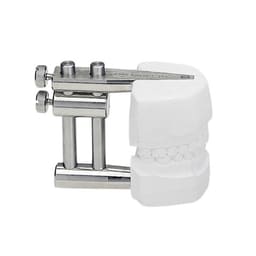
Picture a technician bending wire for a functional appliance. The two casts have to stay locked in one exact bite the whole time. Let them shift by a millimetre and the finished appliance guides the jaw to the wrong place. A fixator is the clamp that stops that from happening. It holds the upper and lower models pressed together in the patient's construction bite, so nothing moves while the work is done.
That single job — keeping the bite frozen — is what puts a fixator on the bench in the lab side of orthodontics. It is not glamorous, but the accuracy of every functional appliance depends on it.
What it grips, and how
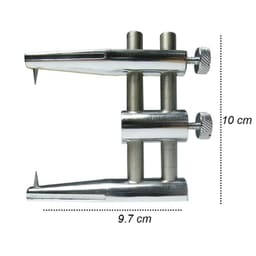
Two parts do the holding. An occlusal holder clamps the upper and lower casts together at the correct bite and stops them separating. Sliding arms then set that holder exactly where it needs to sit and lock it, so the models cannot twist or creep. A Dentomech orthodontic fixator pairs the two so a technician can fix the bite in seconds and trust it to stay.
The casts it grips are the patient's study models, poured from the same impressions used to plan the case.
At the bench, step by step
The routine is quick once the models are ready.
- Seat the upper and lower casts in their correct occlusion.
- Close the occlusal holder so it grips both.
- Adjust the sliding arms to position, then lock them.
- Build the appliance around the fixed bite.
- Release the arms and lift the models free.
With the bite held through all of it, every bend and cure lands on the true relationship. The same fix-and-build idea applies whether the casts are real models or the practice teeth on a typodont.
It is not an articulator
The two are easy to mix up, so it is worth being clear. An articulator recreates jaw movement — it opens, closes and slides so a technician can study how the teeth meet in motion. A fixator does the opposite: it removes all movement and pins the models in one still bite. If the task is to simulate the jaw, reach for an articulator; if it is to hold a bite steady while building, a fixator is the tool.
What a well-made one buys you
A fixator earns its keep on stability. You want a firm occlusal holder that grips without distorting the casts. You want sliding arms that lock and stay locked. Those two things are what keep a functional appliance accurate from the first bend to the last.
Put simply, it protects the quality of the case. Get the bite held right and the appliance fits; let it drift and the whole piece is off. For a lab that makes functional or orthodontic appliances, that reliability is the entire value of the tool.
Buying a fixator from Dentalkart
If you are setting up or restocking an ortho lab, Dentalkart lists the fixator next to the study models, typodonts and appliance-making supplies you use with it. That lets you source the whole workflow in one place. Before you add it to the cart, check three things on the product page. Does the occlusal holder grip firmly? Do the sliding arms lock and stay locked? Is the frame rigid metal rather than flexy? The specifications and photos on the listing show all three.
Orders ship across India with genuine products and a GST invoice, and the listing shows live stock so you know it is ready to dispatch. A fixator is a buy-it-once tool. The value is in a build that stays accurate for years, so it is worth spending on quality rather than the cheapest option. It is a straightforward way to add a dependable lab tool to the bench without hunting for it elsewhere.
Frequently Asked Questions (FAQs):
A fixator does what, exactly?
It clamps the upper and lower study models in one fixed bite so they cannot move while an orthodontic or functional appliance is built on them. That frozen bite is the reference the whole appliance is made to. Take the fixator away and the casts can shift during the work, and the finished device stops fitting the patient.
What happens if the bite drifts while you build?
The appliance comes out wrong. A functional device is meant to guide the jaw to one planned position. If the casts tilt even slightly during fabrication, the finished piece pushes the jaw off-target or will not seat. That is why the bite has to stay locked from first bend to last cure.
Occlusal holder or sliding arms — what does each do?
The occlusal holder is the clamp: it squeezes the upper and lower casts together at the bite and stops them parting. The sliding arms are the positioners: they place that holder precisely and lock it so the models cannot twist or creep. One grips, the other aims and secures.
Can I just use an articulator instead?
Not for this. An articulator is built to move — it mimics how the jaw opens and slides. A fixator is built to not move — it pins the casts in a single still bite. They solve opposite problems, so a technician holding a bite steady during fabrication needs a fixator, not an articulator.
Is this a chairside tool or a lab tool?
It lives in the lab. Technicians who fabricate orthodontic and functional appliances use it, and students learning appliance construction do too. Anywhere a device has to be built to a patient's exact bite, a fixator keeps the models locked in that relationship until the work is finished.