Login
image
image
Home
implant drills
Implant Drills
Maximizing Implant Success: The Role of Premier Drill Technology Dental implant procedures need drills to work properly. These drills help make sure the bone is prepared correctly. The implant is put in the right place. Good implant drills are important because they help the dentist cut the bone carefully and control how deep they cut. This helps the dentist make a spot for the implant without hurting the bone. Implant drills are useful for types of dental implant procedures. They can be used for single-tooth implants or for procedures like full-arch rehabilitations. Having drills makes the surgery faster and easier on the patient. This also helps the implant longer. There are different kinds of implant drills including pilot drills and final drills. Each one is used at a step in the process. Using the drill at the right time is important, for making sure the implant is stable and heals correctly. Implant drills are a part of dental implant procedures and help dental clinicians achieve good results. Benefits of Implant Drills Ensures Precise Osteotomy Preparation: Implant drills have marks on them and really sharp edges. These help make sure the hole is the depth and size. This is important, for drills because it helps doctors put the implants in the right place. Implant drills are made to do a specific job and that is to help with ideal implant positioning. Enhances Primary Stability: Drills that are designed properly help keep the bone around the implant site strong. This means the implant has a foundation and it will be stable right away. This is important for immediate or delayed loading protocols. The bone density around the site is very important, for the overall success of the implant. Designed drills really help with this. They make sure the bone stays dense and the implant has the support it needs. Reduces Surgical Trauma: The flute designs are really good. The tips are very sharp. This helps to stop much heat from being made and it also helps to prevent damage to the bone. When we use these flute designs the tissues, around the area are. This means that the healing process is better. The flute designs really help with healing outcomes. Improves Surgical Efficiency: Sequential drill systems make the implant process smoother. They help reduce the time spent in the chair. This is done while keeping the accuracy high. Durable & Autoclavable: Implant drills are made from good stainless steel or special surgical alloys. This means they do not get damaged easily by things, like water or air. They can also be. Sterilized many times without any problems. Implant drills are a choice because they are strong and can withstand a lot of use. Implant drills are made to last and work well after being sterilized many times. When to Use Implant Drills? Implant drills are used during various stages of implant site preparation: Pilot Drilling: Pilot drilling is done to start making the osteotomy and to get the angle and position. The goal of pilot drilling in this process is to initiate the osteotomy and establish the correct angulation and positioning of the osteotomy. This step is important, for the procedure and the osteotomy. Sequential Drilling: Sequential Drilling is a process where we gradually make the hole in the bone bigger until it is the size for the implant. We do this by using drills that get progressively bigger. The hole gets bigger too and it matches the size of the implant that we want to put in. This is a step, in the process of putting in the implant, which is the Sequential Drilling. Surgical Drills: These are the main tools used in implant surgery. The Surgical Drills make the hole in the jawbone where the dental implant will go. This hole is called an osteotomy. The Surgical Drills come in sizes. This is so they can be used with types of dental implants. The Surgical Drills are very important, for surgery. They help make sure the dental implant is placed correctly in the jawbone. Depth Control Drills: Getting the depth is really important for implant success. The dentist uses drills called depth control drills to help get the depth just right when placing the implant. This way the implant is put in the jawbone at the level. The dentist needs to make sure the implant is at the depth, in the jawbone for it to work properly. Parallel-Sided Drills: These drills keep the same size all the way through. They are really useful when you need to make a hole in the bone that's the same size all the way through like when you are putting in a specific type of implant that needs a certain size hole. This is important because the implant needs to fit in the bone. Sided Drills are good for this because they make a hole that is the same size, as the drill. Sinus Lift Drills: When a patient does not have bone in the upper jaw for an implant Sinus Lift Drills are used. These Sinus Lift Drills are really important, for a procedure called sinus augmentation. The Sinus Lift Drills make room in the sinus cavity. This room is necessary for the implant to be placed properly. The Sinus Lift Drills help create the space that is needed for the implant. Precautions When Using Implant Drills While implant drills are essential surgical instruments , proper usage is critical: - Always follow the manufacturer’s drilling protocol and recommended RPM. - Ensure adequate irrigation to prevent overheating of bone. - Check drill sharpness regularly; dull drills increase heat and trauma. - Use sequential drilling without skipping sizes unless protocol specifies. - Sterilize properly before every procedure to maintain surgical asepsis. Why Choose Dentalkart for Implant Drills? Dentalkart offers a comprehensive range of implant drills compatible with leading implant systems, ensuring precision and clinical reliability. Each product is sourced from trusted manufacturers to maintain consistent quality and performance standards. With competitive pricing, authentic products, and seamless doorstep delivery, Dentalkart supports dental professionals with dependable solutions for implantology procedures. You can also explore related implant surgical kits , implant motors, and guided surgery accessories to streamline your workflow in one place. FAQs Q1. Are implant drills reusable? Yes, implant drills are reusable if properly cleaned, sterilized, and maintained according to manufacturer guidelines. Q2. What RPM is recommended for implant drilling? Typically, implant drilling is performed between 800–1500 RPM depending on bone density and surgical protocol. Q3. Why is irrigation important during implant drilling? Irrigation prevents excessive heat generation, which can damage bone and compromise osseointegration. Q4. Can the same drill be used for all implant systems? Not always. Drill design and diameter must match the specific implant system being used for accurate osteotomy preparation.
Read more
Implant Drills

Maximizing Implant Success: The Role of Premier Drill Technology

Dental implant procedures need drills to work properly. These drills help make sure the bone is prepared correctly. The implant is put in the right place. Good implant drills are important because they help the dentist cut the bone carefully and control how deep they cut. This helps the dentist make a spot for the implant without hurting the bone. Implant drills are useful for types of dental implant procedures. They can be used for single-tooth implants or for procedures like full-arch rehabilitations. Having drills makes the surgery faster and easier on the patient. This also helps the implant longer. There are different kinds of implant drills including pilot drills and final drills. Each one is used at a step in the process. Using the drill at the right time is important, for making sure the implant is stable and heals correctly. Implant drills are a part of dental implant procedures and help dental clinicians achieve good results.


Benefits of Implant Drills

Ensures Precise Osteotomy Preparation: 

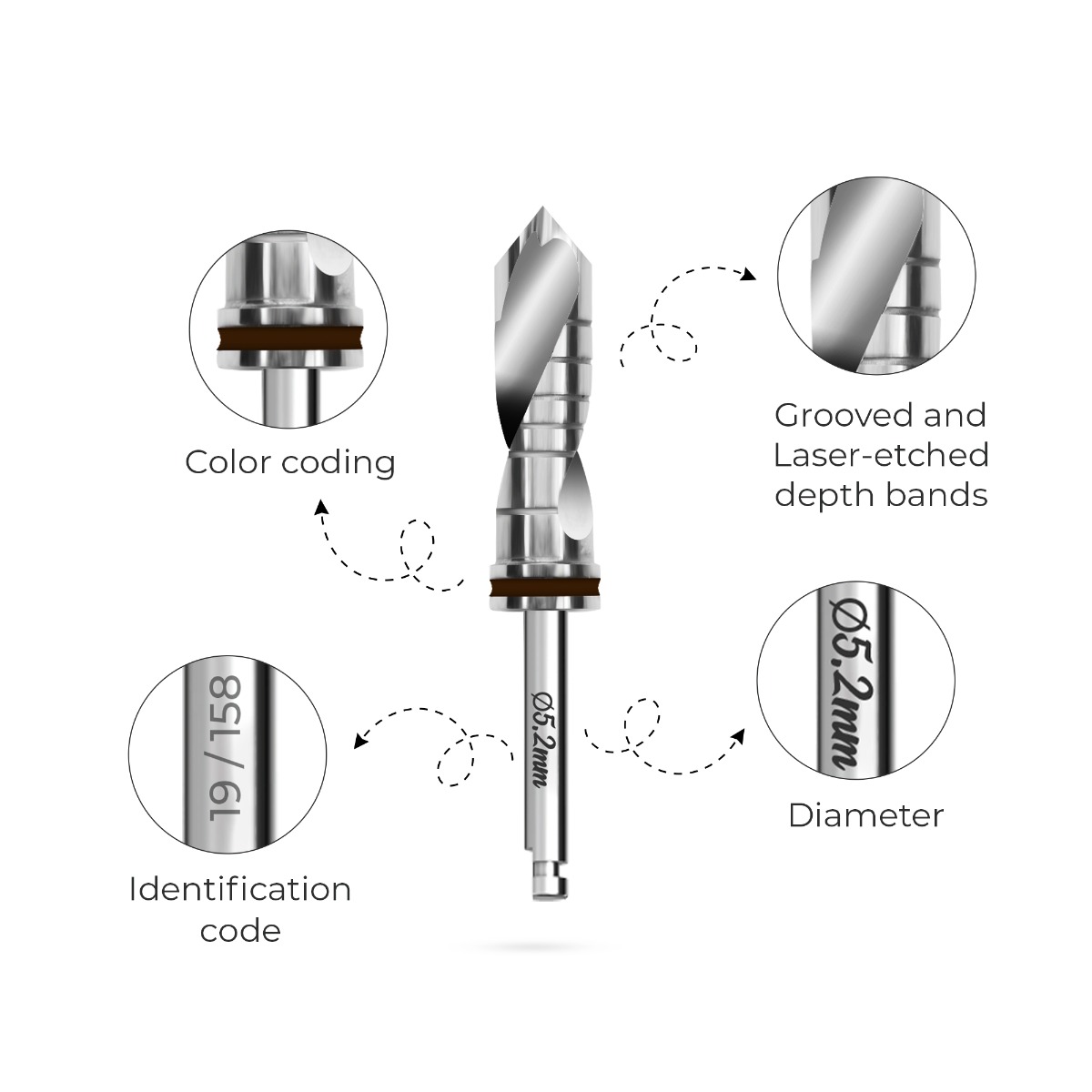
Implant drills have marks on them and really sharp edges. These help make sure the hole is the depth and size. This is important, for drills because it helps doctors put the implants in the right place. Implant drills are made to do a specific job and that is to help with ideal implant positioning.


Enhances Primary Stability:

Drills that are designed properly help keep the bone around the implant site strong. This means the implant has a foundation and it will be stable right away. This is important for immediate or delayed loading protocols. The bone density around the site is very important, for the overall success of the implant. Designed drills really help with this. They make sure the bone stays dense and the implant has the support it needs.


Reduces Surgical Trauma:

The flute designs are really good. The tips are very sharp. This helps to stop much heat from being made and it also helps to prevent damage to the bone. When we use these flute designs the tissues, around the area are. This means that the healing process is better. The flute designs really help with healing outcomes.


Improves Surgical Efficiency:

Sequential drill systems make the implant process smoother. They help reduce the time spent in the chair. This is done while keeping the accuracy high.


Durable & Autoclavable:

Implant drills are made from good stainless steel or special surgical alloys. This means they do not get damaged easily by things, like water or air. They can also be. Sterilized many times without any problems. Implant drills are a choice because they are strong and can withstand a lot of use. Implant drills are made to last and work well after being sterilized many times.


When to Use Implant Drills?

Implant drills are used during various stages of implant site preparation:

Pilot Drilling:

Pilot drilling is done to start making the osteotomy and to get the angle and position. The goal of pilot drilling in this process is to initiate the osteotomy and establish the correct angulation and positioning of the osteotomy. This step is important, for the procedure and the osteotomy.


Sequential Drilling:

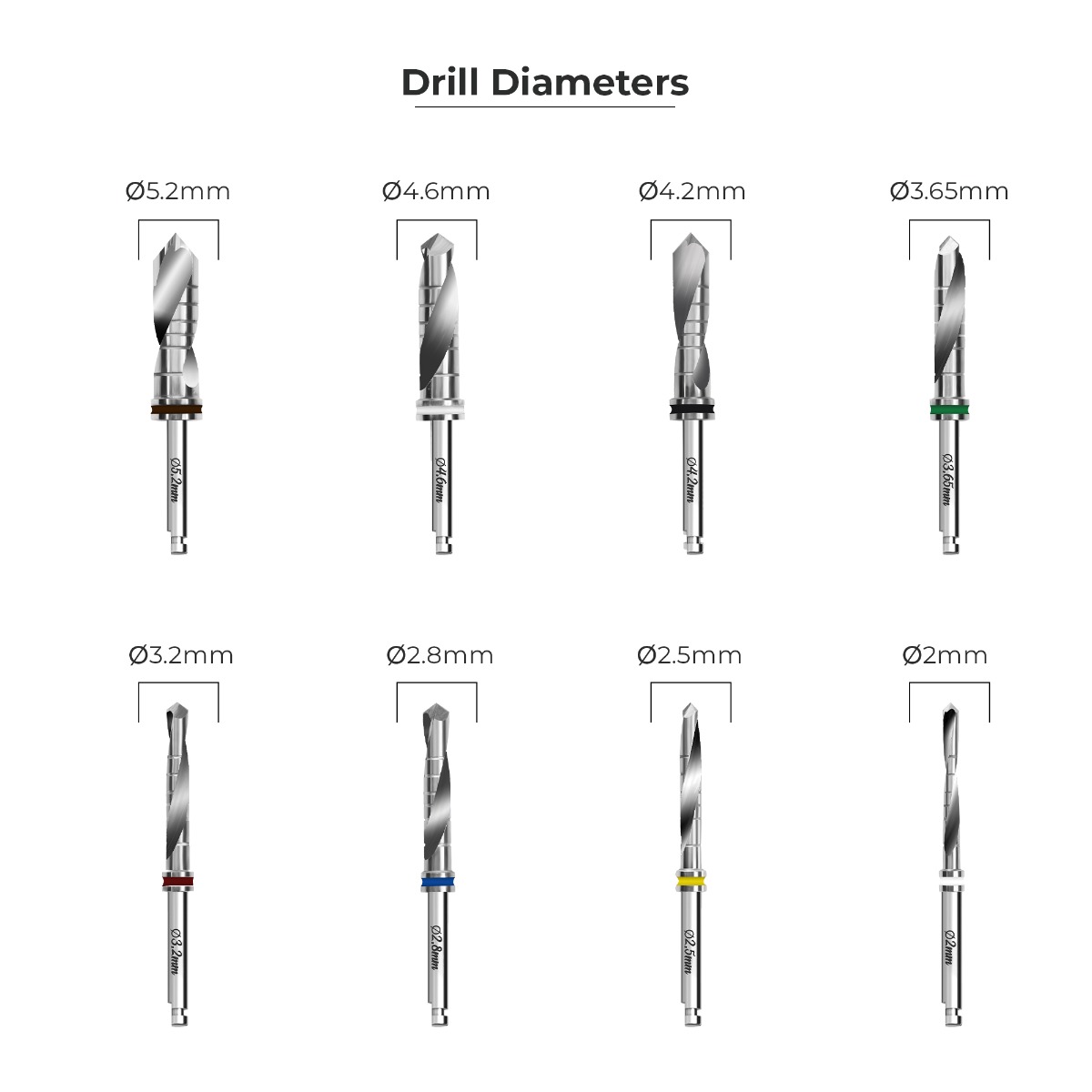
Sequential Drilling is a process where we gradually make the hole in the bone bigger until it is the size for the implant. We do this by using drills that get progressively bigger. The hole gets bigger too and it matches the size of the implant that we want to put in. This is a step, in the process of putting in the implant, which is the Sequential Drilling.


Surgical Drills:

These are the main tools used in implant surgery. The Surgical Drills make the hole in the jawbone where the dental implant will go. This hole is called an osteotomy. The Surgical Drills come in sizes. This is so they can be used with types of dental implants. The Surgical Drills are very important, for surgery. They help make sure the dental implant is placed correctly in the jawbone.


Depth Control Drills:

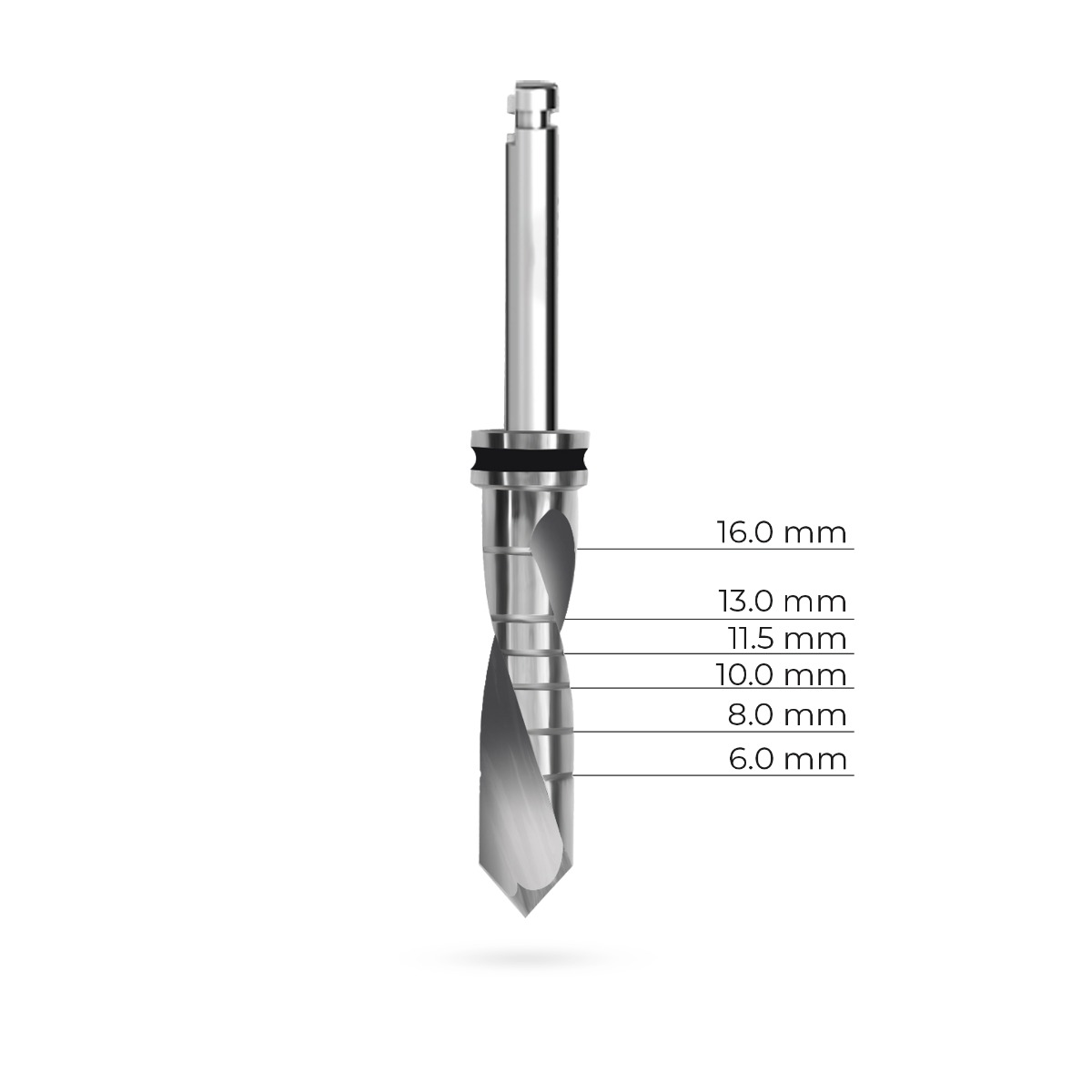
Getting the depth is really important for implant success. The dentist uses drills called depth control drills to help get the depth just right when placing the implant. This way the implant is put in the jawbone at the level. The dentist needs to make sure the implant is at the depth, in the jawbone for it to work properly.


Parallel-Sided Drills:

These drills keep the same size all the way through. They are really useful when you need to make a hole in the bone that's the same size all the way through like when you are putting in a specific type of implant that needs a certain size hole. This is important because the implant needs to fit in the bone. Sided Drills are good for this because they make a hole that is the same size, as the drill.


Sinus Lift Drills:

When a patient does not have bone in the upper jaw for an implant Sinus Lift Drills are used. These Sinus Lift Drills are really important, for a procedure called sinus augmentation. The Sinus Lift Drills make room in the sinus cavity. This room is necessary for the implant to be placed properly. The Sinus Lift Drills help create the space that is needed for the implant.


Precautions When Using Implant Drills

While implant drills are essential surgical instruments, proper usage is critical:

- Always follow the manufacturer’s drilling protocol and recommended RPM.

- Ensure adequate irrigation to prevent overheating of bone.

- Check drill sharpness regularly; dull drills increase heat and trauma.

- Use sequential drilling without skipping sizes unless protocol specifies.

- Sterilize properly before every procedure to maintain surgical asepsis.


Why Choose Dentalkart for Implant Drills?


Dentalkart offers a comprehensive range of implant drills compatible with leading implant systems, ensuring precision and clinical reliability. Each product is sourced from trusted manufacturers to maintain consistent quality and performance standards.

With competitive pricing, authentic products, and seamless doorstep delivery, Dentalkart supports dental professionals with dependable solutions for implantology procedures. You can also explore related implant surgical kits, implant motors, and guided surgery accessories to streamline your workflow in one place.


FAQs

Q1. Are implant drills reusable?

Yes, implant drills are reusable if properly cleaned, sterilized, and maintained according to manufacturer guidelines.


Q2. What RPM is recommended for implant drilling?

Typically, implant drilling is performed between 800–1500 RPM depending on bone density and surgical protocol.


Q3. Why is irrigation important during implant drilling?

Irrigation prevents excessive heat generation, which can damage bone and compromise osseointegration.


Q4. Can the same drill be used for all implant systems?

Not always. Drill design and diameter must match the specific implant system being used for accurate osteotomy preparation.

Walden
base, small, thumbnail, swatch
Walden
Walden
Walden
Walden
Freebies

Only 4 Left

1.0
(1)
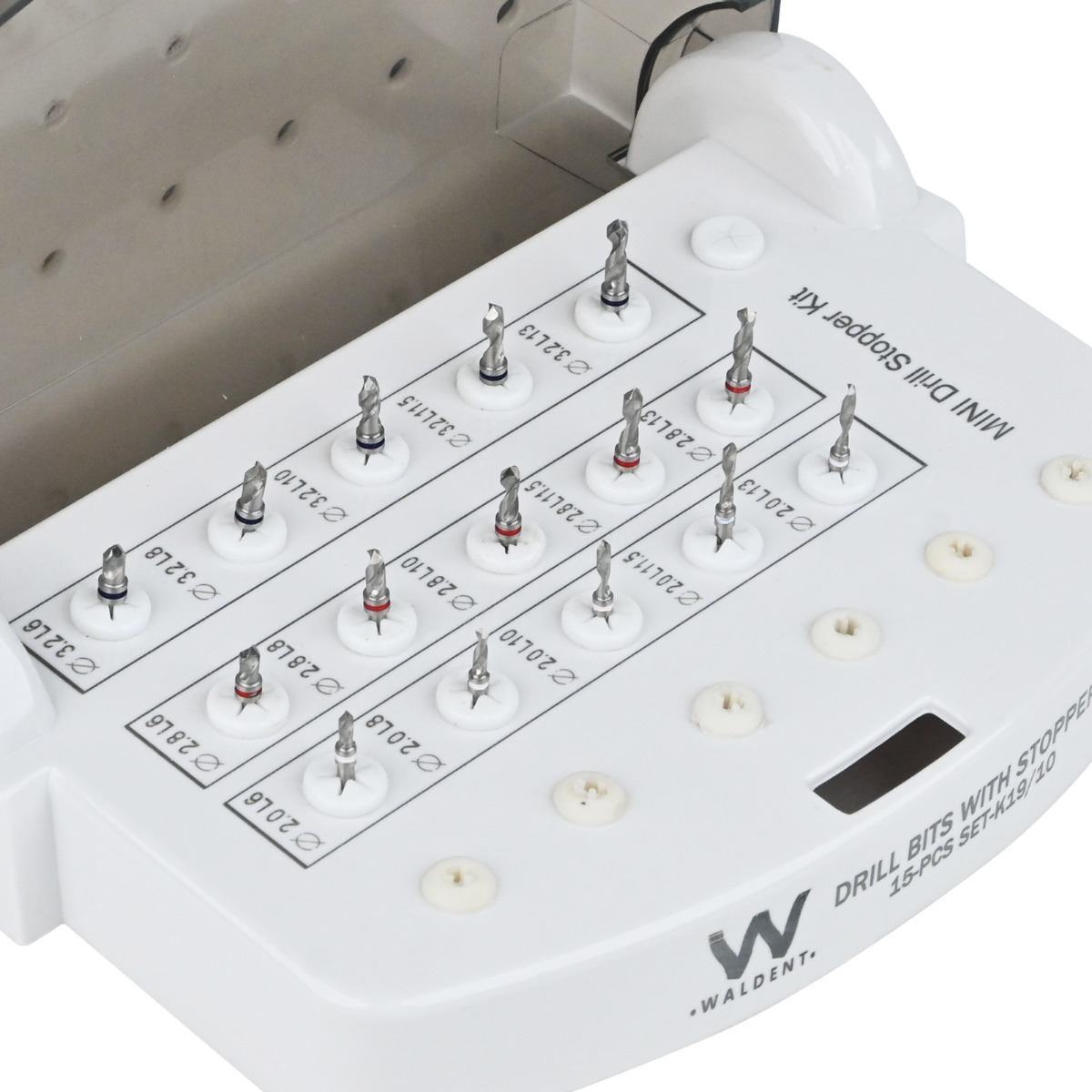
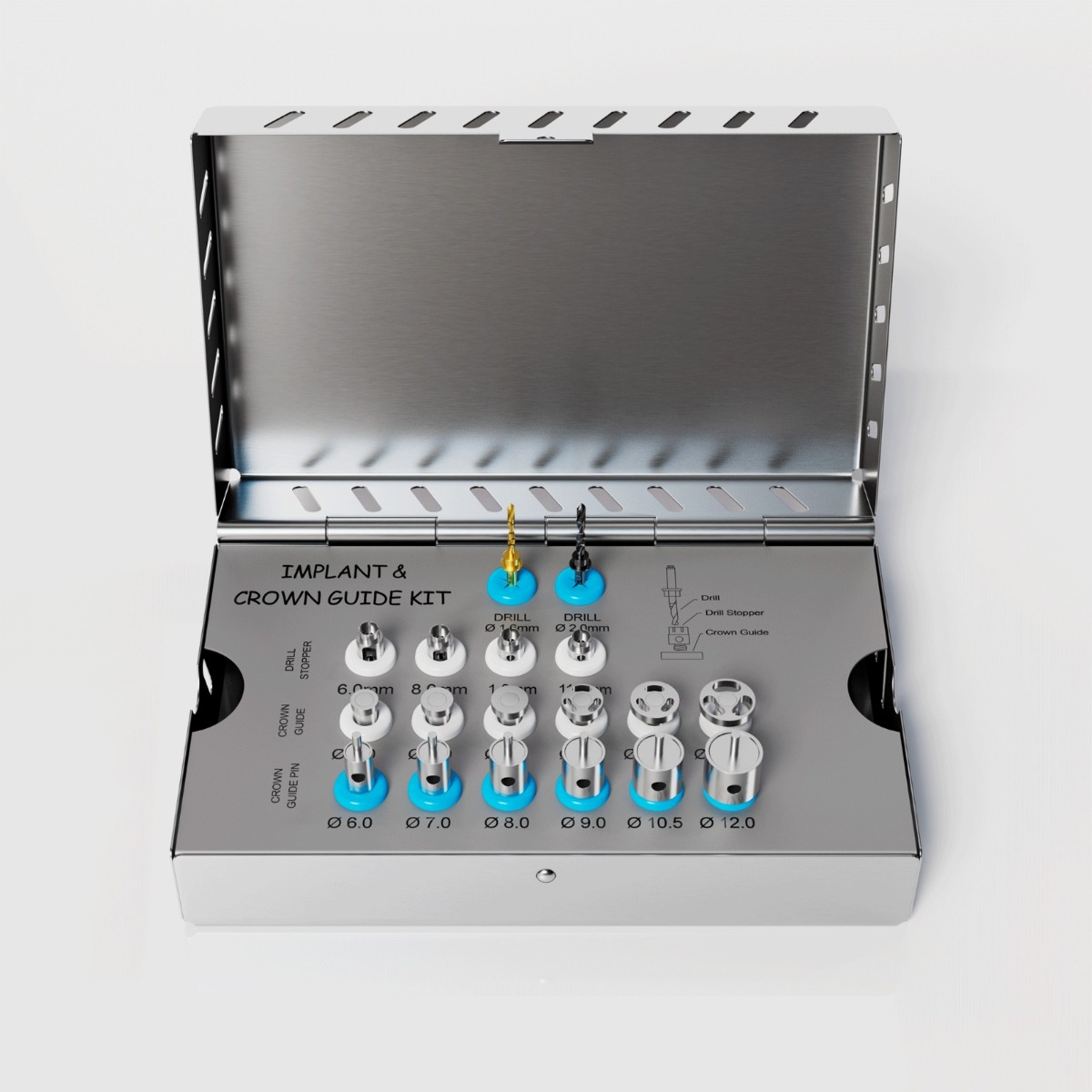
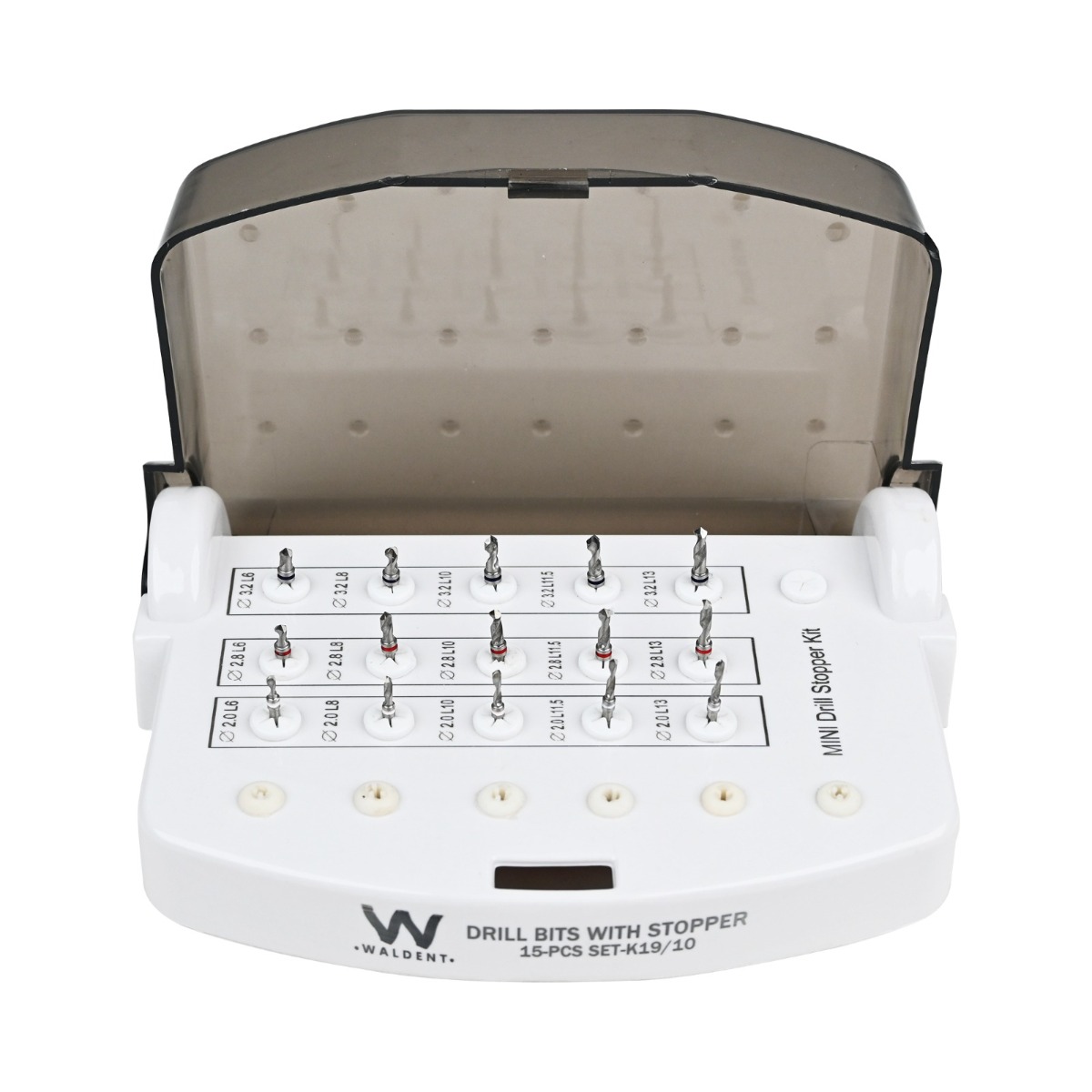
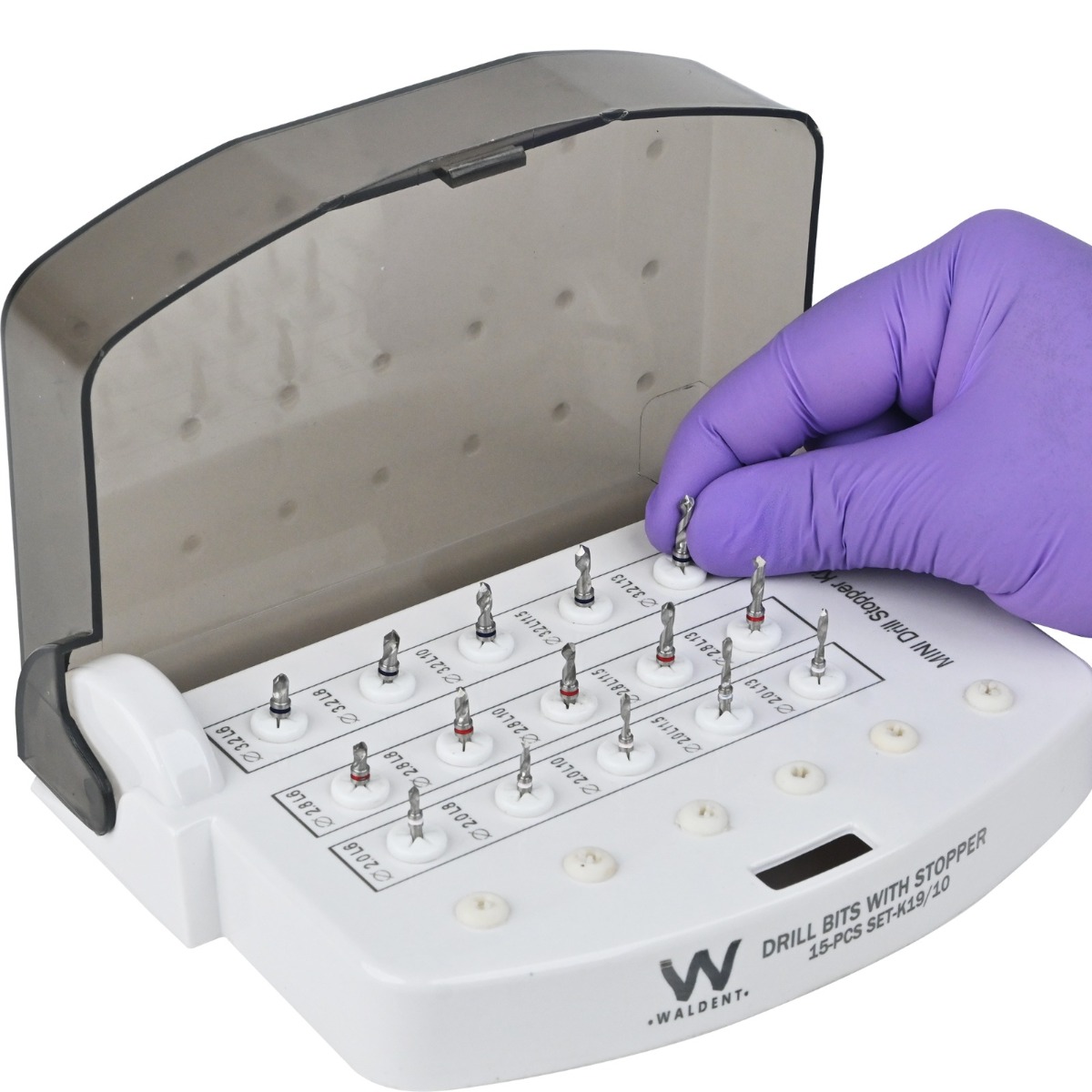
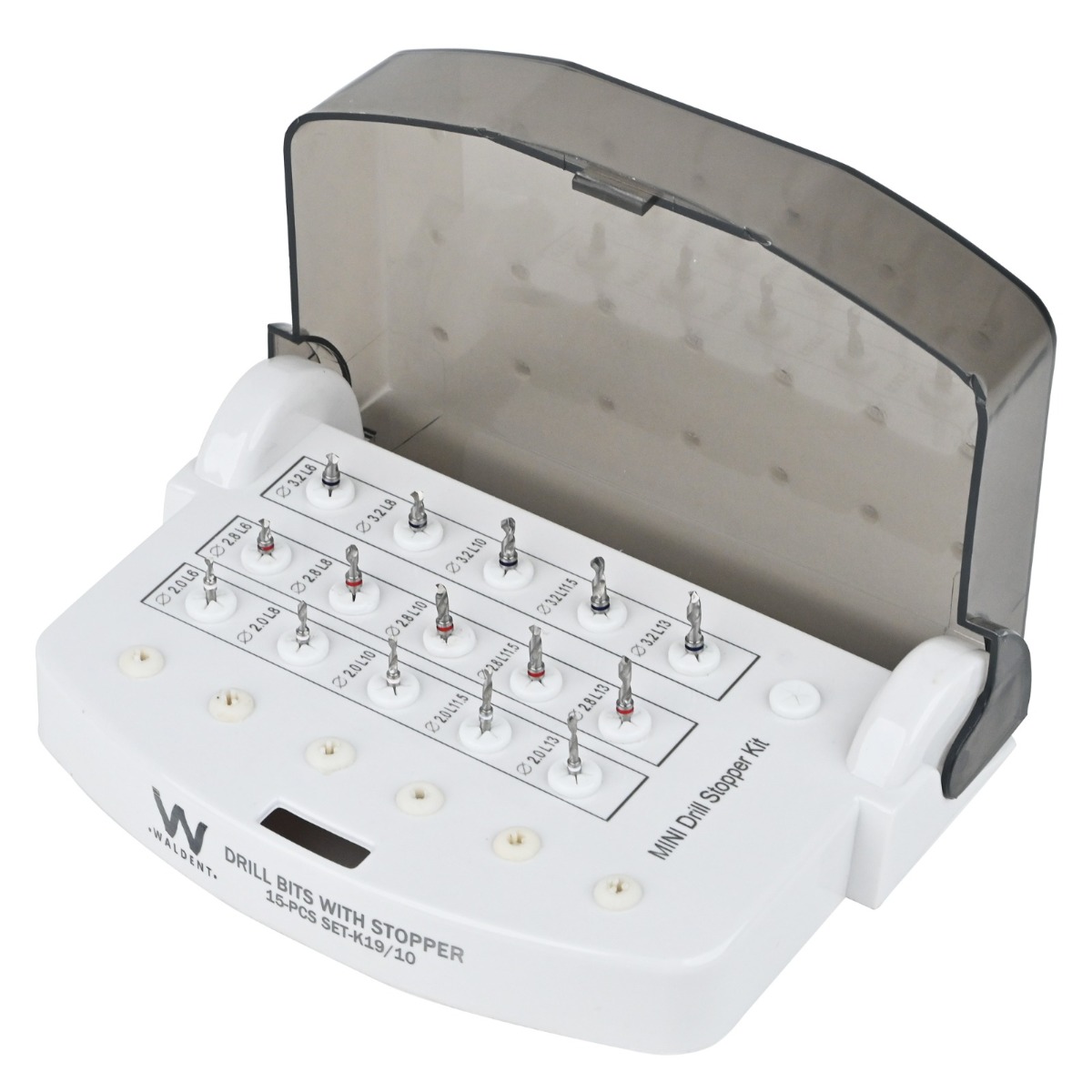
Integral Stopper Drills Kit to assure accurate depth control for dental implant placement
17719 36000
gold coin844
View Similar Products
Walden
base, small, thumbnail
Walden
Walden
Walden
Walden
4.5
(2)
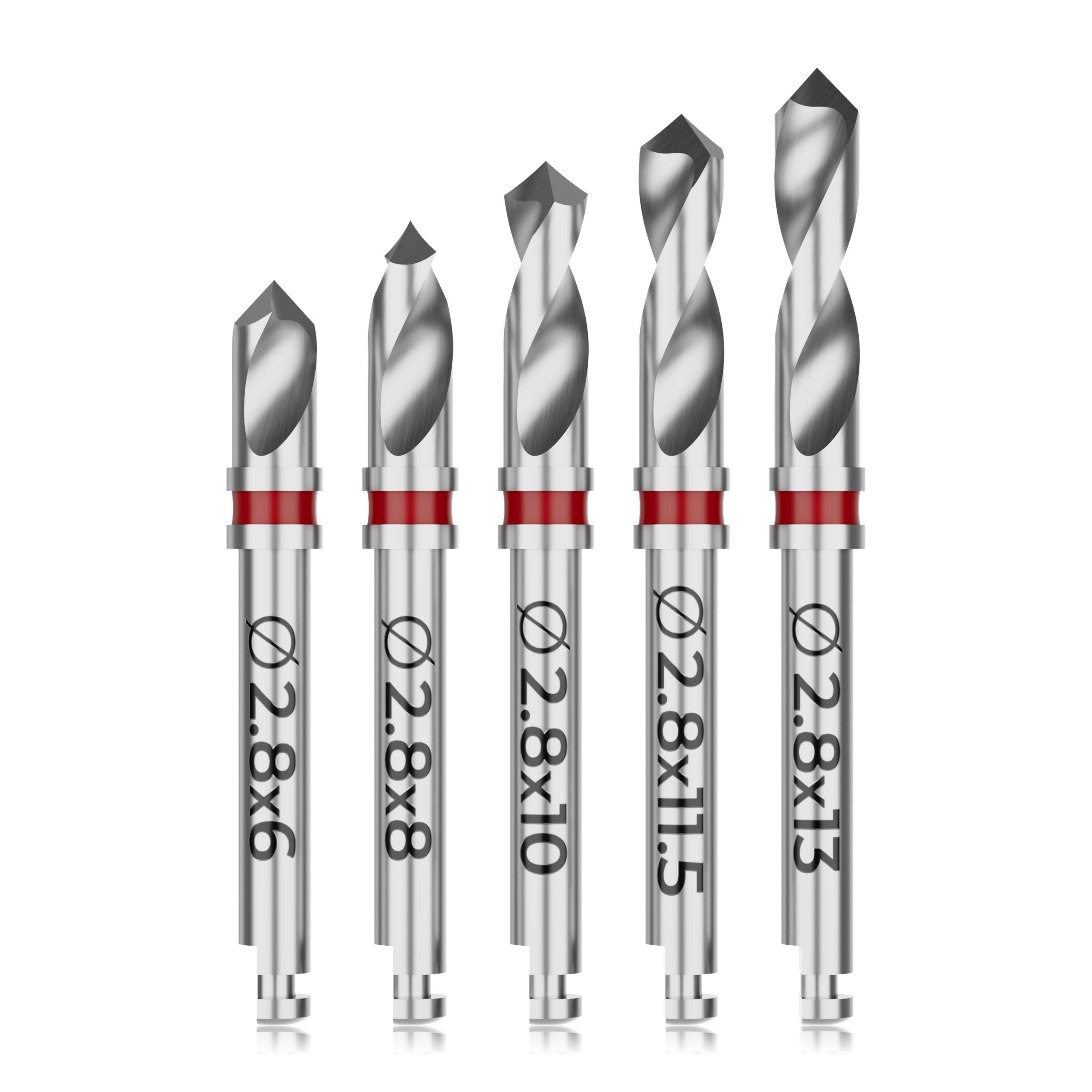
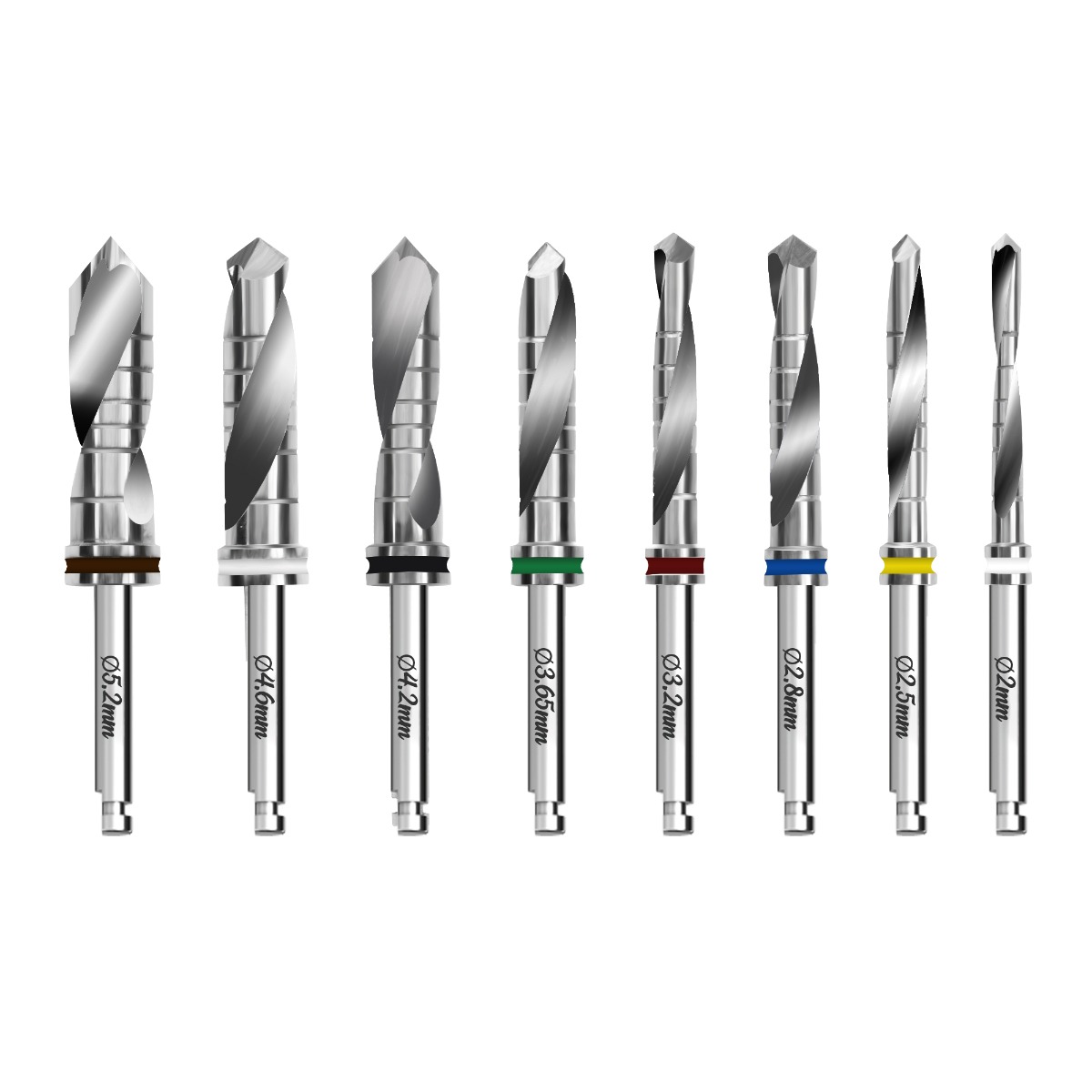
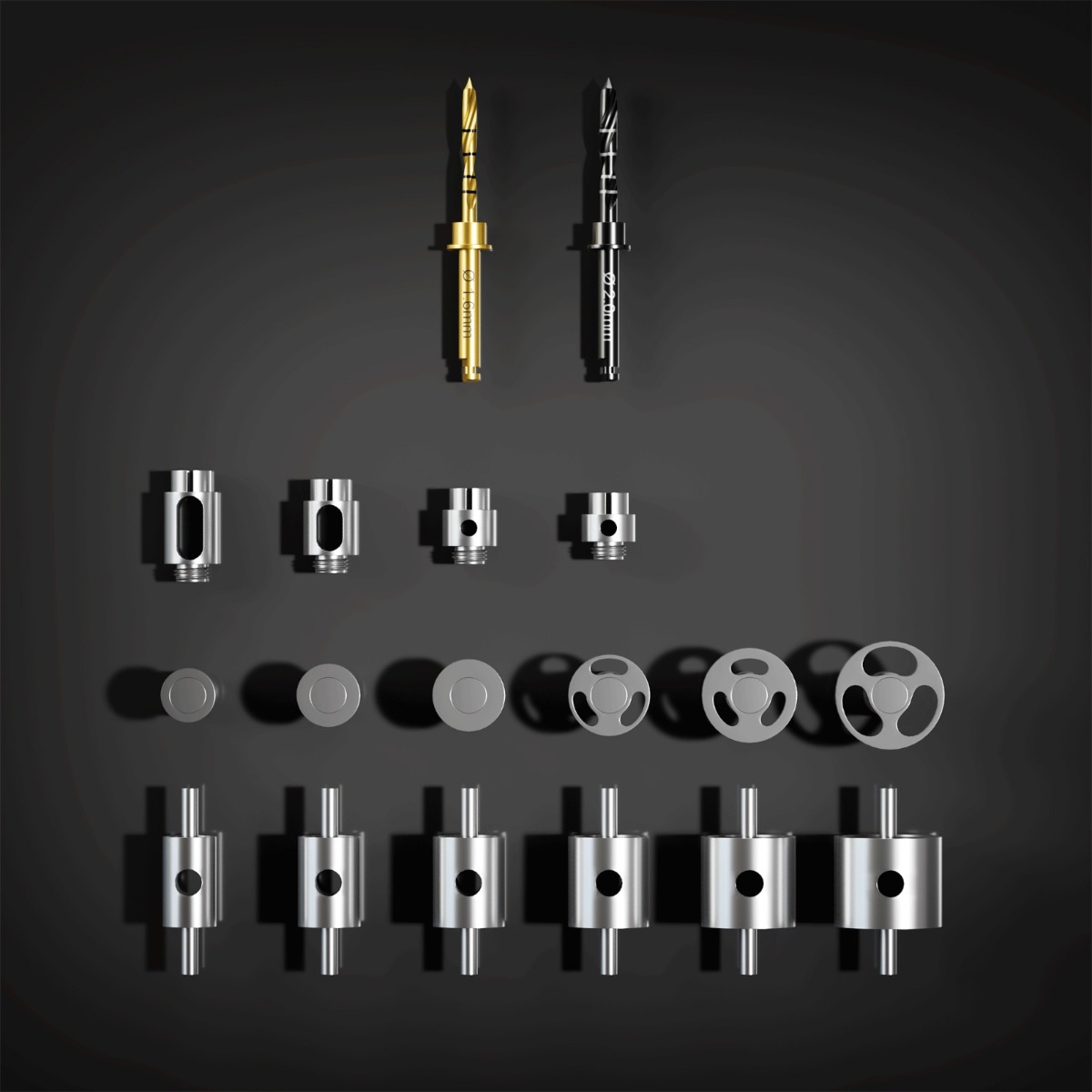
Straight implant drills for preparation of implant site
Starting at 750
View Similar Products
Walden
base, small, thumbnail, swatch
Walden
Walden
Walden
Walden
4.0
(1)
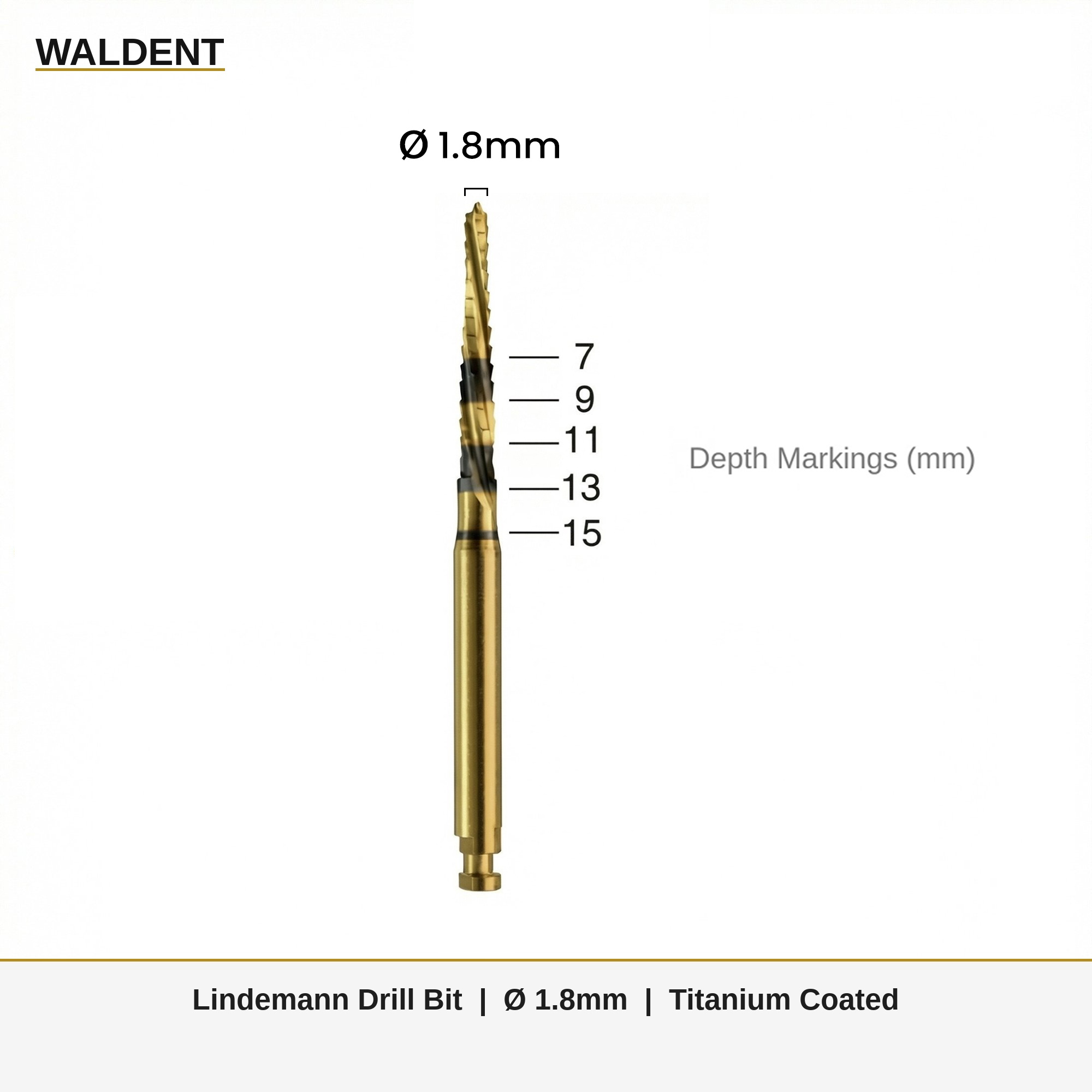
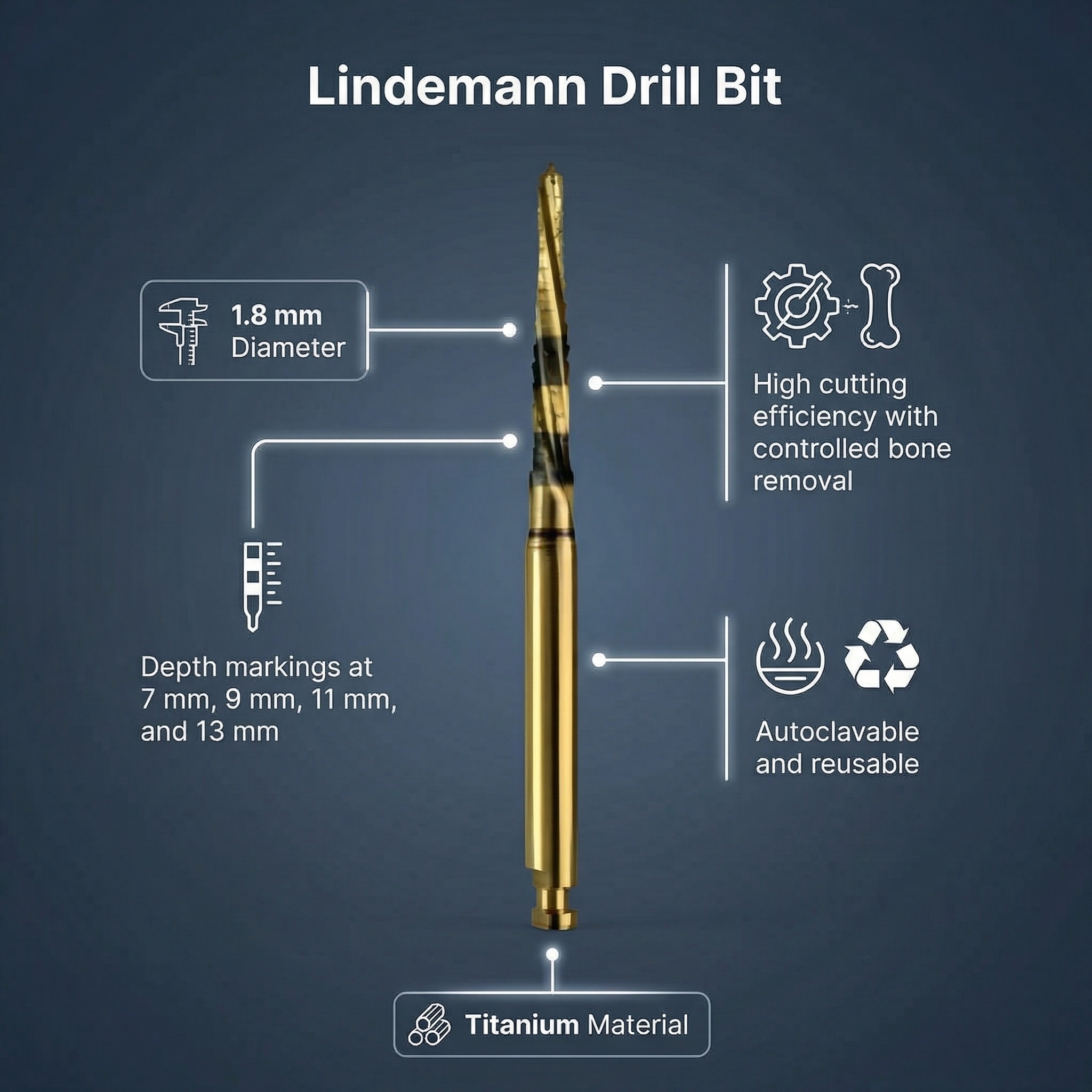
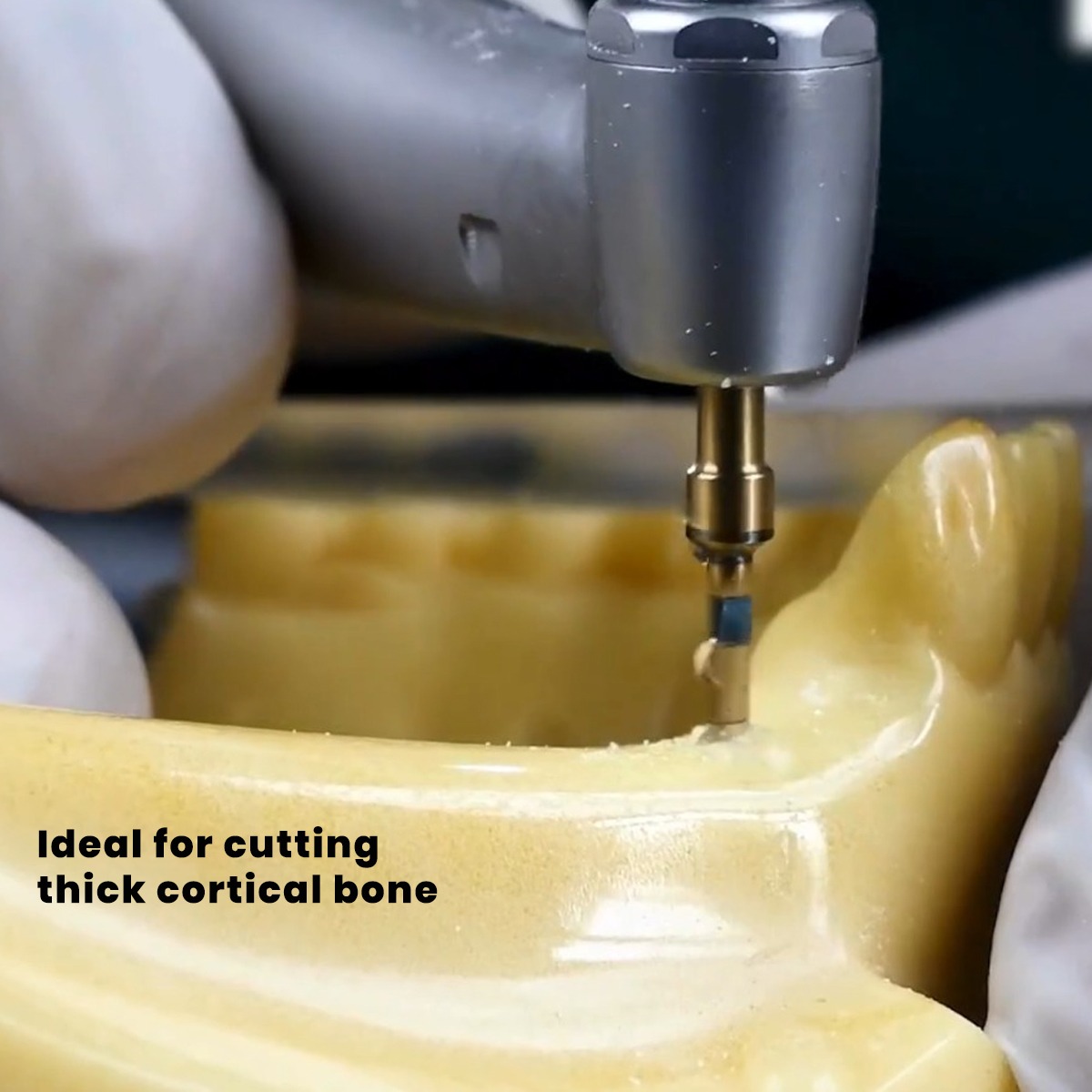
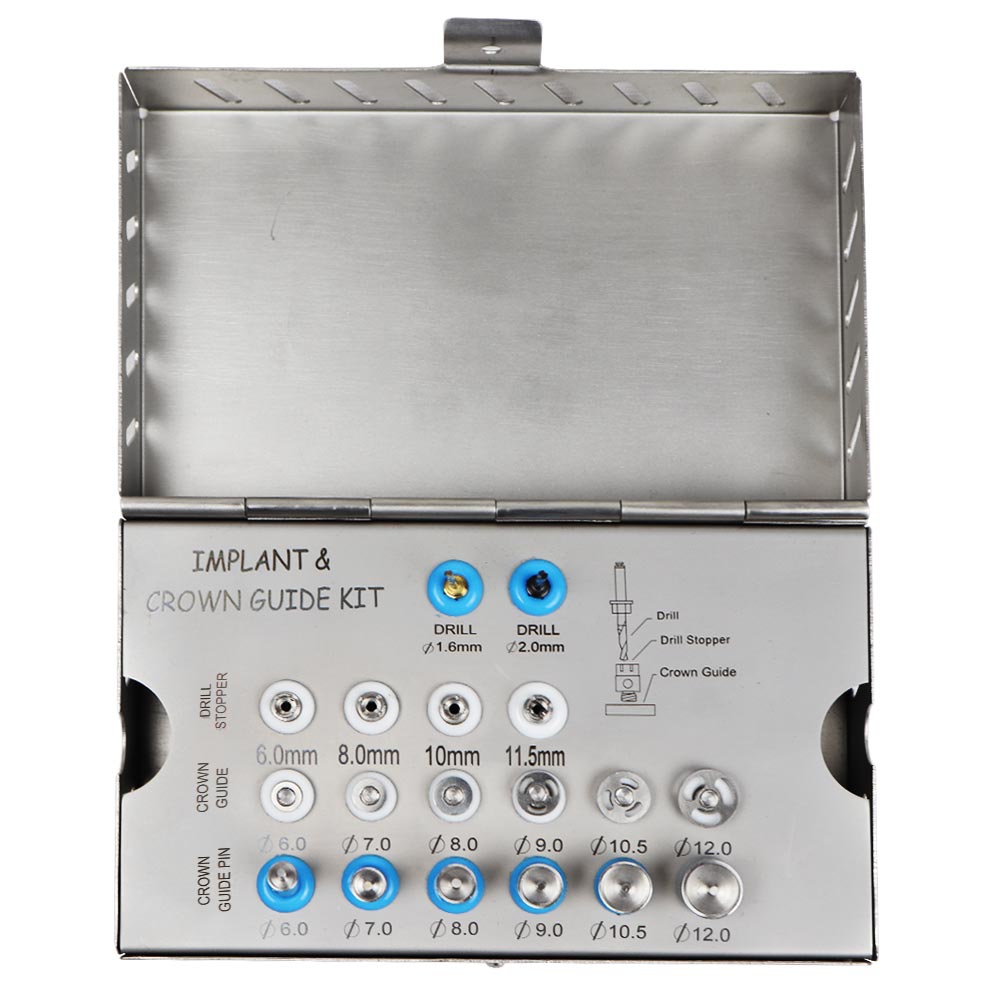
Precision 1.8mm Lindemann drill with latch type shank with depth markings for implant site preparation
816 1600
gold coin35
View Similar Products
Walden
base, small, thumbnail, swatch
Walden
Walden
Walden
Walden
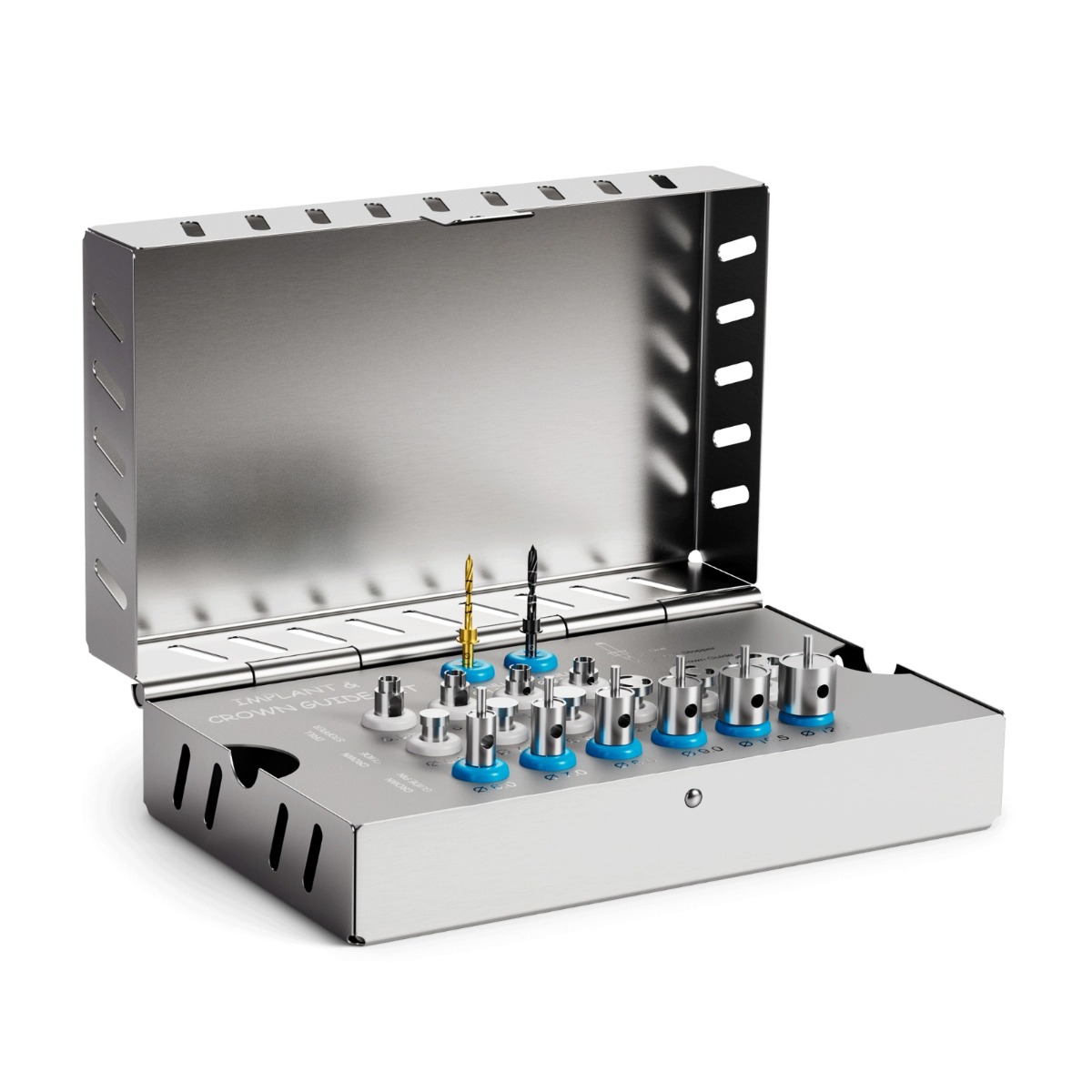
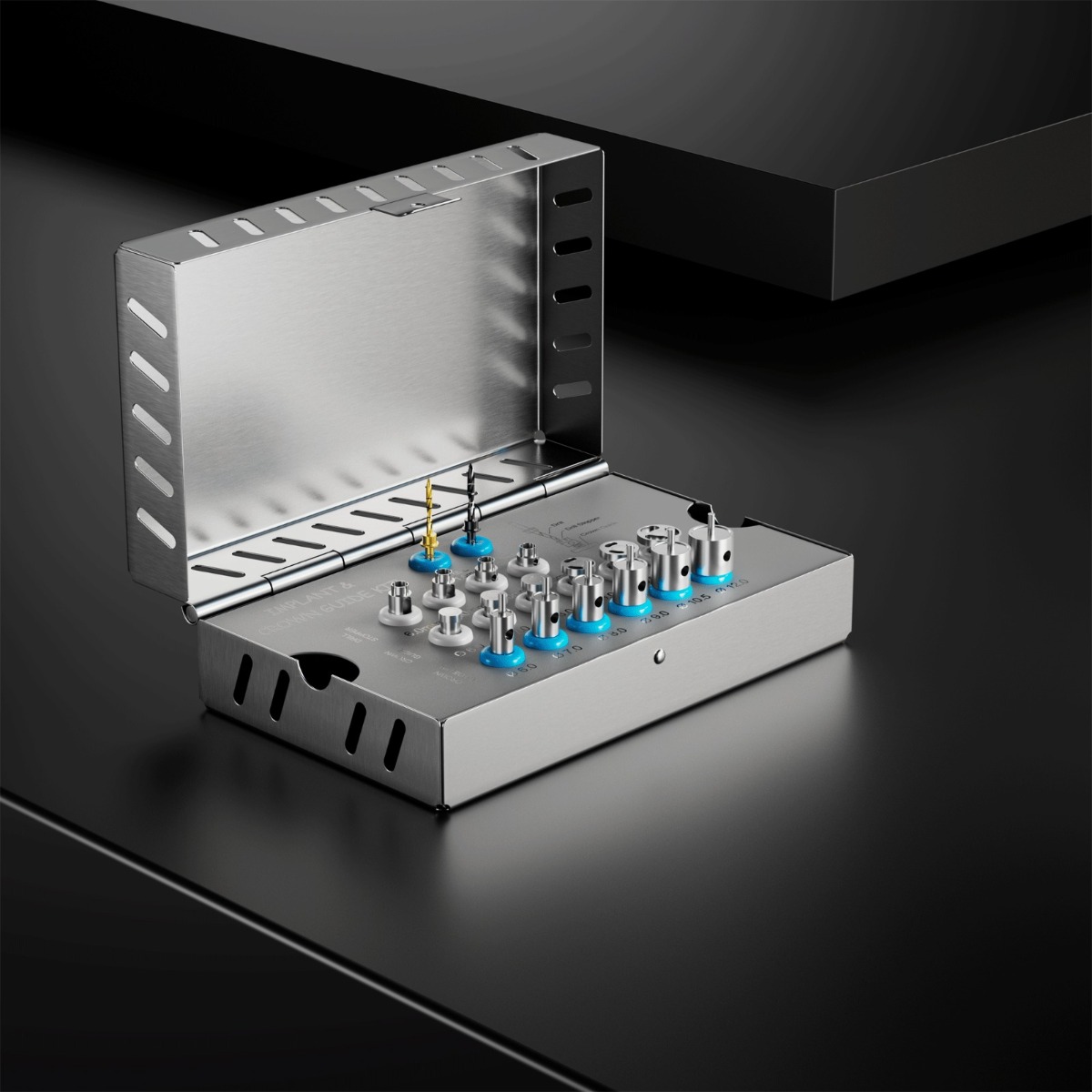
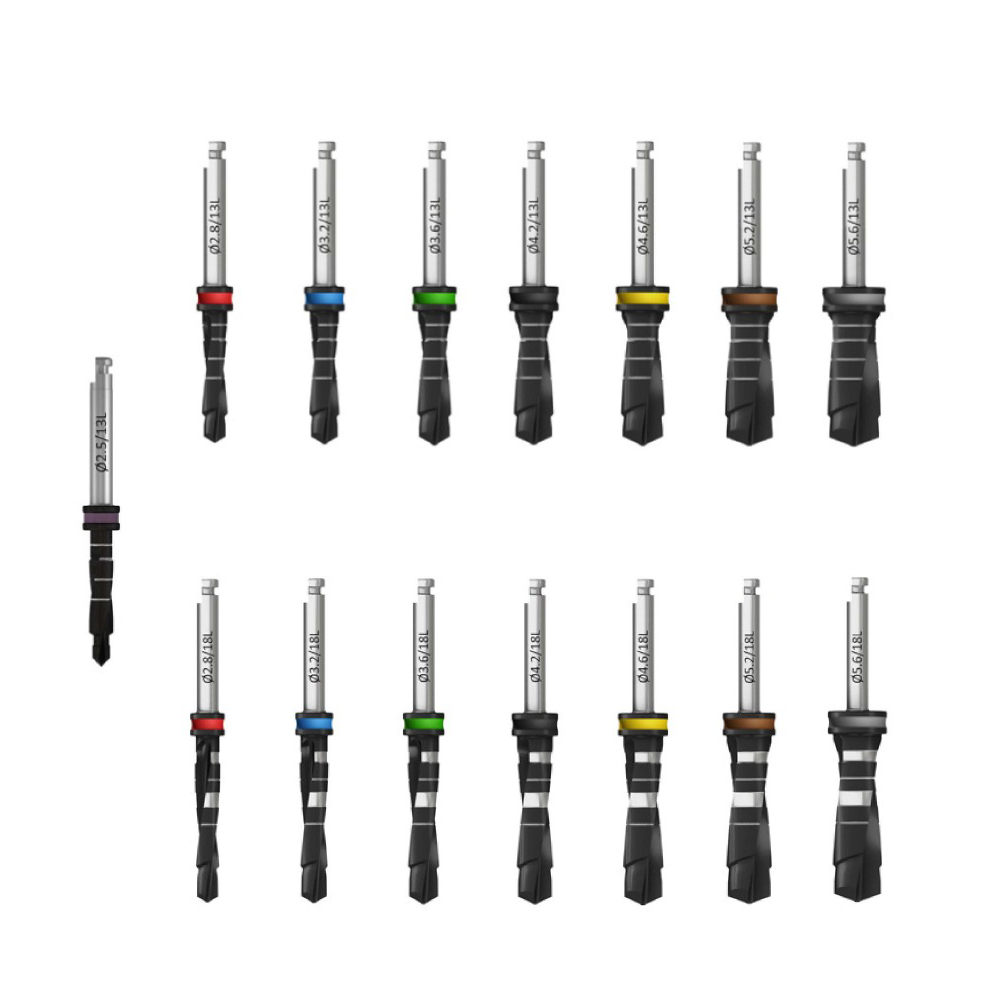
Set of 18 Implant Guide Drills compatible with all implant systems
22523 68640
gold coin937
View Similar Products
Adin T
base, small, thumbnail
Adin T
Adin T
Adin T
Adin T
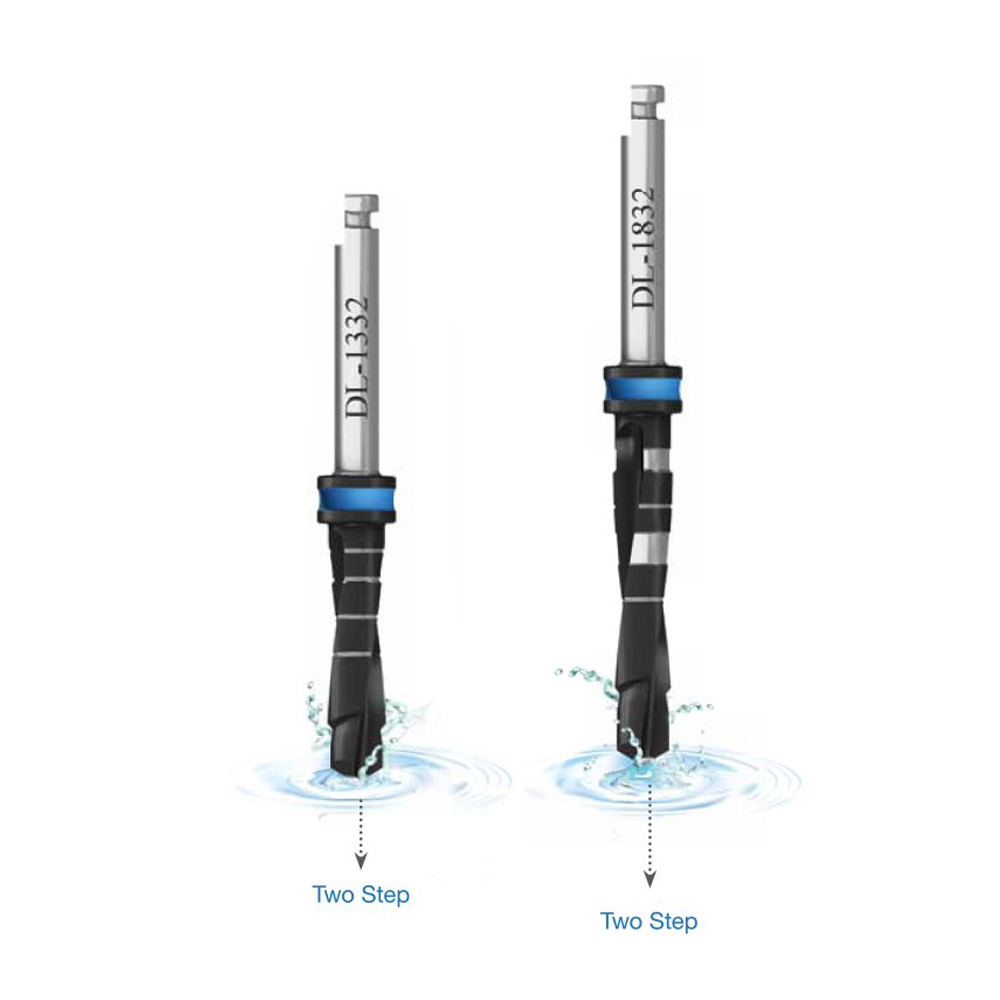
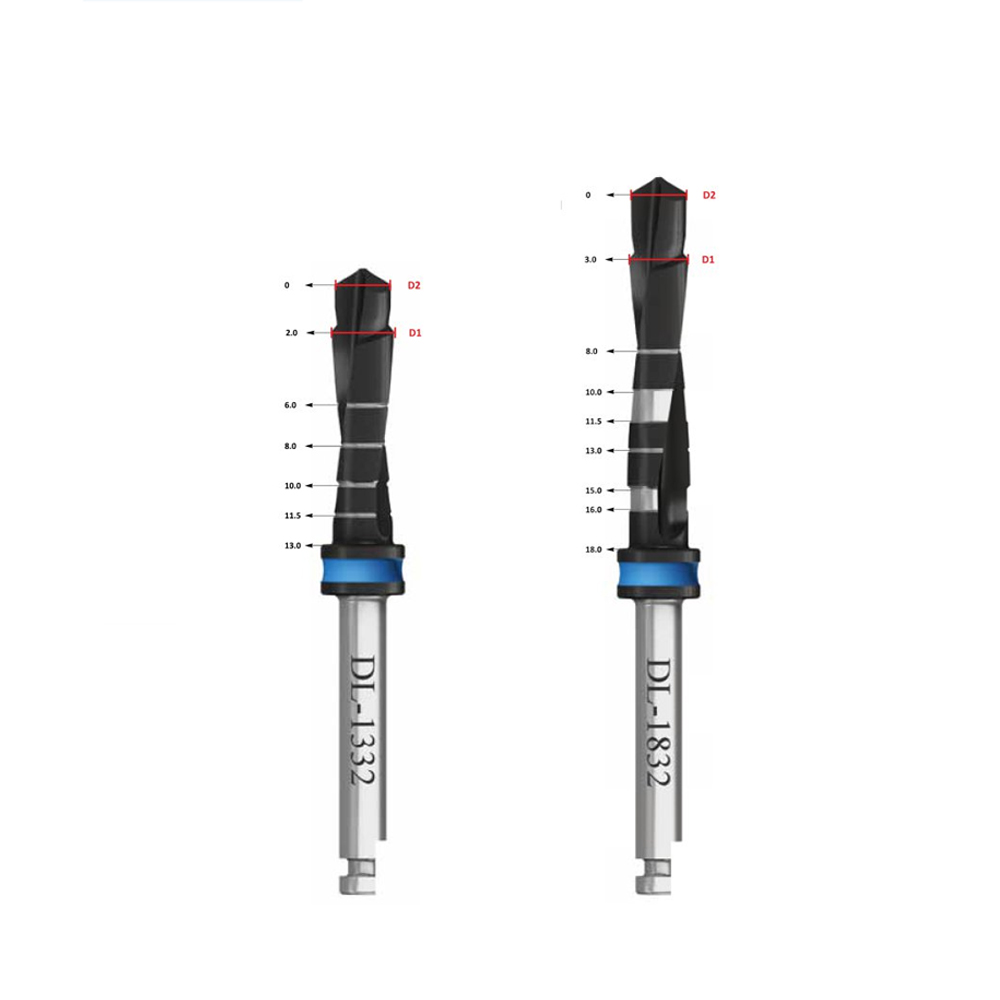
Two-step drills designed for precise and efficient osteotomy preparation in dental implant procedures
Starting at 3735
View Similar Products
Jullde
base, small, thumbnail
Jullde
Jullde
Jullde
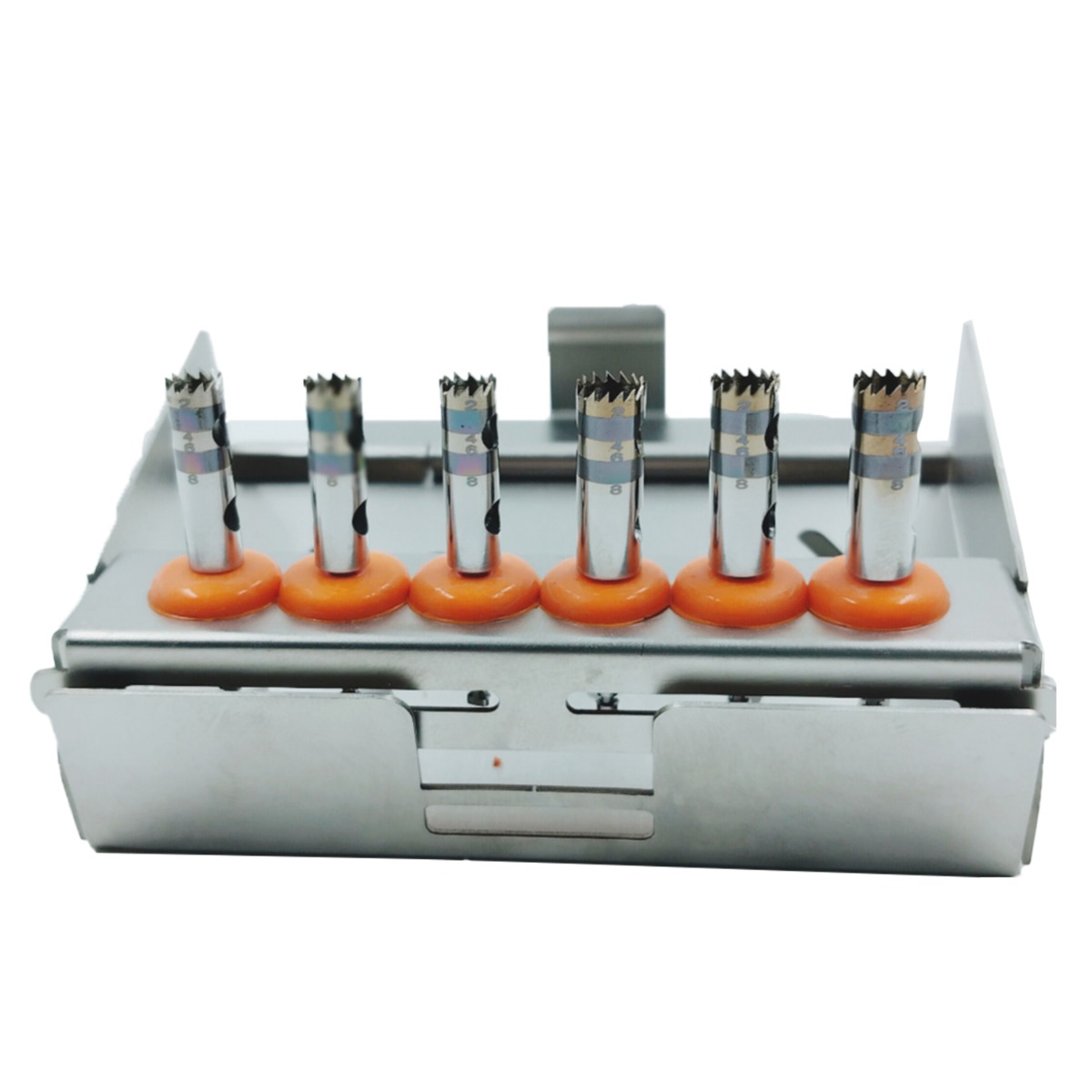
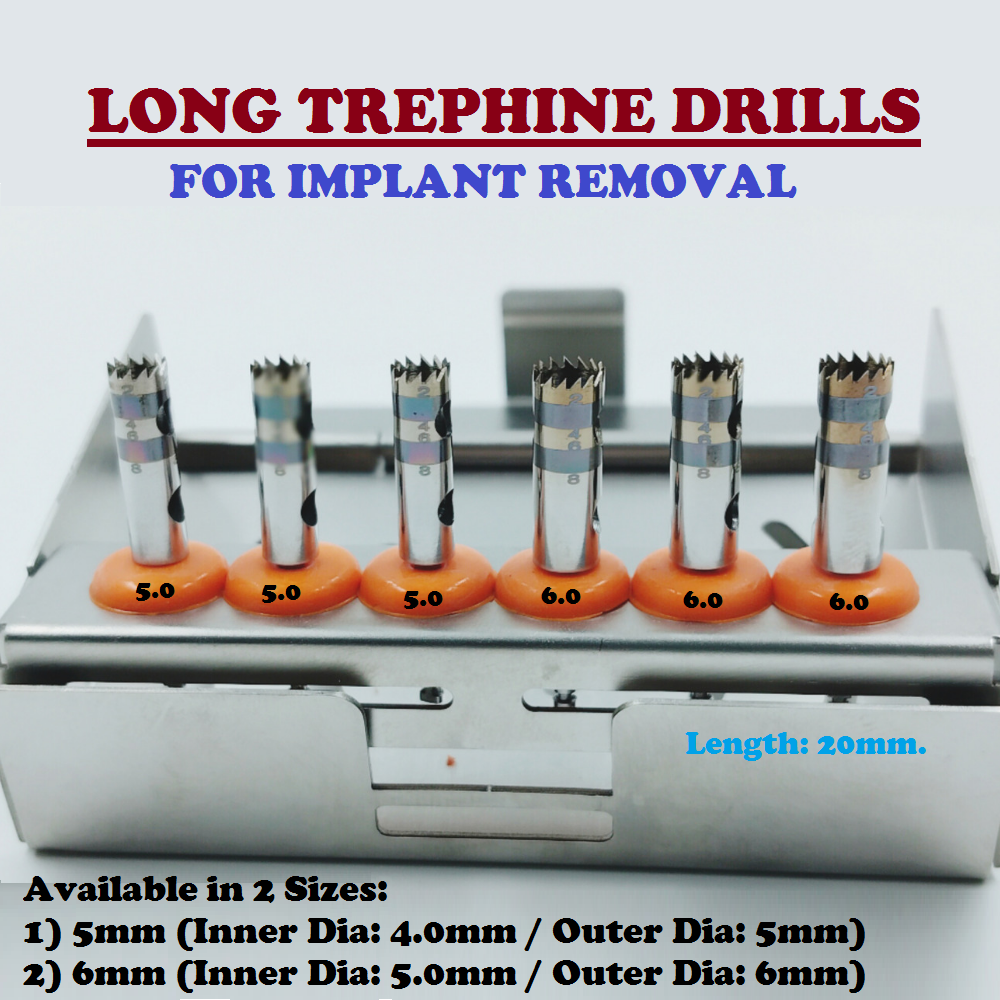
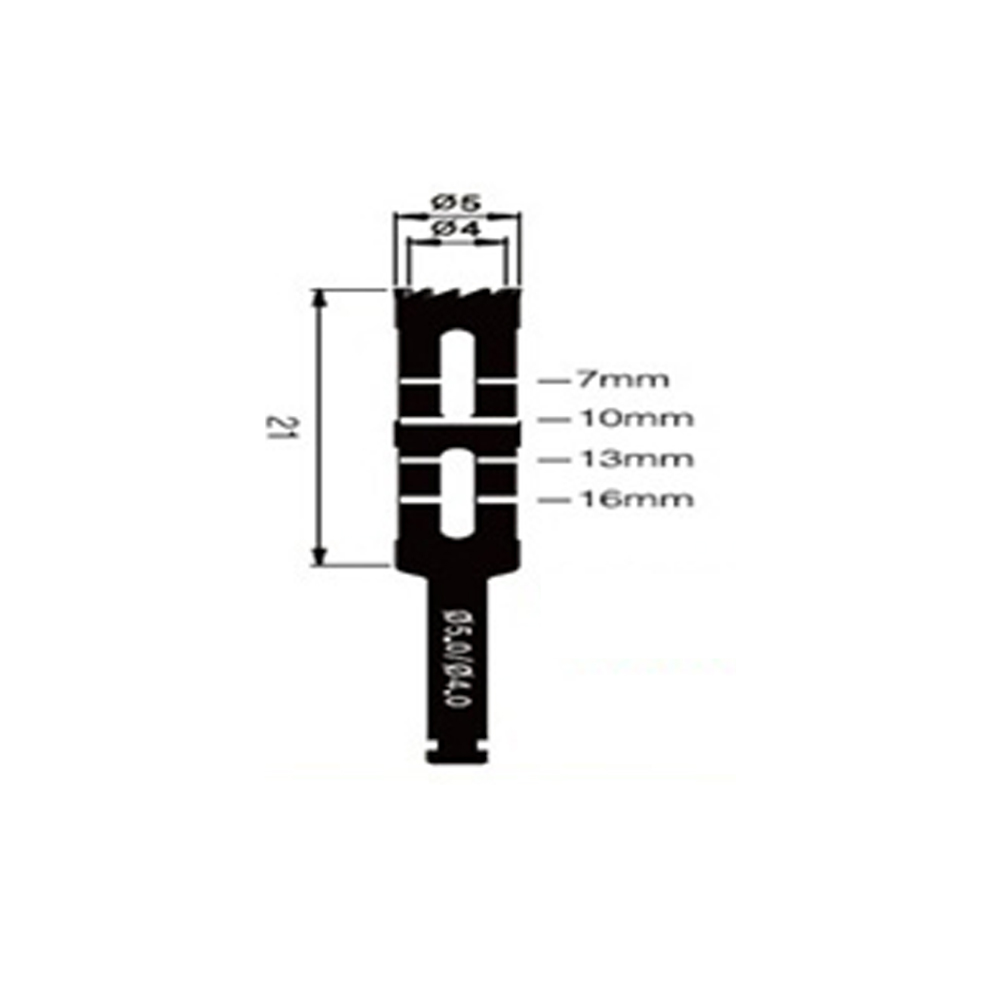
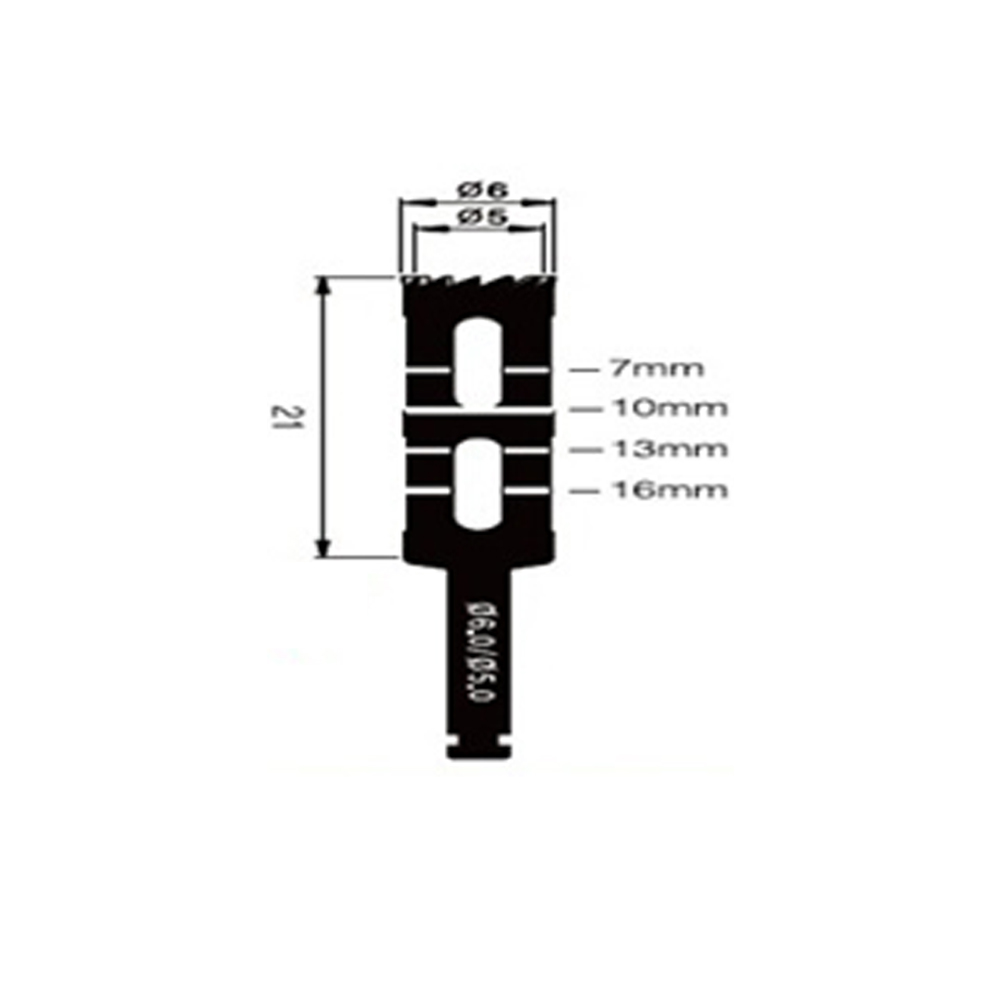
Long Trephine for harvesting bone in autogenous bone graft placement.
Starting at 2101
View Similar Products
Jullde

Only 1 Left

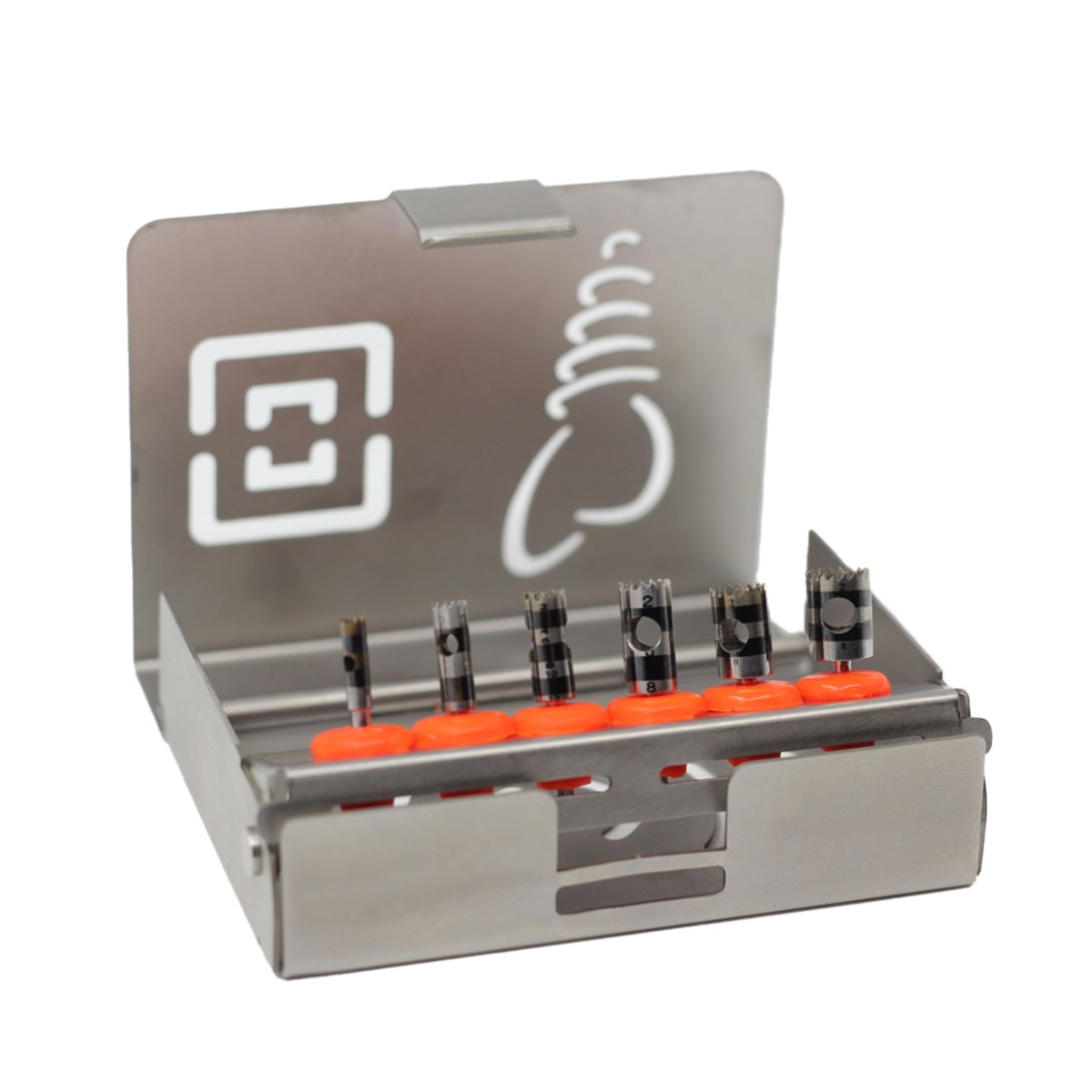
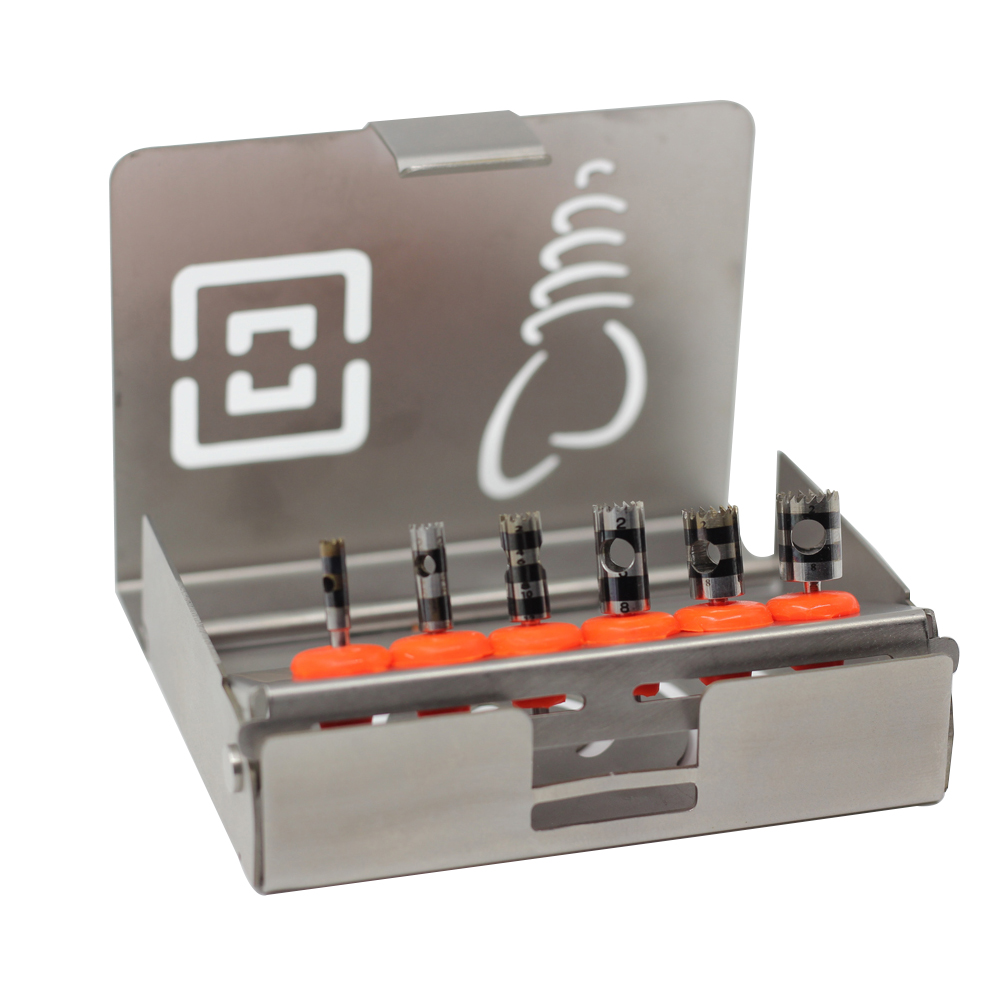
Trephine Drills Set used for harvesting bone in autogenous bone graft placement.
9525 11400
gold coin190
View Similar Products
Jullde
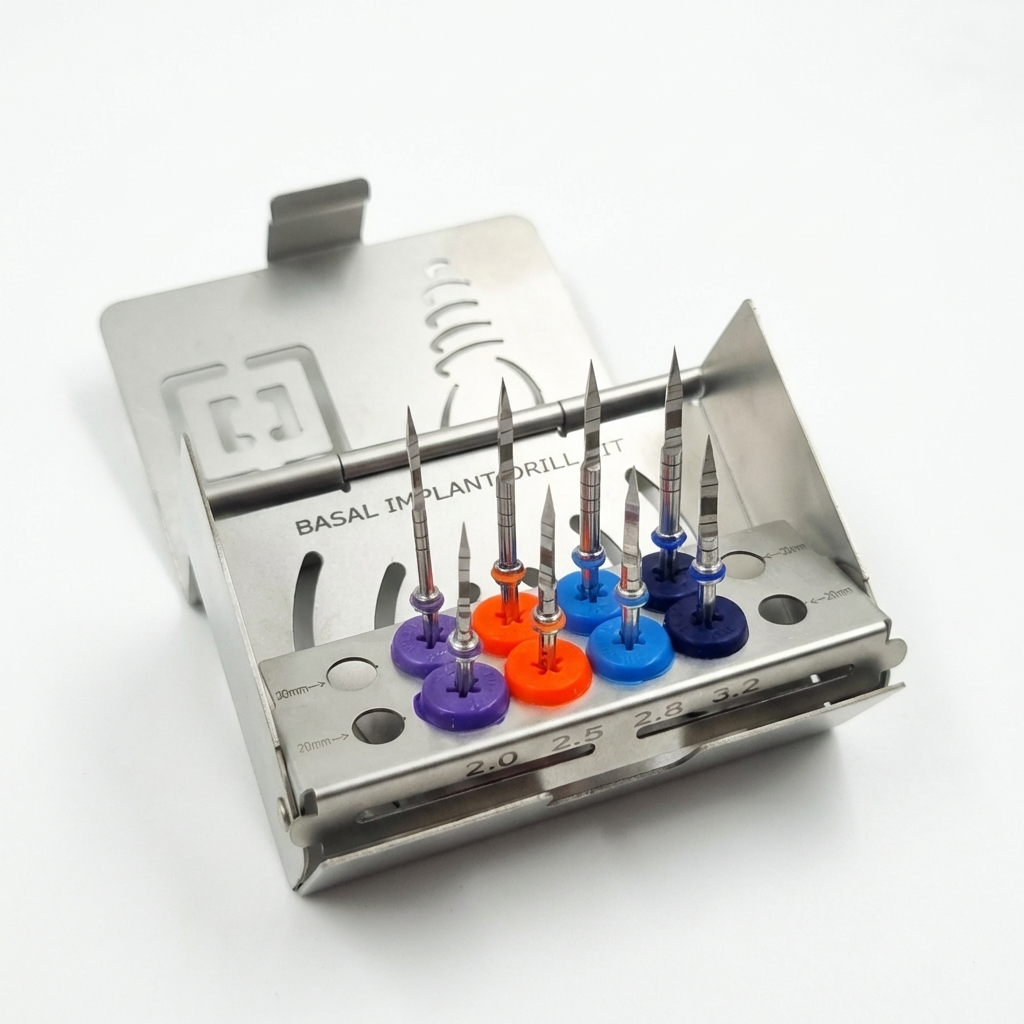
Basal implant drills with laser marking
Starting at 1500
View Similar Products
Jullde
Trephine Drills Refills used for harvesting bone in autogenous bone graft placement.
Starting at 1600
View Similar Products
Dental
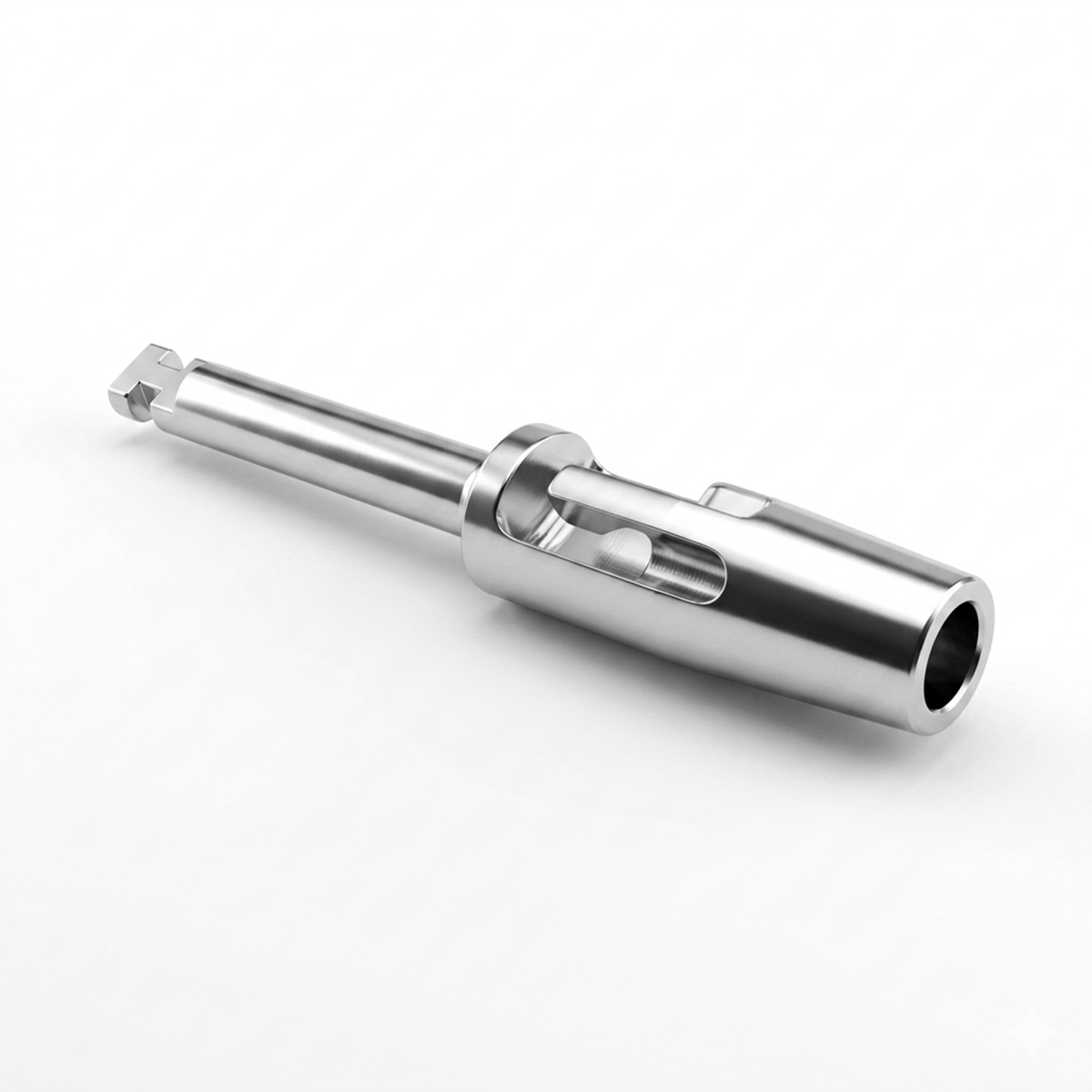
Implant drill extender increases reach and precision for accurate drilling in difficult posterior surgical areas
799 1598
View Similar Products
Jullde

Only 2 Left

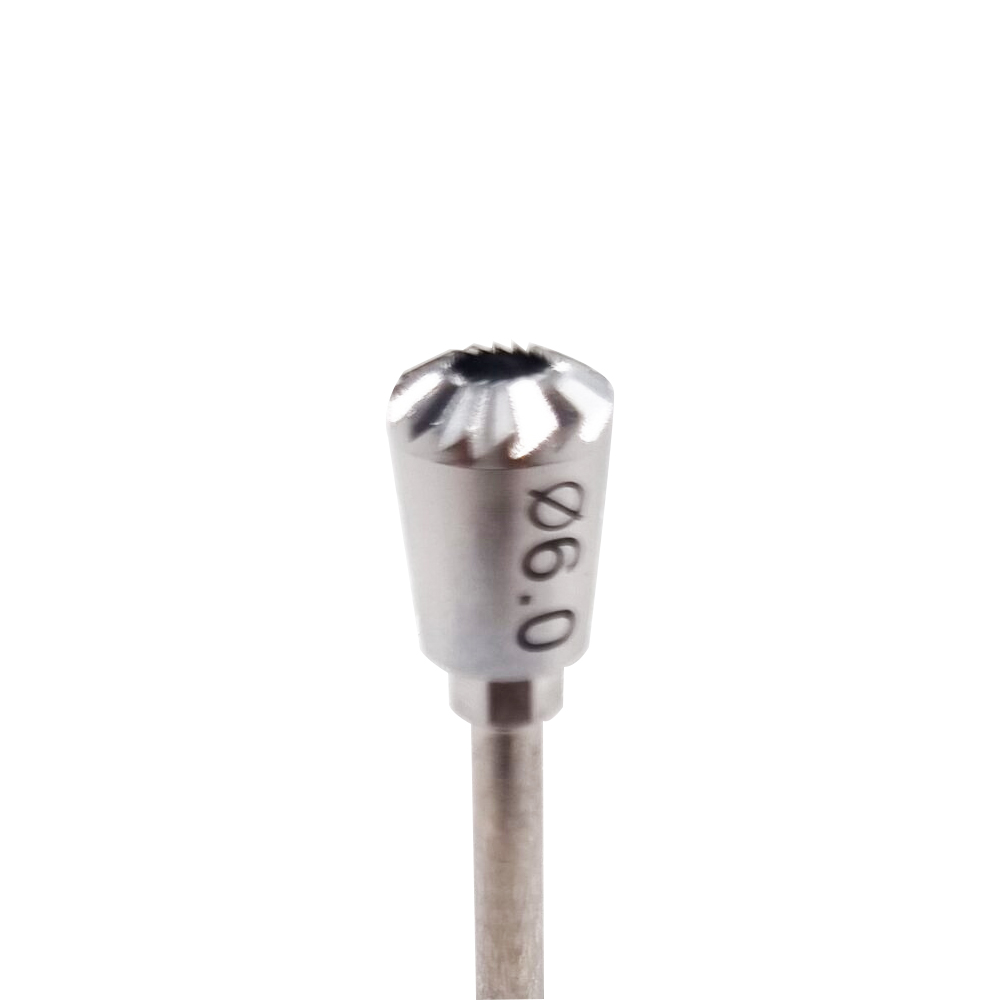
Bone Profile Drill shapes cortical bone, ensuring smooth implant placement during surgery.
4509 5400
gold coin90
View Similar Products
Jullde

Only 4 Left

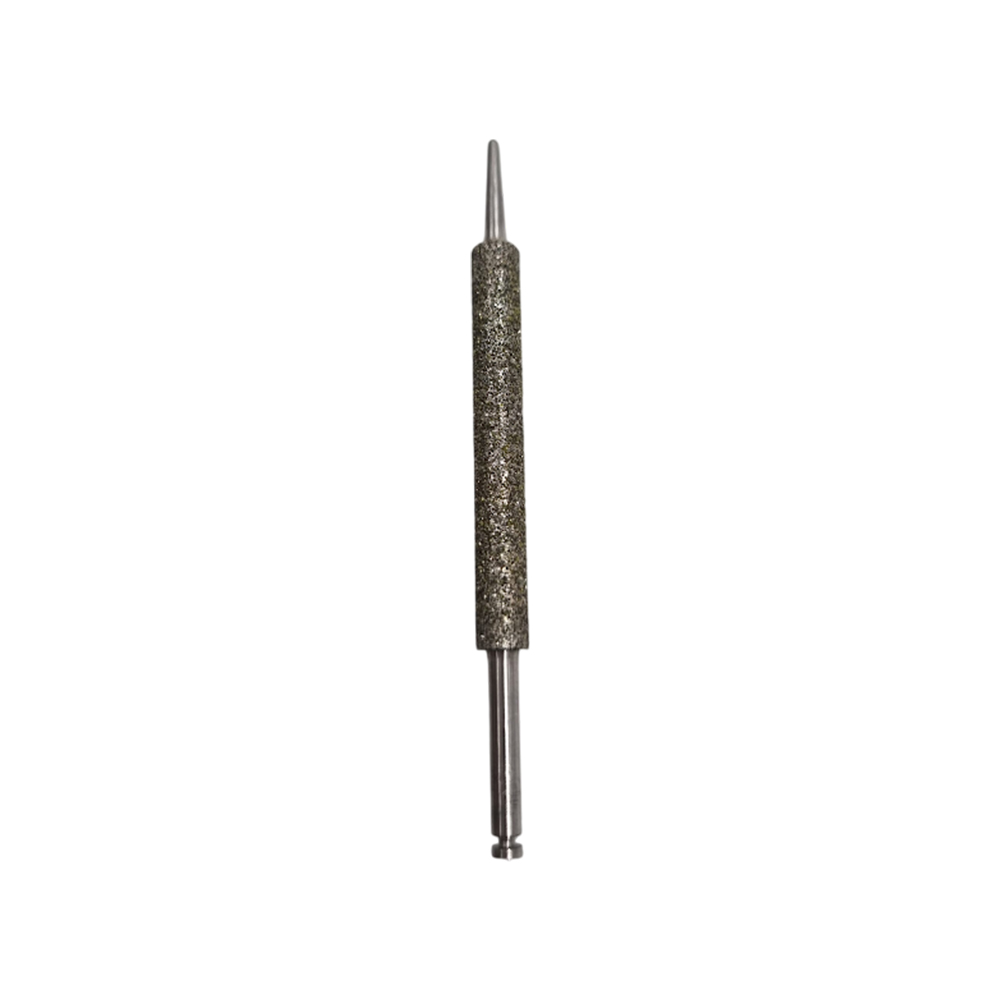
Specialized diamond drill ensures precise zygomatic implant placement and sinus corticotomy with enhanced accessibility
2503 3000
gold coin50
View Similar Products
NOTIFY ME
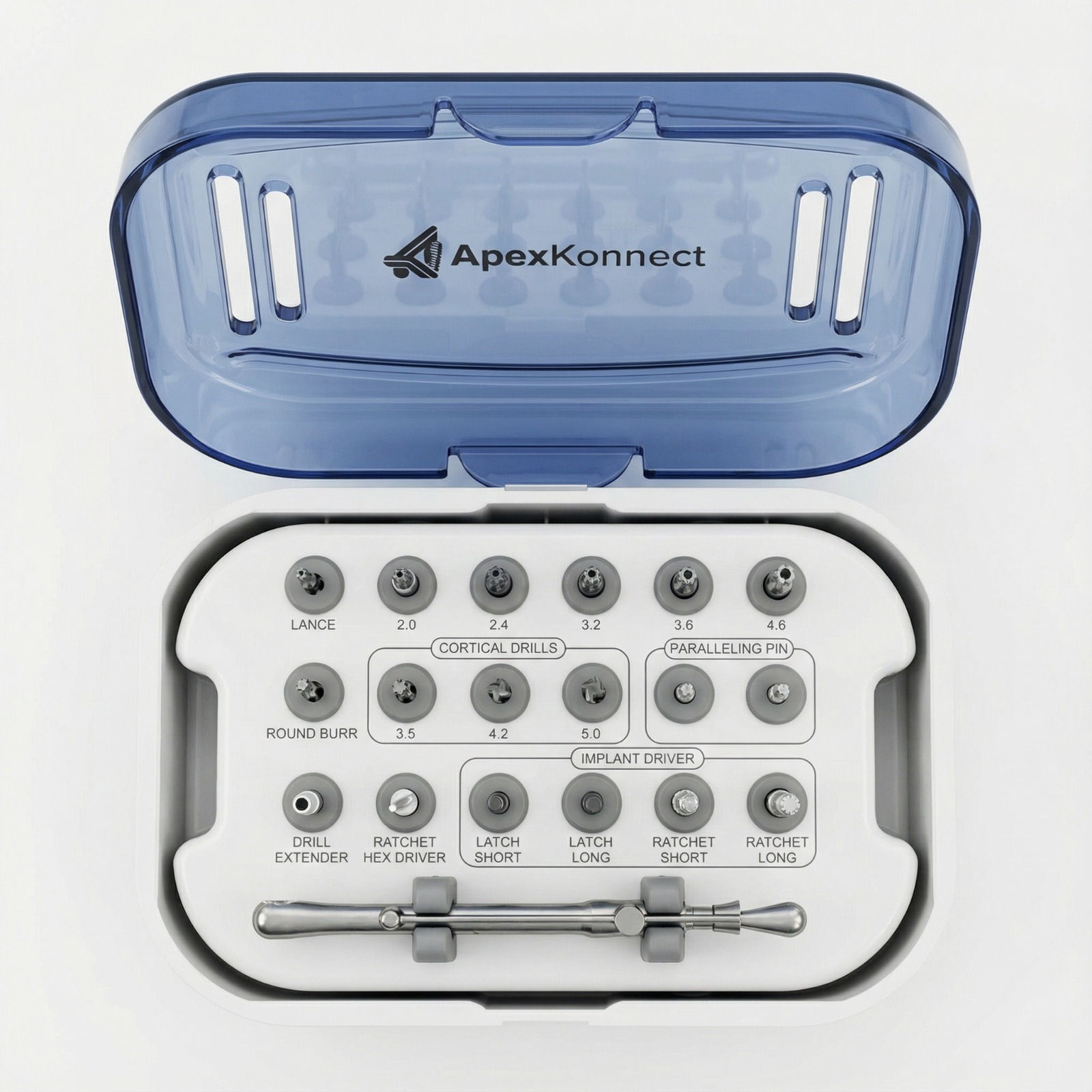
Comprehensive surgical kit with drills, drivers, and torque wrench for precise implant placement
48000 50000
gold coin1000
View Similar Products
NOTIFY ME
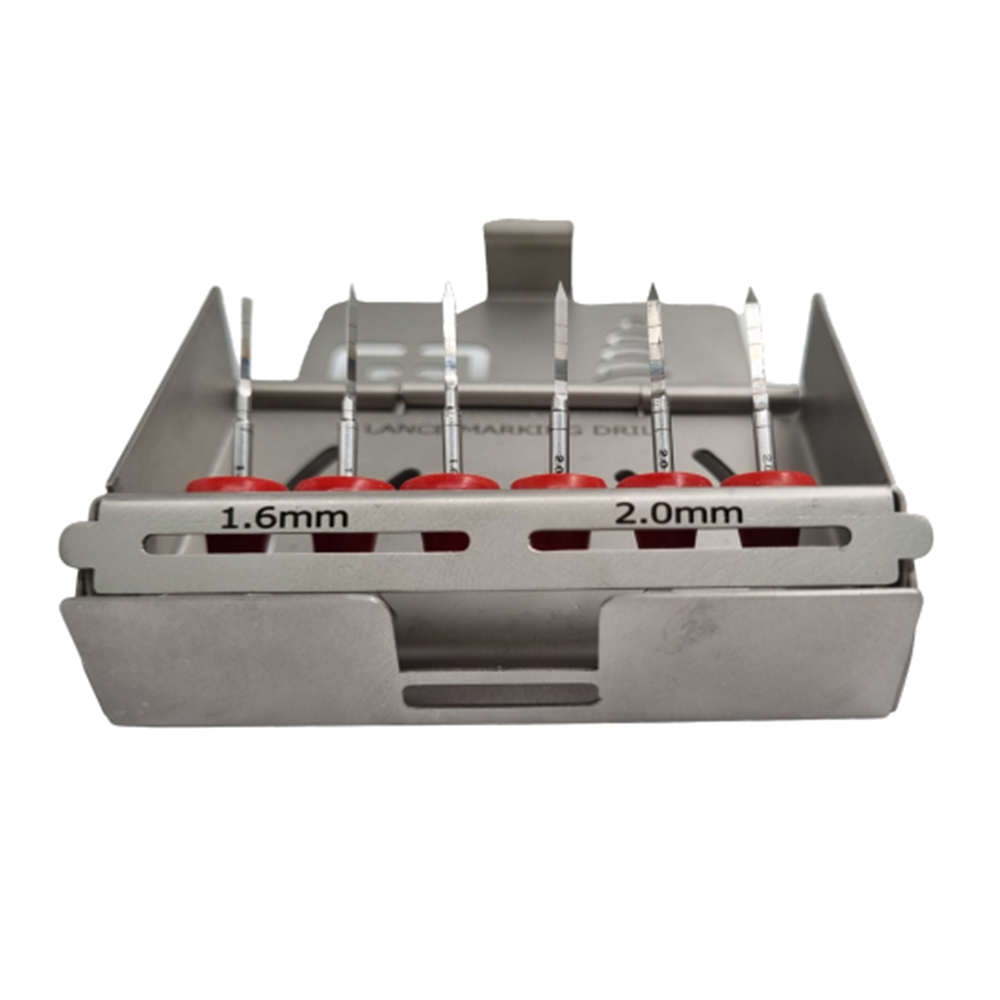
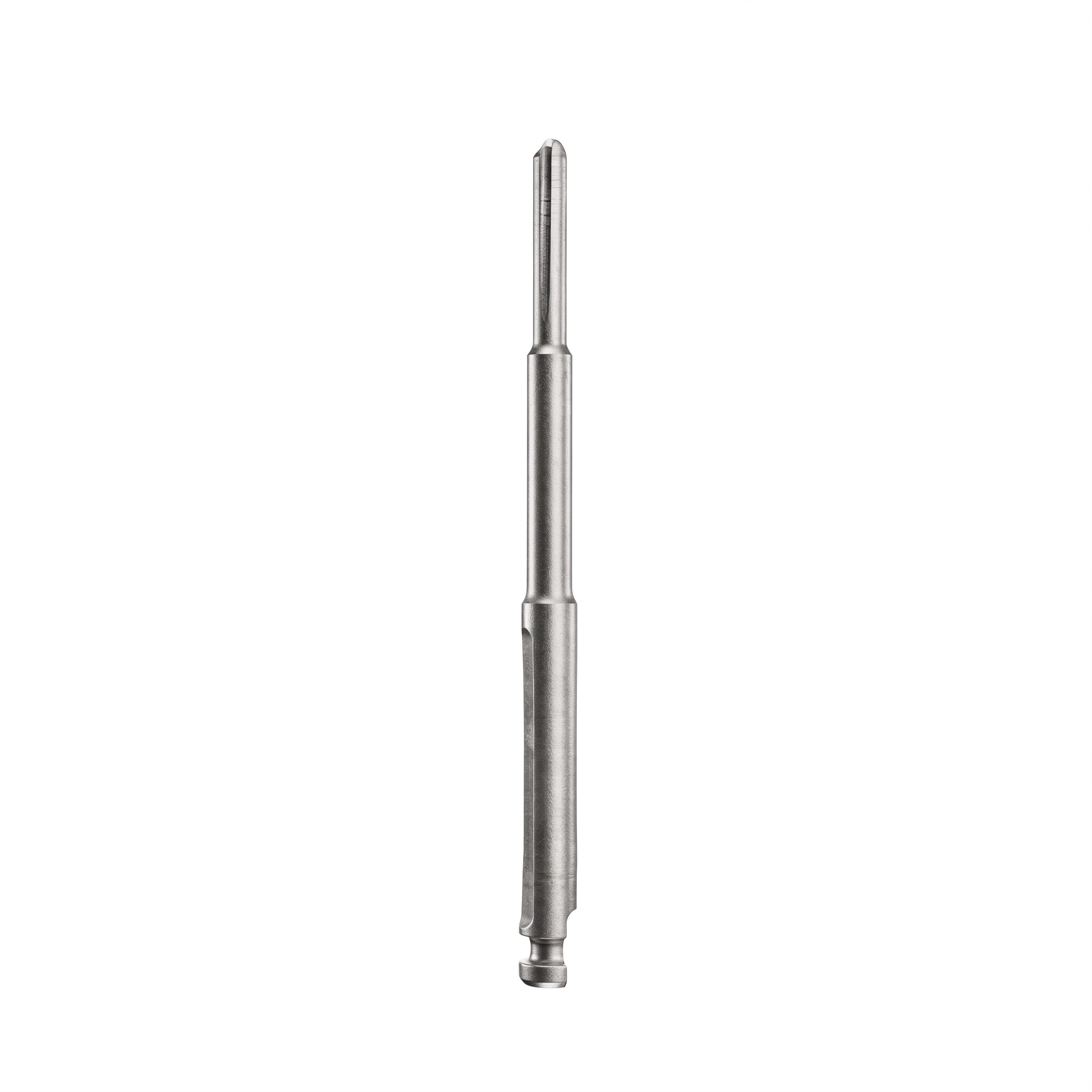
Lance drill for site preparation of implants
Starting at 1800
View Similar Products
NOTIFY ME
Micro trephine drill for precise bone harvesting in autogenous bone graft placement.
1495 1800
gold coin30
View Similar Products
NOTIFY ME
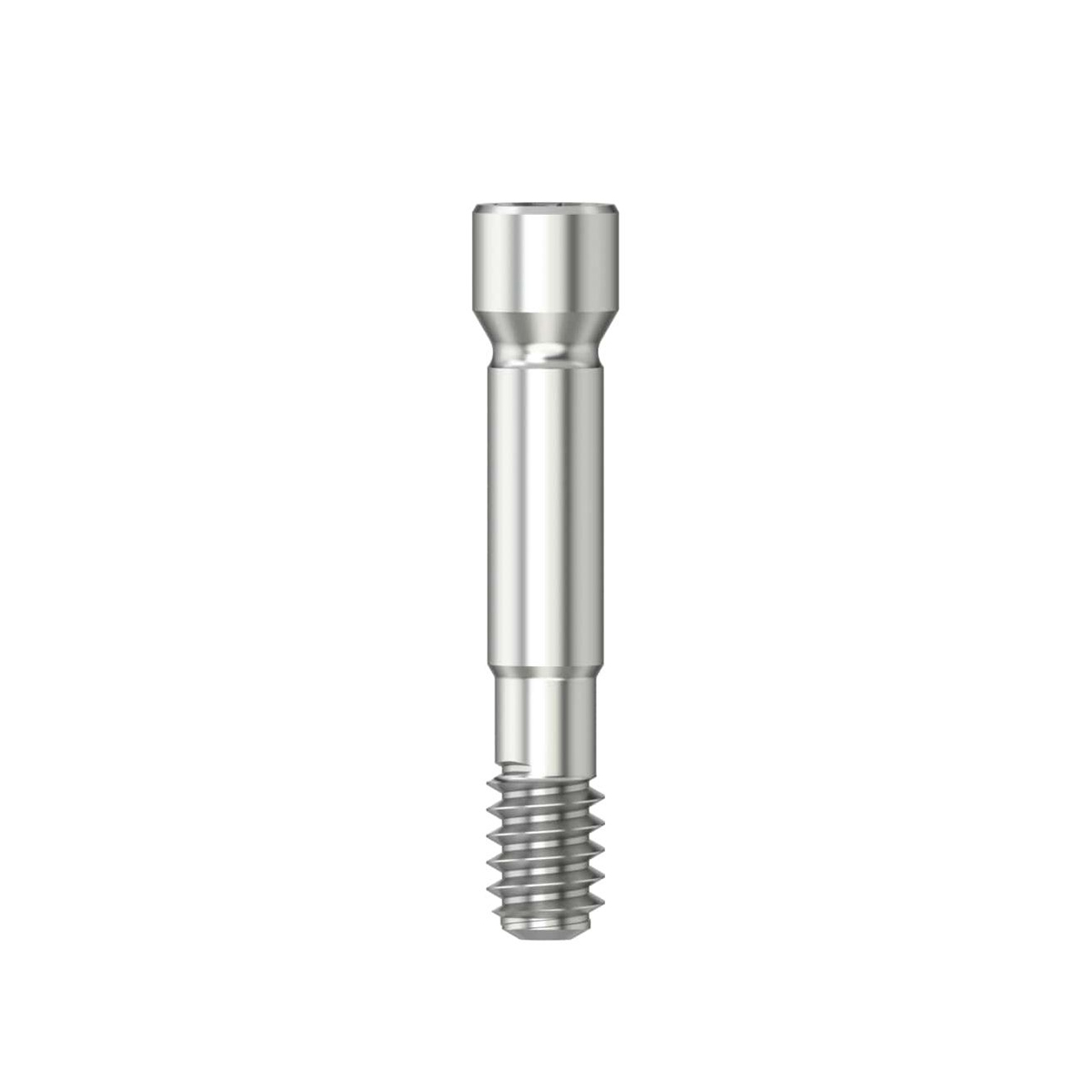
Titanium abutment screw ensures secure fixation for Neodent GM implants with reliable prosthetic stability
1190 5100
gold coin59
View Similar Products
NOTIFY ME
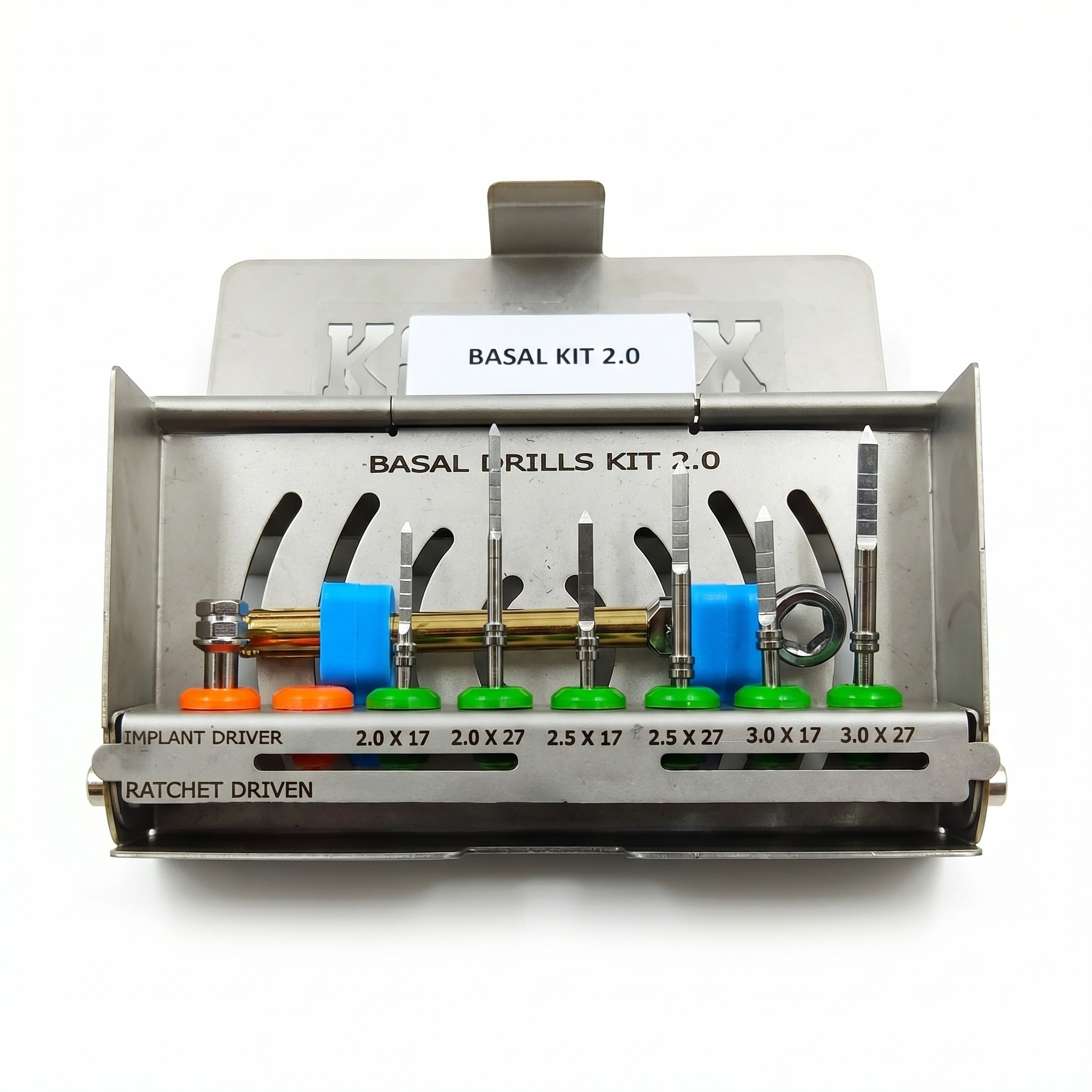
Premium basal implant kit with six drills, ratchet, driver, and autoclavable box for precise surgeries
Starting at 10995
View Similar Products
Filters
Sort By
Recommended
Stay Connected
15k+

Followers

ABOUT
Contact Us
About Us
Careers
CONTACT US
Investor Relations
Dealer Price Bulk Inquiry
Waldent Dealership
Sell on Dentalkart
HELP
Orders
Refunds
Payments
Rewards
POLICY
Return Policy
Terms of Use
Privacy
Sitemap
Our Warehouses: Gurugram, Delhi, Chennai.

2016-2026, VASA DENTICITY LIMITED

Crafted with in India

Our Payment Partners
gpay
paytm
rupay
phonepe
visa
masterCard
like
4.5
Average online rating