





Instrument Removal System
4.2
An instrument removal system is an endodontic tool set that retrieves a separated or fractured file from a root canal. It combines straight and curved nerve-canal pliers, a microtube broken-tool-remover pen, and endo file retrieval forceps from GDC, Cerkamed, and Julldent. Pliers grip a coronally exposed fragment; the microtube pen locks onto deeper, buried separations.
Sort by - Recommended
 Recommended
 Price- High to LowPrice- Low to High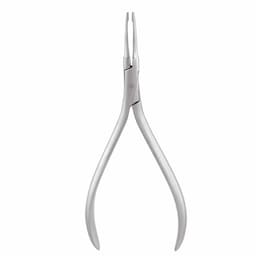
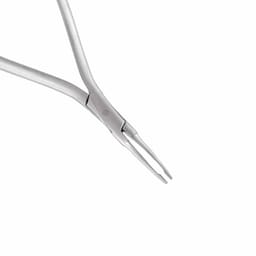
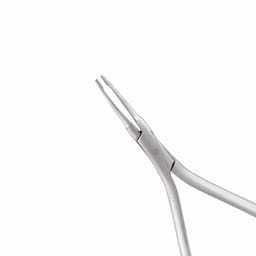
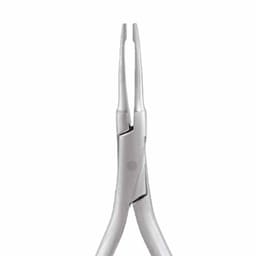
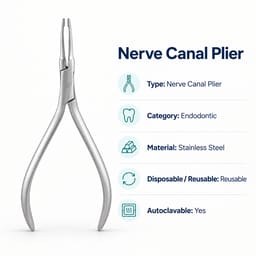
Only 3 Left
It is used for grasping broken endodontic instruments and root fragments
₹ 1380₹ 2520
45.24% Off
 28
28View Similar Products
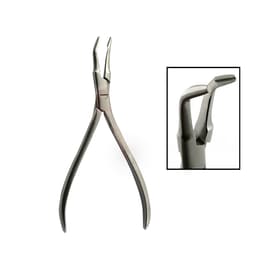
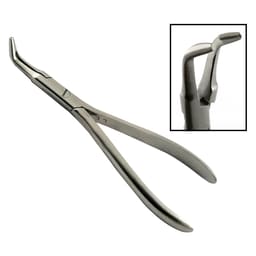
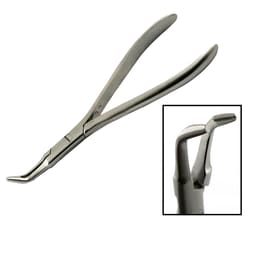
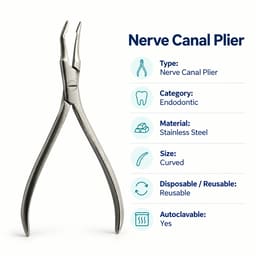

Only 3 Left
It is used for grasping broken endodontic instruments and root fragments
₹ 1380₹ 2520
45.24% Off
28View Similar Products
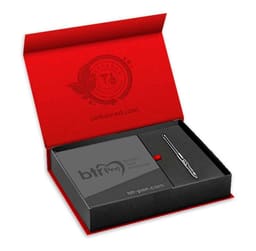
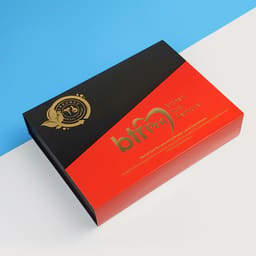
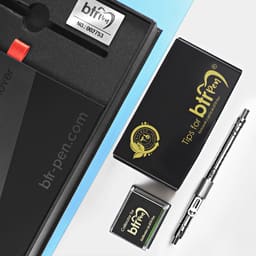
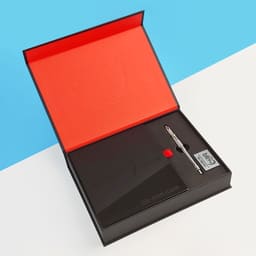
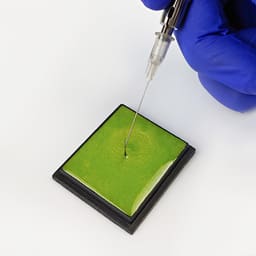
BTR Pen makes the removal of broken dental instruments a predictable, universal and repeatable procedure.
₹ 79785₹ 90000
11.35% Off
798View Similar Products
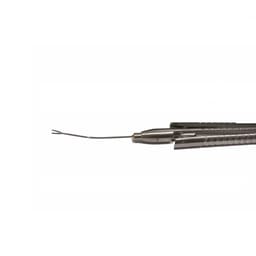
Endo File Retrieval Forceps ensure precise, durable, and autoclavable performance for efficient RCT procedures.
₹ 3500
70View Similar Products

★ 4.2
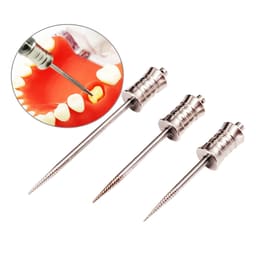
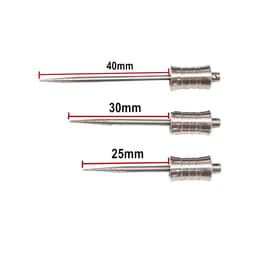
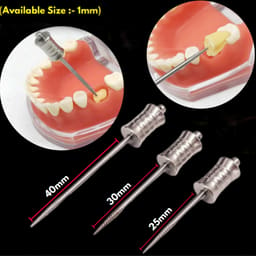
(6)Minimally invasive system enables quick, precise root tip removal with minimal tissue trauma
₹ 1795₹ 2999
40.15% Off
18View Similar Products
Filters
Sort By
RecommendedInstrument removal system
An instrument removal system is a set of endodontic tools for taking a separated file out of a root canal. During canal shaping, a fine rotary or hand file can fatigue and fracture, leaving a fragment behind. These tools grasp, loosen, or lasso that fragment so it can be lifted out and treatment can continue.
Why a separated file has to come out
A fractured file blocks the canal below the break, so the canal cannot be cleaned or sealed past it. Left in place, it can trap infected tissue and cause the root treatment to fail. A removal system gives a controlled way to engage the fragment and free it, rather than drilling the canal wider and weakening the root. It works on fragments left by both hand files and rotary files.
The tools in a removal system
Stock here covers the main approaches to a stuck fragment:
- Nerve-canal pliers — fine straight or curved beaks (the GDC Rfes and Rfec) that grip a fragment when part of it is reachable in the coronal canal.
- Broken-tool-remover pen — the Cerkamed BTR Pen, a microtube system that slides over the fragment and locks onto it for a straight pull.
- Retrieval forceps — the Julldent endo file retrieval forceps, thin forceps for grasping a loose or partly freed fragment.
Which one fits depends on where the fragment sits and how much of it is exposed — most often a fragment left by a hand K-file or a rotary instrument.
Points to check before buying
A removal system is used in tight, deep canals, so reach and grip decide how well it works:
- Access depth — pliers and forceps suit a fragment with a coronally accessible end; a microtube pen reaches deeper, engaged fragments.
- Straight or curved — a curved beak follows a canal curvature that a straight tip cannot.
- Grip mechanism — jaw grip for exposed ends, a locking microtube for buried fragments.
- Build — fine, hardened stainless steel that keeps a precise tip, matching the standard of an endo motor setup on the same tray.
When it is reached for during a case
The system comes out the moment a file separates mid-treatment, before the canal is shaped further. The tooth is isolated, coronal access to the fragment is opened, and the right tool is chosen for its depth. It sits alongside the hand K-files and rotary systems within the broader endodontics range a clinician uses through the rest of the root canal.
Which retrieval brands are stocked
Three brands are stocked: GDC's straight and curved nerve-canal pliers, Cerkamed's microtube broken-tool-remover pen, and Julldent's endo file retrieval forceps. Between them they cover both shallow, exposed fragments and deeper, buried ones.
Frequently Asked Questions (FAQs):
What is an instrument removal system used for?
An instrument removal system is used to retrieve a file that has separated or broken inside a root canal. It grips or engages the fractured fragment so it can be drawn out without cutting away healthy tooth. It is reached for whenever an endodontic file fractures during canal shaping.
How do you remove a separated file from a canal?
First isolate the tooth and open coronal access so the top of the fragment is visible. If an end is reachable, grip it with nerve-canal pliers or retrieval forceps and ease it out. For a deeper, buried fragment, a microtube broken-tool-remover pen slides over the piece, locks on, and pulls it straight out.
What is a BTR pen?
A BTR (broken-tool-remover) pen is a microtube retrieval device for fragments too deep to grasp with pliers. Its fine tube is threaded over the exposed end of the broken file, then tightened so it grips the fragment for a straight, controlled pull. It suits deeper separations where jawed instruments cannot reach.
Nerve-canal pliers or a BTR pen — which do I need?
Choose nerve-canal pliers or forceps when part of the fragment is accessible in the coronal canal and can be gripped directly. Choose a BTR pen when the fragment is deeper and needs a microtube slid over it. Many clinics keep both, since the right choice depends on how deep the separation sits.
Which brands of instrument removal system are available?
The instrument removal tools stocked here are from GDC, Cerkamed and Julldent. GDC supplies straight and curved nerve-canal pliers, Cerkamed the BTR broken-tool-remover pen, and Julldent endo file retrieval forceps. Between them they cover shallow, exposed fragments and deeper, buried ones.