

Elastic Ligature Applicator
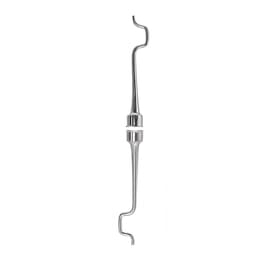
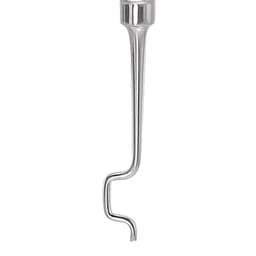
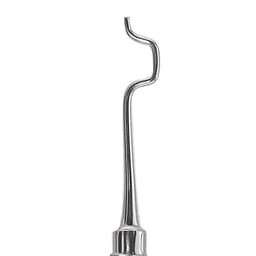
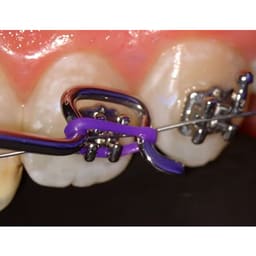
An elastic ligature applicator is a hand instrument that stretches and seats an elastomeric module (o-ring) over a bracket to hold the archwire in place. The tip carries the ring, guides it under all four bracket wings, and releases it. GDC, Penta and U-Ortho make metal and plastic placers for routine orthodontic tie-in and change appointments.
 Recommended
 Price- High to LowPrice- Low to High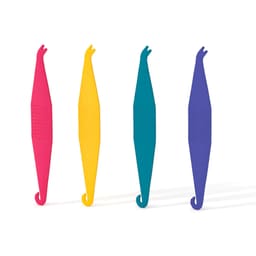


 5
5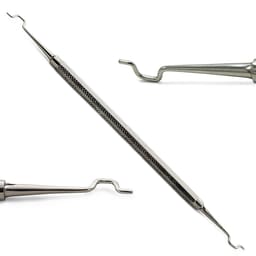
 7
7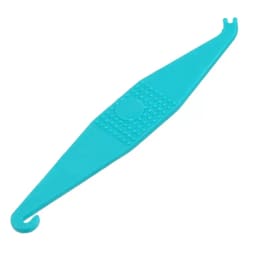
 5
5Elastic ligature applicator
An elastic ligature applicator is a small orthodontic hand instrument. It places elastomeric modules onto brackets. The module is the tiny rubber o-ring that clips the archwire into the bracket slot. The tool stretches that ring and drops it over the bracket wings, one tooth at a time.
The job it does chairside
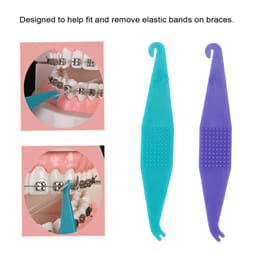
At every tie-in and archwire change, each bracket needs an o-ring seated over its wings to trap the wire. Doing this by hand with fingers or a probe is slow and imprecise. The tool holds one ligature tie module on its notched tip. It carries the ring to the tooth, stretches it, and lets it snap around all four wings. This speeds up a repetitive step and keeps the ring from pinging off mid-placement.
Metal vs plastic placers
Two builds are stocked, and they suit different needs:
- Metal placer — a stainless steel instrument with a hooked or notched working end, autoclavable and reused across cases. The GDC #674 is this type.
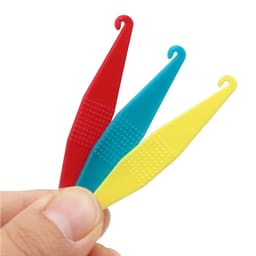
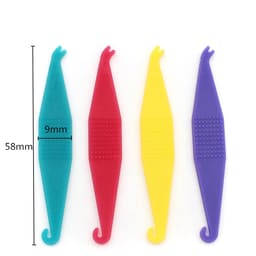
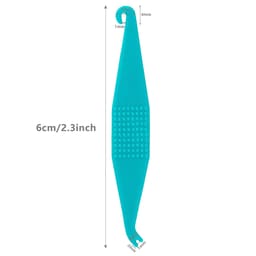
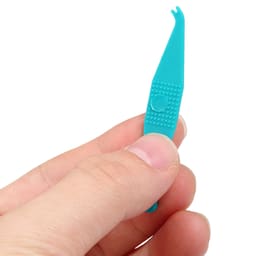
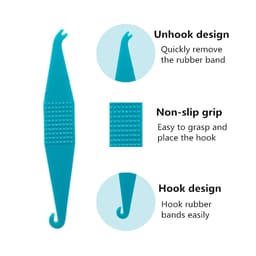
- Plastic placer — a lightweight disposable or semi-disposable tool, often sold in packs (the U-Ortho pack of 10). Handy for chairside kits and single-patient use.
A clinic that does high ortho volume usually keeps a metal placer on the tray and a pack of plastic ones as backups.
What to look at before buying
A placer is used dozens of times per bracket-up appointment, so the working tip matters most:
- Tip shape — a clean notch or hook that grips the o-ring without dropping it during the stretch.
- Reach — a slim head that gets to posterior brackets and lingual surfaces without crowding.
- Reusable or pack — a single autoclavable metal instrument, or a multi-pack of plastic placers for disposable use.
- Handle — a grip that stays steady through a full arch of ties. Pairs naturally with the rest of a set of orthodontic pliers on the bonding tray.
Where it sits in the ortho tray
The placer is one of the small tie-in tools an orthodontist keeps within reach. It sits alongside the modules themselves and the separators used earlier in treatment. It belongs to the wider run of orthodontic dental instruments that a fixed-appliance practice restocks regularly.
Brands in this range
The placers here come from GDC, Penta and U-Ortho — covering a reusable stainless steel applicator, an ortho elastic placer, and a value pack of plastic placers for disposable chairside use.
Frequently Asked Questions (FAQs):
What is an elastic ligature applicator used for?
An elastic ligature applicator is used to place elastomeric modules, the small rubber o-rings, onto orthodontic brackets. It stretches each ring and seats it over the bracket wings so the ring holds the archwire in the slot. It is used at every tie-in and archwire-change appointment during fixed-appliance treatment.
How does an elastic module placer work?
An elastic module placer works by holding a stretched o-ring on a notched or hooked tip. The clinician carries the ring to the bracket, hooks it under one wing, stretches it across, and releases it so it snaps around all four wings. The tip grip stops the ring pinging off before it is seated.
What is the difference between a metal and a plastic placer?
The difference is reuse and weight. A metal placer is a stainless steel instrument that is autoclaved and used across many patients. A plastic placer is lightweight, often sold in packs, and used as a disposable or single-patient tool. Both do the same seating job; the choice is about sterilisation workflow and cost per use.
Can it also remove elastic ligatures?
Some placers help lift a module off a bracket, but modules are usually removed with a scaler or a dedicated ligature-removal tool rather than the placer. The applicator's tip is shaped to stretch and seat a ring, not to cut or unhook a worn one, so removal is often a separate step.
Which brands of elastic ligature applicator are available?
The range includes GDC, Penta and U-Ortho. GDC supplies a reusable stainless steel applicator (#674), Penta an ortho elastic placer, and U-Ortho a pack of ten plastic placers for disposable use. Between them they cover reusable and single-use options for a fixed-appliance practice.