





Orthodontic Instruments
4.6
Orthodontic instruments are the hand tools of fixed-appliance treatment — pliers that place and bend arch wire, cutters that trim it, and tools that seat bands and remove brackets. Stocked in stainless steel from Waldent, GDC, and Koden, they are grouped by job: wire placement, wire forming, cutting, and band or bracket work. Each is reusable and autoclavable, sold singly or in a kit.
Sort by - Recommended
 Recommended
 Price- High to LowPrice- Low to High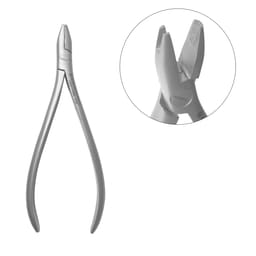

Only 4 Left
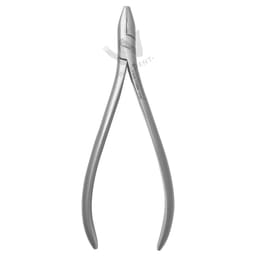
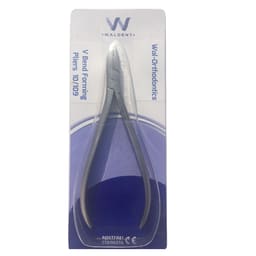
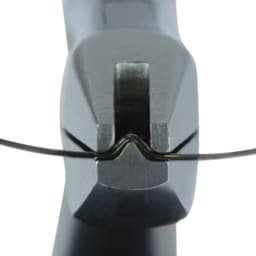
Precision V-bend forming plier for creating accurate orthodontic archwire bends with excellent control and consistent wire adaptation
₹ 1350₹ 1980
31.82% Off
 65
65View Similar Products

★ 4.0
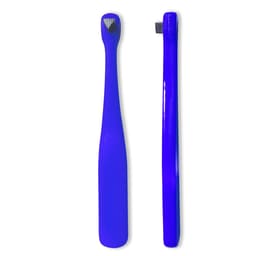
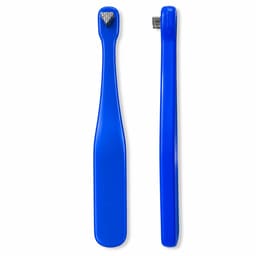
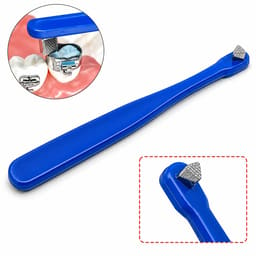
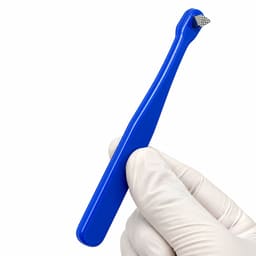
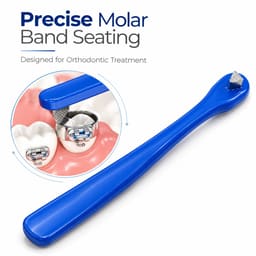
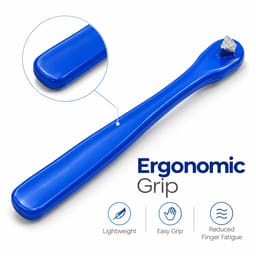
(1)Band Seater with stainless steel tip for seating the molar bands
₹ 110₹ 300
63.33% Off
5View Similar Products
Gift At ₹1
★ 2.0
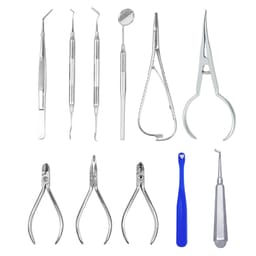
(1)Compilation of different instruments for specific orthodontic treatment
₹ 7125₹ 16000
55.47% Off
143View Similar Products
★ 4.7
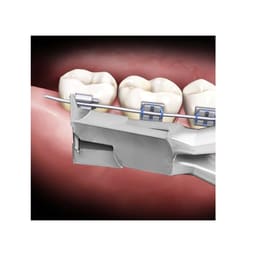
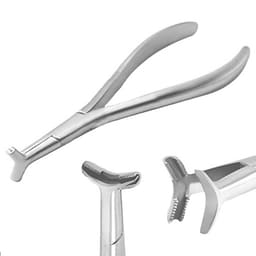
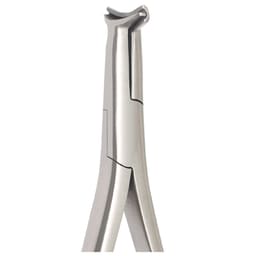
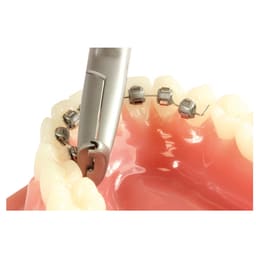
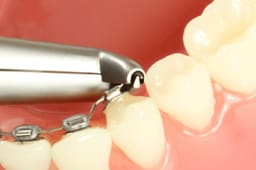
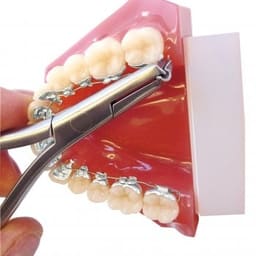
(3)The Distal Cinch Back Plier is used for cinching the wire behind the buccal tube with one squeeze after wire is ligated.
₹ 1350₹ 1900
28.95% Off
65View Similar Products
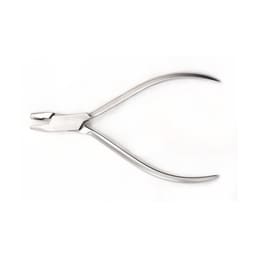
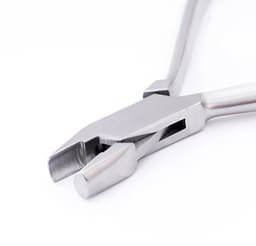
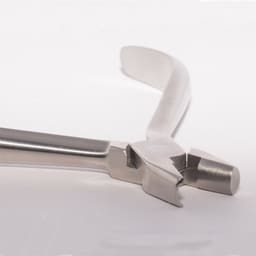


Precision orthodontic plier for accurately contouring and adapting bands to tooth anatomy during fixed orthodontic procedures
₹ 950₹ 1980
52.02% Off
45View Similar Products
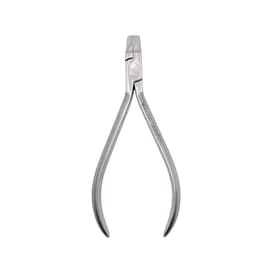
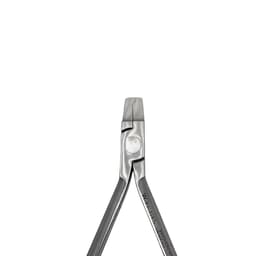
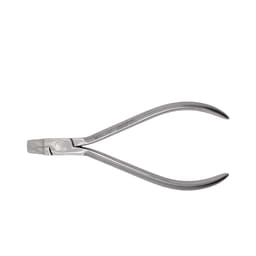
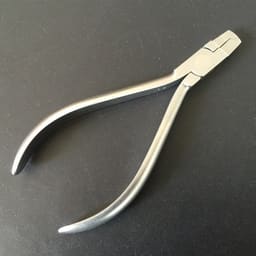
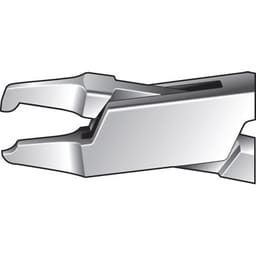
Precision crimping plier for adapting stainless steel crowns and orthodontic bands at the gingival margin
₹ 945₹ 1700
44.41% Off
45View Similar Products
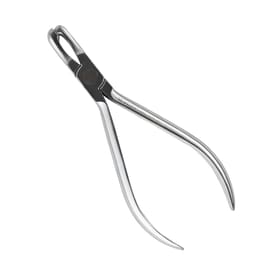
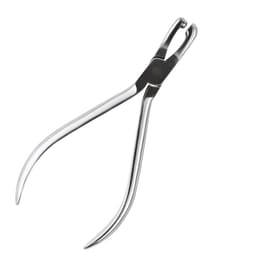
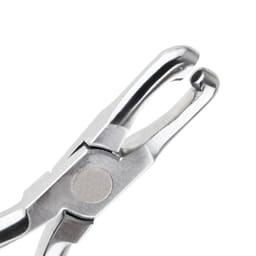
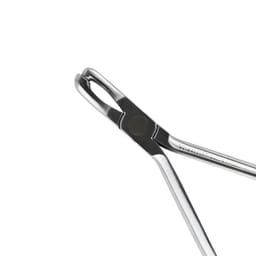
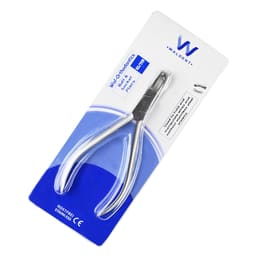
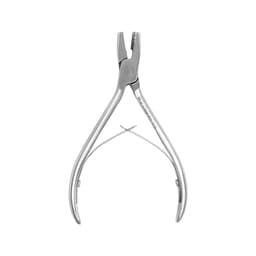
Waldent Ball & Socket Pliers for orthodontic wire manipulation and stainless-steel crown contouring during clinical procedures
₹ 1050₹ 1700
38.24% Off
50View Similar Products


★ 5.0
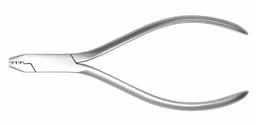
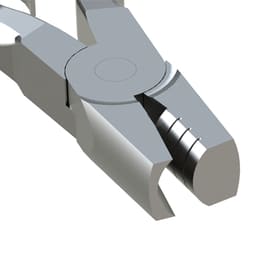
(1)Three-groove De La Rosa plier for controlled orthodontic archwire contouring, forming, and precise adjustment without unwanted torque
₹ 885₹ 1980
55.30% Off
40View Similar Products
Filters
Sort By
RecommendedOrthodontic Instruments
Fixed-appliance orthodontics runs on a small set of specialised hand instruments, each shaped for one step of wire and bracket work. A tray typically holds a wire-placement plier, one or two bending pliers, a cutter or two, and the tools for seating bands and removing brackets. Grouping them by job — placing, forming, cutting, band work — is the quickest way to build or restock a tray. Everything here is a reusable, autoclavable steel instrument.
Pliers for placing and forming wire
The pliers split by whether they hold wire or shape it:
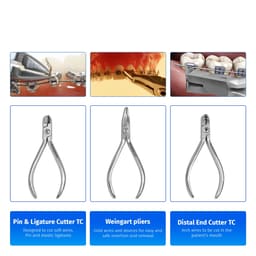
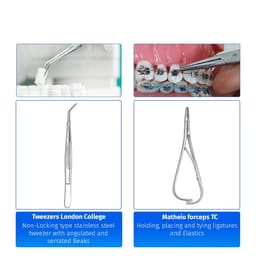
- Weingart / universal — grips and places the arch wire into brackets and tubes; the everyday wire-handling plier, such as the universal plier.
- Bird-beak and three-prong — put loops, V-bends, and adjustment bends into round and rectangular wire.
- De La Rosa and band-contouring — contour band and wire to the tooth.
- Optical, How, and Adams — fine-tip holding pliers for delicate and appliance work.
A universal plier holds and places; a bird-beak forms — the split decides which plier does each step.
Cutters — distal end, ligature and hard wire
Cutting is kept to dedicated instruments so the placing pliers stay unmarked:
- Distal-end cutter — trims the wire flush behind the last molar tube and holds the cut end.
- Pin and ligature cutter — snips ligature ties and thin pins close to the bracket, as in the pin and ligature cutter range.
- Hard-wire cutter — cuts heavier stainless and beta-titanium wire that would blunt a ligature cutter.
Matching the cutter to the wire gauge keeps the edge sharp and the cut clean.
Band and bracket instruments
The tools that seat the hardware and take it off again:
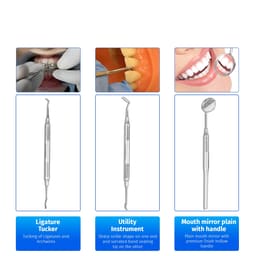
- Band seater / pusher — drives a molar band down onto the tooth to the gingival margin.
- Band-removing plier — lifts a cemented band off without distorting it.
- Bracket remover — shears a bonded bracket cleanly off the enamel at debond.
- Ligature tucker — tucks the twisted ligature end in so it does not irritate the cheek.
These seat and remove the molar bands that anchor the appliance.
Kits and buying for a practice
For a new setup or a full restock, a graded kit is quicker than sourcing pliers one by one. When buying, the same points apply across every instrument: surgical-grade stainless steel, a precisely machined box joint on jointed pliers, and clean cutting edges or serrations. These decide how many autoclave cycles an instrument survives, which matters more than the sticker price on a tool used every day. Band and bracket tools sit alongside the molar buccal tubes and other appliance parts they work with.
Frequently Asked Questions (FAQs):
What instruments does fixed orthodontic treatment use?
Fixed treatment uses pliers to place and bend arch wire, cutters to trim it, and tools to seat bands and remove brackets. A basic tray holds a Weingart plier, a bending plier such as a bird-beak, a distal-end cutter, a ligature cutter, and a band seater. Kits bundle these for a new practice.
Bird-beak, Weingart or distal-end cutter — which does what?
They cover three different jobs. A Weingart (universal) plier grips and places the arch wire; a bird-beak plier forms loops and bends in the wire; a distal-end cutter trims the wire flush behind the last molar tube. One places, one shapes, one cuts — most trays carry all three.
Which cutter suits which wire?
Match the cutter to the wire it meets. A pin and ligature cutter snips thin ligature ties and pins; a distal-end cutter trims the working arch wire behind the tube and holds the offcut; a hard-wire cutter handles heavy stainless and beta-titanium that would blunt a finer cutter. Using the wrong cutter dulls the edge.
Is an ortho kit or single pliers the better buy?
An ortho kit makes sense for a new clinic or a full retray — it lands the Weingart, bird-beak, distal-end cutter, and ligature cutter together in one order. Ordering singles makes sense once the set exists, to replace a worn cutter or add one specific bending plier. A typical path is a starter kit, then singles as tools wear.
Which orthodontic pliers and cutters wear out first?
Cutting instruments dull before holding ones, so distal-end and ligature cutters are the usual first replacements, especially if they meet wire heavier than they are rated for. On jointed pliers, a loose box joint from skipped lubrication is what ends them rather than the steel. Oiling the joint each autoclave cycle and matching each cutter to its wire gauge stretch the working life.