





Ligature Tying Plier
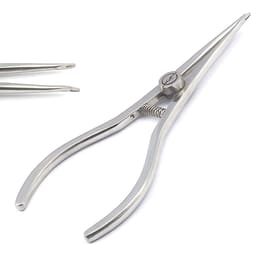
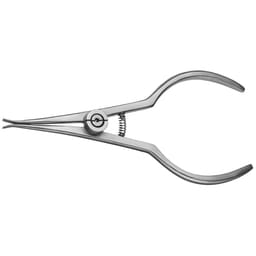
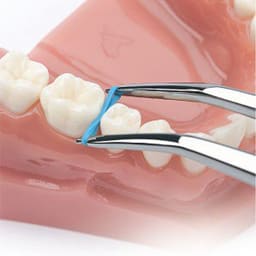
A ligature tying plier is an orthodontic plier used to twist a steel ligature wire around a bracket and secure the archwire. Its fine, grooved beaks grip the wire ends and turn them into a tight, tidy tie. GDC supplies a ligature tying plier for chairside use during fixed-appliance placement and adjustment appointments.
 Recommended
 Price- High to LowPrice- Low to High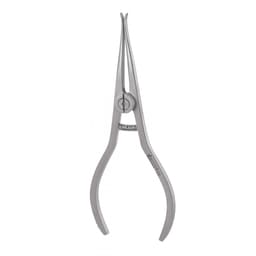
Only 3 Left
 31
31Ligature tying plier
A ligature tying plier is a hand plier for fixed braces. It twists a fine steel ligature around a bracket so the wire keeps the archwire seated in its slot. The narrow beaks grip both wire ends and rotate them into a neat, tight twist.
How it ties a wire ligature
A steel ligature is a short length of soft wire looped around the bracket wings. The plier's grooved beak tips pinch the two free ends together and, with a twist of the wrist, wind them into a pigtail. That twist locks the archwire against the bracket. The excess pigtail is then trimmed and folded away, so a tying plier works hand in hand with the ligature tucker that tidies the tail.
Steel ligatures vs elastic modules
Two ways exist to hold an archwire, and the tying plier belongs to the steel route:
- Steel wire ligature — twisted on with this plier; firmer, more secure, and preferred where full control of the wire is needed.
- Elastic module — a rubber o-ring seated by an applicator; faster but with less grip.
Where an elastic ligature tie is quick to place, a steel ligature twisted with this plier gives a tighter, longer-lasting hold on the working wire.
Points to check before buying
The plier is used repeatedly and grips very fine wire, so the beaks and joint matter:
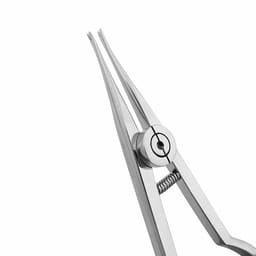
- Beak tips — fine, grooved tips that grip thin steel wire without letting it slip during the twist.
- Joint — a smooth box joint that keeps the tips aligned through many ties.
- Handle — a comfortable grip for a full arch of ligatures in one visit.
- Build — hardened stainless steel that stays sharp and autoclaves cleanly, like the run of ortho orthodontic pliers a clinic keeps on the tray.
Its place on the adjustment tray
The tying plier handles the securing step: it twists the ligature on, then the pigtail is snipped and the tail folded away. It is one of the core wire-handling tools in a practice's orthodontic dental instruments.
Brand in this range
The ligature tying plier here is the GDC 3000/210 — a fine-beak stainless steel plier made for twisting steel ligatures during fixed-appliance treatment.
Frequently Asked Questions (FAQs):
What does a ligature tying plier do?
It twists a steel ligature wire around an orthodontic bracket to lock the archwire into the slot. The fine grooved beaks grip both wire ends and turn them into a tight pigtail. Orthodontists reach for it whenever steel ligatures are placed during fixed-appliance treatment.
How do you use a ligature tying plier?
Loop the steel ligature around the bracket wings, then pinch both free ends in the grooved beaks. A steady rotation of the plier winds the ends into a pigtail that holds the wire down. Trim the excess and tuck the short stub under the archwire. With practice each bracket takes only a few seconds.
Should I use steel ligatures or elastic modules?
Choose steel where you need a firm, secure hold with full control of the wire, since a twisted steel ligature grips tighter and lasts longer. Choose elastic modules when speed matters on routine ties, as an o-ring seats faster but grips less. Many clinicians use both, matching the tie to the tooth.
What should I check before buying a ligature tying plier?
Check that the beak tips are fine and grooved so they grip thin steel wire without slipping, that the box joint is smooth and keeps the tips aligned, and that the plier is hardened stainless steel so it autoclaves cleanly and stays sharp. A comfortable handle helps over a long list of ties.
Is the GDC ligature tying plier any good?
The GDC 3000/210 is a fine-beak stainless steel tying plier built for everyday fixed-appliance work. It grips thin ligature wire securely, twists it into a clean pigtail, and holds up to repeated autoclaving. For a clinic placing steel ligatures regularly, it covers the job as a dependable single-instrument choice.