

Needle Holder & Ligating Pliers
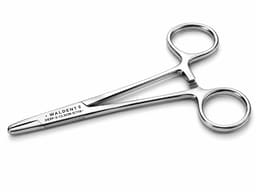
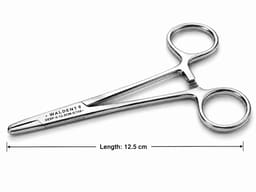
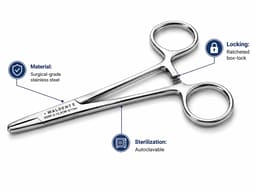
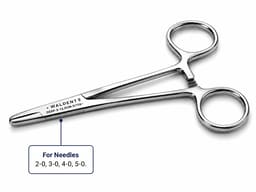
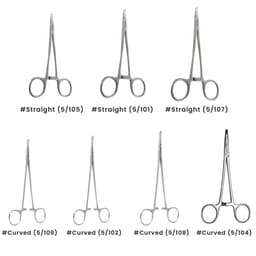
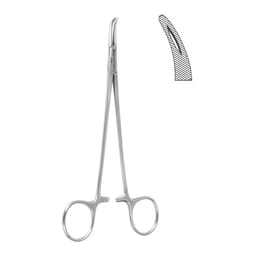
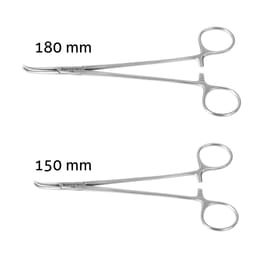
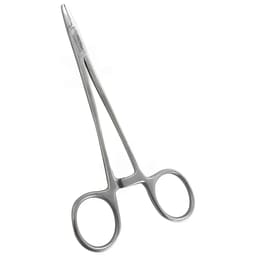
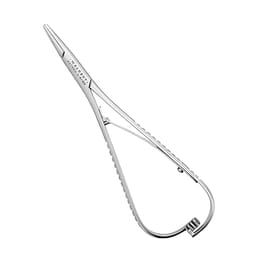
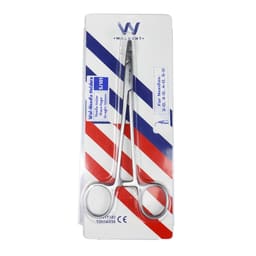
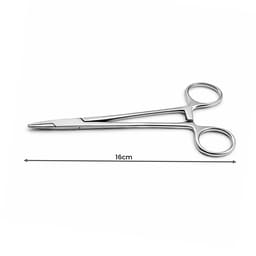
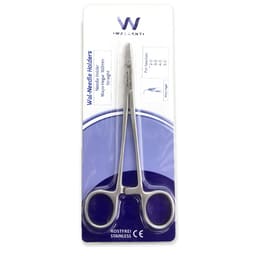
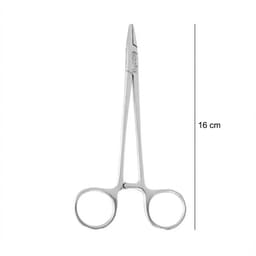
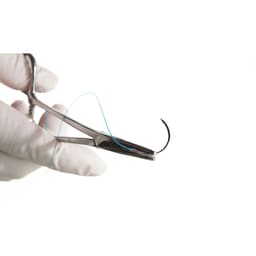
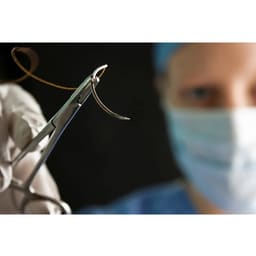
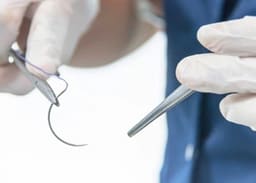
A needle holder is a locking instrument with short, cross-hatched jaws that grip a suture needle and drive it through tissue without slipping. A ligating (Mathieu) plier shares that ratcheted body but is used to place and tie steel ligatures around brackets. This category covers both, in Mayo-Hegar, Crile-Wood, Derf, Castroviejo, Olsen-Hegar, and Mathieu patterns, many tungsten-carbide.
 Recommended
 Price- High to LowPrice- Low to High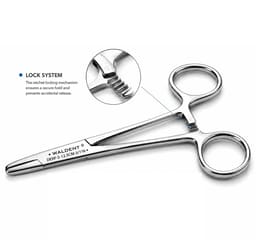
Only 1 Left
 19
19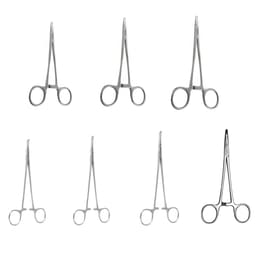






 15
15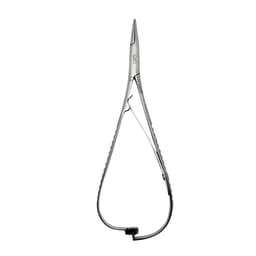
 40
40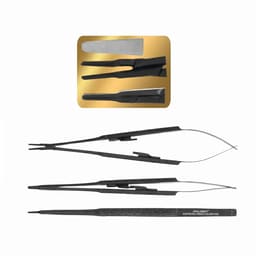
Only 3 Left
31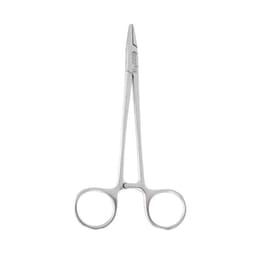

 9
9Needle Holder & Ligating Pliers
Two jobs share one instrument family here. Suturing needs a tool that grips a curved needle firmly and turns it through tissue without the needle twisting in the jaws — that is a needle holder, with short, stout, cross-hatched jaws and, on most patterns, a ratchet that locks the needle in place. Tying steel ligatures in orthodontics needs a similar locking body with a curved tying beak — that is a Mathieu, or ligating, plier. The two are grouped because they are built alike and both lock onto what they hold; the difference is the needle versus the ligature. In a practice's kit they fall on the surgical and tie-in side, grouped here with the other orthodontic instruments.
Needle-holder patterns
Suturing needle holders come in patterns that differ by jaw, size, and extra function:
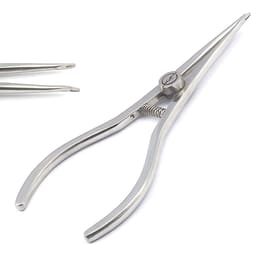
- Mayo-Hegar — the general-purpose holder, a ratcheted ring-handle instrument for routine suturing in straight and curved forms.
- Crile-Wood — finer jaws than the Mayo-Hegar for more delicate suturing.
- Derf — a short holder for fine, close work such as intraoral suturing.
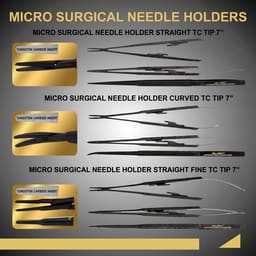
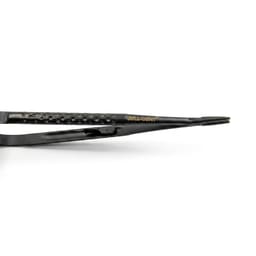
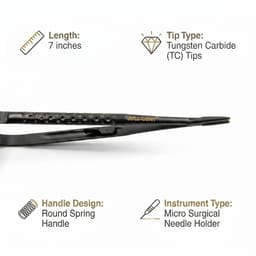
- Castroviejo — a spring-handle, lock-release micro holder for the finest sutures in surgery and implantology.
- Olsen-Hegar — a holder with built-in scissors, so the same tool grips the needle and cuts the suture.
- Halsey — a compact holder for small-needle work.
A clinic picks the pattern by the suture size and the setting — a Mayo-Hegar for general use, a Castroviejo or Derf for fine intraoral work. All of them drive the needle used with the sutures a practice places after a procedure.
The Mathieu / ligating side
The ligating pliers serve the orthodontic tie-in:
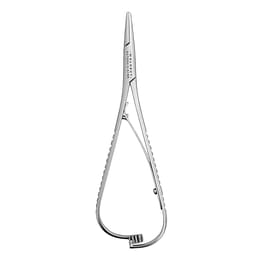
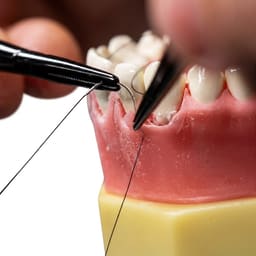
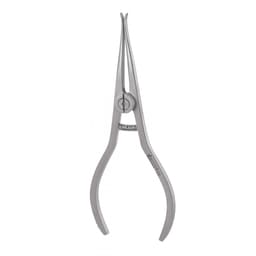
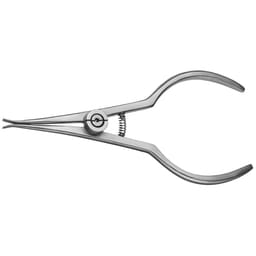
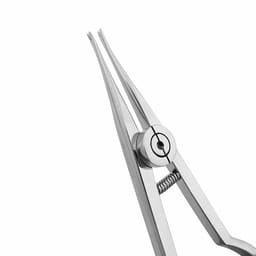
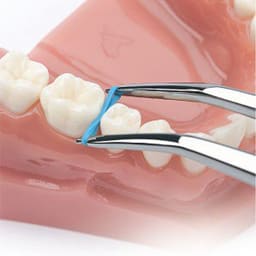
- Mathieu plier — a curved-beak, ratcheted instrument that places a steel ligature around a bracket and twists it tight in one hand.
- With or without ring — ring-handle and ringless Mathieu patterns to suit grip preference.
- Ligature tying plier — a dedicated tool for spinning and tightening the steel tie efficiently.
These set and twist the steel ligature ties that lock an arch wire into its bracket, while the needle holders take care of suturing.
Tungsten-carbide jaws and build
For an instrument that grips a hard needle or twists a steel tie, the jaws and lock decide its working life:
- Tungsten-carbide jaws — TC inserts, often gold-handled, bite the needle far more securely and shrug off the wear that dulls a plain-steel jaw.
- A secure ratchet — a lock that holds the needle or tie under load and releases cleanly, without slipping mid-suture.
- Cross-hatched jaw face — a fine waffle pattern that stops the needle rotating as it is driven.
A TC needle holder grips a fine needle where a worn steel jaw would let it spin, which is why high-volume and micro work favours carbide. Given routine care between cases, a good holder stays reliable — gripping and locking as it should — across many years of use.
Buy needle holders and ligating pliers at Dentalkart
The needle holders here span Mayo-Hegar, Crile-Wood, Derf, Castroviejo, Olsen-Hegar, and Halsey patterns in straight and curved, plain and tungsten-carbide, alongside Mathieu and ligature-tying pliers for orthodontics — from GDC, Waldent, OSL, Oracraft, and Julldent. The holder is picked for the suturing at hand and the Mathieu for the tie-in. Check the length, pattern, and jaw type on any product, along with its current stock, before ordering.
Frequently Asked Questions (FAQs):
What is a needle holder used for?
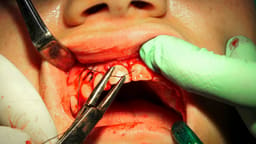
It grips a suture needle in short, cross-hatched jaws and drives it through tissue without the needle rotating, so a wound can be sutured accurately. Most patterns have a ratchet that locks the needle in place while it is positioned. It is the core instrument for placing sutures after a surgical or minor oral procedure.
How does a needle holder differ from a mosquito forceps?
Both lock, but their jaws differ. A needle holder has short, stout, cross-hatched jaws made to grip a hard needle without it turning; a mosquito forceps has finer jaws for holding soft items and auxiliaries. Using a hemostat to drive a needle risks the needle spinning and the jaws wearing, so each is kept for its own task.
What is a Mathieu ligating plier?
A Mathieu is a ligating plier — a curved-beak, ratcheted instrument for placing a steel ligature around a bracket and twisting it tight in one hand. It shares the locking body of a needle holder but is built for orthodontic tie-ins rather than suturing, which is why it sits in this category alongside the needle holders.
Which needle-holder pattern suits fine intraoral suturing?
A Castroviejo or a Derf. The Castroviejo is a spring-handle micro holder for the finest sutures in surgery and implantology; the Derf is a short holder for close intraoral work. A Mayo-Hegar suits general suturing, while an Olsen-Hegar adds scissors so one tool grips and cuts. Let the suture size and how tight the access is decide.
Why choose tungsten-carbide jaws?
Tungsten-carbide inserts grip a needle far more securely than plain steel and resist the wear that eventually lets a steel jaw slip. On fine needles that grip matters most, so micro and high-volume work usually specifies TC, often marked by gold handles. Plain-steel holders are fine for occasional suturing where the extra durability is not needed.