

Jaw Sets
4.6
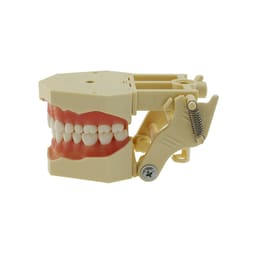
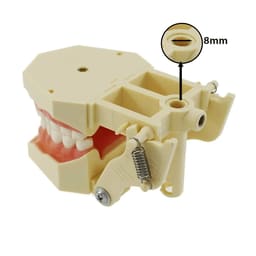
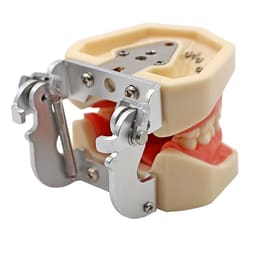
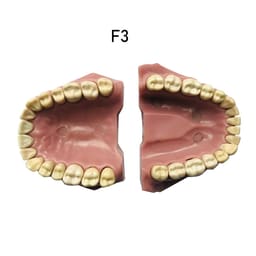
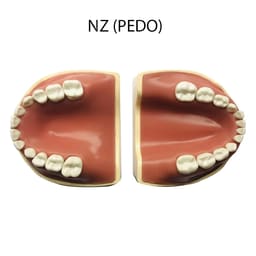
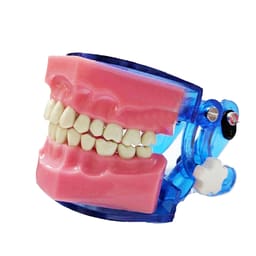
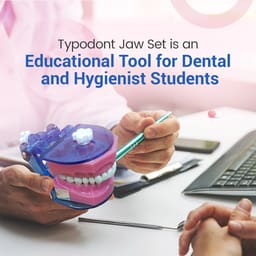
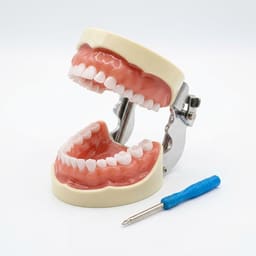
A typodont jaw set is a dental training model — an upper and lower plastic jaw fitted with removable teeth that a student mounts in a phantom head to practise procedures before working on patients. Jaw sets come in standard mounting systems, mainly Frasaco-type and Nissin-type, and the teeth must match the jaw system for correct fit.
Sort by - Recommended
 Recommended
 Price- High to LowPrice- Low to High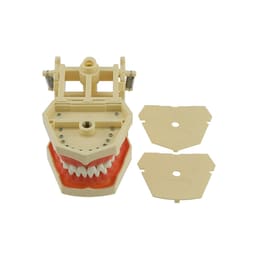
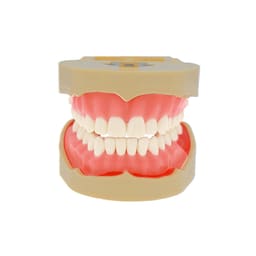
Frasaco Type Typodont Jaw Set for Pre-clinicals
Starting at₹ 2585
View Similar Products

★ 4.8
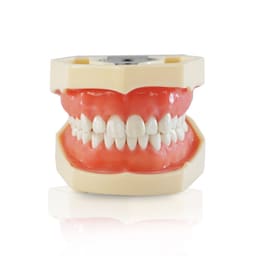
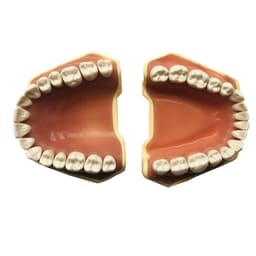
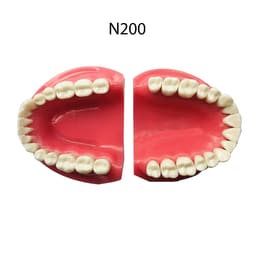
(5)Nissin Type Typodont Jaw Set compatible with Nissin Type Jaw Set -Individual M8024 teeth for pre-clinical practice
₹ 2880₹ 3500
17.71% Off
 140
140View Similar Products
★ 4.3
(4)View Similar Products
★ 4.8
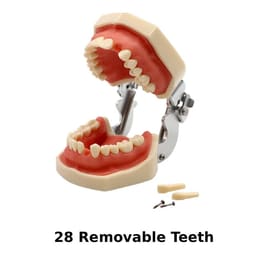
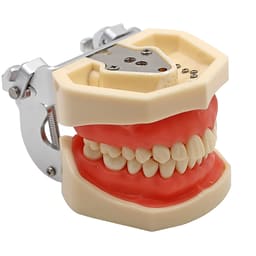
(20)Typhodont made up of durable plastic, realistic dental anatomy, replaceable teeth
₹ 1505₹ 3500
57.00% Off
15View Similar Products
NOTIFY ME
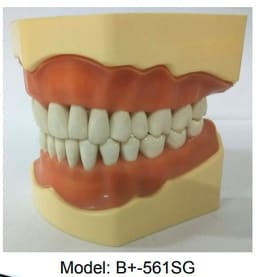
Typodont jaw set with 32 removable teeth for dental training and practice procedures
₹ 2595₹ 3500
25.86% Off
52View Similar Products
Filters
Sort By
RecommendedTypodont Jaw Sets
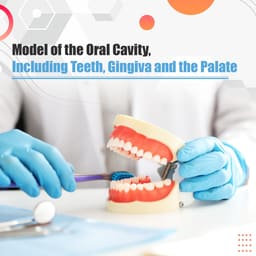
Before a dental student prepares a cavity in a real mouth, they prepare hundreds in plastic. The typodont jaw set is what they prepare them in — a life-sized upper and lower arch of removable teeth held in a plastic jaw, worked on at the bench or mounted in a phantom head to mimic the clinical position.
It is the core of preclinical training. Every cavity preparation, crown reduction, extraction and restoration a student rehearses is done on these teeth first, which is why the model is one of the first things on a first-year's equipment list and stays in use across several years.
The mounting systems
Each model is built to a mounting standard, and that standard decides which teeth and which phantom head it works with. Getting this right is the whole decision — a tooth from one system will not seat correctly in another.
Frasaco-type
The Frasaco pattern is one of the long-established typodont standards, widely specified by dental schools. A Frasaco-type typodont jaw set takes Frasaco-compatible teeth, so a student on a Frasaco course buys the model and its replacement teeth to that standard.
Nissin-type
The Nissin pattern is the other common standard, and sets built to it use Nissin-compatible teeth. A Nissin-type typodont jaw set is the one to buy where a course or phantom head is specified as Nissin-compatible.
Fixing systems
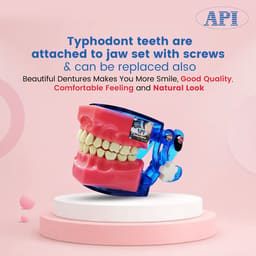
Beyond the mounting standard, models differ in how the teeth are held. Some use screw-in typodonts that thread firmly into the jaw for procedures needing a solid tooth; others hold removable teeth in sockets for quick swapping between exercises.
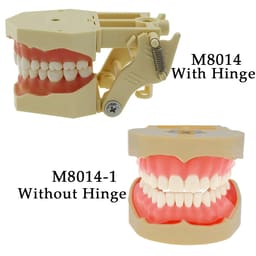
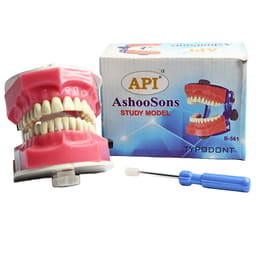
The API jaw set with typodonts uses screw-in teeth, supplied without an articulator, while others in the range hold a full complement of removable teeth for general practice.
What to check before buying
A model is bought against a course requirement, so a few points decide which one fits.
- Match the mounting system to your course or phantom head — Frasaco or Nissin. This is the first and most important check.
- Confirm the tooth count — a full model usually carries 32 removable teeth covering both arches.
- Decide screw-in or removable — screw-in holds firmer for some procedures; removable swaps faster between exercises.
- Check articulator inclusion — some include an articulator to mount the arches, others are supplied as the jaw alone.
- Buy replacement teeth to the same standard — teeth wear out with practice and must match the jaw system.
Buying a typodont jaw set
The model is used from the first preclinical exercise and its teeth are consumed steadily, so buying the correct system first and keeping replacement teeth on hand saves interruptions later in the course. One bought to the wrong mounting standard cannot simply be re-fitted, which is why the system check comes before price.
The rest of a course's models and materials are gathered in student section.
Frequently Asked Questions (FAQs):
What is a typodont jaw set used for?
A typodont jaw set is a dental training model used in preclinical practice. It holds removable teeth in an upper and lower plastic jaw, letting a student rehearse cavity preparations, restorations, crown work and extractions on realistic teeth before treating patients. Mounted in a phantom head, it reproduces the working position and access of a real mouth.
What is the difference between Frasaco-type and Nissin-type jaw sets?
They are two different mounting standards, and each takes its own compatible teeth. A Frasaco-type set uses Frasaco-pattern teeth and phantom heads; a Nissin-type set uses Nissin-pattern teeth. The distinction matters because a tooth or jaw from one system will not seat correctly in the other, so a buyer must match the set to the course requirement.
How many teeth are in a typodont jaw set?
A full typodont jaw set usually holds 32 removable teeth, giving a complete upper and lower dentition to practise on. Some sets are supplied as the jaw with a full set of teeth; others focus on specific arches or tooth types. The product listing states the tooth count and which teeth are included.
What is the difference between screw-in and removable typodont teeth?
Screw-in typodonts thread firmly into the jaw, giving a solid tooth that holds up to procedures needing extra stability. Removable teeth sit in sockets and can be swapped quickly between exercises or replaced when worn. Screw-in suits procedures that stress the tooth; removable suits fast changeover and easy replacement across a course.
Do I need a phantom head to use a jaw set?
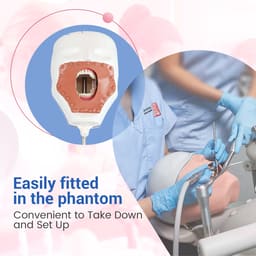
A jaw set can be worked on at the bench for many exercises, but mounting it in a phantom head reproduces the patient's head position and the access a dentist actually has, which is why phantom heads are used in preclinical labs. The jaw set must be the mounting standard the phantom head is built for.