




Laboratory Wires
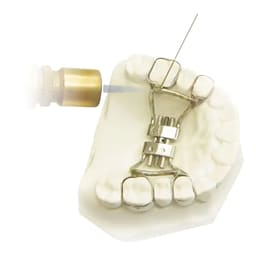
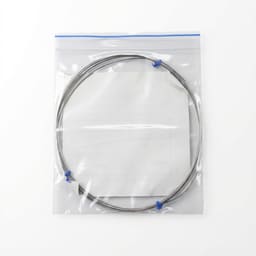
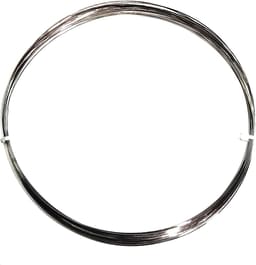
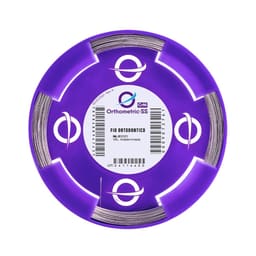
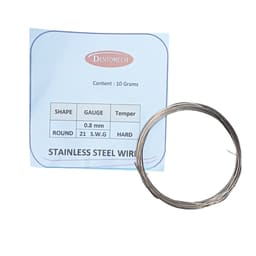
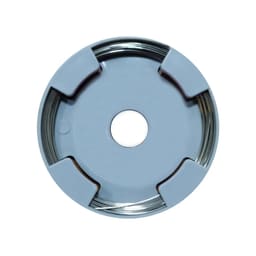
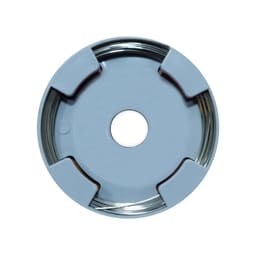
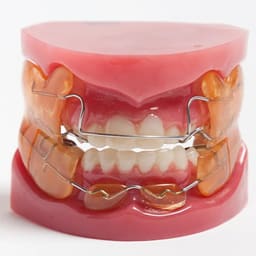
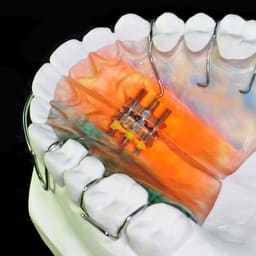
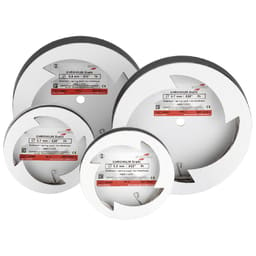
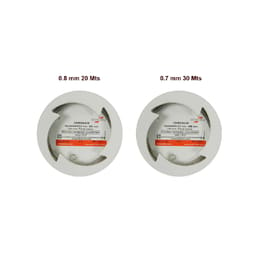
Laboratory wires are spooled stainless-steel wires a dental technician bends to make the metal parts of appliances. Hard and spring-temper wire is worked with pliers into clasps, retention arms, labial bows, and springs, then joined with silver solder where needed. It is sold by diameter and spool weight, on a roll rather than as a finished archwire.
 Recommended
 Price- High to LowPrice- Low to High

 60
60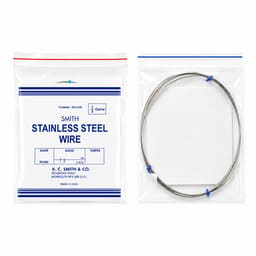






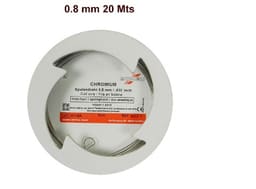
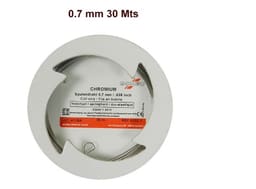
Laboratory Wires
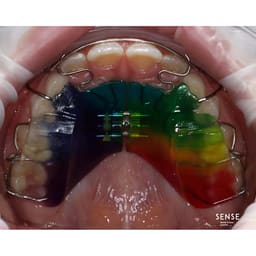
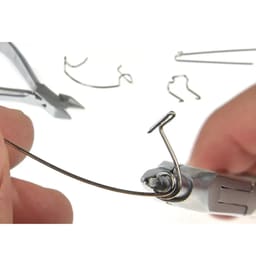
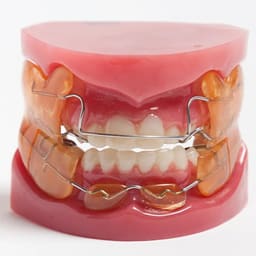
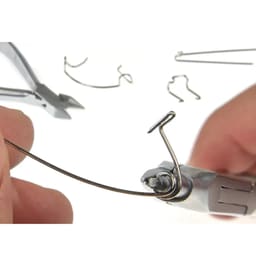
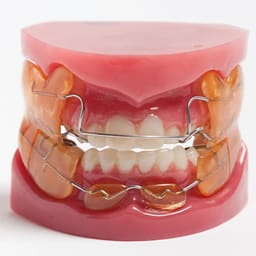
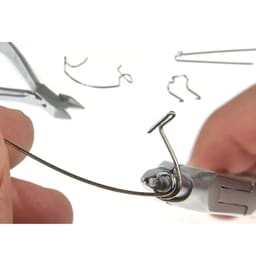
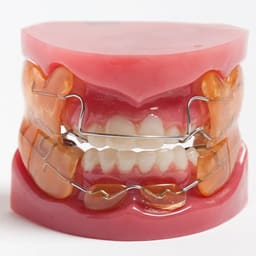
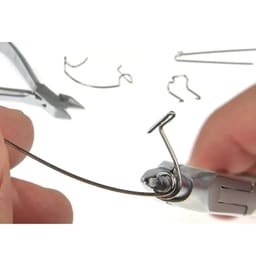
An appliance's metalwork is bent from wire by hand. Laboratory wire is the raw material for it — spooled stainless steel in a hard or spring temper that holds a shape once formed. A technician cuts a length and bends it with pliers into a clasp, a retention arm, a labial bow, or an active spring. Solder then joins the parts where they meet. It comes on rolls by diameter and weight, and sits within the wider dental laboratory range.
Types and temper
The wire here is graded by what it does:
- Hard stainless steel — holds its bent form firmly, for clasps, bows, and rigid framework parts.
- Spring temper — springier wire that flexes and returns, for active springs and elements that apply force.
- Chromium / Cr-Ni wire — corrosion-resistant alloys for durable appliance components.
- Silver solder wire — a filler alloy melted to join wire parts, from the silver solder range, used with flux and a torch.
Match the temper to whether the part must stay rigid or flex, alongside orthodontic fabrication work.
Gauge and spool size
Points to weigh when choosing:
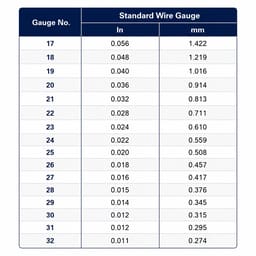
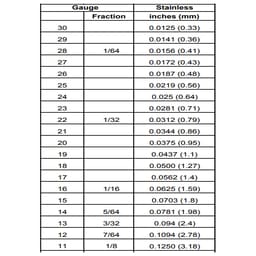
- Diameter — finer wire for delicate springs and clasps, thicker for rigid bows and connectors.
- Spool weight — small 10–15g spools for occasional use, larger 100–200g rolls for a busy lab.
- Round or shaped — round wire is the common form for bending; check the section you need.
- Alloy — plain stainless for general work, chromium spring wire where more resilience helps.
Keep a couple of gauges on hand for the range of parts a case needs.
How it is worked
Wire fabrication follows a few steps:
- Measure and cut — take a length from the spool for the part.
- Bend — shape it with orthodontic pliers to the clasp, bow, or spring form.
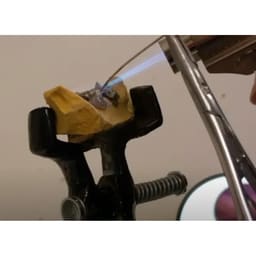
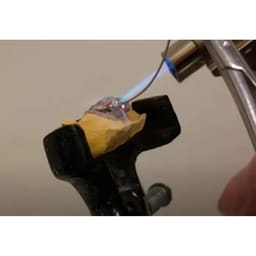
- Join — solder connections with silver solder wire and flux where parts meet.
The formed wire is then fitted to the appliance and finished.
Frequently Asked Questions (FAQs):
What are laboratory wires used for?
They are used to fabricate the metal parts of dental appliances. A technician bends the spooled stainless-steel wire into clasps, retention arms, labial bows, and active springs for removable and orthodontic appliances, then solders the joins. It is the raw wire worked by hand in the lab, as opposed to a ready-made archwire that goes straight onto braces.
What is the difference between hard wire and spring wire?
Their temper differs. Hard stainless-steel wire holds a bent shape firmly, so it suits clasps, bows, and rigid framework parts that must not move. Spring-temper wire is more elastic — it flexes under load and springs back, which is what an active spring needs to apply a continuous force. Choose hard for structure and spring temper where the part must flex.
What gauge and spool size should I buy?
Match the diameter to the part: finer wire for delicate springs and clasps, thicker wire for rigid bows and connectors. For spool size, a small 10–15g roll suits occasional work while a busy lab is better served by 100–200g rolls that last longer per gauge. Keeping a couple of common gauges in stock covers most appliance parts.
How are lab wire parts joined together?
With silver solder. Where two wire components meet — for instance joining a clasp to a framework — the join is made by melting silver solder wire into it with flux and a torch, which bonds the parts cleanly. Silver solder wire is stocked in this category alongside the fabrication wire so a technician can cut, bend, and join from the same range.
Is laboratory wire the same as an orthodontic archwire?
No. Laboratory wire is raw stainless-steel wire on a spool, bent by the technician into appliance parts. An orthodontic archwire is a finished, pre-formed wire that engages the brackets on fixed braces. They are both dental wire, but lab wire is a fabrication material worked in the lab, while an archwire is a ready-to-use clinical product.