



Silver Solder
3.3
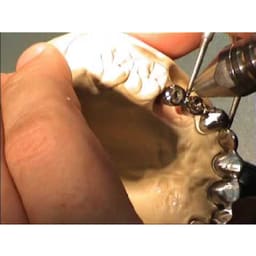
Silver solder is a silver-based filler alloy used to join the metal parts of dental and orthodontic appliances. With flux and a flame, it melts and flows into the gap between two metal pieces, then sets into a strong, clean joint. It is used to solder bands, wires, space maintainers and metal frameworks.
Sort by - Recommended
 Recommended
 Price- High to LowPrice- Low to High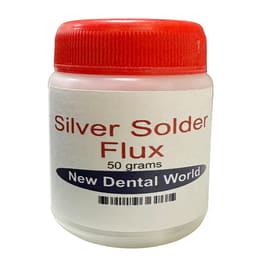

Only 4 Left

View Similar Products
Filters
Sort By
RecommendedSilver Solder
Many dental and orthodontic appliances are built from separate metal pieces that have to be joined. Silver solder is how they are joined. It is a filler alloy with a lower melting point than the parts it connects. That lets it flow into a gap and set without melting the appliance itself.
The bond is strong and corrosion-resistant, which matters for something worn in the mouth. Applied with flux and a flame, it gives a neat, durable joint that stands up to chewing forces. It is a staple of the lab side of orthodontics.
What silver solder joins
Silver solder is used across appliance work:
- Bands to wires — soldering a wire or attachment onto an orthodontic band. See the bands range.
- Space maintainers — building fixed maintainers by joining bands and loops. See the space maintainer range.
- Appliance frameworks — joining wires and components in habit breakers, expanders and retainers.
- Repairs — mending broken metal joints on existing appliances.
Why flux matters
Molten filler will not flow onto dirty or oxidised metal, so flux does three jobs:
- Cleans — dissolves the surface oxide so the filler can wet the metal.
- Protects — shields the joint from new oxide forming during heating.
- Guides flow — helps the molten metal run into the joint cleanly.
Many products, like NDW Soldering Flux Paste Solder, combine the flux and filler so the joint is prepared and filled together.
How soldering works
The process follows a set order:
- Clean the two metal parts and hold them in position.
- Apply flux to the joint.
- Heat the area with a flame until the parts reach soldering temperature.
- Touch the solder to the joint so it melts and flows in by capillary action.
- Let it cool, then clean off the flux residue.
Done right, the solder is drawn into the gap and forms a smooth, strong fillet.
Choosing a silver solder
Quick pointers:
- Melting range — the solder must melt well below the appliance metal so the parts are not damaged.
- Flux included or separate — a combined flux-solder paste is convenient; separate flux gives more control.
- Form — wire, strip or paste, chosen for the joint and technique.
Silver solder joins the wires that come from the archwires range and the other metal components used in appliance fabrication.
Frequently Asked Questions (FAQs):
What is silver solder used for in dentistry?
Silver solder is used to join the metal parts of dental and orthodontic appliances. It solders wires and attachments onto bands, builds fixed space maintainers, joins components in expanders and habit breakers, and repairs broken metal joints. Applied with flux and heat, it flows into the joint and sets into a strong, corrosion-resistant bond.
How does silver solder join two metal pieces?
It works by melting and flowing, not by melting the parts. Silver solder has a lower melting point than the appliance metal. When the joint is fluxed and heated, the solder melts and is drawn into the gap by capillary action. It then cools and sets, bonding the two pieces without distorting or melting them.
What is flux and why is it needed?
Flux is a cleaning agent applied to the joint before soldering. Solder will not stick to dirty or oxidised metal. Flux dissolves the surface oxide, protects the metal from new oxide during heating, and helps the molten filler flow cleanly. Without it, the solder beads up instead of bonding.
Is silver solder safe for use in the mouth?
Yes, when a dental-grade silver solder is used correctly. These solders are formulated to give a strong, corrosion-resistant joint suited to the oral environment. The flux residue is cleaned off after soldering so only the finished metal joint remains. Using a product intended for dental work, rather than a general-purpose solder, is important.
Does the solder come with flux, or is it bought separately?
Both options exist. Some products combine flux and solder in one paste, which prepares and fills the joint in a single step and is convenient for routine work. Others supply the solder and flux separately, giving more control over how much flux is applied. The product listing states what is included.