





Membrane placement
Membrane placement instruments are hand tools used to position a barrier membrane during guided bone regeneration. The membrane covers the graft and keeps soft tissue out while new bone forms. Slim, curved instruments and fine tweezers let the surgeon carry, place and tuck the sheet over the graft without tearing it.
 Recommended
 Price- High to LowPrice- Low to High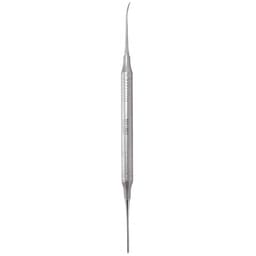
Only 4 Left
 34
34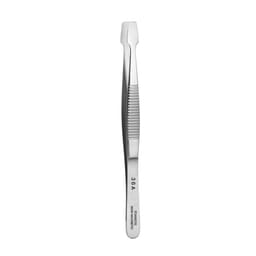

Only 5 Left
17Membrane Placement Instruments
In a bone graft case, the site needs protection while it turns into bone. A barrier membrane does that. It sits over the graft and stops the fast-growing gum tissue from filling the space first. This is the idea behind guided bone regeneration, or GBR. But the membrane only works if it is placed cleanly, and that is what these instruments are for.
The sheet is thin and delicate. It has to be lifted, carried into the site, laid over the graft, and tucked under the flap edges. Fingers and general forceps are too clumsy for this. A dedicated placement instrument or tweezer handles it gently and sets it exactly where it belongs. These tools belong with the broader implantology range.
Tuckers, spreaders and tweezers
Membrane handling comes down to two instrument types.
The placement instrument
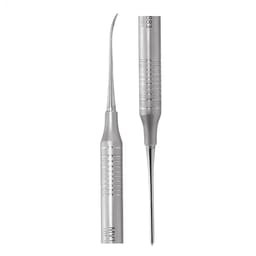
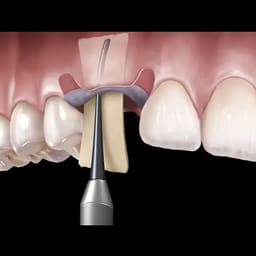
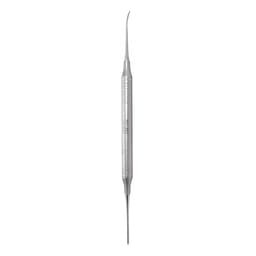
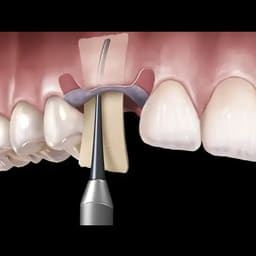
A placement instrument has a slim, curved, blunt tip. It slides the sheet into position and tucks its edges under the gum without piercing it. A GDC membrane placement instrument is a standard example, shaped for this tucking and positioning step.
The membrane tweezer
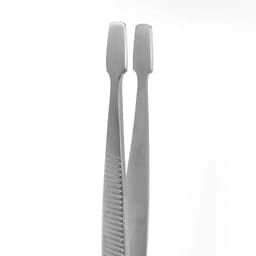
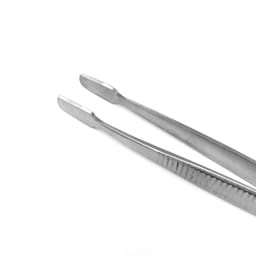
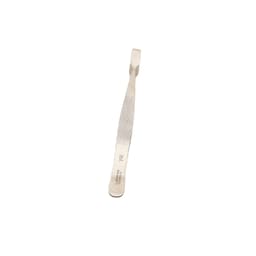
A membrane tweezer, or forcep, grips and lifts the sheet without crushing it. Its tips are fine and often textured to hold the thin material securely. A JullDent membrane tweezer is made for picking it up and carrying it to the site.
Placing the membrane, step by step
Placing a membrane follows a clear order. The tweezer lifts the trimmed sheet and carries it over the graft. The placement instrument then positions it and tucks the edges under the flap.
The sheet must cover the whole site and sit flat, with no folds. It is held while the flap is closed over it. Working gently matters, because a torn or exposed barrier can let the repair fail. The right instruments make this quick and safe.
What to keep on the tray
Keep both tool types on the tray. A tweezer to lift and carry, and a placement instrument to position and tuck. That pair covers the whole step.
Look for surgical stainless steel with fine, smooth tips that will not pierce the membrane. The instruments are chosen alongside the membranes and graft they work with, which sit in the bone grafts range.
Frequently Asked Questions (FAQs):
What does a membrane placement instrument do?
It positions a barrier membrane during a bone graft. In guided bone regeneration, the sheet covers the graft so soft tissue cannot fill the space while new bone forms. These slim, curved instruments and fine tweezers carry it, lay it over the graft and tuck its edges under the gum without tearing the thin material.
Placement instrument or tweezer — which does what?
They do different steps. A tweezer, or forcep, grips and lifts the thin sheet and carries it to the site. A placement instrument has a curved, blunt tip that positions it and tucks its edges under the flap. The tweezer delivers the membrane; the placement instrument sets it in place.
Can I just use ordinary forceps instead?
It is not advised, because the sheet is thin and easily damaged. Ordinary forceps have coarse tips that can crush, fold or pierce it. Dedicated instruments have fine, smooth tips designed to hold and position it gently. Using the right tool lowers the risk of a tear, which can cause the graft to fail.
Why is a barrier membrane placed over the graft?
A barrier membrane guides healing. Gum tissue regrows quickly, and left unchecked it would fill the graft space before bone can. The membrane blocks the soft tissue and gives the slower-growing bone room to form. Placement instruments set this sheet accurately over the graft.
Which material lasts best for these instruments?
Surgical stainless steel. It keeps a fine, smooth tip that handles the sheet without tearing it, and it withstands repeated autoclave sterilisation. A well-finished stainless tweezer and placement instrument stay reliable across many graft cases and are easy to clean between uses.