

Mixing Bowls & Spatulas
4.6
Used to hand-mix alginate, dental plaster, glass-ionomer cement and zinc oxide eugenol at chair-side or lab bench, dental mixing bowls and spatulas control water-powder ratios and mix time for predictable working and setting characteristics. Dentalkart stocks flexible rubber bowls and plaster, cement and alginate spatulas from GDC, Waldent, Cotisen and ET.
Sort by - Recommended
 Recommended
 Price- High to LowPrice- Low to High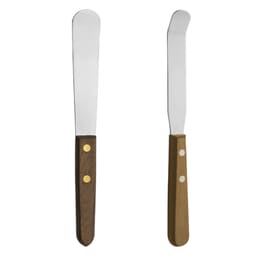
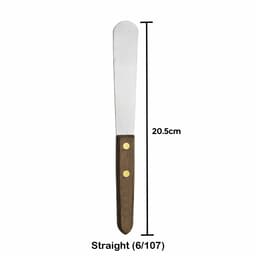
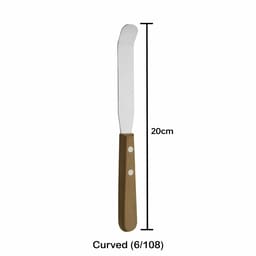
Durable mixing tool with stainless-steel blade, wooden handle, ergonomic design, and flexible
Starting at₹ 245
View Similar Products

★ 5.0
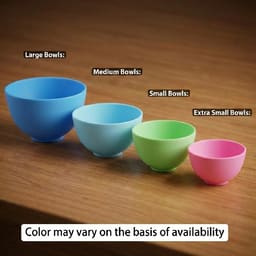
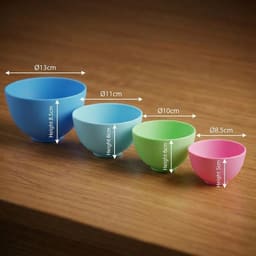
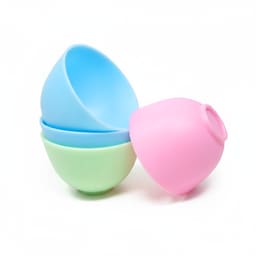
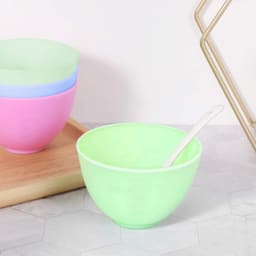
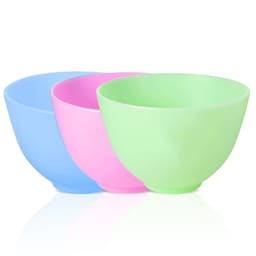
(4)Flexible, Durable Rubber Mixing Bowls ideal for smooth and consistent mixing of dental materials.
Starting at₹ 105
View Similar Products

★ 4.6
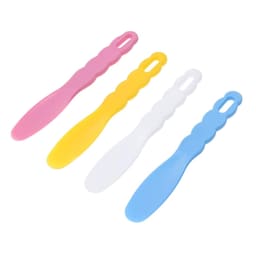
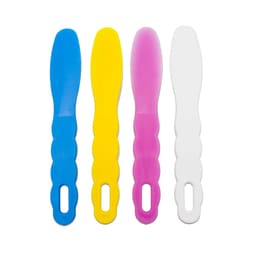
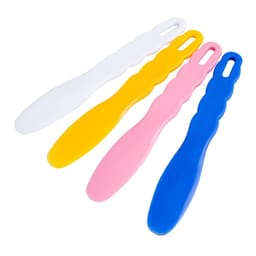
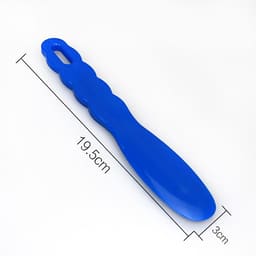
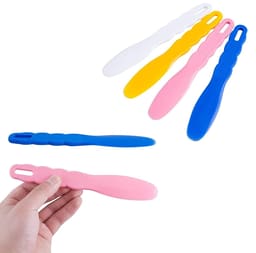
(17)Plastic flexible Alginate Mixing Spatula for Mixing Plaster and Alginate Impression Materials
₹ 25₹ 90
72.22% Off
 1
1View Similar Products
★ 4.7
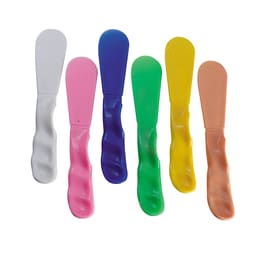
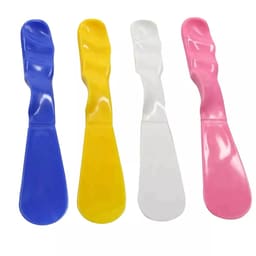
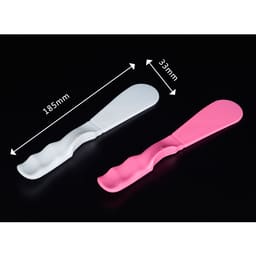
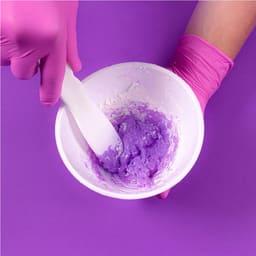
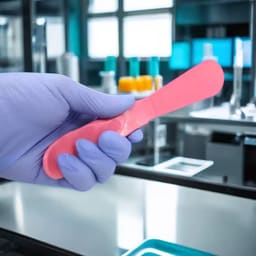
(62)Alginate Mixing Plastic Spatula for Mixing Plaster and Alginate Impression Materials.
₹ 25₹ 90
72.22% Off
1View Similar Products
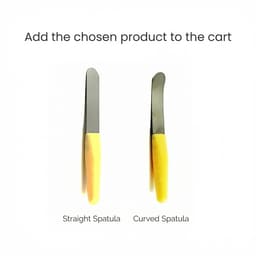
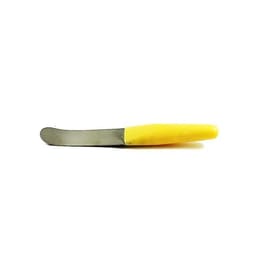
★ 4.0
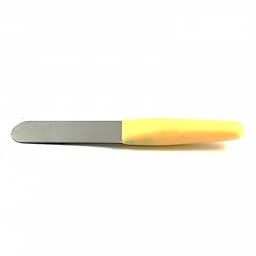
(3)Broad-bladed metallic spatula with plastic handle for mixing dental plaster and stone
Starting at₹ 35
View Similar Products
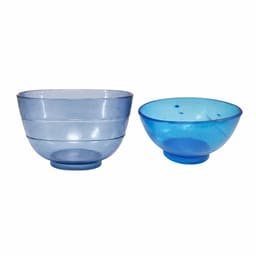
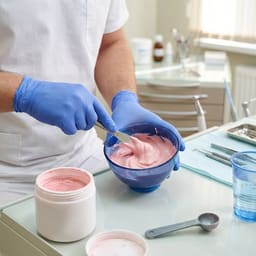
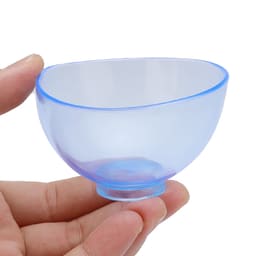
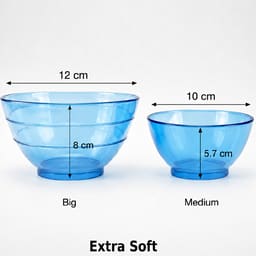
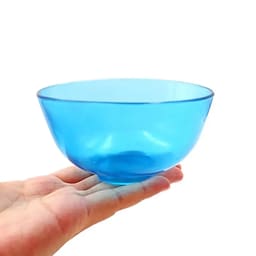
Flexible rubber mixing bowl suitable for dental alginate and plaster mixing.
Starting at₹ 50
View Similar Products
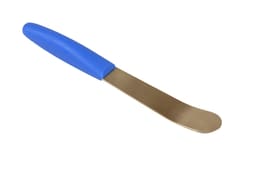
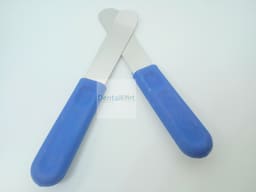
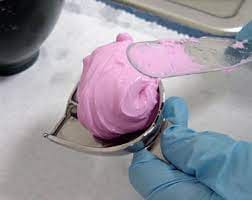
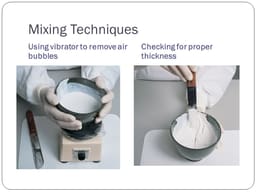
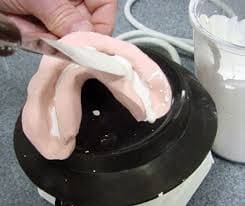
★ 4.5
(2)Versatile spatula for seamless mixing and blending tasks.
Starting at₹ 28
View Similar Products
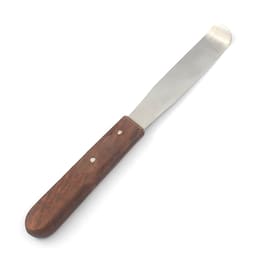
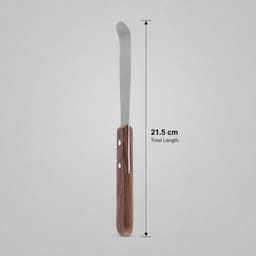
★ 4.8
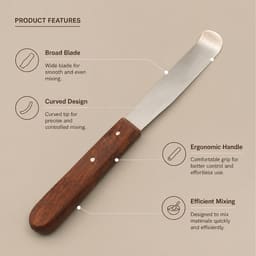
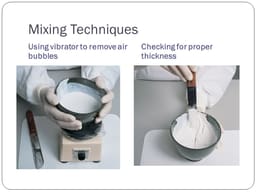
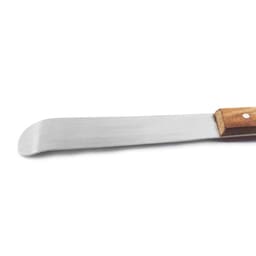
(4)Curved alginate mixing spatula for smooth, consistent mixing of alginate
₹ 255₹ 473
46.09% Off
5View Similar Products
Filters
Sort By
RecommendedDental Mixing Bowls & Spatulas
Dental mixing bowls and spatulas are the chair-side and lab-bench instruments used to manually hand-mix alginate impression powder, dental plaster and stone, glass-ionomer cement, zinc oxide eugenol, dycal liner and most powder-liquid restorative materials before they set, controlling water-powder ratios and mix time for predictable working and setting characteristics. Flexible rubber bowls allow easy mix scooping and bowl-flexing for clean material recovery, while plaster, cement and alginate spatulas are sized and stiffened to suit the specific viscosity of each material. Dentalkart stocks the ET Dental Mixing Bowl & Spatula Universal Kit alongside rubber bowls, plaster, cement and alginate spatulas from GDC, Waldent, Cotisen, ET, Oracraft and Indian-OEM brands.
Types of Dental Mixing Bowls & Spatulas
Flexible Rubber Mixing Bowls
Flexible rubber mixing bowls such as the ET Rubber Mixing Bowls are used for alginate impression mixing and plaster pouring, with a flexible bowl wall that lets the operator invert and squeeze out residual material in a single motion and clean the bowl with a quick flex-and-tap action.
Plaster & Alginate Spatulas
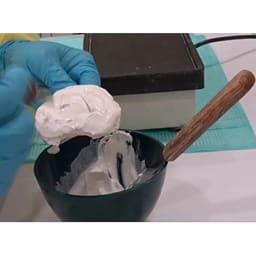
Stiff metal plaster and alginate spatulas such as the GDC Alginate Mixing Spatula Curved PS4 have a wide curved or straight blade designed to press alginate powder against the bowl wall in a smearing motion, eliminating air bubbles and producing the smooth, lump-free mix essential for an accurate impression.
Cement & Dycal Spatulas
Smaller, more rigid cement spatulas such as the Waldent Cement Spatula 15/703 are sized for spatulating zinc phosphate, glass-ionomer, polycarboxylate and luting cements on a glass slab in small batches, with a narrow blade that gives the operator precise control over mix consistency.
Alginate-Specific Plastic Spatulas
Plastic alginate mixing spatulas in single and multi-pack formats — including the Cotisen Alginate Mixing Spatula Plastic and ET Alginate Mixing Spatula Plastic — are autoclavable, lightweight and avoid the metal-on-metal scraping noise of stainless-steel spatulas, suiting practices that mix alginate at the chair-side rather than in the lab.
Combination Bowl-and-Spatula Kits
All-in-one bowl-and-spatula kits bundle a flexible rubber bowl with a matched-size alginate or plaster spatula and a glass slab where included — a single SKU starter pack ideal for new clinics setting up a lab bench from scratch.
When Are Mixing Bowls & Spatulas Used?
Mixing bowls and spatulas are used at every step that involves hand-mixing a powder-liquid dental material — alginate impression-taking, dental stone and plaster model pouring, glass-ionomer cement luting and base placement, zinc oxide eugenol cementation, dycal pulp-cap application, denture-base acrylic mixing and chair-side temporary-cement preparation. They are the most-handled lab and chair-side instruments in any general dental practice running a hand-mix workflow alongside or instead of automix cartridge systems.
How to Choose the Right Mixing Bowl or Spatula
Match the bowl size and spatula stiffness to the material: large flexible rubber bowls with wide curved-blade plaster spatulas for high-volume alginate and stone mixing; small rigid metal cement spatulas on a glass slab for zinc phosphate and luting cements; lightweight plastic alginate spatulas for chair-side single-impression mixing; and a combination bowl-and-spatula universal kit for new operatories setting up a mixing bench. Choose autoclavable plastic or stainless-steel variants for instruments that need to be sterilised between patients.
Brands of Mixing Bowls & Spatulas at Dentalkart
The catalogue features the GDC range including Plaster Spatula PS3 (Straight), PS4 (Curved), PS6 and Cement Spatulas CS3, CS4, CS5, CS6 and the Dycal Applicator D-E with Spatula; Waldent Rigid Spatula and Cement Spatula 15/703; the ET range covering Rubber Mixing Bowls, Alginate Mixing Spatula Plastic and the Mixing Bowl & Spatula Universal Kit; Cotisen Alginate Mixing Spatula Plastic (pack); Oracraft Mixing Flexible Spatula PS6; Sumit Spatula and a range of Indian-OEM cement and plaster spatulas for high-volume economy use.
Why Buy Mixing Bowls & Spatulas from Dentalkart
Dentalkart sources mixing bowls and spatulas directly from authorised manufacturers including GDC, Waldent, ET and Cotisen, with batch-coded packaging, cash-on-delivery, GST invoices and 110000+ pincode coverage across India. Practices and laboratories can pair mixing instruments with dental impression materials from the same catalogue for a complete alginate-and-cast workflow in one bulk order.
Frequently Asked Questions (FAQs):
What are dental mixing bowls and spatulas used for?
Dental mixing bowls and spatulas are used to hand-mix powder-liquid dental materials — alginate impression powder, dental stone and plaster, glass-ionomer cement, zinc oxide eugenol, dycal liner and most chair-side cements — controlling water-powder ratios and mix time for predictable working and setting characteristics before the material sets in the patient's mouth or on the lab bench.
What is the difference between a plaster spatula and a cement spatula?
The difference between a plaster spatula and a cement spatula is blade size and stiffness: plaster and alginate spatulas have a wide curved or straight blade sized for bowl mixing of larger volumes, while cement spatulas are narrower and more rigid for spatulating small batches of zinc phosphate, glass-ionomer or luting cement on a glass slab.
Can dental mixing bowls and spatulas be autoclaved?
Most dental mixing bowls and spatulas can be autoclaved — stainless-steel spatulas withstand standard Class B autoclave cycles indefinitely, and most flexible rubber bowls and autoclavable plastic spatulas are rated for 100+ sterilisation cycles. Confirm the manufacturer's sterilisation temperature and cycle count on the packaging before reprocessing the device.
Why use a flexible rubber bowl instead of a rigid one?
You should use a flexible rubber bowl instead of a rigid one because the flexible wall lets you invert and squeeze the bowl to release residual mixed material in a single motion, and a quick flex-and-tap action removes set alginate or plaster fragments before the next mix — making chair-side alginate workflow significantly faster than rigid metal or glass mixing pots.
What spatula is best for mixing alginate impression material?
The spatula best for mixing alginate impression material is a wide-blade plaster or alginate-specific spatula with a curved or straight stainless-steel or autoclavable plastic blade. The wide blade lets the operator press alginate powder against the rubber bowl wall in a smearing motion, eliminating air bubbles and producing the smooth lump-free mix essential for an accurate dental impression.