





Open Coil Springs
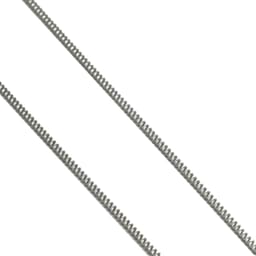
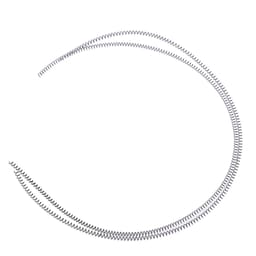
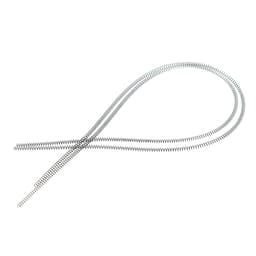
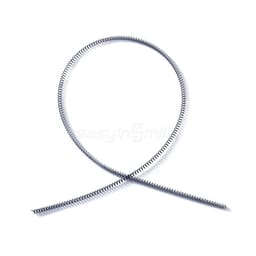
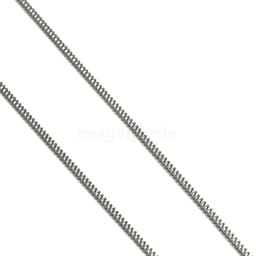
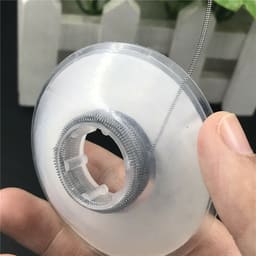
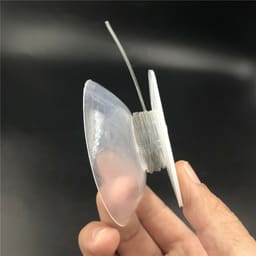
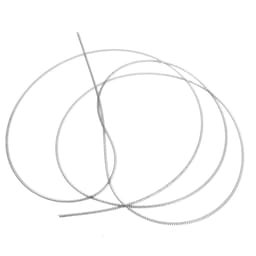
An open coil spring is an orthodontic spring threaded onto the archwire to push two teeth apart. Compressed between brackets, it pushes back with a steady force, opening or regaining space for a crowded tooth. Most open coil springs are nickel-titanium for a light, constant push, and come as pre-cut lengths or on a cut-to-size spool.
 Recommended
 Price- High to LowPrice- Low to High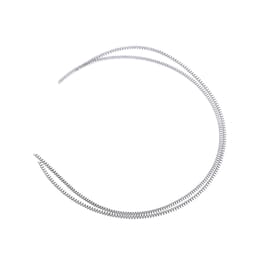

 10
10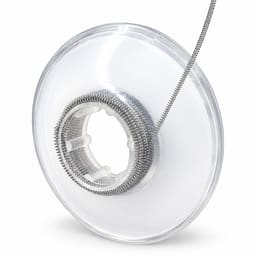
 30
30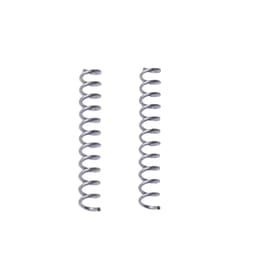
Only 5 Left
5Open Coil Springs
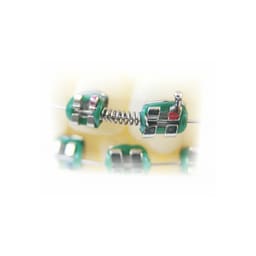
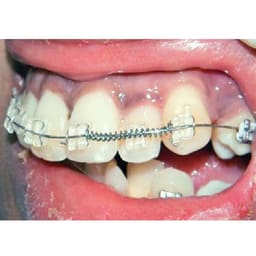
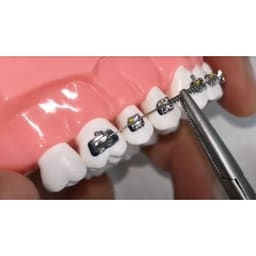
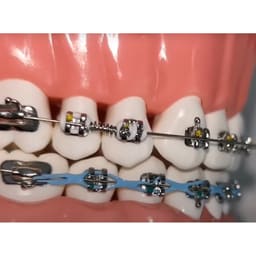
Sometimes a tooth needs room before it can be moved into line. A blocked-out or crowded tooth has nowhere to go until the teeth beside it are pushed apart. The open coil spring does that pushing. It is a small helical spring slid onto the archwire and compressed between two brackets. As it tries to return to its full length, it drives the teeth apart and opens the gap.
The force is gentle and continuous, which is how teeth move best. A short length of spring is compressed and held, so it presses steadily for weeks between visits. That slow, even push is kinder to the roots and more predictable than a sudden force. These springs are a staple of fixed orthodontics.
How it opens space
The spring works because it is trapped in a shorter space than it wants to occupy.
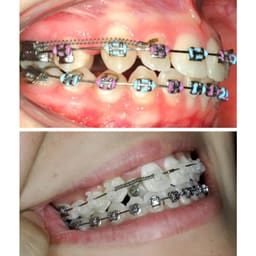
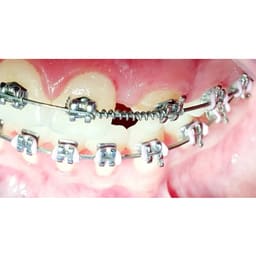
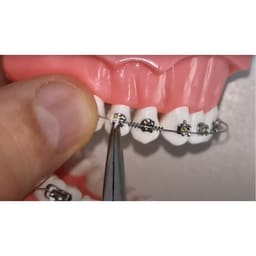
The clinician cuts a length slightly longer than the gap, then compresses it onto the archwire between the two brackets. Held under compression, the spring constantly tries to expand. That stored push separates the teeth a little more each week until the space is right. It rides along the archwire, which guides the movement and keeps the teeth aligned as they part.
Open coil versus closed coil
The two coil springs do opposite jobs, and the names say which.
An open coil spring is compressed, so it pushes outward to open space. A closed coil spring is stretched, so it pulls inward to close a gap. One separates teeth; the other draws them together. If the goal is to close space rather than create it, the closed coil springs range is the one to use.
Why nickel-titanium
The material decides how the spring delivers its force.
The NiTi advantage
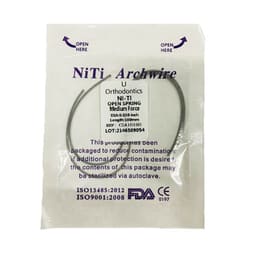
Nickel-titanium springs give a light, near-constant force over a long range of compression. They keep pushing steadily even as the space opens, so the tooth moves smoothly. A U Orthodontics NiTi open spring is a typical example of this superelastic type.
Stainless steel alternatives
Some open coil springs are stainless steel. They cost less but give a heavier force that fades faster as the space opens. NiTi is usually preferred for its gentle, sustained push, which is why most modern open coils are made from it.
Spool or pre-cut
Open coil springs come two ways, and the choice is about convenience.
A spool is a long continuous coil the clinician cuts to the exact length each case needs, which is economical for a busy practice. Pre-cut lengths save chairside time. A JJ Ortho NiTi open coil spring comes in a set length ready to trim and place.
How to choose
Pick NiTi for a light, steady force in most cases. Match the coil diameter to the archwire so the spring slides on and sits snugly. Choose a spool if you place springs often and want to cut to size, or pre-cut lengths for speed.
Keep a range on hand, since gaps vary from case to case. The right spring makes space creation predictable, which keeps the rest of the treatment on track.
Frequently Asked Questions (FAQs):
What is an open coil spring used for?
An open coil spring creates or regains space between teeth in fixed orthodontic treatment. It is threaded onto the archwire and compressed between two brackets, so it pushes the teeth apart with a steady force. This opens room for a crowded or blocked-out tooth to be moved into line, or reopens space that has been lost.
How does an open coil spring work?
It works by compression. The clinician cuts a length a little longer than the gap and compresses it onto the archwire between two brackets. Held shorter than its natural length, the spring constantly tries to expand, pushing the teeth apart a little more each week. The archwire guides the movement while the spring supplies the force.
What is the difference between an open and a closed coil spring?
Their direction of force. An open coil spring is compressed and pushes outward to open space between teeth. A closed coil spring is stretched and pulls inward to close a gap. Open coils separate teeth; closed coils bring them together. The two are chosen depending on whether space needs to be created or closed.
Why are open coil springs made of nickel-titanium?
Because nickel-titanium gives a light, near-constant force over a wide range. A NiTi spring keeps pushing steadily even as the space opens, so the tooth moves smoothly and comfortably. Stainless steel springs are cheaper but give a heavier force that drops off faster, so NiTi is preferred for most space-opening work.
Should I buy open coil springs as a spool or pre-cut?
It depends on how often you place them. A spool is one long coil you cut to the exact length each case needs, which is economical for a busy practice. Pre-cut lengths save chairside time and are handy for occasional use. Many clinics keep a spool for flexibility and some ready lengths for speed.