Luting Cements
 Recommended
 Price- High to LowPrice- Low to High
Luting Cements – Dental Adhesive & Bonding Cements for Restorative Procedures
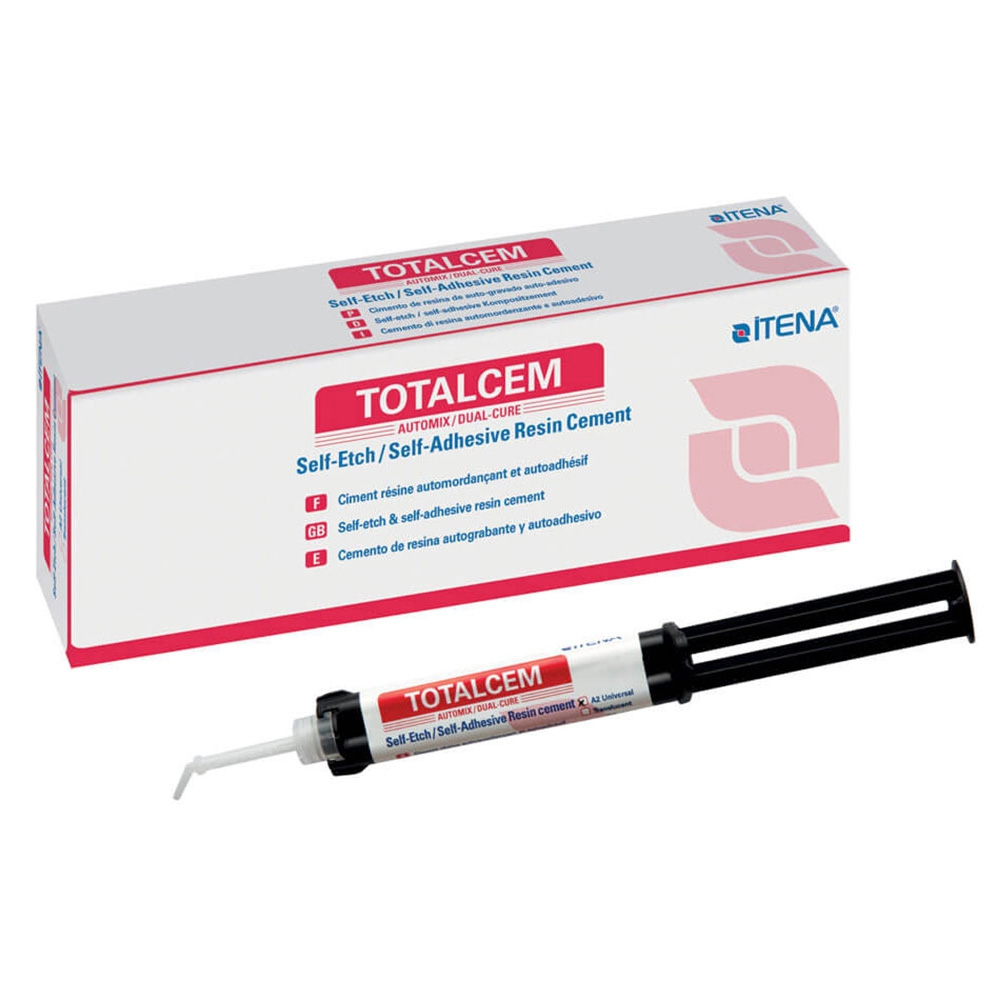
Luting cements play a crucial role in dental restorative procedures, bonding crowns, inlays, onlays, veneers, bridges, and other restorations securely to the tooth structure. Dentalkart offers a comprehensive range of luting cements curated to meet the precise needs of dental professionals, covering both adhesive and non-adhesive formulations.
Adhesive vs. Non-Adhesive Luting Cements
Non-adhesive cements provide mechanical retention through a combination of water and reactive filler, while adhesive cements form strong bonds with both tooth hard tissues and restorations using anhydrous-silanized non-reactive fillers.
Types of Luting Cements
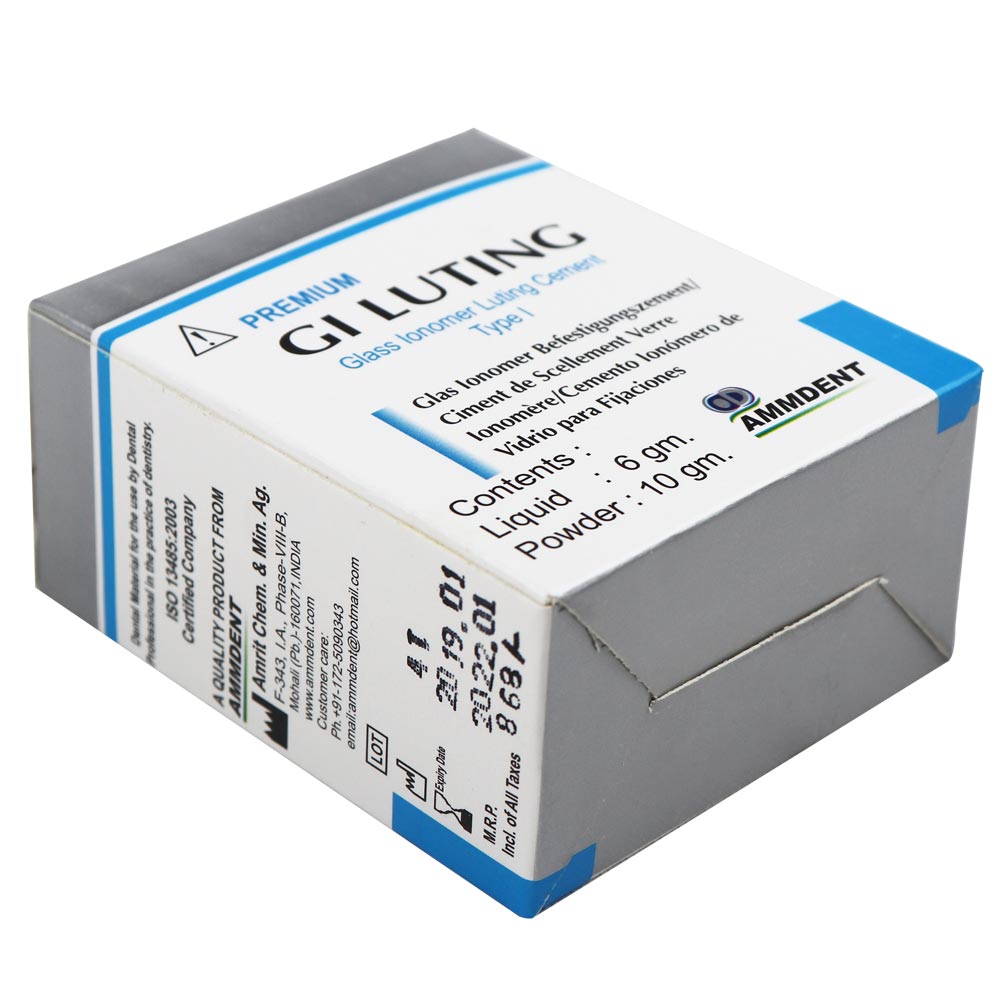
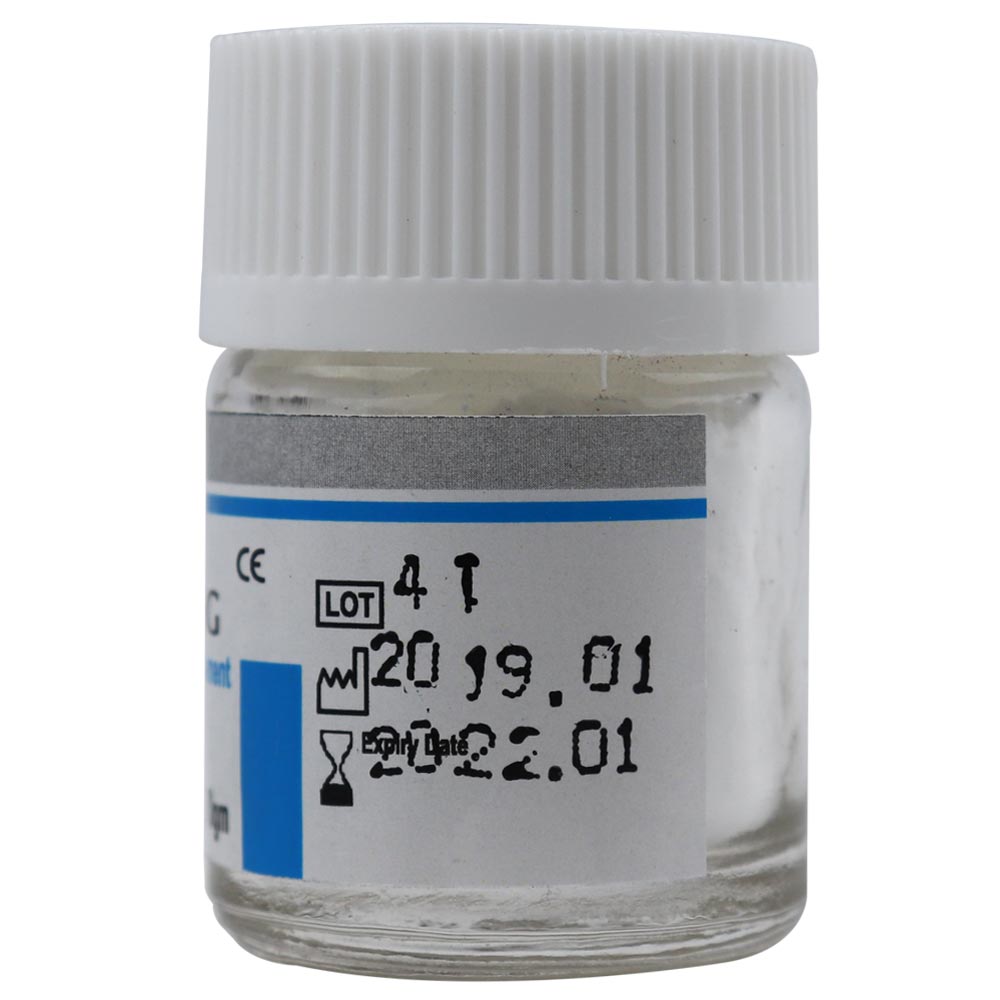
Definitive Luting Cements For long-term restorations, dental professionals can choose from zinc phosphate cement, zinc polycarboxylate cement, glass-ionomer cement (GIC), resin-modified glass-ionomer cement (RMGICs), and resin cement — ideal for sealing permanent crowns, bridges, and other long-term restorations.
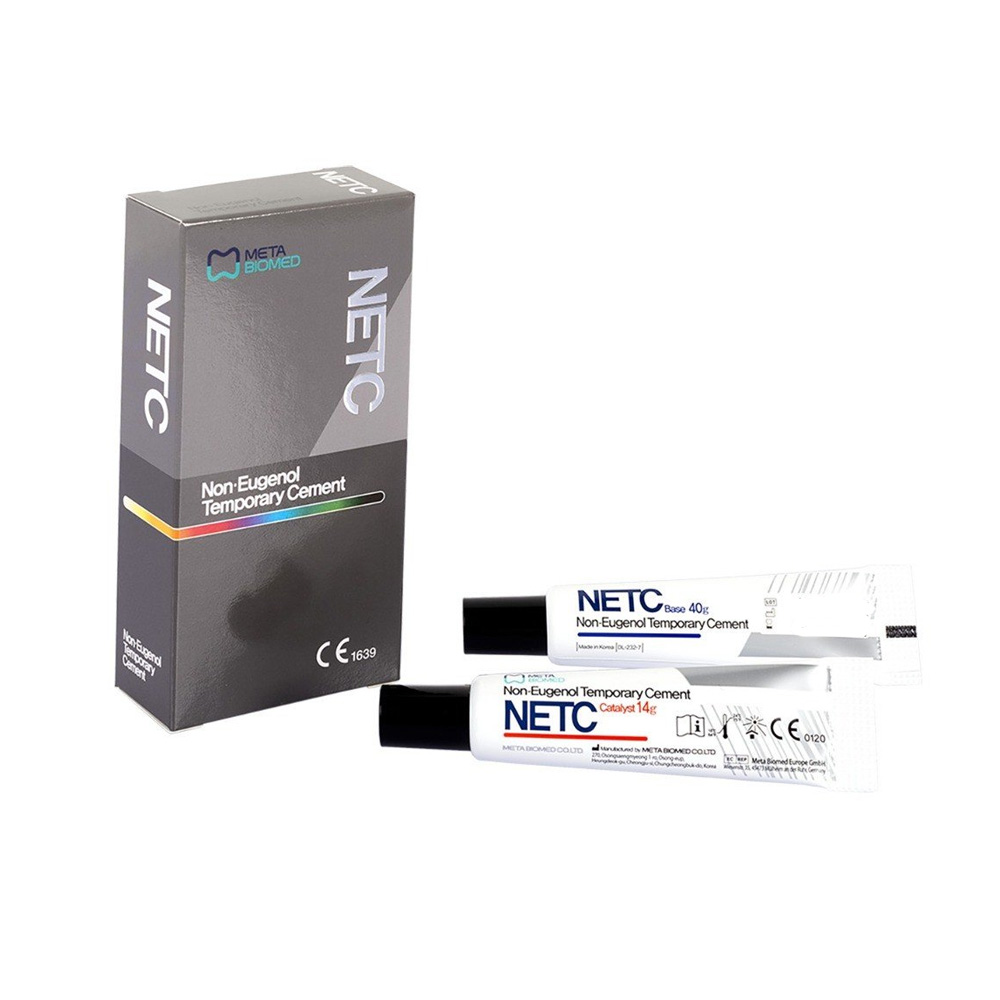
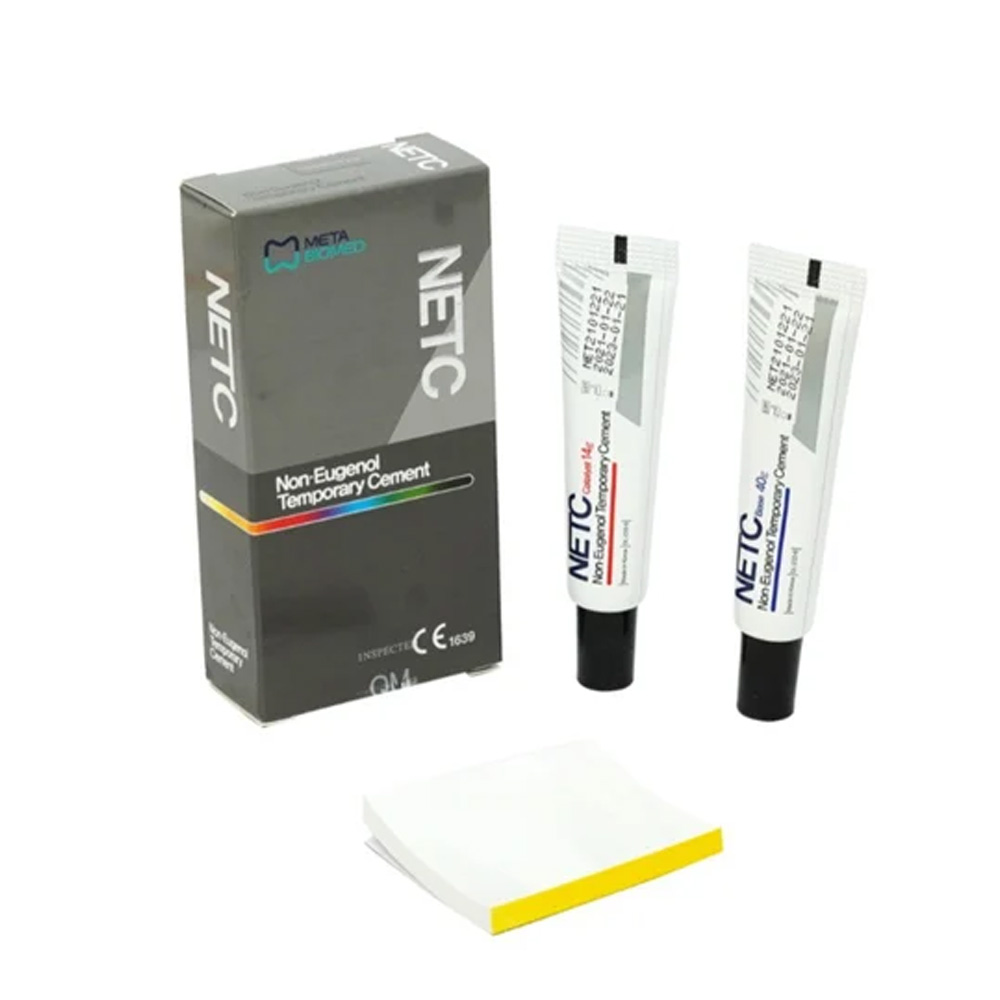
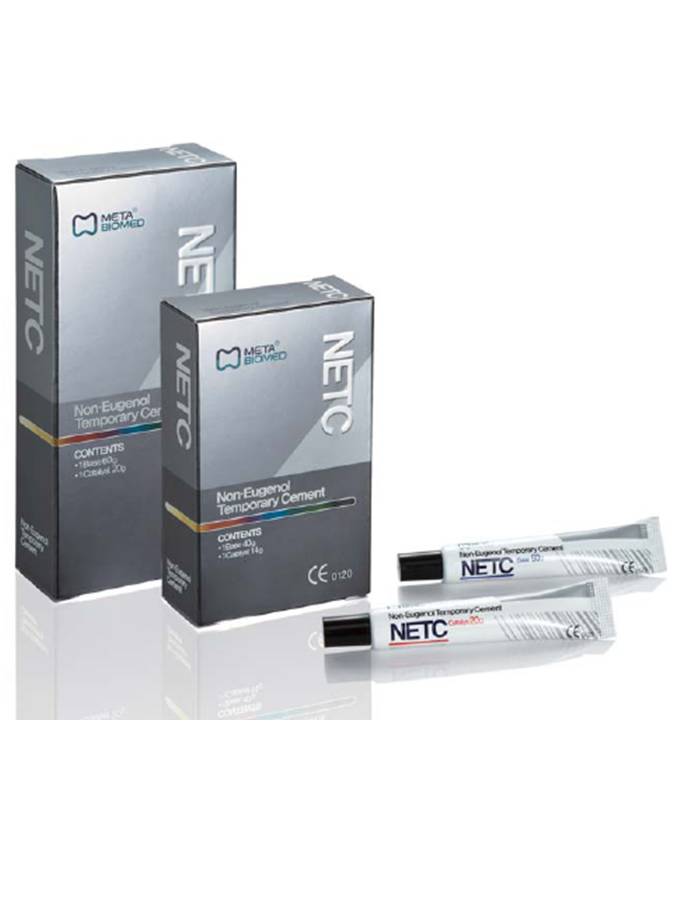
Provisional & Temporary Cements For temporary applications, provisional cements provide essential pulp protection during the fixation of temporary restorations.
Luting Cement Formulations
Water-Based Cements Zinc polycarboxylate, zinc phosphate, and glass-ionomer cement (GIC) in conventional and resin-modified formulations.
Resin-Based Cements Available in self-curing, light-curing, and dual-curing options, with both adhesive and self-adhesive properties.
Oil-Based Cements Zinc-oxide eugenol and temporary GIC for specific clinical requirements, along with oil-free variants such as zinc-oxide non-eugenol.
Shop Luting Cements at Dentalkart
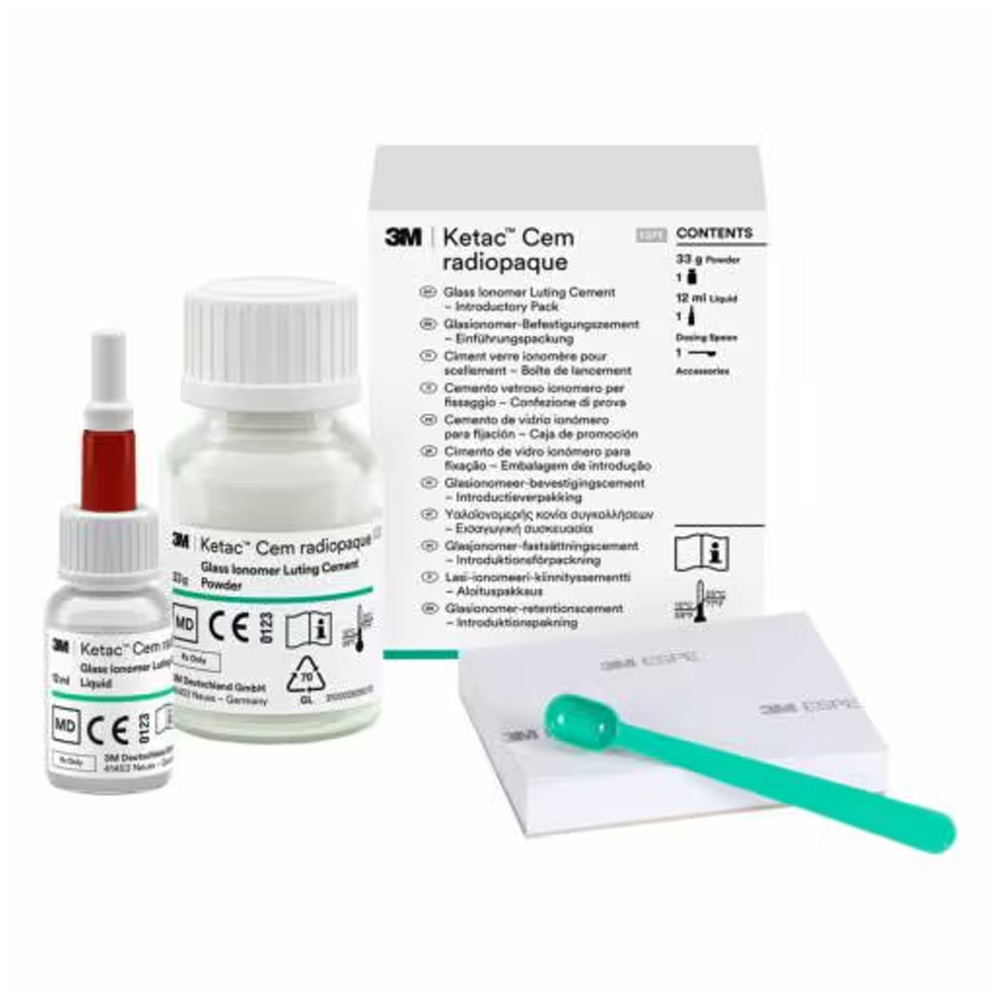
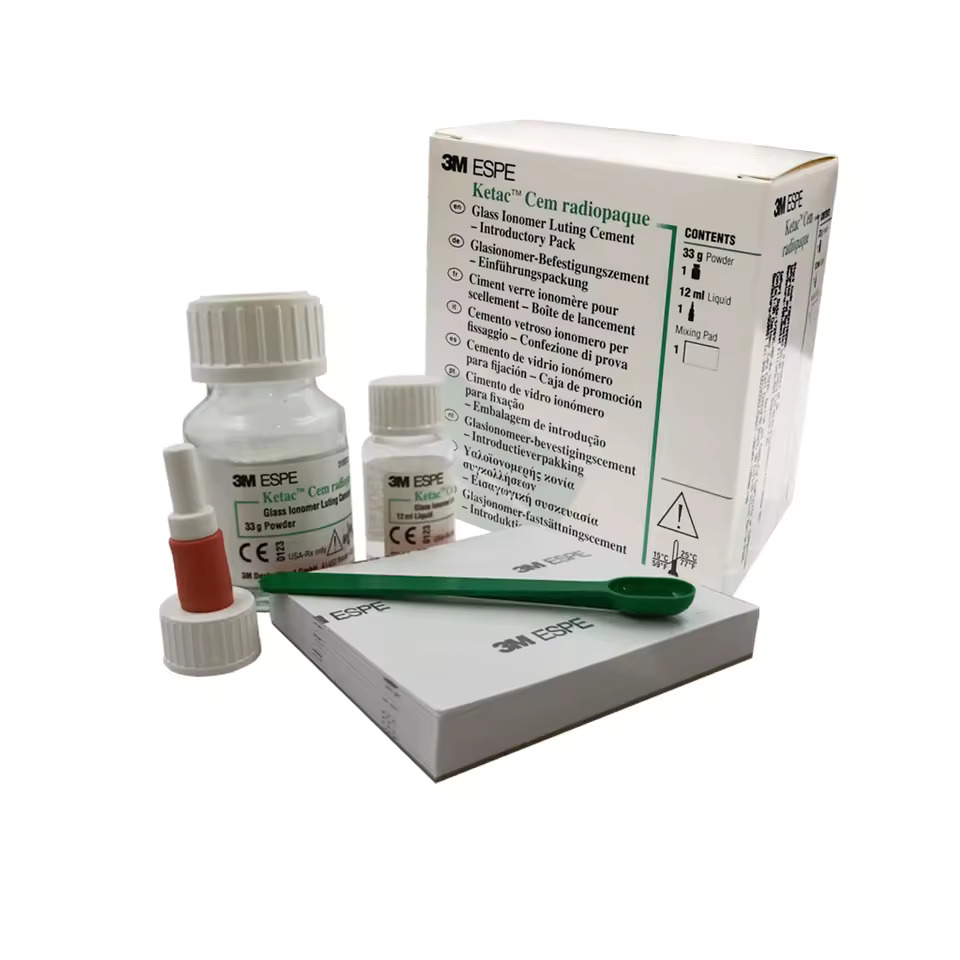
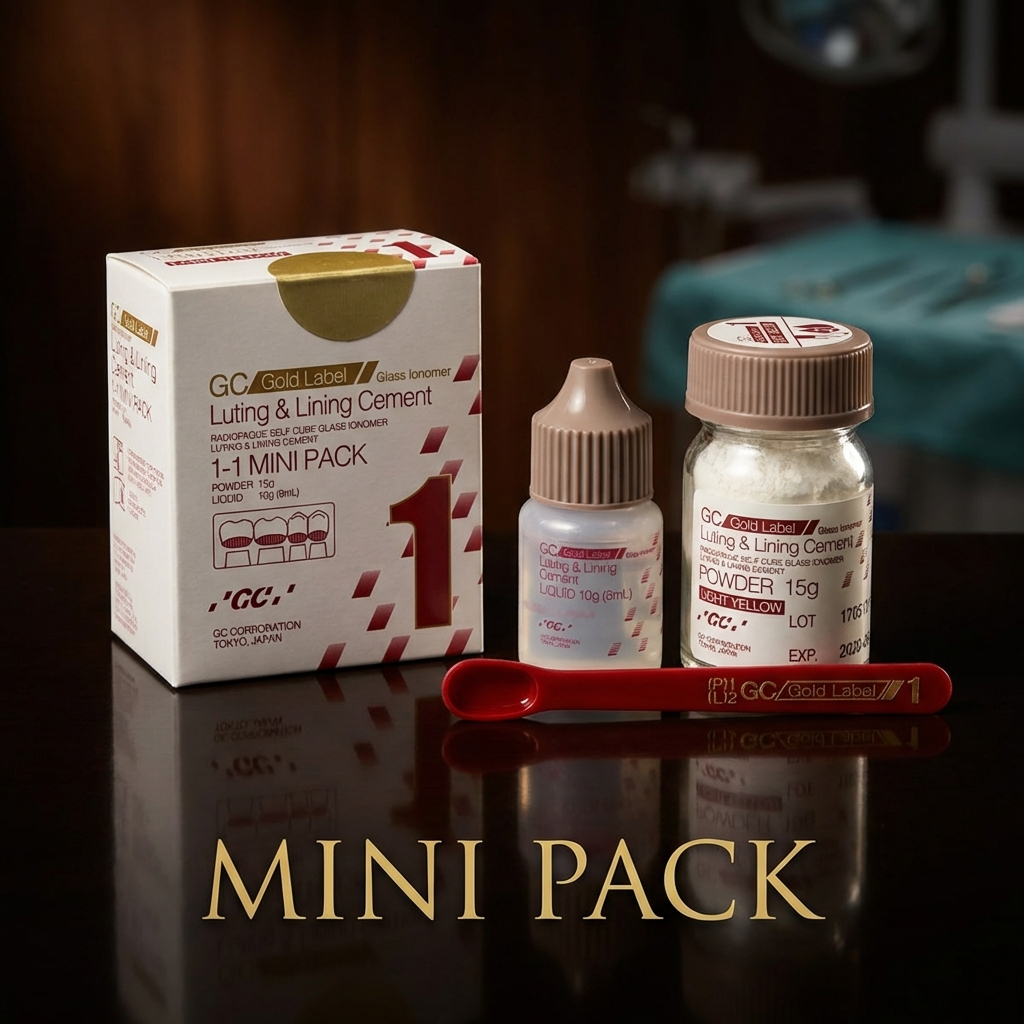
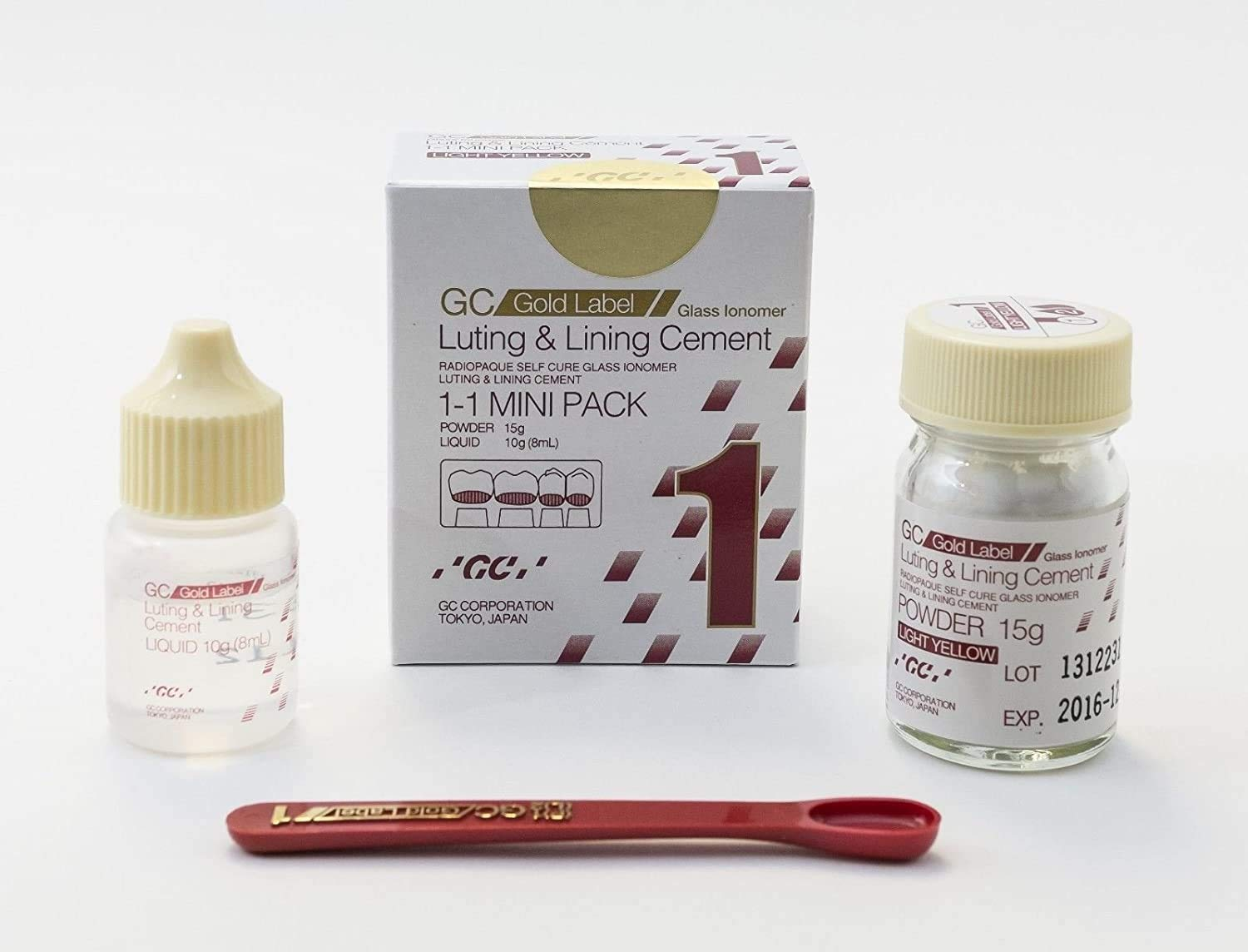
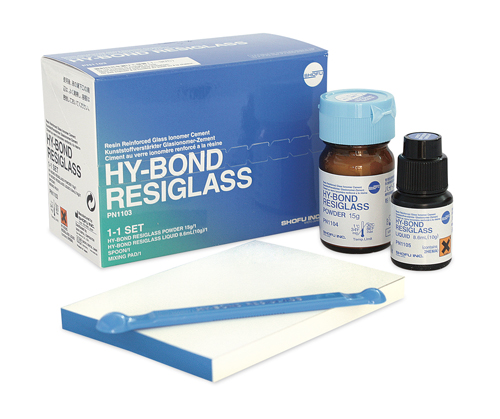
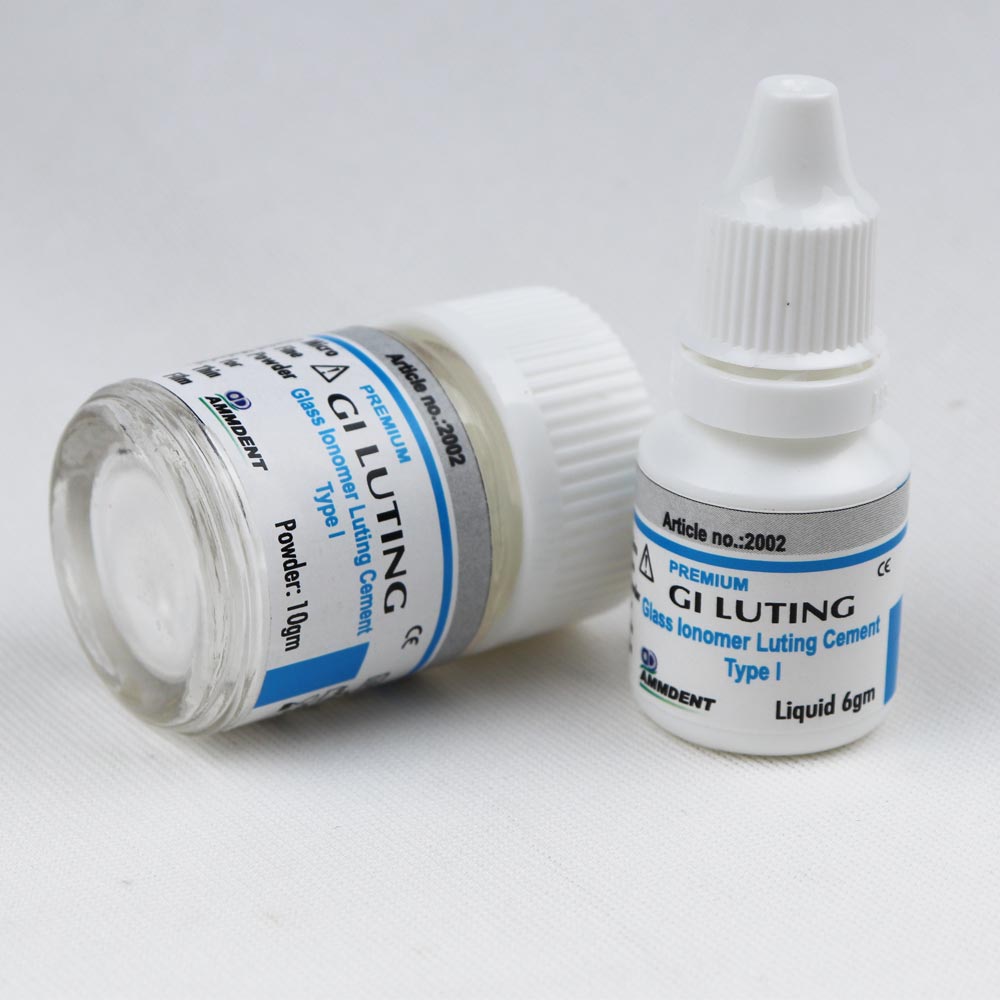
Our luting cements range features products from leading brands including 3M Espe, Ivoclar Vivadent, GC, Voco, Shofu, Coltene Whaledent, Waldent, Ammdent, Medicept, and more — ensuring access to top-quality materials for optimal clinical outcomes and long-lasting restorations.
Frequently asked Questions(FAQs)
Q: What is the meaning of luting in dentistry?
A: Luting cement refers to a type of dental adhesive or cement used to bond dental restorations or prosthetics to the tooth structure. Luting cements are specifically designed to create a strong and durable bond between the dental restoration, such as crowns, bridges, inlays, onlays, veneers, or orthodontic bands, and the natural tooth. They play a crucial role in ensuring the stability, retention, and longevity of dental restoration by providing a reliable and secure attachment. Luting cement come in various types, including adhesive and non-adhesive variants, and they may be categorized based on their composition.
Q: What is the classification of luting cement?
A: Based on Composition:
- Zinc Phosphate Cement: Traditional luting cement composed of zinc oxide powder and phosphoric acid liquid.
- Glass Ionomer Cement (GIC): Made of a mixture of fluoro-aluminosilicate glass powder and polyacrylic acid liquid.
- Resin-Modified Glass Ionomer Cement (RMGIC): A modified version of GIC with added resin for improved strength.
- Zinc Polycarboxylate Cement: Composed of zinc oxide powder and polyacrylic acid liquid with added polyacrylic acid copolymer.
Based on the Mode of Application:
- Self-curing Luting Cement: Sets automatically without the need for external light or activation.
- Light-curing Luting Cement: Requires light activation for setting and curing.
- Dual-curing Luting Cement: Combines self-curing and light-curing properties for versatility.
Based on Use:
- Permanent Luting Cement: Used for long-term dental restorations or prosthetics like crowns, bridges, etc.
- Temporary Luting Cement: Used for provisional restorations or temporary fixes.
Based on Properties:
- Adhesive Luting Cement: Forms an adhesive bond with both the tooth structure and the restoration.
- Non-Adhesive Luting Cement: Provides mechanical retention without forming an adhesive bond.
Q: What is the composition of luting cement?
A: The general components of different luting cements include:
Powder:
- Zinc oxide: Provides the main bulk and strength to the cement.
Fluoro-aluminosilicate glass: Commonly used in glass ionomer cements (GICs). - Polyacrylic acid copolymer: Found in zinc polycarboxylate cements.
Liquid:
- Phosphoric acid: Used in zinc phosphate cements.
- Polyacrylic acid: Utilized in GICs and zinc polycarboxylate cements.
- Resin matrix: Present in resin-modified glass ionomer cements.
Additional Components:
- Water: Required for the mixing process of some luting cements.
- Radiopaque fillers: Added to improve visibility on X-rays for easy detection.
Q: What are the key differences between adhesive and non-adhesive luting cements, and when should I use each type?
A: Adhesive luting cements form strong bonds with tooth hard tissues and restorations, while non-adhesive cements provide mechanical retention. Use adhesive cements for long-term restorations, and non-adhesive cements for temporary fixes.
Q: Which specific type of luting cement is most suitable for bonding zirconia restorations?
A: Resin-based luting cements, particularly self-adhesive or dual-curing variants, are ideal for bonding zirconia restorations due to their excellent bonding capabilities and long-term stability.
Q: What is the recommended technique for using glass-ionomer cement (GIC) in pediatric restorative procedures?
A: When using GIC for pediatric restorations, proper isolation and moisture control are crucial for ensuring the best results. Additionally, using a resin-modified GIC may offer improved aesthetics and strength for such cases.
Q: Are there any temporary luting cements that can be used for provisional restorations with challenging retention?
A: Yes, certain temporary luting cements, like zinc-oxide non-eugenol-based options, provide enhanced retention for challenging provisional restorations while still allowing for easy removal when needed.
Q: I'm looking for a reliable luting cement that offers long-term durability for CAD/CAM restorations. Any suggestions?
A: Resin cements are highly recommended for bonding CAD/CAM restorations due to their exceptional adhesive properties and long-term durability, providing reliable and lasting results.
Q: Can I use a resin-modified glass-ionomer cement as a base for amalgam restorations?
A: Yes, a resin-modified glass-ionomer cement can be used as a base for amalgam restorations, as it offers better adhesion and chemical bonding to both the tooth structure and the amalgam.
Q: Are there any specific precautions I should take when using zinc phosphate cement for long-span bridges?
A: When using zinc phosphate cement for long-span bridges, ensure proper mixing and adequate working time to facilitate accurate cementation. Additionally, consider using a temporary cement for a trial period before applying the definitive cement.
)
 25
25
Only 5 Left
8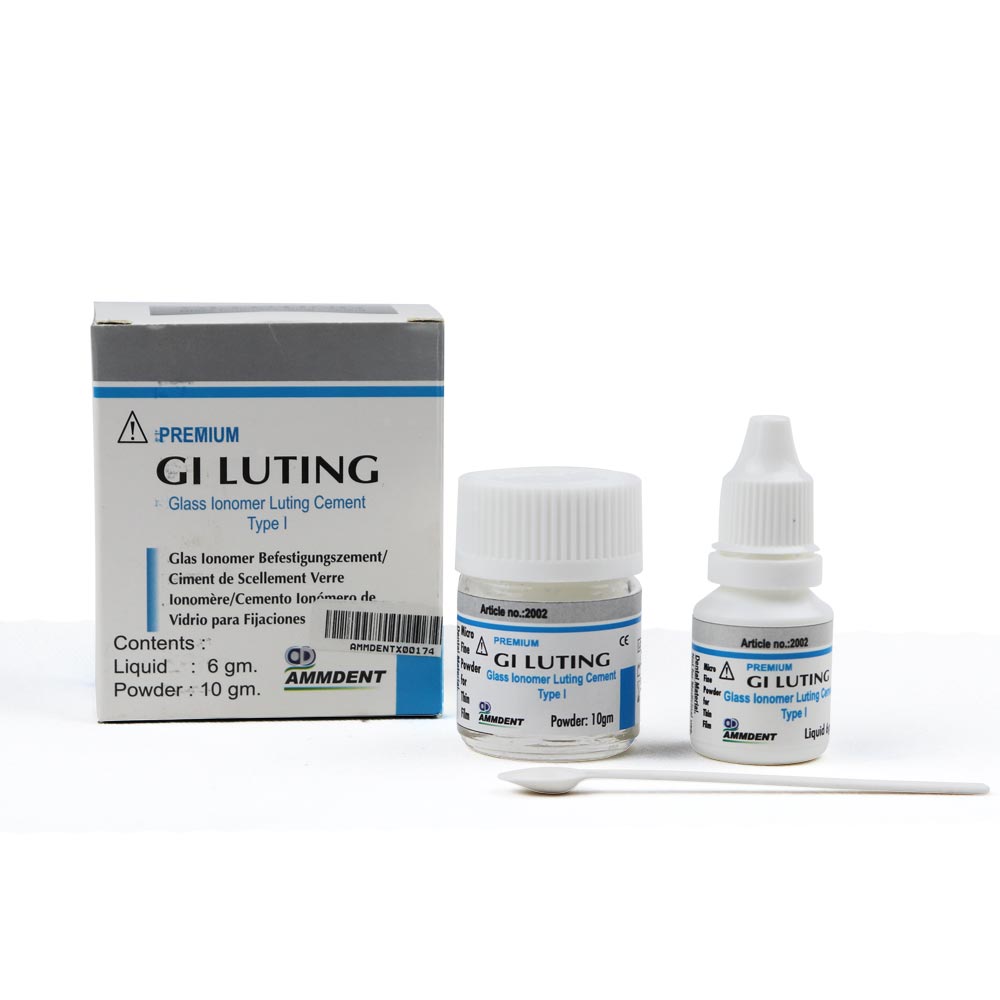
 15
15
 13
13 10
10 24
24