





Pain Relievers
4.8
Dental pain relievers ease the everyday aches of the mouth — a mouth ulcer, sore or bleeding gums, an aching tooth or post-treatment tenderness — with topical gels, oral pastes and antiseptic gum paints applied straight to the sore spot. They calm the symptom while the underlying cause is treated, spanning ulcer gels, analgesic oral gels and gum paints.
Sort by - Recommended
 Recommended
 Price- High to LowPrice- Low to High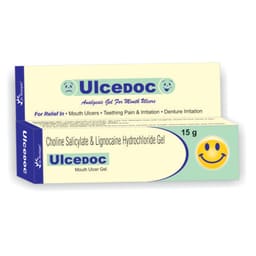

★ 4.7
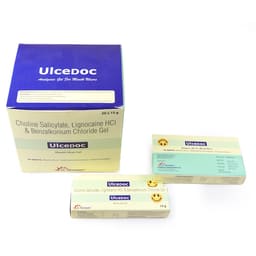
(11)choline salicylate, lignocaine HCI & benzalkonium chloride mouth ulcer gel
₹ 345₹ 1800
80.83% Off
 5
5View Similar Products

★ 5.0
(2)55.97% Off
21View Similar Products

★ 4.6
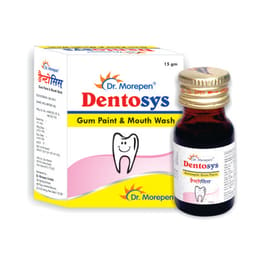
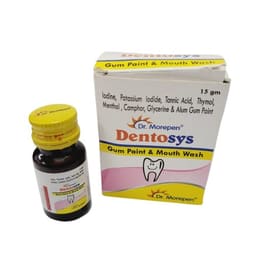
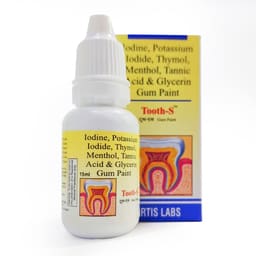
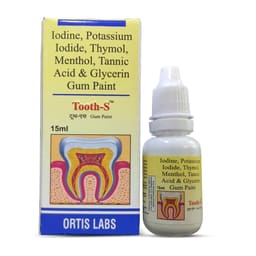
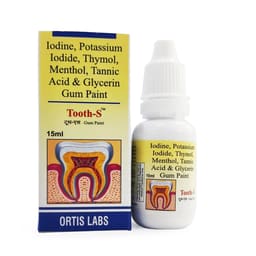
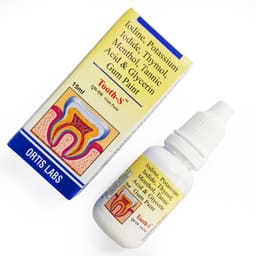
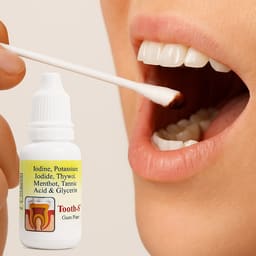
(57)Gum Paint (astringent) contains Iodine, Tannic Acid, Glycerin, Menthol, and Thymol to relieve gum pain, inflammation, and support oral healing.
₹ 40₹ 92
56.52% Off
1View Similar Products
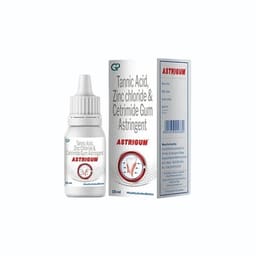
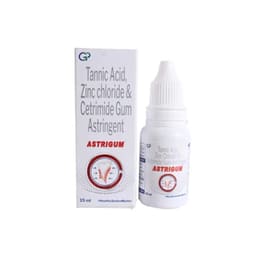
Astrigum gum paint relieves gum infections reduces inflammation firms tissues and alleviates pain
₹ 2305₹ 2736
15.75% Off
23View Similar Products
★ 5.0
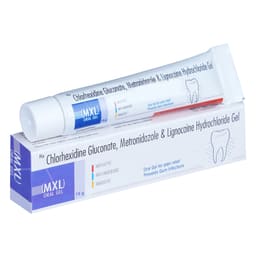
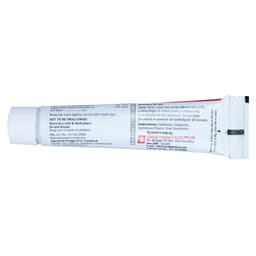
(1)A medicated gel offering pain relief, infection control, and healing support for mouth ulcers
₹ 799₹ 880
9.20% Off
16View Similar Products
NOTIFY ME
57.30% Off
6View Similar Products
NOTIFY ME
Effective gel for relieving mouth ulcer pain, reducing swelling, and promoting healing
₹ 870₹ 940
7.45% Off
15View Similar Products
Filters
Sort By
RecommendedDental Pain Relievers — Fast, Topical Relief for a Sore Mouth
Oral pain has many sources — an ulcer that catches on food, gums left tender after scaling, a tooth that aches before a dentist can see it. Topical pain relievers are what a patient reaches for in the meantime: a gel, paste or paint dabbed onto the spot that numbs, soothes and protects it for a while. They do not fix what is wrong, but they make the wait bearable and support healing on the surface, which is why they sit in almost every home and clinic first-aid drawer.
What they soothe
Mouth ulcers and oral lesions
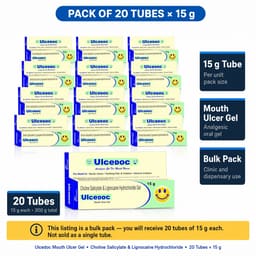
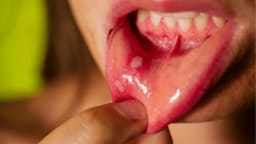
Aphthous ulcers, cheek bites and denture sores are small but sharply painful, and a protective gel over the spot dulls the sting and shields it while it heals. The Dr. Morepen Ulcedoc Gel is a topical example for that kind of oral lesion.
Toothache and post-treatment pain
An aching tooth before an appointment, or tenderness after an extraction or filling, responds to a topical analgesic gel that quiets the area temporarily. The Sandika Gee-X Pain Relieving Gel is one such oral gel for short-term relief.
Sore, bleeding or inflamed gums
Gingivitis, spongy gums and post-scaling soreness are helped by an antiseptic-astringent gum paint that tones the tissue and cuts surface bacteria. The Ortis Tooth-S Gum Paint combines iodine, tannic acid, menthol and thymol for that gum-focused relief.
Sensitivity and other discomfort
The rest of the range covers everyday oral irritation — desensitising aids for teeth that wince at hot and cold, and combined analgesic-antiseptic gels that tackle pain and minor infection together.
Relief, not a cure
These products treat the symptom, not the reason for it. A gel will quiet a toothache for a few hours, but the decay, crack or infection behind it still needs a dentist. Used sensibly they buy comfort and time; used as a substitute for treatment they only mask a problem that is getting worse, so persistent or severe pain should always be assessed clinically.
Where these sit in the dispensary
Pain relief is one shelf of a clinic's medicine cabinet, alongside antibiotics, antiseptics and emergency drugs. The wider pharmacy range holds those medicines that a practice dispenses or keeps on hand beyond topical relief.
When numbing is needed instead
An over-the-counter gel takes the edge off, but a clinical procedure needs proper anaesthesia. Injectable and stronger topical numbing agents used chairside sit in the local anaesthesia range, which is a different, prescription-grade category from these self-applied relief gels.
Using them safely
Topical relievers are for short-term, external use in the mouth — applied to the affected spot, not swallowed, and only as often as the label allows. Age guidance matters, since some formulations are not suitable for very young children, and anyone on other medication or with an allergy should check the ingredients first. They are a stopgap for comfort, best paired with treating the cause.
Why buy pain relievers from Dentalkart
Buying these from Dentalkart puts genuine, in-date oral pain-relief products in the same order as the rest of a clinic's supplies, so a gum paint or ulcer gel is reordered alongside the consumables it sits beside rather than sourced from a separate chemist. Stock is listed with its ingredients and pack sizes, making it easy to pick the right formulation for the complaint.
Frequently Asked Questions (FAQs):
Why are dental pain relievers used after scaling or extraction?
Dental pain relievers are used after scaling or extraction to settle the raw, tender tissue those procedures leave behind. A topical gel or gum paint over the site dulls soreness, calms inflamed gums and shields the area from food while it recovers, giving a patient short-term comfort in the hours and days before the tissue heals.
Is a numbing oral gel different from an antiseptic oral gel?
A numbing oral gel and an antiseptic oral gel do different jobs. A numbing (analgesic) gel contains a local anaesthetic that deadens sensation on an ulcer or sore tooth for short-term pain relief; an antiseptic gel or gum paint carries agents like iodine or thymol that cut bacteria on inflamed gums. Many combined gels do both at once.
Which pain reliever should you use for sore, bleeding gums?
For sore, bleeding gums, an antiseptic-astringent gum paint is the right choice, since its iodine and tannic-acid base tightens the tissue and reduces the surface bacteria behind the bleeding. A plain analgesic gel only numbs and suits a localised ulcer or tooth instead. For gum problems, reach for the paint and keep up regular brushing and cleaning.
How often should a dental pain-relief gel be applied?
A dental pain-relief gel should be applied only as often as its pack states, not whenever pain returns. Most topical oral gels go onto a clean, dry spot a few times a day, spaced several hours apart. Overusing them risks irritation, and if the pain outlasts two or three days of use, a dentist should check the cause.
How does Dentalkart make sure its pain relievers are genuine and safe?
Dentalkart keeps its pain relievers genuine and safe by sourcing every gel and gum paint through the brand owner or an authorised distributor, not a grey channel. Each listing shows the ingredients, pack size and expiry, and stock ships with batch details, so the formulation and shelf life of a medicine are clear before it reaches the clinic cabinet.