





Proton pump inhibitors/Dopamine antagonists
 Recommended
 Price- High to LowPrice- Low to High

 15
15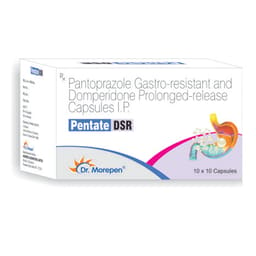
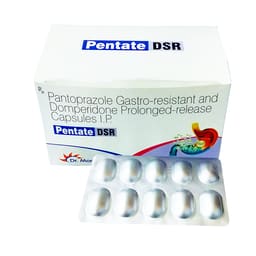
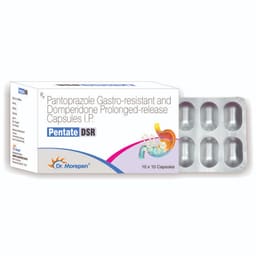
 5
5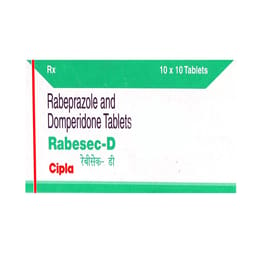
 4
4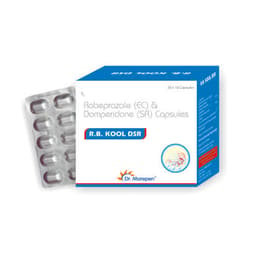
 8
8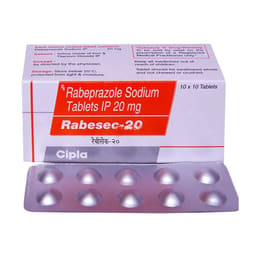
 4
4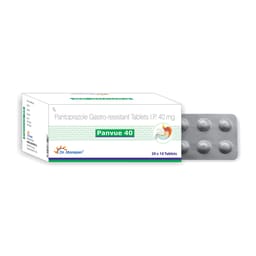
 5
5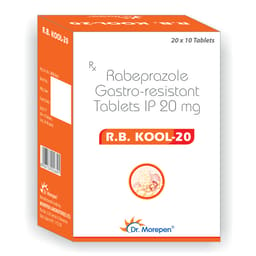
 10
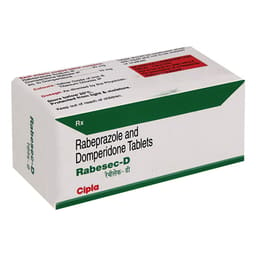
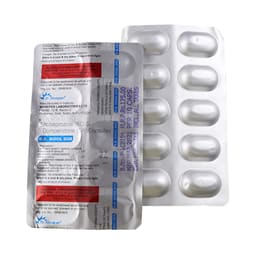
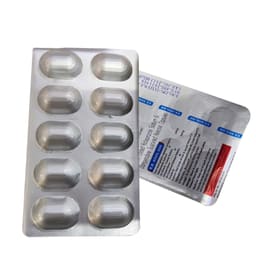
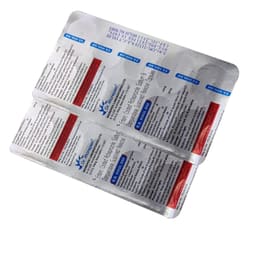
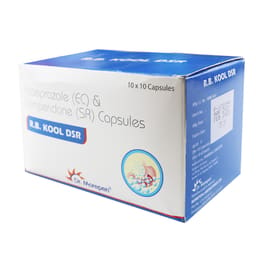
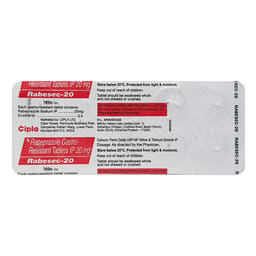
10Proton Pump Inhibitors (PPIs) and Dopamine Antagonists are medications used to manage acid-related disorders and gastrointestinal symptoms — PPIs reduce stomach acid production to treat gastritis, gastroesophageal reflux disease (GERD), and peptic ulcers, while dopamine antagonists act as antiemetics to control nausea and vomiting.
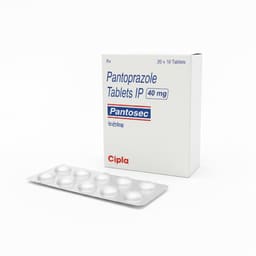
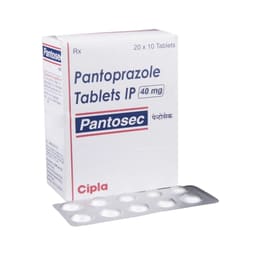
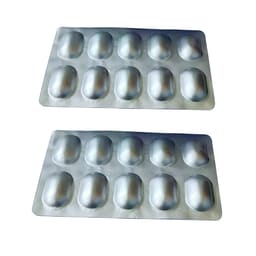
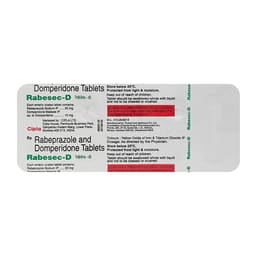
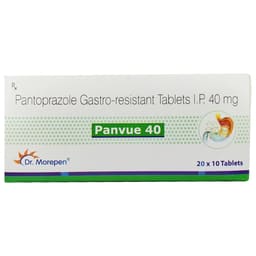
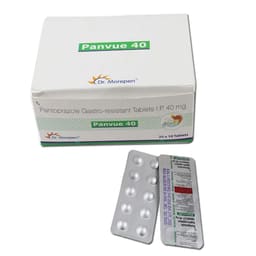
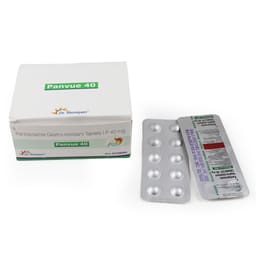
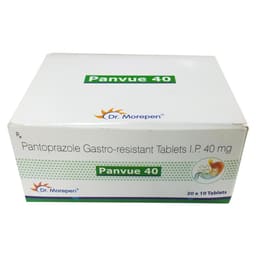
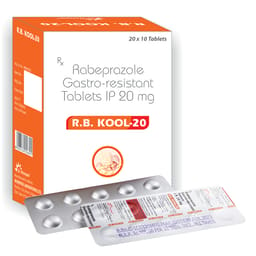
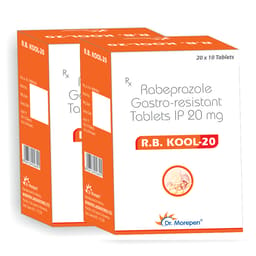
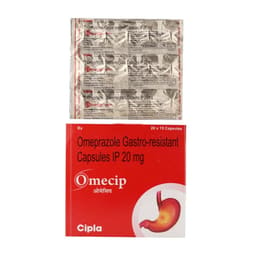
This category includes clinically reliable options such as Pantoprazole, Rabeprazole, Omeprazole, and combination formulations of Pantoprazole with Domperidone. These medications are essential in protecting the gastrointestinal lining and controlling excessive acid secretion and motility-related symptoms.
Role in Dental and Medical Practice
Although not directly involved in dental procedures, PPIs and dopamine antagonists have indirect but significant relevance in dental care. Dentists often encounter patients with a history of gastrointestinal disorders, especially among those with:
- Chronic use of NSAIDs or antibiotics
- Stress-induced gastritis
- Peptic ulcers
- Medication-induced nausea
- Reflux-related oral symptoms such as erosion or halitosis
Prescribing PPIs or combination therapy helps maintain patient comfort during and after treatment, especially in cases where anti-inflammatory or pain-relieving medications are used.
Clinical Applications and Use Scenarios
- Prophylaxis in NSAID or antibiotic therapy
Dentists frequently prescribe PPIs alongside anti-inflammatory medications or antibiotics to prevent gastrointestinal side effects, especially in sensitive or elderly patients.
- Managing medication-induced nausea
Domperidone-containing combinations help reduce nausea and bloating caused by dental drug regimens, especially in anxious or gastritis-prone individuals.
- Protecting gastric mucosa
In patients with a known history of ulcers, reflux, or hyperacidity, PPIs serve as protective agents, improving treatment adherence and patient comfort.
- Supporting medically compromised patients
Individuals with diabetes, cardiovascular disorders, or autoimmune conditions often require polypharmacy. PPIs and dopamine antagonists help safeguard their gastrointestinal integrity during dental or medical treatment.
Benefits of Buying from Dentalkart
- Authentic, pharmacy-grade products from reputed brands
- Clinically approved dosages in convenient formulations
- Options for both standalone PPIs and combination therapies
- Consistent availability for clinic and patient needs
- Affordable pricing and fast delivery to your location
Dentalkart ensures that every product listed under this category is evaluated for safety, efficacy, and ease of use, helping both practitioners and patients manage gastrointestinal support therapy effectively.
Guidelines for Use
- Administer PPIs preferably on an empty stomach, usually before breakfast
- Domperidone-containing medications are typically taken 15–30 minutes before meals
- Avoid combining with acidic beverages or heavy meals
- Do not crush or chew gastro-resistant tablets
- Consult a physician if symptoms persist or worsen despite ongoing therapy
FAQs – Proton Pump Inhibitors / Dopamine Antagonists
When should dentists prescribe PPIs like Pantoprazole?
Dentists may prescribe PPIs when anti-inflammatory medications are used for extended periods or when the patient has a history of acidity, ulcers, or gastrointestinal sensitivity.
What is the benefit of Pantoprazole with Domperidone?
This combination provides relief from both gastric acid and motility-related symptoms like bloating, nausea, and indigestion, making it ideal for comprehensive gastric protection.
Are these medications safe for long-term use?
PPIs are generally safe for short- to medium-term use. Long-term use should be monitored by a physician due to potential effects on nutrient absorption and gut flora.
Can these medications be taken with antibiotics or painkillers?
Yes, in fact, they are often prescribed alongside antibiotics or NSAIDs to prevent gastric irritation or ulcers.
Are gastro-resistant tablets different from regular tablets?
Yes, gastro-resistant tablets are coated to withstand stomach acid and dissolve in the intestine, ensuring proper absorption and effectiveness.