


Rubber Base Material
Rubber base material is the umbrella term for elastomeric (rubber-form) dental impression materials — addition silicone (VPS), condensation silicone (C-silicone), polyether and bite-registration elastomers — used for crown, bridge, implant, denture and orthodontic impressions. Dentalkart stocks 30+ SKUs from Zhermack, 3M, Dentsply, Coltene, GC and Heraeus Kulzer. Trusted by 50,000+ dentists across 110000+ Indian pincodes.
 Recommended
 Price- High to LowPrice- Low to High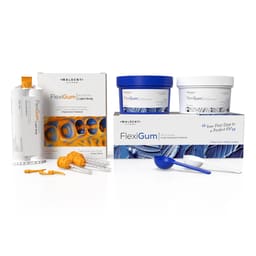

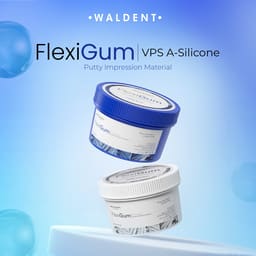
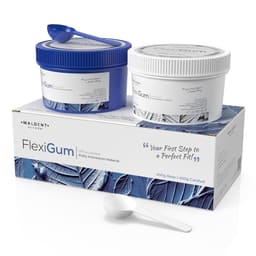
 105
105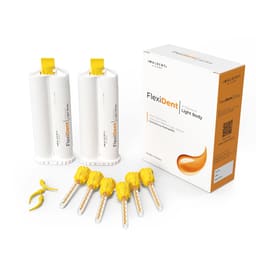
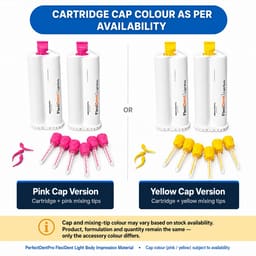
 55
55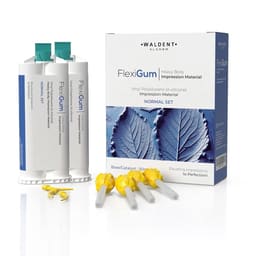
 60
60ZHEXX00112.jpg?w=256)
ZHEXX00112.jpg?w=256)
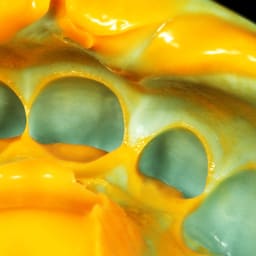
Rubber Base Impression Material — Addition Silicone (VPS), Condensation Silicone & Polyether
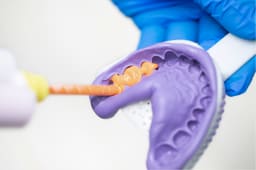
Rubber base material is the umbrella term for elastomeric (rubber-form) dental impression materials — addition silicone (VPS, polyvinylsiloxane), condensation silicone (C-silicone), polyether and bite-registration elastomers — used to capture crown, bridge, inlay, onlay, implant and edentulous impressions with high dimensional stability and tear strength. Dentalkart stocks 30+ rubber base SKUs from Zhermack, Coltene, 3M, Dentsply, GC, Heraeus Kulzer, DMG, Waldent, Prime Dental and more.
Types of Rubber Base Impression Material
Addition silicone (VPS / polyvinylsiloxane)
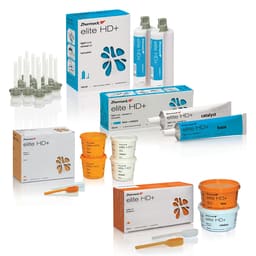
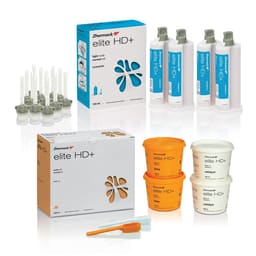
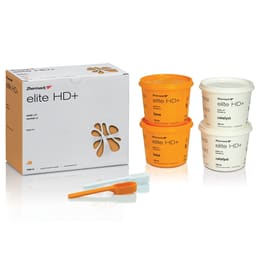
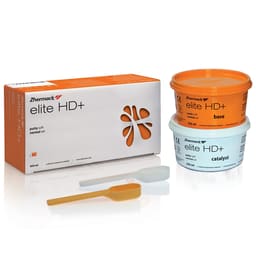
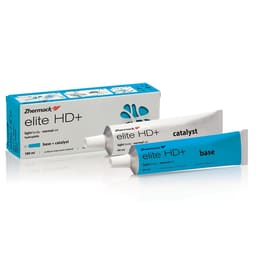
Two-paste putty + light/medium/heavy-body wash VPS with excellent dimensional stability, tear strength and 24-hour pour delay — the modern gold standard for crown and bridge work. For example, Zhermack Elite HD Putty Soft Fast Set.
Condensation silicone (C-silicone)
Two-paste putty + light body C-silicone with shorter shelf life and 1–2 hour pour window but excellent cost-to-detail ratio — still widely used for everyday crown and bridge in high-volume Indian practice. For example, Coltene President Putty & Light Body or Zhermack Zetaplus.
Polyether
Single-paste hydrophilic polyether with superior wettability and detail reproduction in moist subgingival sulci — preferred for implant level pickups and difficult subgingival crown margins. For example, 3M Impregum Soft Polyether.
Monophase and medium-body elastomers
Single-viscosity monophase rubber base material (medium body throughout) for full-arch implant pickups, ortho aligner records, and triple-tray dual-arch impressions where putty + wash isn't needed.
Bite registration elastomers
Fast-set VPS bite-registration cartridges (1:1 mixing) that capture jaw relation, occlusal records and protrusive/lateral excursions for articulator mounting — for example, Heraeus Memosil 2 and Prime Dental Bite Registration.
Functional and lab silicones
Soft polyether-based functional impression material (Detax Detaseal Function) for denture relining and flabby ridges, plus lab duplicating silicones (Zhermack Zetalabor) for cast duplication and refractory model work.
When Rubber Base Material Is Used
- Crown, bridge, inlay, onlay and veneer impressions (single-stage and double-mix)
- Implant pickup and transfer impressions (open and closed tray)
- Full and partial denture secondary impressions on custom trays
- Bite registration and articulator mounting records
- Orthodontic study models and clear-aligner intra-oral records
- Triple-tray dual-arch quadrant impressions
- Lab duplication and refractory model work
How to Choose the Right Rubber Base Material
- Pick VPS (addition silicone) for crown and bridge when 24-hour pour delay is needed or when impressions ship to a remote lab.
- Pick polyether (3M Impregum) for difficult subgingival margins, implant pickups, and any case where hydrophilicity matters most.
- Pick condensation silicone (Coltene Speedex, Zetaplus) for everyday cost-conscious crown and bridge — pour within 1–2 hours.
- Pick viscosity by technique — putty + light body wash for single-stage, heavy body + light body for double-mix, monophase for full-arch and quadrant.
- Always use the manufacturer-matched tray adhesive; mismatched adhesives debond elastomers during withdrawal.
- Verify lot, manufacturing date and expiry on every box; condensation silicones have shorter shelf life than VPS.
Rubber Base Brands at Dentalkart
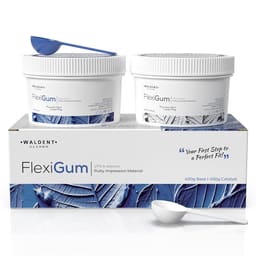
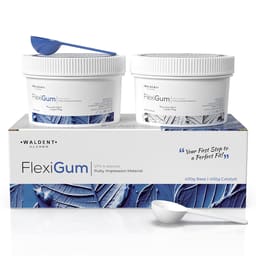
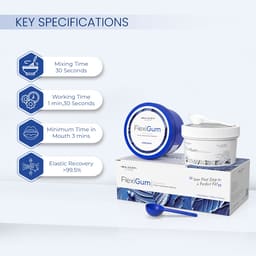
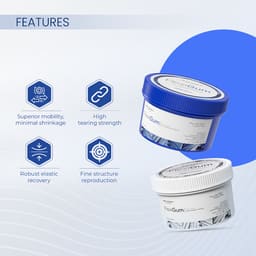
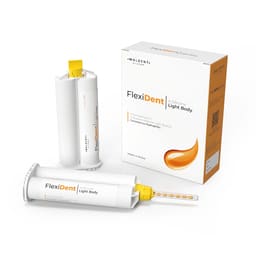
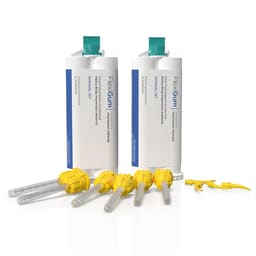
Dentalkart's rubber base impression material range includes Zhermack (Elite HD, Zetaplus, Hydrorise, Elite Glass, Zetalabor), 3M (Impregum, ESPE Monophase polyether), Dentsply (Aquasil VPS), Coltene (President, Speedex, 4Affinis), GC (Flexceed), Heraeus Kulzer (Optosil P Plus C-silicone, Variotime VPS, Memosil bite registration), DMG (Honigum), Waldent (Flexigum, Flexident), Prime Dental (Ad-Sil Acura, bite registration), Prevest Denpro (Accusil), DPI (Photosil), Medicept, Detax, NeoEndo, Neosil and Dental Avenue — covering every elastomer chemistry, viscosity and set speed.
Why Buy Rubber Base Material from Dentalkart
Every rubber base impression material is sourced direct from the manufacturer or authorised Indian distributor, ships with lot number, manufacturing date and expiry on every box, and reaches 110000+ pincodes across India with COD on most SKUs. Pair rubber base material with matched impression materials — alginate, tray adhesives, mixing tips — from one trusted catalogue serving 50,000+ dentists and dental colleges.
Frequently Asked Questions (FAQs):
What is rubber base impression material?
Rubber base impression material is the umbrella term for elastomeric (rubber-form) dental impression materials — addition silicone (VPS), condensation silicone (C-silicone), polyether and polysulfide. They set to a flexible rubber that captures fine surface detail without tearing on withdrawal, used for crown, bridge, implant, denture and orthodontic impressions.
What is the difference between addition silicone and condensation silicone?
The difference between addition silicone (VPS) and condensation silicone (C-silicone) is the polymerisation reaction and shelf life. VPS uses platinum-catalysed addition polymerisation with no by-products and stays dimensionally stable for 24 hours plus. C-silicone uses tin-catalysed condensation polymerisation, releases ethanol as a by-product and must be poured within 1–2 hours.
Which rubber base material is best for crown and bridge work?
The best rubber base material for crown and bridge work is addition silicone (VPS) like Zhermack Elite HD or Dentsply Aquasil, or polyether like 3M Impregum. VPS offers tear strength and 24-hour pour delay; polyether wins on hydrophilicity and detail in moist subgingival margins around prepared teeth.
Can I use rubber base material for implant impressions?
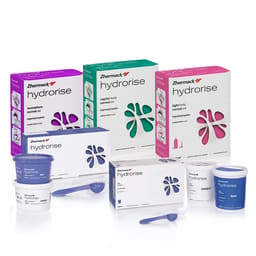
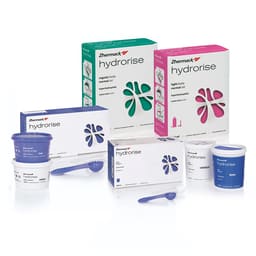
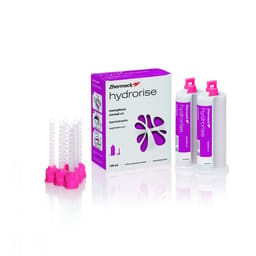
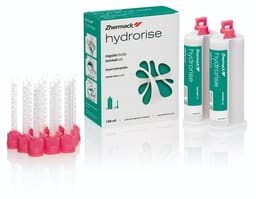
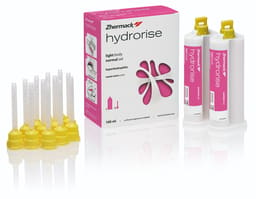
Yes, you can use rubber base material for implant impressions. Polyether (3M Impregum) is the traditional gold standard for open-tray pickup impressions because of its rigidity and hydrophilicity. Heavy-body monophase VPS such as Zhermack Hydrorise also works well for closed-tray transfer impressions where rigidity around the coping is needed.
Are the rubber base materials on Dentalkart genuine with valid expiry?
Yes, every rubber base impression material on Dentalkart is genuine with valid expiry. All Zhermack, 3M, Dentsply, Coltene, GC, Heraeus Kulzer, DMG, Waldent and Prime Dental products are sourced direct from the manufacturer or authorised Indian distributor and ship with the original lot number, manufacturing date and expiry printed on every box.