



Bands
An orthodontic band is a preformed metal ring cemented around a molar to anchor a fixed appliance. Supplied by U Ortho, OSL, and OrthoMetric, it wraps the whole tooth and carries a welded tube or hook so the arch wire, headgear, or space maintainer holds firmly. Bands come non-convertible or prewelded, in MBT and Roth prescriptions sized to each molar.
Sort by - Recommended
 Recommended
 Price- High to LowPrice- Low to High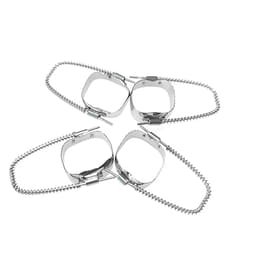
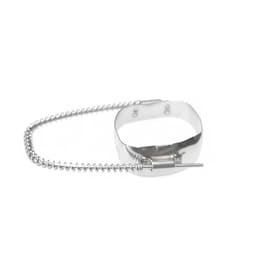
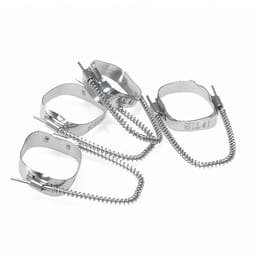
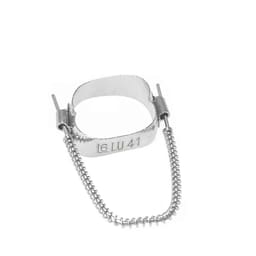
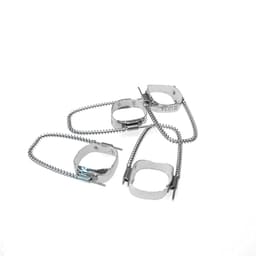
The U Ortho 1st Molar Space Maintainer preserves space after losing a first molar, securing adjacent teeth to prevent shifting.
₹ 2460₹ 5700
56.84% Off
 120
120View Similar Products
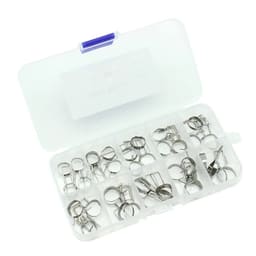
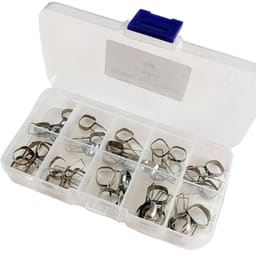
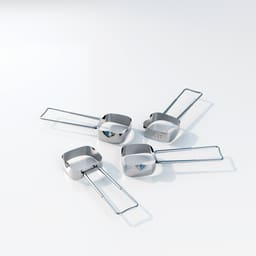
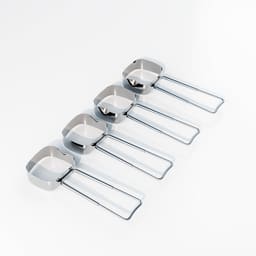
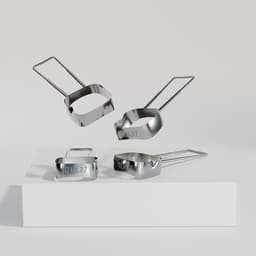
The U Ortho 2nd Molar Space Maintainer preserves space after losing a second molar, securing adjacent teeth to prevent shifting.
₹ 2460₹ 5700
56.84% Off
120View Similar Products
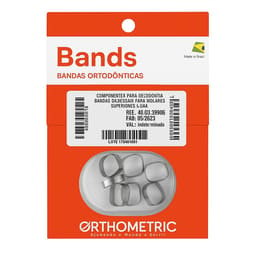
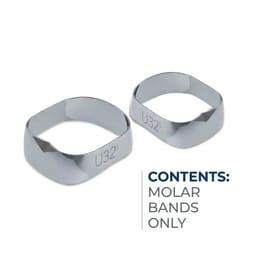
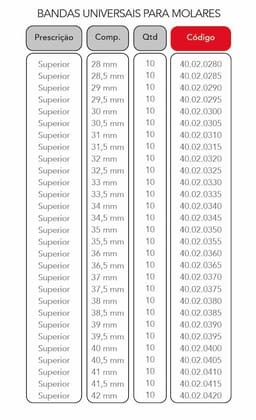
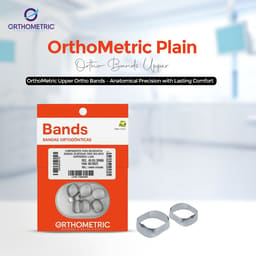
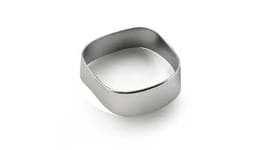
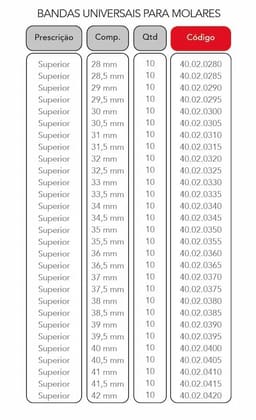
Anatomically designed stainless steel bands for upper quadrant orthodontic use, ensuring comfort and enamel safety.
Starting at₹ 189
View Similar Products
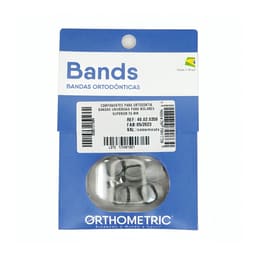
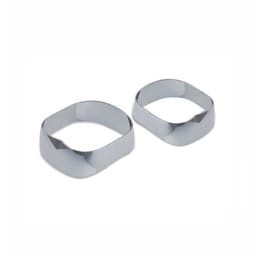
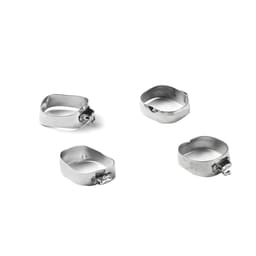
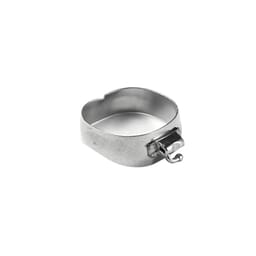
Precision-fit stainless steel molar bands for lower quadrant orthodontic procedures, ensuring safety and comfort.
Starting at₹ 189
View Similar Products
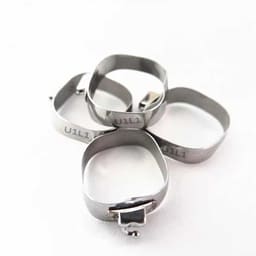
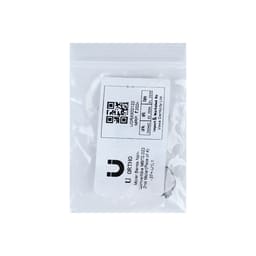
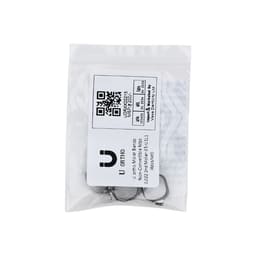

Non-convertible MBT molar bands for 2nd molars; pack of 4 for reliable orthodontic support.
Starting at₹ 125
View Similar Products
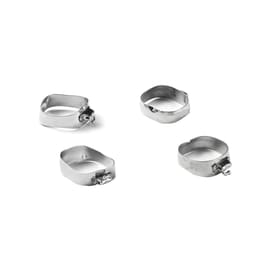
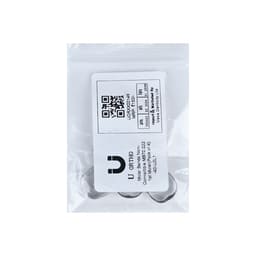
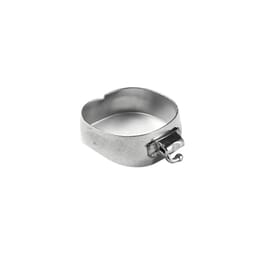
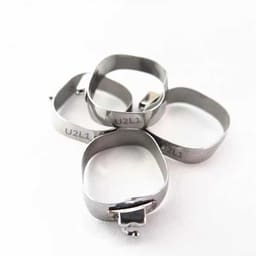
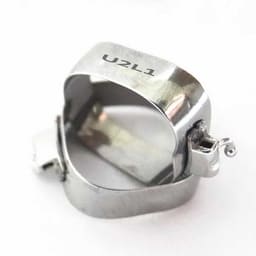
Non-Convertible, preformed molar metal bands
Starting at₹ 105
View Similar Products
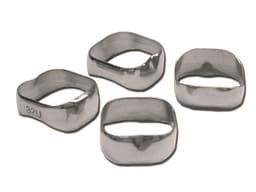
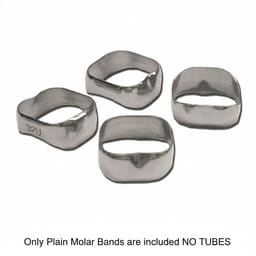
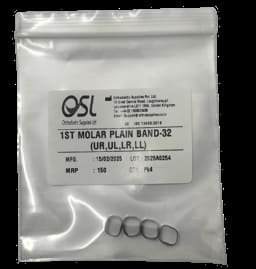
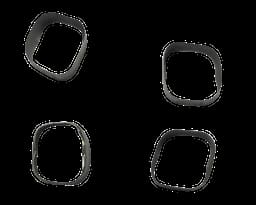
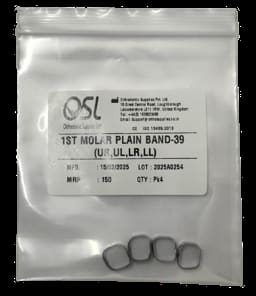
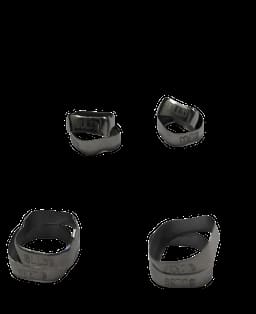
Non-convertible molar bands (sanblasted surface) for 1st molars, providing secure and stable orthodontic anchorage for effective tooth movement
Starting at₹ 100
View Similar Products
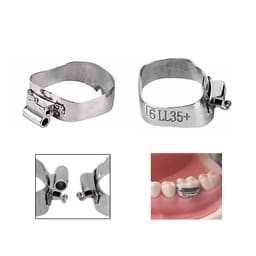
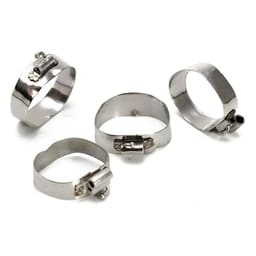
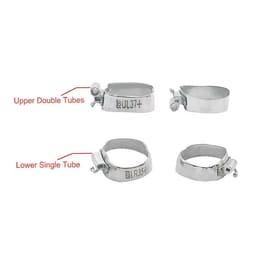
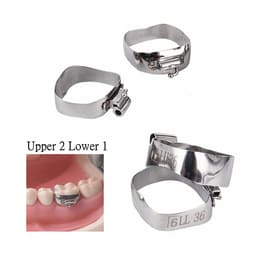
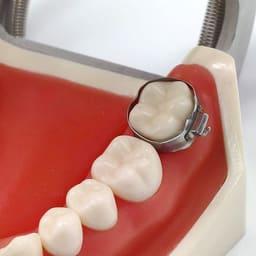
Prewelded MBT 0.022 molar bands (Sandblasted surface) for secure archwire placement, upper/lower compatibility
Starting at₹ 175
View Similar Products
Filters
Sort By
RecommendedOrthodontic Bands
An orthodontic band grips a molar right around its circumference, which gives a fixed appliance a stronger anchor than a bonded attachment on a single surface. That full-tooth hold is why bands carry the tubes and hooks that take an arch wire or headgear force. The welded tube on the band accepts the wire the same way a bonded buccal tube does.
What you can buy here
The range covers preformed molar bands by prescription and format:
- Non-convertible bands — a welded tube fixed for the arch wire, in MBT and Roth for the first and second molars.
- Prewelded bands — the tube already welded on at the factory, sized by torque offset (U2/L1, U3/L2) to fit the tooth.
- Plain bands — a bare ring for welding your own attachment, upper and lower.
- Space-maintainer bands — bands with an attached loop or tube for a fixed space maintainer.
Sizes run across the molar positions; the ring is seated with a band seater and cemented in place.
Why molar bands are worth it
For the back teeth that carry the most force, a band earns its hold:
- Full-circumference grip — the ring wraps the whole tooth, resisting the pull of an arch wire or headgear far better than a bonded tube.
- Carries attachments — a welded tube, hook, or loop is fixed to the band, ready for the wire or auxiliary.
- Reliable on molars — where a bonded tube can shear off a broad, saliva-wet molar, a cemented band stays put.
A bonded tube is quicker on a clean, dry molar, but a cemented band is the choice where retention has to last a full course of treatment. The band is what a fixed space maintainer is anchored to.
How they fit your treatment
A band is sized to the tooth, then cemented as the anchor for the appliance:
- Size — separate the contacts first, then try bands down until one seats with firm resistance.
- Seat — push the band home with a band seater or biting pressure until the margin sits at the gingival level.
- Cement — dry the tooth, fill the band with glass-ionomer cement, seat it fully, and clean off the excess.
Once cemented, the band holds the tube or attachment for the rest of the fixed-appliance phase.
Frequently Asked Questions (FAQs):
Why band a molar instead of just bonding a tube to it?
A molar takes the heaviest force in a fixed appliance and is broad and hard to keep dry, so a bonded tube can debond mid-treatment. A cemented band wraps the whole tooth and grips all the way round, holding far better under arch-wire and headgear load. Bands are the reliable anchor where a bonded tube tends to fail.
Convertible or non-convertible tube — which band do I need?
A non-convertible band has a closed tube that only takes the arch wire. A convertible band has a tube whose cap can be removed to turn it into a bracket for direct bonding or finishing. Choose non-convertible for straightforward anchorage, convertible when you may want to convert the molar attachment later in treatment.
How is a band sized to fit the tooth?
Fit is by trial. After placing separators to open the contacts, try progressively smaller bands until one seats with firm resistance and its margins sit at the gum line without rocking. A band that slides on loosely is too big and will not retain. Prewelded bands are additionally sorted by torque offset to match the tooth.
Should the band prescription match my brackets?
Match the band prescription to the bracket system in use, since the welded tube carries the same values. If the case is set up in MBT, the molar bands should be MBT so the tip and torque are consistent across the arch. Roth bands pair with a Roth setup. Mixing prescriptions on one arch is avoided.
What cement holds an orthodontic band?
Glass-ionomer cement is standard for banding: it bonds to enamel and metal, releases fluoride under the band, and is easy to clean up. The tooth is dried, the band filled and seated fully, and the excess wiped before it sets. A well-cemented band stays retentive for the whole fixed phase without washing out.