





Pedodontics
4.7
Pedodontics student materials are the child-sized instruments and supplies a dental student uses for paediatric operative, restorative, and minor surgical work. The range covers spoon excavators, condensers, matrix bands, rubber-dam tools, intro-endo files, and pedo extraction forceps from GDC, Waldent, and Oracraft. Each metal instrument is autoclavable stainless steel, sized for primary teeth.
Sort by - Recommended
 Recommended
 Price- High to LowPrice- Low to High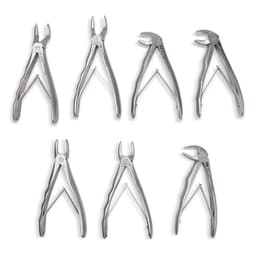

Only 5 Left
★ 5.0
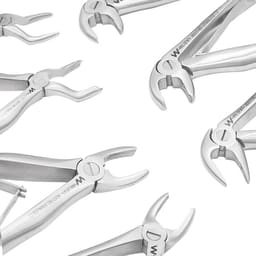
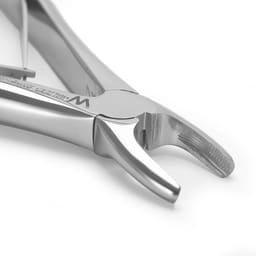
(1)Premium 7-piece pediatric extraction forceps kit for precise and atraumatic primary tooth extractions.
₹ 7705₹ 13980
44.89% Off
 385
385View Similar Products
★ 5.0
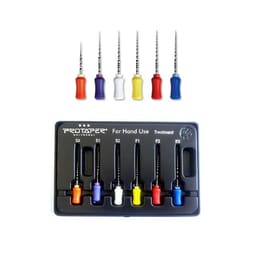
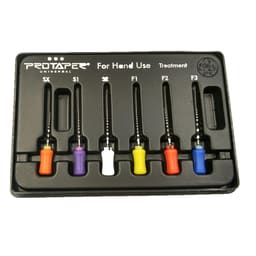
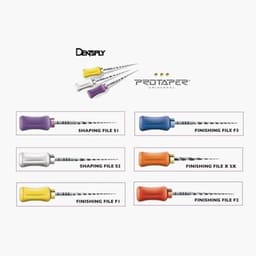
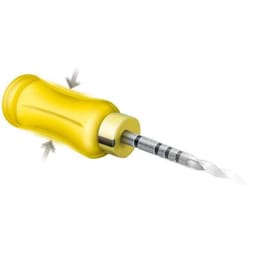
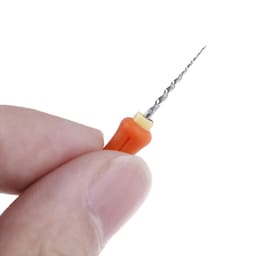
(1)NiTi hand protaper files with enhanced control for precise shaping of challenging root canals
₹ 3250₹ 3770
13.79% Off
33View Similar Products

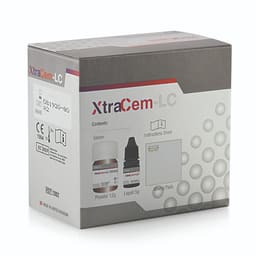

★ 5.0
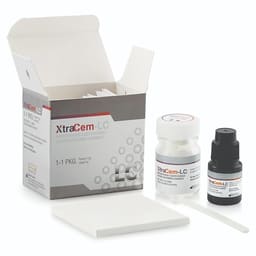
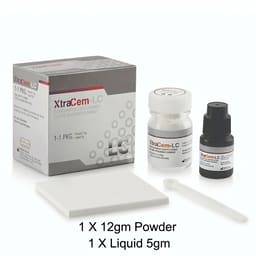
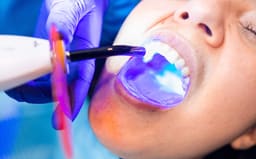
(2)Light-cured resin-modified glass ionomer luting cement, Shade A2, offering strong adhesion and esthetic cementation of crowns, bridges and inlays.
₹ 2188₹ 2950
25.83% Off
22View Similar Products
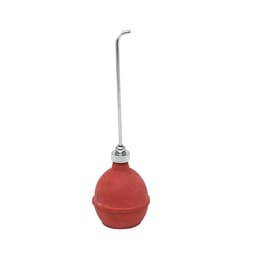
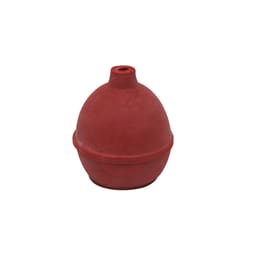
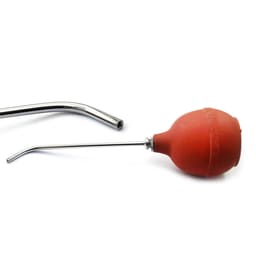
★ 4.8
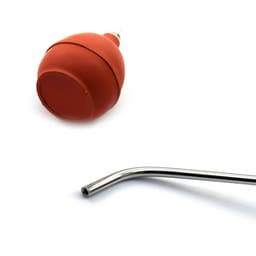
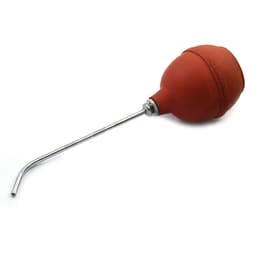
(11)Chip blower with nozzle used to dry and clear debris from the operative field during dental procedures.
₹ 55₹ 69
20.29% Off
1View Similar Products
★ 5.0
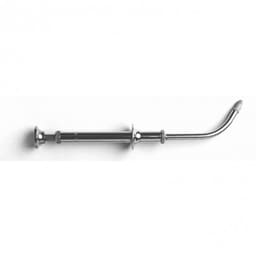
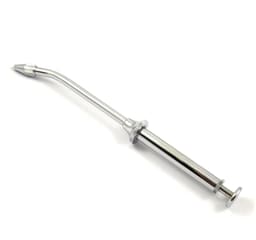
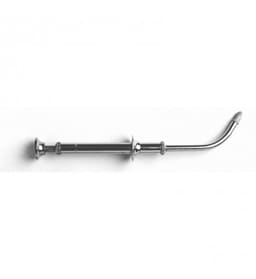
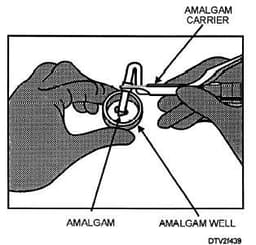
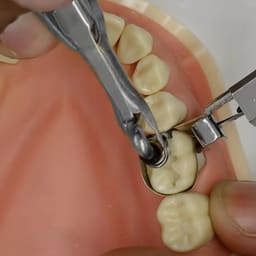
(4)Single-ended amalgam carrier to transport and place amalgam during restorative procedures
₹ 95₹ 125
24.00% Off
1View Similar Products



★ 4.3
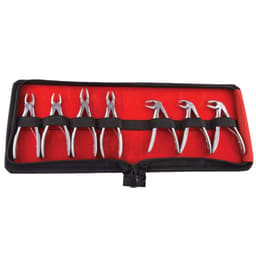
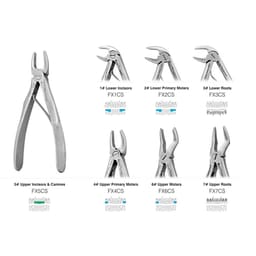
(6)Comprehensive pedo extraction forceps set with seven specialized instruments.
₹ 5745₹ 10010
42.61% Off
115View Similar Products
★ 4.4
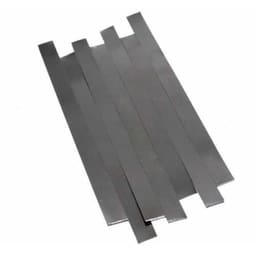
(21)Straight stainless steel matrix band, size No.8, used to rebuild proximal tooth walls during restorations.
₹ 26₹ 30
13.33% Off
1View Similar Products
★ 4.5
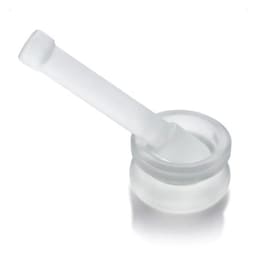
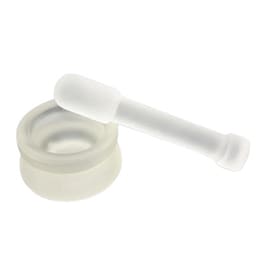
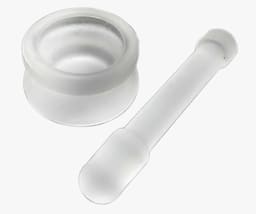
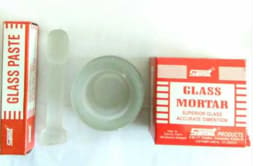
(11)Glass mortar and pestle for grinding and mixing substances.
₹ 57₹ 130
56.15% Off
1View Similar Products
Filters
Sort By
RecommendedPedodontics Student Materials — Operative, Matrix, Isolation, Endo and Extraction Tools for the Paedo Posting
Pedodontics is the branch of dentistry that treats children, and the materials a student needs for the posting are the smaller, child-specific versions of the operative, endodontic, and surgical kit used in adults. This category gathers them in one place: the hand instruments for removing caries and placing fillings in primary teeth, the matrix and isolation tools that keep a small cavity dry, the burs and files for an introductory pulp procedure, the forceps for a primary-tooth extraction, and the paediatric materials and learning aids that go with them. Almost every metal instrument is autoclavable stainless steel, sized and angled for the shorter crowns and tighter access of a child's mouth.
What the pedodontics kit contains
Operative and restorative instruments
The core of the tray is the operative set — spoon excavators for caries removal, round condensers, Hollenback carvers and GMTs for shaping a restoration, cement spatulas for mixing, and amalgam and cement carriers for placement. The spoon excavator range covers the standard and paedo-sized patterns a student starts with.
Matrix systems for paediatric restorations
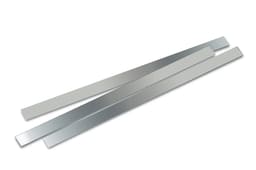
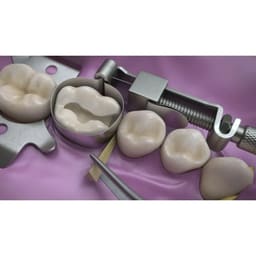
A primary-molar Class II needs a wall and a tight contact, so the kit carries stainless-steel matrix bands, Tofflemire retainers, pre-contoured paedo bands, and clear mylar strips for anterior work. The wider matrix bands and retainer range includes the smaller-circumference paediatric profiles.
Isolation and rubber-dam training
Moisture control is taught early, so the category stocks rubber-dam sheets, paedo rubber-dam clamps sized for primary teeth, frames, and a punch forceps — the set a student uses to isolate a single tooth before restoring it.
Introductory endodontics
For a first pulpotomy or access exercise, the kit includes Endo-Z and endo-access burs to open the chamber, hand files to feel the canal, and an endo box to organise them. Paediatric access often begins with the ProTaper hand files used for tactile shaping.
Paediatric extraction instruments
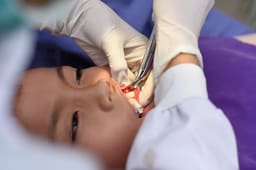
A condemned primary tooth needs its own forceps — the beaks are smaller and angled for short roots — and the category carries paedo extraction forceps sets for upper and lower primary teeth. These sit alongside the adult extraction forceps range for comparison.
Paediatric materials and learning aids
Beyond the instruments, the kit holds the materials a paedo posting actually uses — reinforced glass-ionomer such as Miracle Mix, a kids' GIC for quick restorations, and straight and curved space-maintainer loops for early tooth loss. Chip blowers and printed post-extraction instruction sheets round out the day-to-day.
When the pedodontics kit is used
The kit comes out across the operative, preventive, and minor-surgical exercises of the paedo posting, on primary and young permanent teeth. Typical uses:
- Removing caries and restoring primary molars and incisors
- Placing glass-ionomer and reinforced-GIC restorations in children
- Isolating a tooth with a rubber dam before a filling
- Performing a pulpotomy or introductory access on a primary tooth
- Extracting a condemned or over-retained primary tooth
- Fitting a space maintainer after early tooth loss
How to choose pedodontics materials
- Match the size to a child — paedo forceps, smaller matrix bands, and child-sized clamps are shaped for primary teeth, not scaled-down guesses from the adult tray.
- Cover the whole workflow — caries removal, restoration, isolation, a first endo exercise, and an extraction each need their own instrument, so check the kit is complete before the posting starts.
- Steel and sterilisation — confirm every metal instrument is autoclavable stainless steel, and inspect tips and hinges after each cycle.
- Graded kit or single pieces — a graded student kit for the posting, single instruments to replace a worn excavator or lost clamp.
- Don't forget the materials — a complete tray includes the GIC, space-maintainer loops, and rubber-dam consumables, not only the steel instruments.
- Buy to the college list — check the department's required-instrument list, since paedo kits vary between colleges.
Pedodontics brands on Dentalkart
Student section instruments here come mainly from GDC, Waldent, and API, which supply the excavators, condensers, carvers, matrix retainers, and rubber-dam tools used across Indian dental colleges.
GDC and Oracraft cover the paediatric extraction forceps, while GC supplies the reinforced glass-ionomer and kids' GIC materials, and Pyrax adds the consumables and learning aids that complete the tray.
Why buy pedodontics materials from Dentalkart
A student kit is bought once and used through the whole posting, so completeness and genuine steel matter more than a few rupees on a single instrument. The instruments here are autoclavable surgical stainless steel from named makers, the paediatric patterns are sized for primary teeth rather than scaled-down adult tools, and a 10-day window covers anything that arrives flawed. Sourcing the operative set, matrix tools, isolation kit, and materials together means the tray is complete from the first paedo case, with single instruments on hand to replace a worn excavator or a lost clamp.
Frequently Asked Questions (FAQs):
What instruments does a pedodontics student kit include?
A paedo student kit holds the operative set — spoon excavators, condensers, Hollenback carvers, GMTs, spatulas, and amalgam and cement carriers — plus matrix bands and a retainer, rubber-dam isolation tools, endo-access burs and hand files, and a paediatric extraction forceps set. Materials such as GIC and space-maintainer loops complete it.
How are paediatric instruments different from adult ones?
The working ends are smaller and the angles suit a child's mouth. Paedo extraction forceps have shorter, narrower beaks for primary-tooth roots, matrix bands come in smaller-circumference profiles for primary molars, and rubber-dam clamps are sized for shorter crowns. Using full-size adult instruments on a child makes access and isolation harder.
Can students practise isolation and a first endo exercise with this kit?
Yes. Rubber-dam sheets, paedo clamps, a frame, and a punch forceps cover isolation training, while Endo-Z and endo-access burs with hand files and an endo box cover an introductory pulpotomy or access exercise on a primary tooth — the procedures a paedo posting introduces before clinical cases.
Which materials should a paedo kit include beyond the instruments?
Stock a reinforced glass-ionomer such as Miracle Mix and a kids' GIC for quick child restorations, straight and curved space-maintainer loops for early tooth loss, and rubber-dam consumables for isolation. Chip blowers and printed post-extraction instruction sheets are the small extras that finish a procedure.
Are the pedodontics instruments on Dentalkart autoclavable and genuine?
Yes — the metal instruments here are autoclavable stainless steel from named makers like GDC, Waldent, and API, supplied through their authorised Indian channels. Clean off debris, dry fully to prevent corrosion, and check tips and hinges each cycle. A 10-day window covers any instrument that arrives flawed.