



X- Ray Viewer
4.5
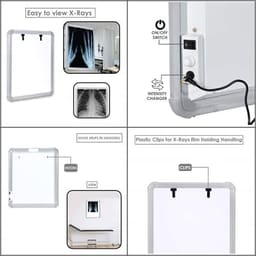
A dental X-ray viewer is a backlit light box used to read radiographic film. The film is placed against an evenly lit LED screen so the detail shows clearly for diagnosis. Small viewers suit intraoral IOPA films and larger ones suit OPG panoramic films. Many are chair-mounted, letting the dentist read the radiograph beside the patient during treatment.
Sort by - Recommended
 Recommended
 Price- High to LowPrice- Low to High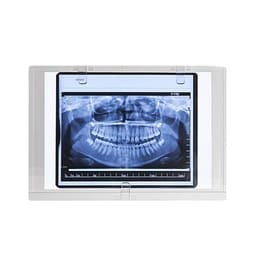
Only 3 Left
★ 5.0
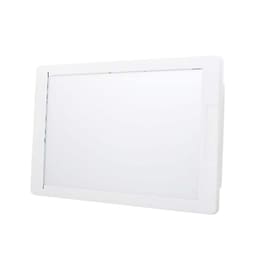
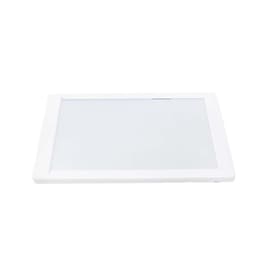
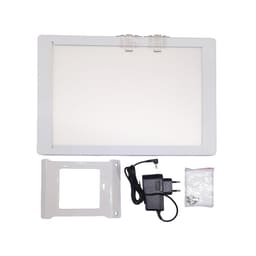
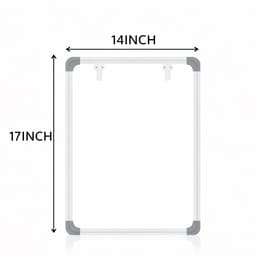
(1)High-resolution dental X-ray viewer with adjustable angles and optimal lighting
₹ 3175₹ 9900
67.93% Off
 64
64View Similar Products

Only 3 Left
★ 3.8
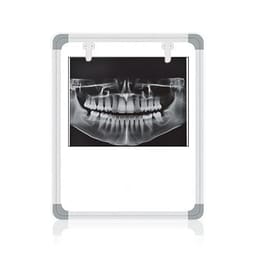
(4) LED offers precise panoramic dental x-ray analysis with energy-efficient illumination.
₹ 2195₹ 4450
50.67% Off
20View Similar Products
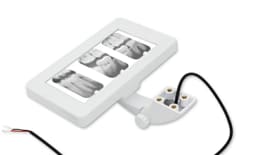
★ 4.7
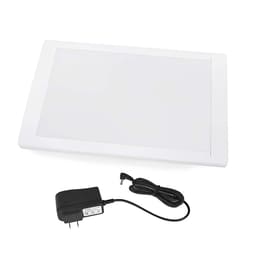
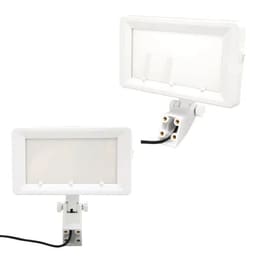
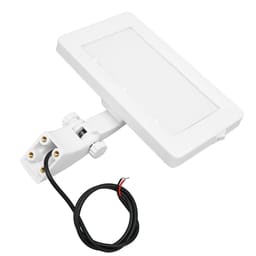
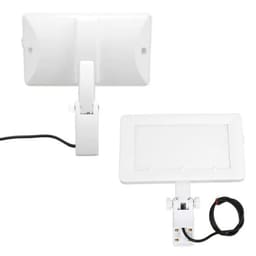
(3)Chair-mounted LED viewer for X-rays, providing clear, convenient side viewing
₹ 635₹ 1840
65.49% Off
13View Similar Products
Filters
Sort By
RecommendedX-Ray Viewer
Film only reveals its detail against even light. A dental X-ray viewer is the illuminated screen that provides it — a flat LED panel the radiograph is held to so shadows, roots, and bone read clearly for diagnosis. The viewers here come in two sizes: compact units for intraoral IOPA films and wider panels for OPG panoramic films. Several are chair-mounted, keeping the film in view right beside the patient, and support the film-based side of a dental X-ray workflow.
IOPA and OPG viewers
Match the viewer to the film you take:
- IOPA viewers — small screens sized for intraoral periapical and bitewing films, the everyday chairside radiograph.
- OPG (panoramic) viewers — wide screens for full-arch panoramic films that a small viewer cannot cover.
- Chair-mount — fixed to the unit or wall so the film is read where the dentist works, within the radiology setup.
Pick the screen size for the film format you use most.
LED features
What the LED models offer:
- Even backlight — a uniform LED panel with no hot spots, so the whole film reads truly.
- Auto sensor — some switch on when a film is placed and off when removed, saving power.
- Slim and bright — LED runs cool and thin, easy to mount on a dental chair near the operating field.
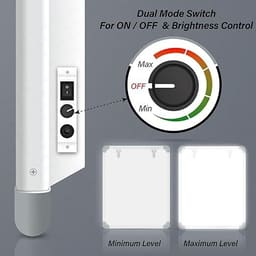
- Adjustable brightness — where fitted, to suit a dense or a light film.
LED has replaced older fluorescent boxes for a steadier, longer-lasting light.
Where it fits your setup
The viewer is the reading step after exposure:
- Expose and develop — take the film and process it.
- Read — place it on the lit viewer to examine the detail and diagnose.
- Position — a chair-mounted viewer keeps the film beside the patient, alongside an intraoral camera and other chairside aids.
Frequently Asked Questions (FAQs):
What is a dental X-ray viewer used for?
It is used to read radiographic film. The X-ray film is placed against an evenly lit LED screen so the fine detail — root canals, bone levels, caries, fractures — shows clearly for diagnosis. Without a bright, uniform backlight, a film is hard to interpret. A chair-mounted viewer lets the dentist study the radiograph right beside the patient during treatment.
What is the difference between an IOPA and an OPG viewer?
It is the film size each shows. An IOPA viewer has a small screen for intraoral periapical and bitewing films — the everyday small radiographs. An OPG viewer has a much wider screen to display a full panoramic film of the whole jaw, which a small viewer cannot cover. Choose by the films you take; some practices keep both sizes.
Is an LED viewer better than a fluorescent light box?
For most users, yes. LED gives a more even, flicker-free light with no hot spots, so the film reads truly across the whole screen. LED panels run cool, stay slim enough to chair-mount, and last far longer than fluorescent tubes, which dim and need replacing. Some LED models also add an auto on/off sensor and adjustable brightness.
Do I still need a viewer if I use digital X-rays?
Only if you still take film. A digital RVG sensor sends its image straight to a monitor, so no light box is needed for that image. But many practices still shoot conventional film, or keep older film records, and a viewer is essential to read those. If you are fully digital, a viewer is optional; if you use film at all, it is not.
Can a chair-mounted viewer be fitted to any unit?
Most chair-mount viewers attach to a dental chair or unit arm, or to a wall bracket, and are made to sit near the operating light. Check the mount type and the size of the viewer against your available space before buying. A wall or unit position that keeps the film in the dentist's line of sight during treatment is the most useful placement.