

Zylo
Zylo is a dental electrosurgery brand built around the HF-1, a high-frequency electrocautery unit that cuts and coagulates soft tissue in a single pass. Used for gingival contouring, operculectomy and hemostasis, the HF-1 range covers the mains unit plus its handpiece, electrode tips and foot pedal for everyday chairside soft-tissue work.
 Recommended
 Price- High to LowPrice- Low to High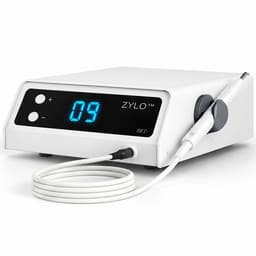
 1k
1k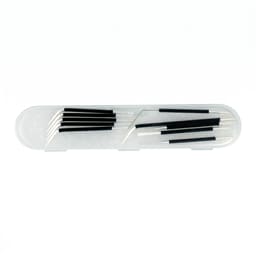
Only 3 Left
199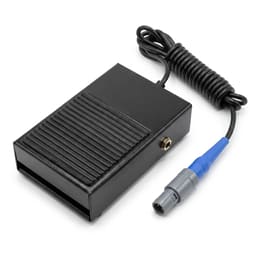
Only 5 Left
69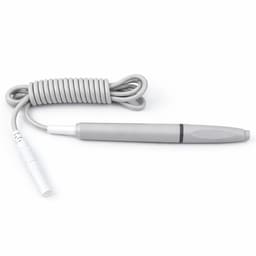
Only 4 Left
325Zylo — Electrocautery for Soft-Tissue Dentistry
Zylo makes electrosurgery equipment for the dental operatory, and its whole line centres on one workhorse: the HF-1 electrocautery unit. Electrosurgery does something a blade cannot — it passes a high-frequency current through a fine electrode so the tissue parts and the cut edge seals at the same moment, giving a bloodless field the operator can actually see into. That combination of cutting and coagulation is why an electrocautery unit has become a standard fixture beside the chair for the small soft-tissue jobs that punctuate restorative, prosthetic and surgical work.
What a Zylo electrocautery unit does
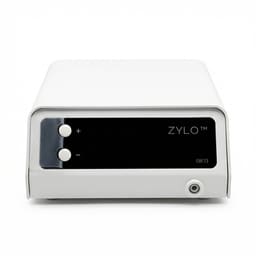
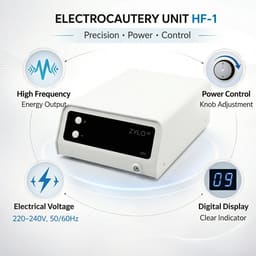
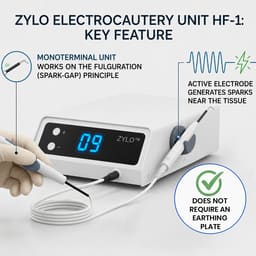
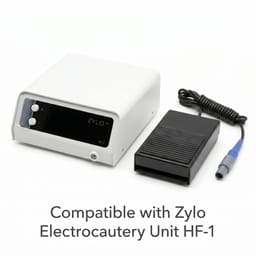
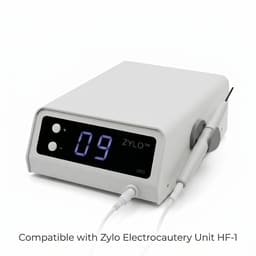
The HF-1 generates a controlled high-frequency waveform and delivers it through a thin wire electrode; the current concentrates at the tip and vaporises a narrow line of tissue while cauterising the capillaries either side. Turning the power up favours clean cutting, easing it back favours coagulation, so the same instrument trims a gingival margin, removes a tissue tag or arrests a bleeding point depending on how it is set. The Zylo Electrocautery Unit HF-1 is the mains generator at the heart of the system.
The handpiece and electrode tips
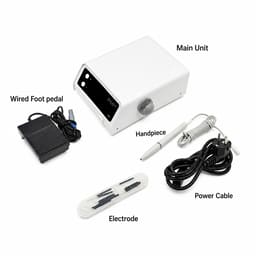
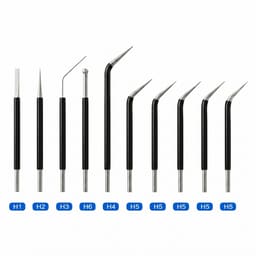
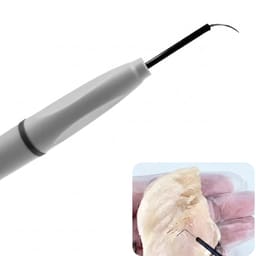
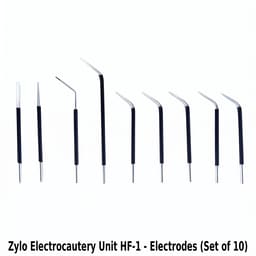
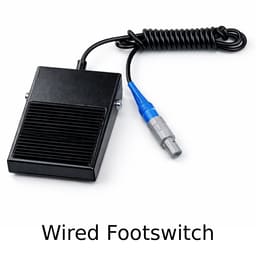
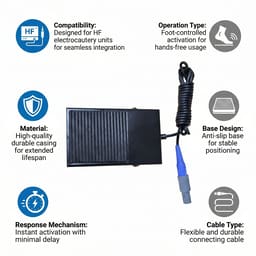
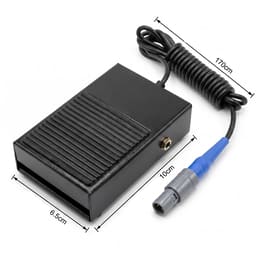
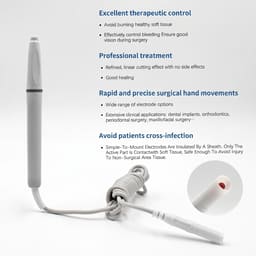
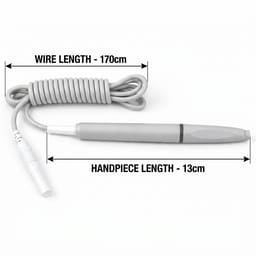
The current reaches the tissue through a handpiece that holds interchangeable electrodes — straight, loop and ball tips, each shaped for a task, from a fine incision to a broad sweep or a coagulating dab. The Zylo HF-1 Handpiece carries those tips, and the Zylo HF-1 Electrode set of 10 keeps a range of shapes on hand as they wear. A foot pedal frees both hands to activate the current only when the tip is in position.
What dentists use it for
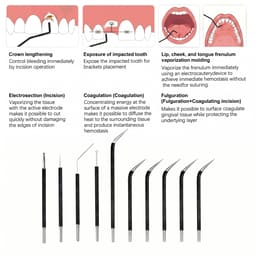
The HF-1 earns its place across everyday soft-tissue procedures: gingivectomy and gingivoplasty to reshape the gum, operculectomy over a partly erupted molar, troughing around a preparation to expose a margin before an impression, exposing an unerupted tooth or an implant, small frenectomies, and simply stopping a bleeding point that will not settle. Much of this sits in periodontics and minor oral surgery, where a clear, dry field decides the quality of the result.
Using it safely
Electrosurgery carries rules a blade does not. It is avoided or used with medical clearance in patients with a cardiac pacemaker or implantable device, the electrode must not touch a metal restoration, crown margin or alveolar bone, and it is kept away from delicate structures, using brief strokes with pauses so heat does not build in the tissue. Correct power settings and a clean, active tip are what keep the cut precise and the healing quick, so operator familiarity matters before it goes near a patient.
Where it fits in the clinic
For a piece of capital equipment the HF-1 is a modest outlay, and it earns that back fast by turning the fiddly, bleeding soft-tissue steps of a normal day into quick, controlled ones. It sits within the wider electrocautery range next to other soft-tissue units, and beside the rest of a clinic's dental equipment.
Why buy Zylo from Dentalkart
A capital instrument is only as good as the support behind it, so buying the HF-1 through Dentalkart means a genuine unit with its warranty, and the consumables that keep it running — replacement electrode tips, the handpiece and the foot pedal — available as separate line items rather than a whole new unit when one part wears. The generator and its accessories order together, and the same catalogue holds the sutures, retraction and haemostatic aids the procedures around it call for.
Frequently Asked Questions (FAQs):
What is a Zylo electrocautery unit used for?
A Zylo HF-1 electrocautery unit is used for soft-tissue procedures where cutting and bleeding control matter together — gingivectomy and gingivoplasty, operculectomy, troughing around a preparation before an impression, minor frenectomy, exposing teeth or implants, and arresting stubborn bleeding points. Its high-frequency current cuts tissue and seals the edge in the same movement.
How is electrocautery different from a scalpel?
Electrocautery differs from a scalpel by cutting and coagulating at once. A blade gives a clean incision but leaves the field to bleed, whereas the HF-1's high-frequency current parts the tissue while cauterising the vessels alongside it, so the operator works in a dry, visible field. The trade-off is a slightly wider zone of thermal effect and a set of safety rules a blade does not need.
Is the HF-1 electrocautery unit safe to use in dental practice?
The HF-1 is safe in routine dental use when handled correctly. It calls for caution or medical clearance in patients with a cardiac pacemaker, the electrode must avoid contact with metal restorations and bone, and short strokes with rest intervals prevent heat build-up. Used to protocol at the right power, it gives precise cuts and quick, uneventful healing.
What accessories does the Zylo HF-1 need?
The Zylo HF-1 runs with three main accessories: a handpiece that holds the electrodes, a set of electrode tips in straight, loop and ball shapes for different cuts, and a foot pedal for hands-free activation. Tips wear with use and are replaced from the electrode set, so a clinic keeps spares rather than replacing the whole unit.
Does using an electrocautery unit need training?
Using an electrocautery unit does need some training before clinical use. An operator should understand power settings for cutting versus coagulation, electrode selection, stroke technique and the safety limits — pacemaker precautions and avoiding metal and bone contact. The device itself is straightforward, but the judgement around power and tissue contact is what a short familiarisation covers.