

Electrocautery
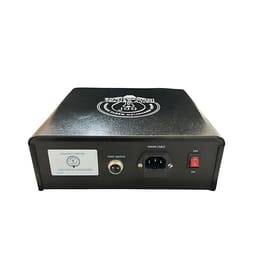
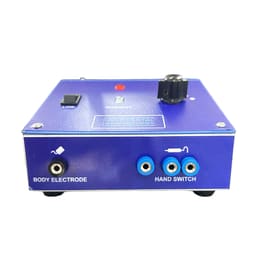
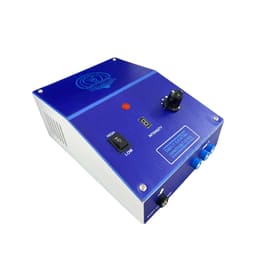
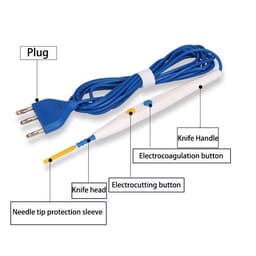
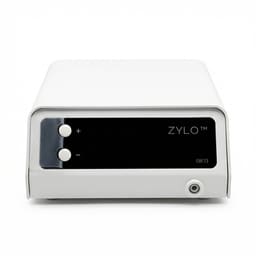
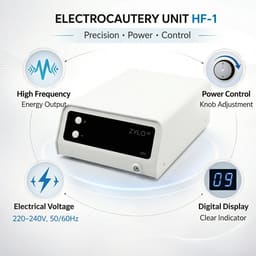
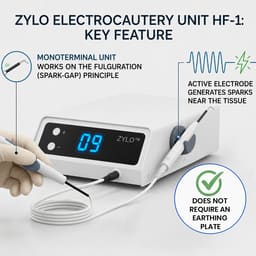
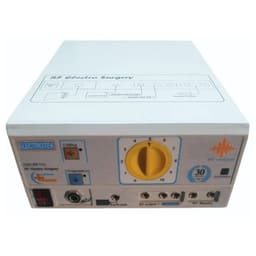
Electrocautery units cut and shape soft tissue while sealing small vessels, so a gingival or minor surgical procedure stays nearly bloodless. A fine electrode from an HN Dental, Zylo, or Electrotek unit carries high-frequency current that both incises and coagulates in one pass. Compact chairside models and full-power surgical units both take interchangeable electrode tips.
 Recommended
 Price- High to LowPrice- Low to High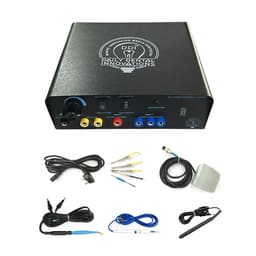
 190
190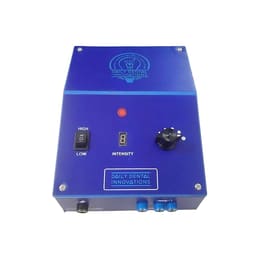
 139
139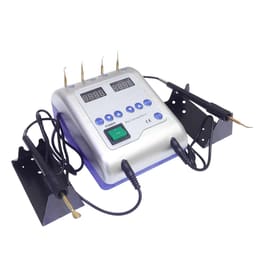
Only 2 Left
63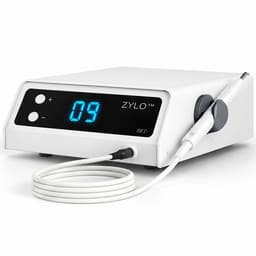
 1k
1k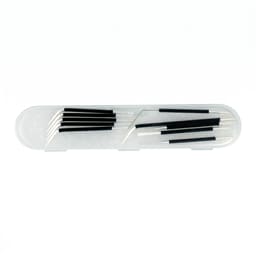
Only 3 Left
199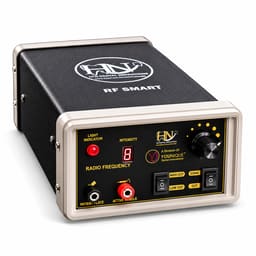
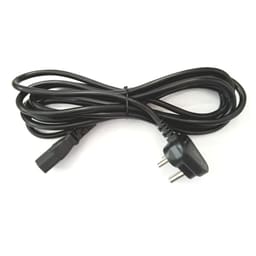
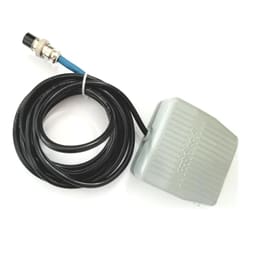
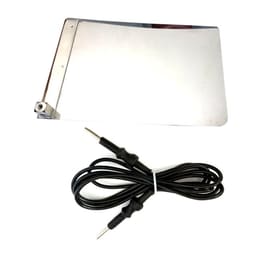
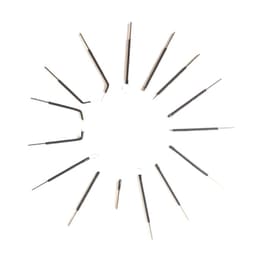
 165
165
 146
146Electrocautery
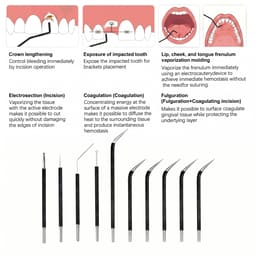
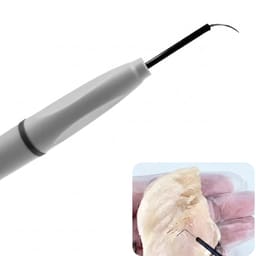
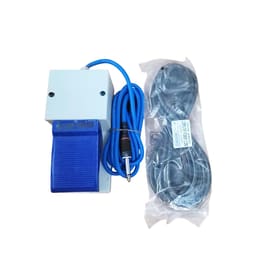
Radiofrequency cautery and electrosurgery units cut soft tissue and control bleeding at the same time. A fine electrode delivers high-frequency current to the tissue. It incises cleanly while sealing the small vessels along the cut, so the field stays dry. The units and their electrode tips are used across soft-tissue and oral surgery procedures.
What you can buy here
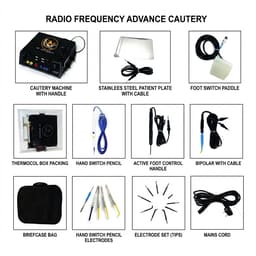
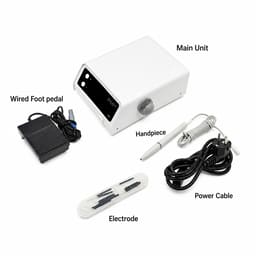
The range runs from compact chairside units to full-power surgical machines, plus the tips they use:
- Compact RF units — small chairside cautery units for everyday gingival and minor soft-tissue work, such as the HN Dental Mini.
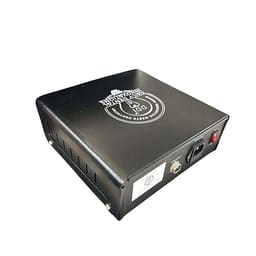
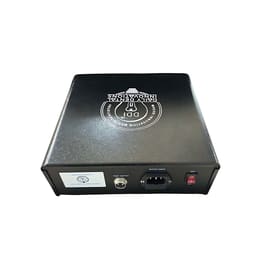
- Full-power surgical units — higher-output electrosurgery units for a fuller range of soft-tissue procedures, like the Domed and Electrotek units.
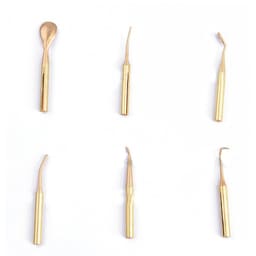
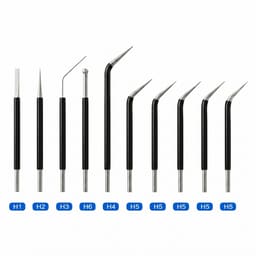
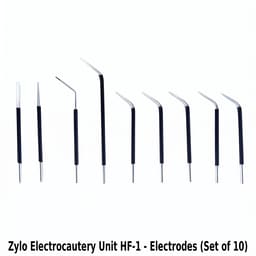
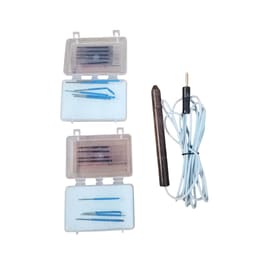
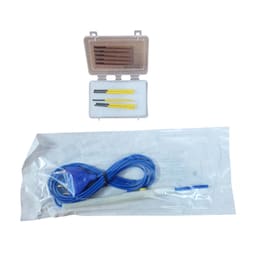
- Electrodes and tips — interchangeable electrode sets (such as the Zylo HF-1 set of 10) for different cut shapes.
Each unit cuts and coagulates in one pass. Since the tips wear out, keeping spares on hand means the unit stays in service alongside a clinic's other surgical instruments.
Why an electrocautery unit is worth it
For soft-tissue work, cutting and sealing in one step has three practical advantages:
- Bloodless field — the current coagulates as it cuts, so the operator can see the site clearly.
- Precise shaping — a fine electrode contours gingiva accurately, useful before an impression or crown seat.
- Faster healing conditions — a sealed, clean cut needs no suturing for many minor soft-tissue procedures.
For larger flaps that need suturing, a scalpel remains the tool of choice, while an RF unit handles troughing and small excisions more efficiently. On the cases it does cut, it prepares the tissue before any sutures go in.
How it fits your treatment
An electrocautery unit handles the soft-tissue cutting step within a procedure:
- Set — choose the power and the cut/coagulation mode for the tissue, and fit the right electrode tip.
- Cut — pass the active electrode through the tissue; it incises and seals the vessels in the same movement.
- Between patients — clean the handpiece and sterilise the reusable electrodes per the maker's instructions.
Once the tissue is shaped and the field is dry, the restorative or surgical step continues on a clean, visible site.
Frequently Asked Questions (FAQs):
Why use electrocautery instead of a scalpel?
A scalpel cuts cleanly but bleeds, so the field needs separate haemostasis before work continues. An electrocautery unit cuts and seals the small vessels in the same pass. That leaves a dry, visible site. For gingival contouring, troughing before an impression, and small excisions, the combined cut-and-coagulate action is faster and cleaner than a blade.
Which soft-tissue procedures can it handle?
Electrocautery covers a wide range of soft-tissue steps. These include gingivectomy and gingival recontouring, frenectomy, exposing an implant or a part-erupted tooth, removing small lesions, and troughing tissue before an impression. In short, any minor soft-tissue procedure that gains from a bloodless field is a good fit for radiofrequency cutting.
Monopolar or bipolar — which does a clinic need?
The two differ in how the current returns. A monopolar unit sends current from the active electrode, through the patient, to a return plate, which suits general cutting and coagulation. A bipolar unit passes current only between two tips, keeping the energy in a small area for delicate work near sensitive structures. Most general dental cautery is monopolar.
How much power should the unit have?
Match the power to the caseload. A compact chairside unit handles everyday gingival contouring and minor excisions. A higher-output surgical unit suits a broader range of soft-tissue procedures. Pick the output and mode range for the work done most often, rather than paying for more power than the practice will use.
Are the electrode tips reusable?
Most electrode tips are reusable and are cleaned and sterilised between patients per the maker's protocol, while some units also take single-use tips. The tips wear and vary by cut shape, so a set of spares keeps the unit in service. Follow the unit's guidance on sterilisation and on when a worn tip should be replaced.