

Implant Abutment
5.0
Sort by - Recommended
 Recommended
 Price- High to LowPrice- Low to High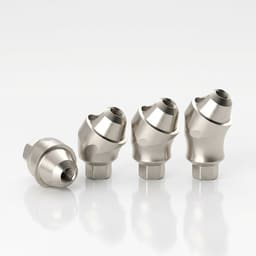
.jpg?w=256)
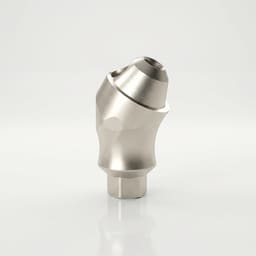
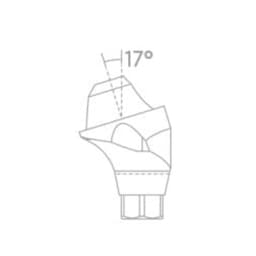
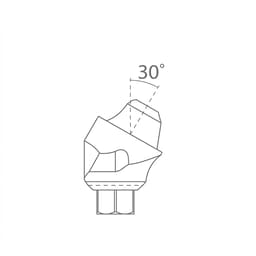
Angular multi-unit abutments compatible with Israeli implant systems for stable prosthetic support.
Starting at₹ 1200
View Similar Products
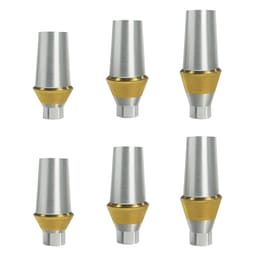
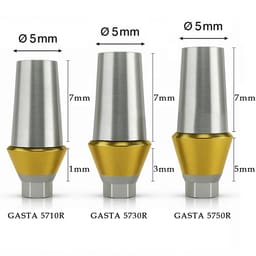
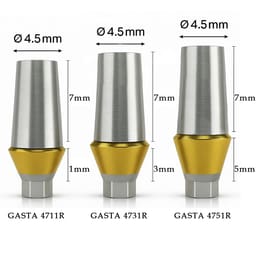
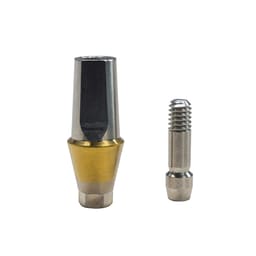
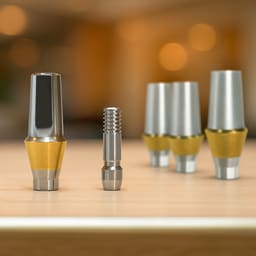

Precisely engineered straight abutments compatible with Korean regular platform implants for accurate prosthetic alignment and stability
Starting at₹ 250
View Similar Products
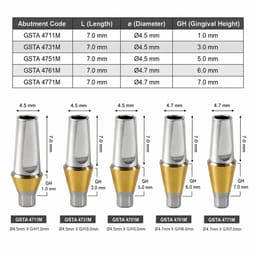
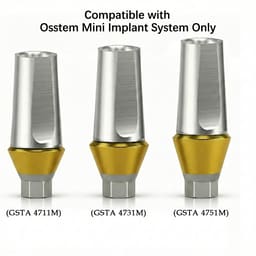
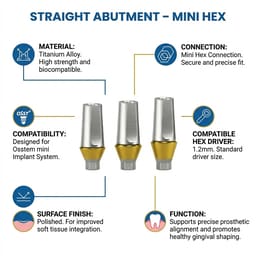
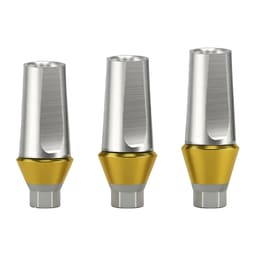
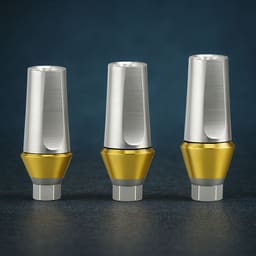
Mini straight titanium abutments compatible with Osstem mini implants ensure precise fit, stability, and soft tissue support
Starting at₹ 250
View Similar Products
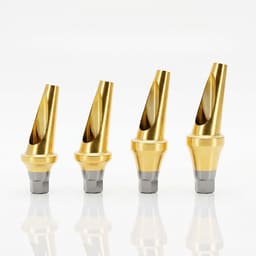
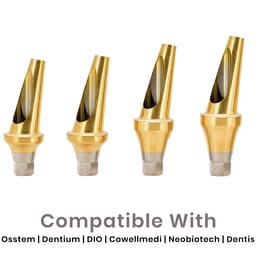
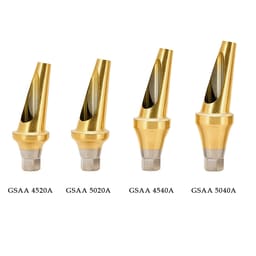
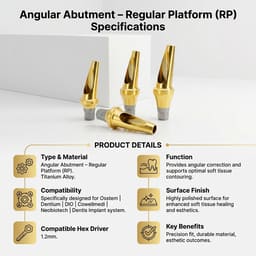
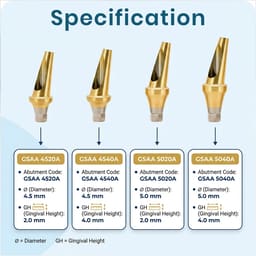
Precisely engineered angular abutments compatible with Osstem | Dentium | DIO | Cowellmedi | Neobiotech | Dentis Regular Platform implants, ensuring accurate alignment and lasting prosthetic stability
Starting at₹ 475
View Similar Products
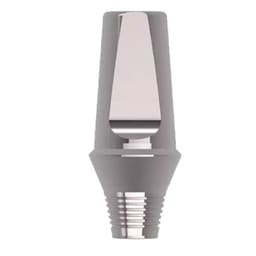
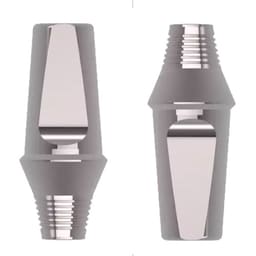
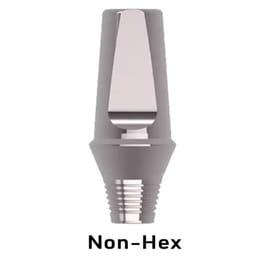
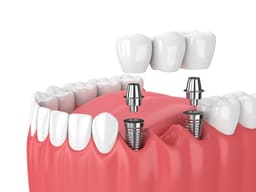
Non-Hex Abutment, designed for single-use by skilled dentists, offers versatile prosthetic applications with adjustable gingival heights, making it ideal for precision in bridge construction.
Starting at₹ 1595
View Similar Products
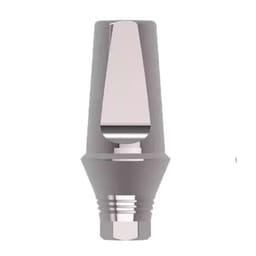
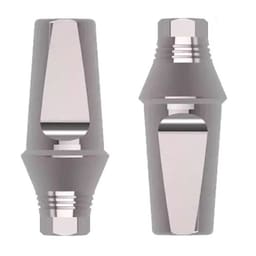
Hex abutments prevent rotation, ideal for securing single crown restorations
Starting at₹ 1595
View Similar Products
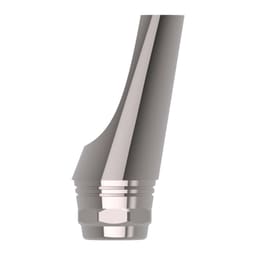
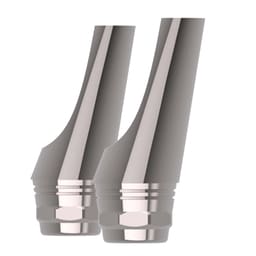
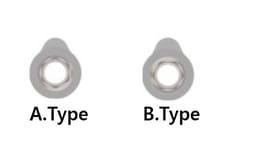
Dental Implant Angled Abutment, featuring a precision-aligned 4.5mm hex design, ensures efficient and durable implant procedures.
Starting at₹ 1595
View Similar Products
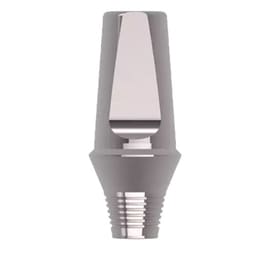
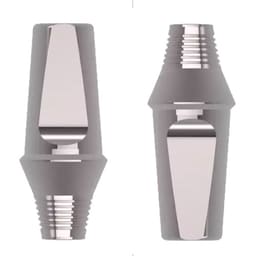
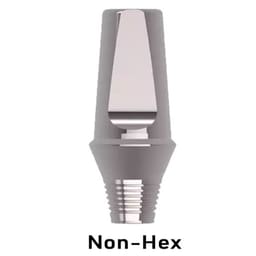
Non-Hex Abutment, designed for single-use by skilled dentists, offers versatile prosthetic applications with adjustable gingival heights, making it ideal for precision in bridge construction.
Starting at₹ 1595
View Similar Products
Filters
Sort By
RecommendedThe Implant Abutment category on Dentalkart offers a diverse and clinically essential range of components that serve as the critical link between dental implants and prosthetic restorations. Designed to ensure optimal function, esthetics, and long-term stability, implant abutments play a pivotal role in the success of implant-supported prostheses.
This category features a wide selection of abutments including straight, angled, castable, multi-unit, and temporary healing types. These abutments are compatible with leading implant systems and are crafted for precision placement, ideal emergence profile, and secure prosthetic connection.
From industry-standard titanium abutments to customizable plastic and castable variants, Dentalkart sources abutments from trusted brands such as Adin, Xcem, Medentika, Dentium, and Impact, supporting clinicians in both routine and complex implant restorations.
Clinical Importance of Implant Abutments
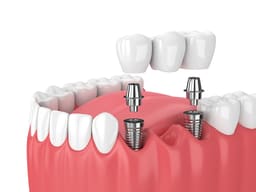
Implant abutments are the intermediate prosthetic components that connect the dental implant fixture (in the bone) to the final crown, bridge, or denture. Proper abutment selection impacts the stability, load distribution, esthetic outcome, and tissue health around the implant.
Dentists rely on abutments to:
Establish a strong mechanical link between implant and prosthesis
Ensure soft tissue support and ideal gingival contour
Customize emergence profiles for anterior and posterior esthetics
Facilitate precise angulation corrections in non-ideal implant placements
Support temporary and permanent restorations in single or multiple units
Product Scope on Dentalkart
Our Implant Abutment section is organized to help clinicians quickly find solutions for a wide range of clinical scenarios:
Straight Titanium Abutments – For standard implant placements with optimal angulation
Angled Abutments (15°/25°/30°) – For correcting implant axis misalignment and achieving better prosthetic paths
Castable/Plastic Abutments – Allow customized frameworks in lab-fabricated prostheses
Multi-unit Abutments – Used in full-arch restorations with screw-retained bridges and bars
Temporary Abutments & Healing Abutments – For tissue healing and transitional prosthesis phases
Locator Abutments & Ball Attachments – For removable overdentures with enhanced retention
Category Highlights
This category offers products tailored for both chairside and lab workflows, including:
Internal hex and conical connection types
Cross-platform compatible abutments for Nobel, Zimmer, Osstem, Dentium, etc.
Wide, regular, and narrow platform options
Screw-retained and cement-retained prosthetic designs
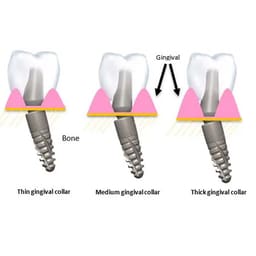
Varied collar heights for different tissue thicknesses
Surgical and prosthetic torque-compatible designs
Why Choosing the Right Abutment Matters
Selecting the appropriate abutment is crucial for:
Achieving passive fit and occlusal harmony
Minimizing biomechanical complications like screw loosening or fracture
Maintaining peri-implant tissue health and avoiding mucosal recession
Ensuring long-term esthetic success, especially in anterior regions
A poorly selected abutment can compromise the restoration's integrity and patient satisfaction. Dentalkart’s comprehensive options help clinicians match abutments precisely to each case.
Trusted Sourcing from Leading Brands
To ensure performance and patient safety, Dentalkart only lists abutments from verified, globally respected brands:
Adin
Xcem
Medentika
Dentium
Impact
Nobel-compatible and Osstem-compatible systems
Usage Guidelines
Always confirm platform size and implant system compatibility
Use appropriate torque wrenches to avoid screw fracture
Choose collar height based on tissue depth
Avoid reusing healing or prosthetic abutments
Ensure sterile handling and single-use where applicable
Ideal for All Implant Restorative Practices
Whether you’re a restorative dentist working on a single-unit crown or a prosthodontist designing full-arch solutions, Dentalkart's Implant Abutment section provides all essential variants under one roof. Dental labs, implantologists, and multi-chair clinics benefit from our range, stock availability, and fast delivery.
FAQs – Implant Abutments
What is the difference between straight and angled abutments?
Straight abutments are used when implants are well-aligned; angled abutments help correct angulation in off-axis placements to support a better prosthetic path.
When should I use a multi-unit abutment?
Multi-unit abutments are ideal for screw-retained full-arch restorations or cases requiring parallelism across multiple implants.
Are healing abutments reusable?
Healing abutments are typically single-use and should be replaced for each patient to prevent cross-contamination and ensure tissue compatibility.
Can I use castable abutments with zirconia prosthetics?
Yes, castable abutments are commonly used to fabricate metal substructures that support zirconia or ceramic crowns and bridges.
How do I select the collar height of an abutment?
Choose based on soft tissue thickness; the collar should ideally emerge just at or slightly below the gingival margin to promote healthy tissue contours.