



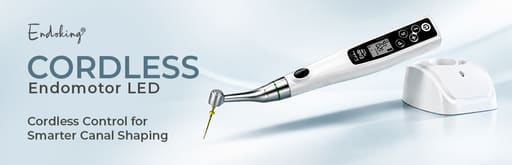

Contra-angle Handpieces
4.4
A contra-angle handpiece is the angled, low-speed attachment that clips onto a micromotor and holds a latch-type or friction-grip bur. Its gear ratio decides what it does: green reducing heads slow the bur down and multiply torque for endodontics, blue 1:1 heads run at motor speed, and red 1:5 heads speed it up for cutting.
Sort by - Recommended
 Recommended
 Price- High to LowPrice- Low to High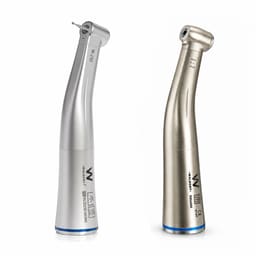
★ 5.0
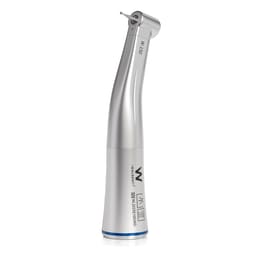
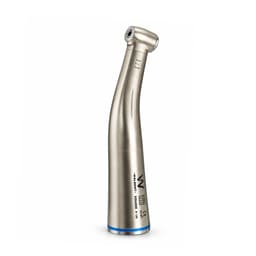
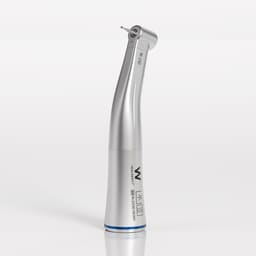
(2)Precision-engineered stainless steel dental instrument for optimal performance and durability
₹ 6190₹ 15000
58.73% Off
 305
305View Similar Products



★ 4.3
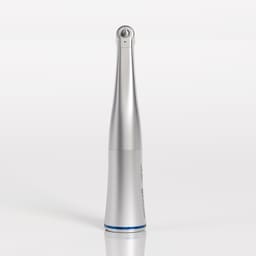
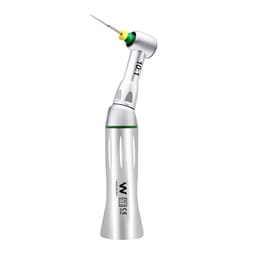
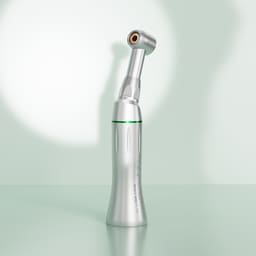
(7)Reciprocating handpiece for hand files
₹ 6190₹ 16810
63.18% Off
305View Similar Products
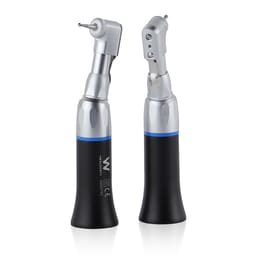
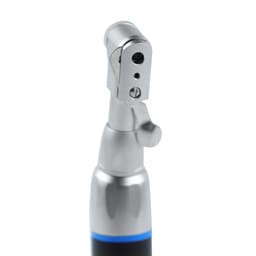
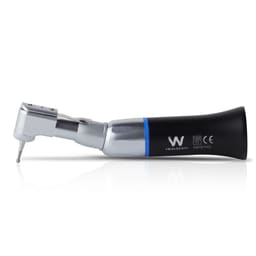


★ 4.5
(37)Contra angle handpiece with Ergonomic design for the comfortable grip
₹ 1550₹ 4999
68.99% Off
75View Similar Products
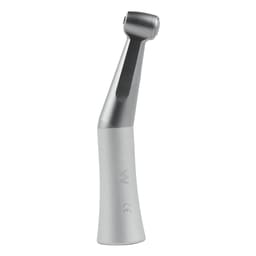
★ 4.6
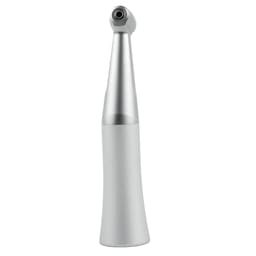
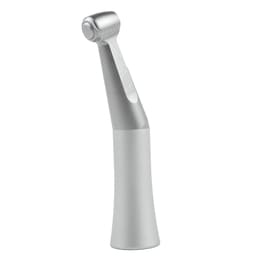
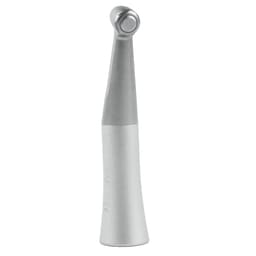
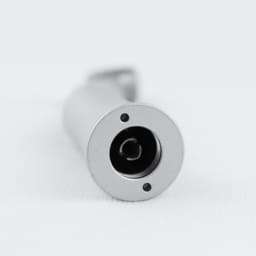
(8)Premium push-button contra-angle handpiece for precision cutting and finishing in restorative and operative dental procedures.
₹ 2495₹ 3999
37.61% Off
50View Similar Products
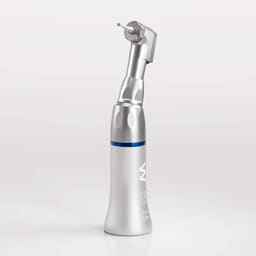
★ 4.8
(18)Special edition contra-angle handpiece offering smooth, durable performance for polishing, finishing and other low-speed dental procedures.
₹ 1550₹ 2800
44.64% Off
75View Similar Products
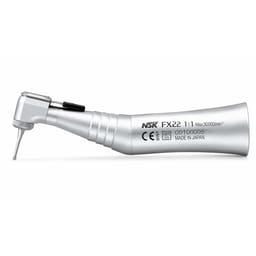
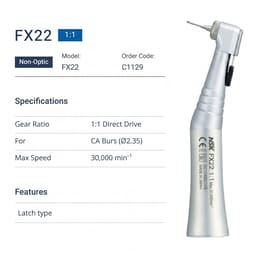
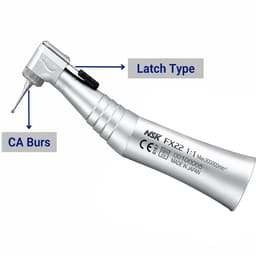
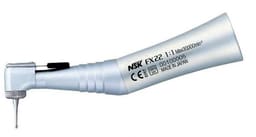
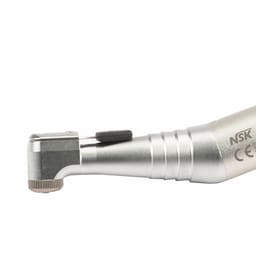

Latch type high performance contrangle handpiece
₹ 6495₹ 7425
12.53% Off
65View Similar Products
★ 4.3
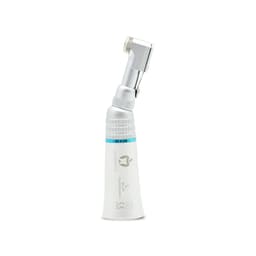
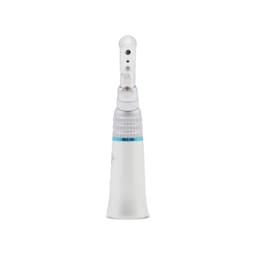
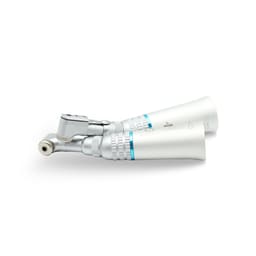
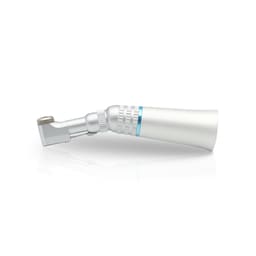
(4)Contra Angle Handpiece which facilitates precision and comfort with streamlined procedures for dentists.
₹ 1907₹ 2800
31.89% Off
19View Similar Products
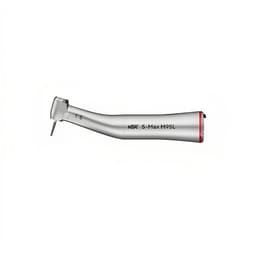
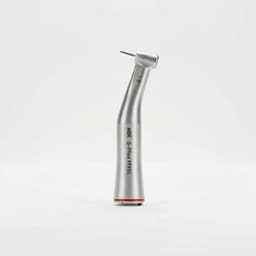
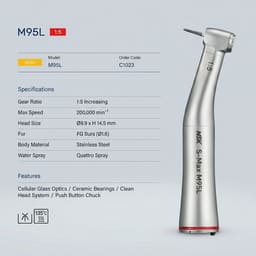
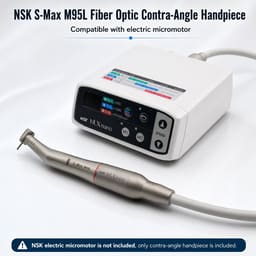
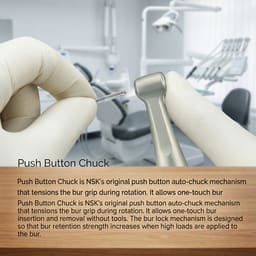
Handpiece designed for brilliant illumination, excellent cooling and stability
₹ 37995₹ 48840
22.21% Off
380View Similar Products
Filters
Sort By
RecommendedContra-Angle Handpieces
Every contra-angle in this range does the same basic job — it takes rotation from a micromotor and turns it through an angle so the bur reaches the back of the mouth. What separates them is the gearbox inside.
The colour ring on the neck tells you which you are holding. Green reduces speed, blue passes it straight through, red multiplies it. Pick the ratio for the procedure, then the chuck and the light.
Reducing heads — green ring
Gearing down trades speed for torque, which is what a file needs to cut dentine without snapping.
For rotary endodontics
A 16:1 head brings a 30,000 rpm motor down to under 2,000 rpm, the range NiTi rotary sequences are designed around. The NSK FX-75 16:1 miniature head handpiece pairs a small head with that reduction for posterior access.
For hand files
A reciprocating head drives a hand file back and forth rather than in full rotation, which reduces the risk of ledging in a curved canal. Dontics and Waldent both make 10:1 versions that take standard hand files.
Direct drive — blue ring, 1:1
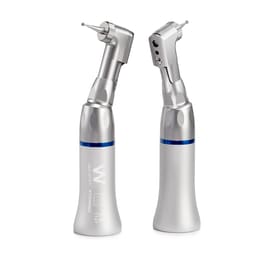
The everyday head. Bur speed matches motor speed, which suits caries excavation, polishing, finishing, trimming dentures and adjusting acrylic.
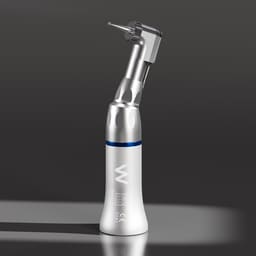
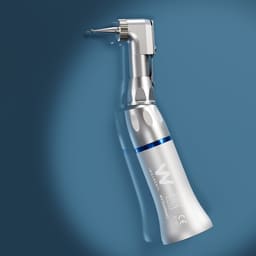
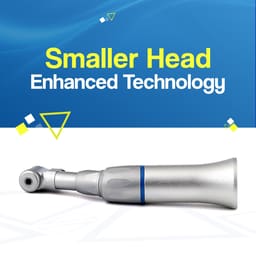
The Waldent 1:1 contra-angle W-150 is a stainless-steel body built for daily use, and the W-125 covers the same ratio in a compact mini head for paediatric and posterior access.
Apple, Being Foshan, Marathon and Endoking fill the same 1:1 slot at different price points, in push-button and latch versions.
Increasing heads — red ring, 1:5
A 1:5 head multiplies motor speed roughly fivefold and takes a friction-grip bur, so an electric motor can cut a crown preparation with the concentricity an air turbine cannot match. Fibre optics matter here, because you are cutting.
The NSK Ti-Max X25L fibre-optic handpiece is the titanium-bodied option, with the S-Max M95L, Ti-Max Z95L and a Waldent W-144 alongside it at the same ratio.
Angled surgical heads
For a deeply impacted third molar, a standard head sits at the wrong angle and the bur can trap debris in the socket. The NSK Ti-Max Z45L tilts the head to 45° and exhausts air away from the surgical site, which lowers the emphysema risk in a flap.
Keeping a handpiece running
A contra-angle fails from the bearings out, and almost always from skipped lubrication rather than age. Oil through the drive line after every cycle, and autoclave only once the excess has been run off.
The same servicing habits apply across the bracket table — the airotor maintenance and minor repair protocol covers the lubrication and bearing checks in detail.
Choosing a contra-angle
Four things decide it, in order:
- Ratio — 16:1 or 10:1 for endodontics, 1:1 for general low-speed work, 1:5 for crown cutting.
- Chuck — push-button releases the bur by thumb; latch type is simpler and cheaper to service.
- Light — fibre optic is worth it on a cutting head, rarely on a polishing one.
- Motor fit — confirm the ISO E-type coupling matches your micromotor before ordering.
Air-driven turbines for high-speed cutting sit separately in airotor, and the units that drive these heads in endo motor.
Frequently Asked Questions (FAQs):
What does the gear ratio on a contra-angle handpiece mean?
The ratio compares bur speed to motor speed. A 1:1 head turns the bur at motor speed. A reducing head such as 16:1 turns it sixteen times slower but with far more torque, which suits rotary endodontics. An increasing head such as 1:5 spins the bur five times faster for cutting. Colour rings mark them: green reducing, blue 1:1, red increasing.
Which contra-angle handpiece is used for root canal treatment?
Rotary endodontics uses a reducing head, most often 16:1, so NiTi files run near 300–500 rpm with controlled torque. For hand-file technique, a reciprocating handpiece drives the file in a back-and-forth motion instead of full rotation, which reduces the chance of ledging or separating an instrument in a curved canal.
What is the difference between a contra-angle handpiece and an airotor?
An airotor is a compressed-air turbine that spins very fast but loses torque under load, and it is used for cutting enamel. A contra-angle attaches to an electric micromotor and delivers constant torque at a chosen speed. A 1:5 contra-angle can replace an airotor for crown preparation, with better concentricity and less bur chatter.
What is the difference between a push-button and a latch-type chuck?
A push-button chuck releases the bur when you press the cap on the back of the head, which is quicker between burs. A latch-type chuck uses a small lever to grip the notched shank of a right-angle bur. Push-button is more convenient; latch type has fewer moving parts and is usually cheaper to service.
Will any contra-angle handpiece fit my micromotor?
Most attach through the ISO 3964 E-type coupling, which is a common standard across brands, so a head from one manufacturer will usually seat on another's motor. Check the listing for the coupling type and the intended motor speed range before ordering, particularly for 1:5 increasing heads, which need a motor rated for the resulting bur speed.