




Straight
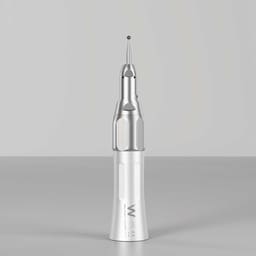
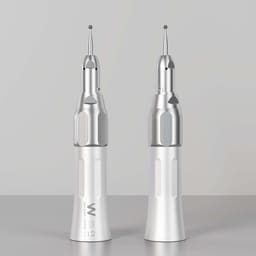
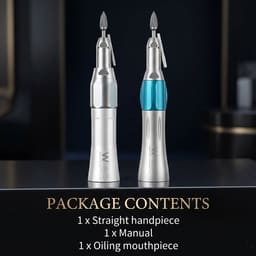
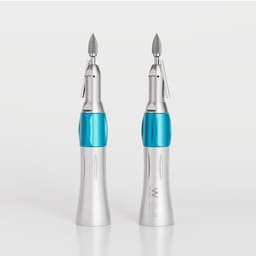
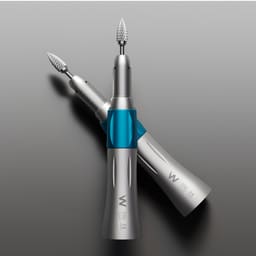
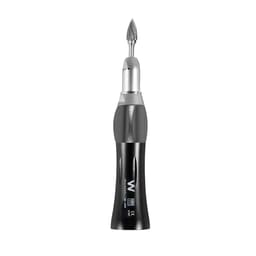
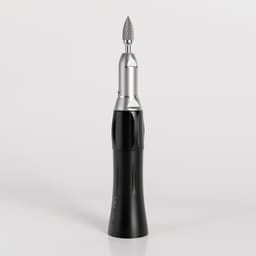
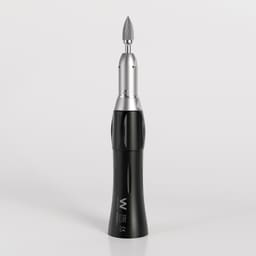
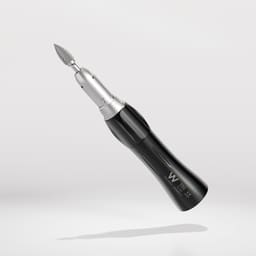
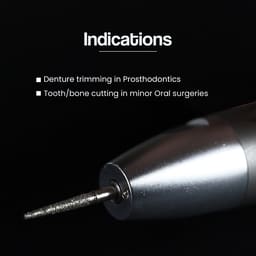
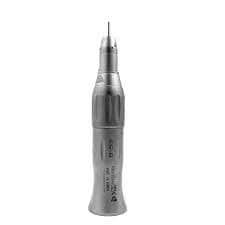
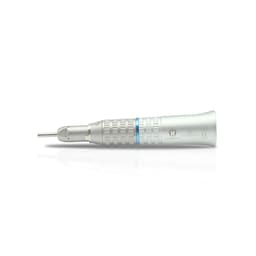
A straight handpiece holds the bur in line with the handle rather than at an angle, and takes the 2.35 mm HP shank instead of the shorter latch bur a contra-angle uses. It runs off a micromotor at low speed for trimming acrylic, adjusting dentures, cutting bone in minor surgery and finishing work at the bench.
 Recommended
 Price- High to LowPrice- Low to High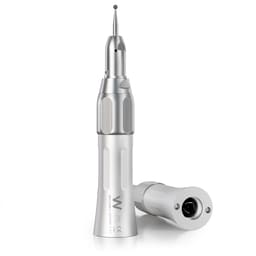

 105
105
 80
80
.jpg?w=256)
 75
75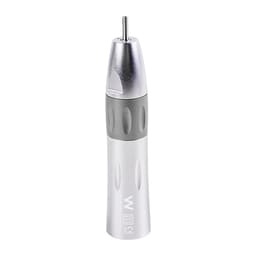

 150
150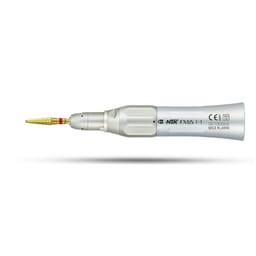
 172
172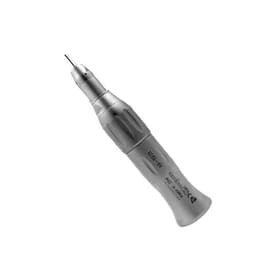
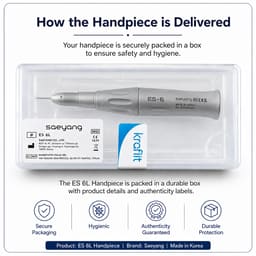
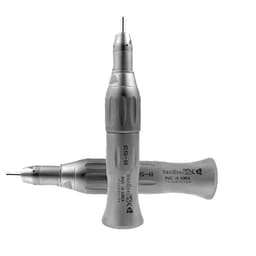
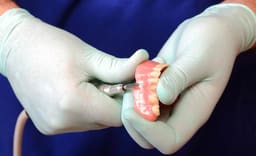
 55
55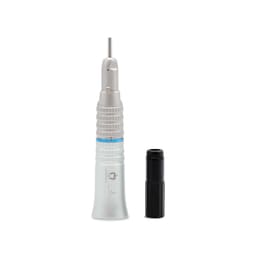
 19
19Dental Straight Handpieces
A straight handpiece is the simplest attachment on the motor — no gearbox turning the drive through an angle, just a shaft running straight from the coupling to the bur.
That matters for two reasons. It takes the long 2.35 mm HP-shank bur, which is what acrylic trimmers, bone burs and lab carbides are made in, and the in-line shape gives you a clear view down the shaft when you are cutting something you can see rather than reaching around a tooth.
Chairside use
Inside the mouth, a straight handpiece handles the jobs a contra-angle is too short or too angled for.
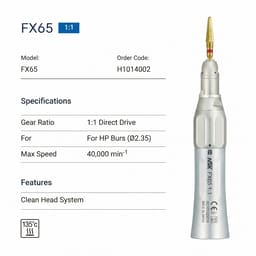
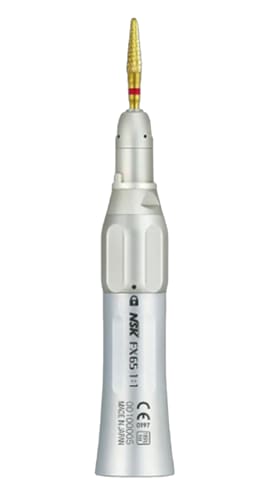
Trimming a denture flange, adjusting an acrylic temporary, sectioning a crown from the buccal, or reducing a sharp bony edge after an extraction. The Apple straight handpiece is the low-cost workhorse for this, and the NSK FX-65 straight handpiece steps up to a 1:1 direct drive running to 40,000 rpm with a clean-head system that stops debris being drawn back into the bearings.
Surgical use
Cutting bone is where a straight handpiece has to be a different instrument.
Why irrigation matters
Bone dies at around 47 °C, so a dry bur that stalls in dense cortical bone can cause necrosis at the osteotomy site and cost you the healing. A surgical straight handpiece carries water to the bur, either through an external line or internally through the body.
The surgical options here
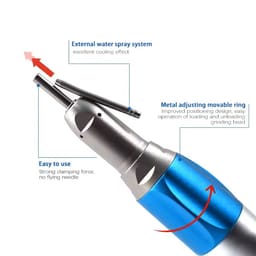
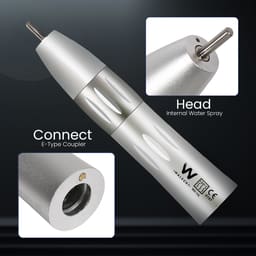
The Marathon ES-100N surgical straight handpiece uses an external spray with a quick-release coupling. Above it, NSK's micro-surgery line — the SGS-E2S at 1:2 and the titanium-bodied Ti-Max X65L with fibre optics — is built for implant and third-molar work where visibility and torque both matter.
A note on the 20° heads
Two NSK surgical handpieces filed here, the SGA-E2S and SGA-ES, are 20° angled rather than straight. If you need the in-line shaft, check the model before ordering; the angled versions sit more naturally with contra-angle handpieces.
Laboratory use
At the bench the same handpiece grinds, trims and shapes — plaster, acrylic, wax and metal — and here the HP shank is the whole point, because lab carbides and stones are made in that size. Bench micromotors and lab consumables sit in laboratory.
Keep a clinical handpiece and a lab handpiece separate. Acrylic dust and plaster wreck bearings quickly, and a handpiece used on models should never go back in a patient's mouth.
Choosing and caring for one
- Shank — confirm it takes the 2.35 mm HP bur you already stock.
- Irrigation — external spray is cheaper and serviceable; internal spray is cleaner to work with in a flap.
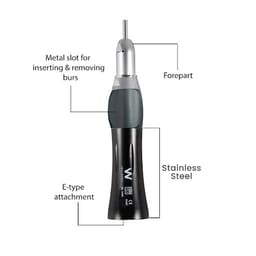
- Body — stainless steel for general use, titanium where weight over a long surgical case matters.
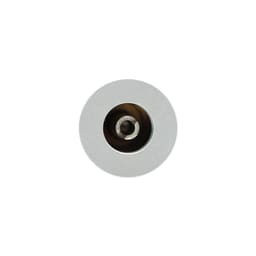
- Coupling — check the ISO E-type fit against your micromotor.
Bearings are what fail, and nearly always from missed lubrication rather than age. The airotor maintenance and minor repair protocol sets out the oiling and bearing checks that apply here too.
Frequently Asked Questions (FAQs):
What is a straight handpiece used for?
A straight handpiece holds the bur in line with the handle and runs at low speed off a micromotor. It is used for trimming and adjusting acrylic dentures and temporaries, sectioning crowns, smoothing bone after extraction, cutting bone in minor oral surgery, and grinding or shaping plaster, wax and metal at the laboratory bench.
What is the difference between a straight and a contra-angle handpiece?
The shape and the bur they take. A contra-angle is bent near the head so the bur can sit against a back tooth, and it accepts the short RA latch bur. A straight handpiece runs in line with the handle and takes the longer 2.35 mm HP shank, which is the size lab and surgical burs are made in.
Which bur fits a straight handpiece?
A straight handpiece takes the HP shank, a plain 2.35 mm diameter shaft about 44 mm long with no latch notch or friction-grip groove. Acrylic trimmers, surgical bone burs, lab carbides and mounted stones are all supplied in this shank. RA latch burs from a contra-angle will not seat in it.
Do I need water spray on a straight handpiece?
For soft-tissue-free work such as trimming acrylic, no. For cutting bone, yes — bone begins to die near 47 °C, so an unirrigated bur risks thermal necrosis at the osteotomy and delayed healing. Surgical models supply water either through an external line clipped along the body or internally through the handpiece.
Can the same straight handpiece be used in the clinic and the laboratory?
It is better to keep two. Plaster and acrylic dust work into the bearings and shorten the life of a handpiece quickly, and an instrument used on models and casts should not then be used intraorally. Many clinics run an inexpensive handpiece at the bench and reserve a serviced, sterilisable one for patients.