

Intraoral Scanner
4.2
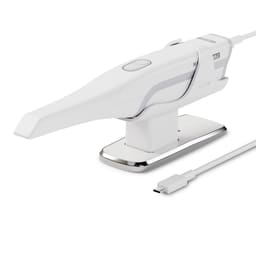
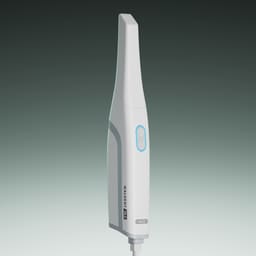
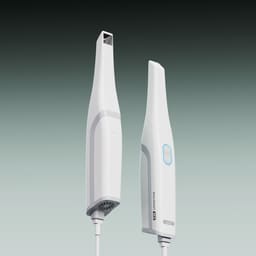
Intraoral scanners are handheld optical wands that capture 3D digital impressions of the teeth and gingiva for crown, aligner, and implant design. Dentalkart's catalogue spans premium, AI-assisted, and entry-level scanners from 3Shape, Medit, and Waldent. Full-arch trueness ranges from roughly 20 microns on premium wands to 100 microns on entry models, with autoclavable tips and a 12–24 month warranty.
Sort by - Recommended
 Recommended
 Price- High to LowPrice- Low to High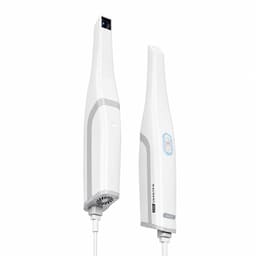

★ 4.3
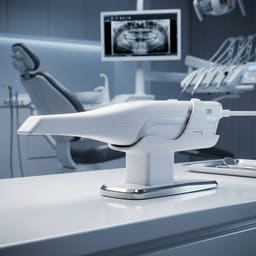
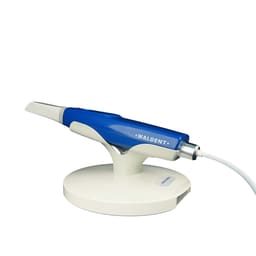
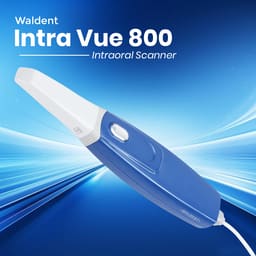
(33)AI-powered intraoral scanner delivering fast, accurate 3D digital impressions with precision
₹ 199999₹ 990000
79.80% Off
 9.9k
9.9kView Similar Products
Only 4 Left
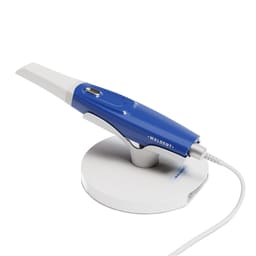
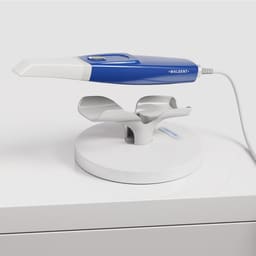
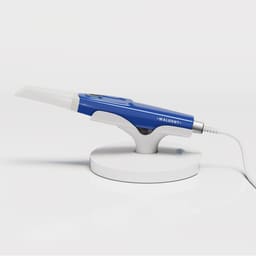
AI-driven intraoral scanner for fast, precise, and comfortable dental impressions
₹ 190000₹ 952000
80.04% Off
9.5kView Similar Products
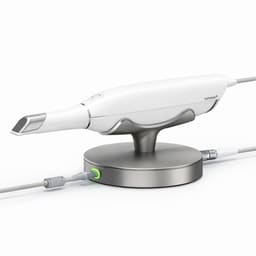
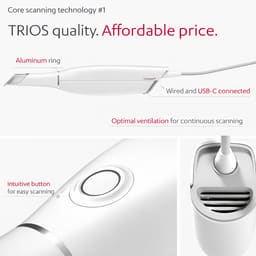
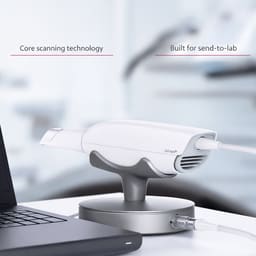
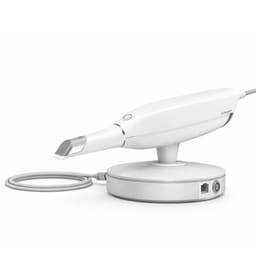
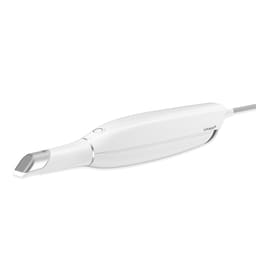
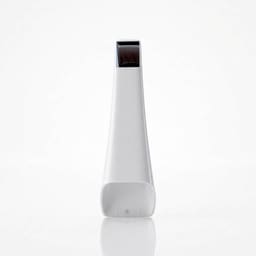
AI-powered intraoral scanner offering accurate scans and seamless integration with 3Shape Unite platform
View Similar Products
Only 3 Left
AI-powered intraoral scanner delivering fast, accurate 3D digital impressions with precision
₹ 3140₹ 4800
34.58% Off
155View Similar Products
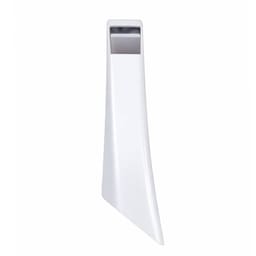
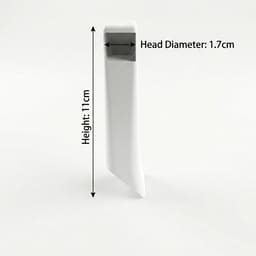
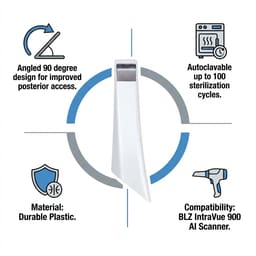
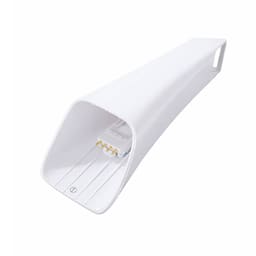
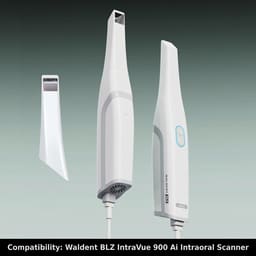
AI-powered intraoral scanner delivering fast, accurate 3D digital impressions with precision
₹ 3140₹ 4800
34.58% Off
155View Similar Products
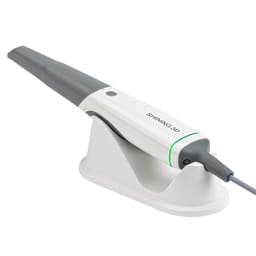
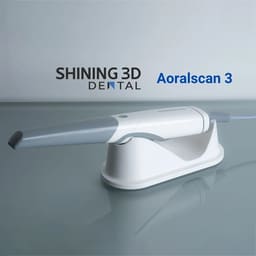
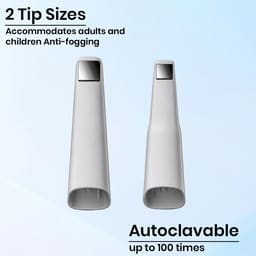
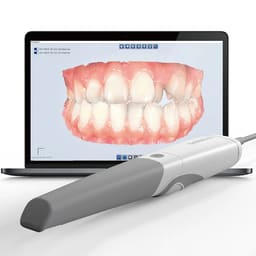
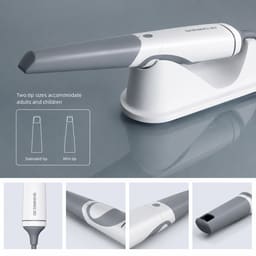
Advanced intraoral scanner delivers fast accurate digital impressions with AI powered high precision scanning workflows
View Similar Products
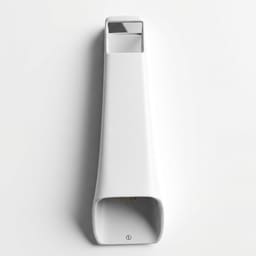
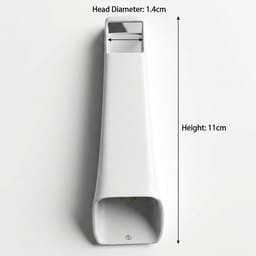
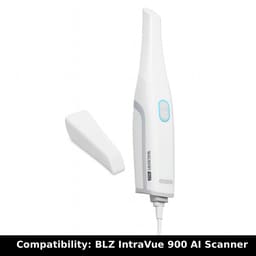
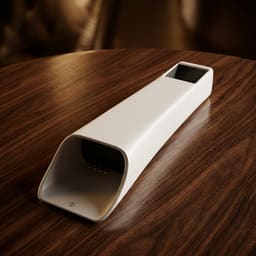
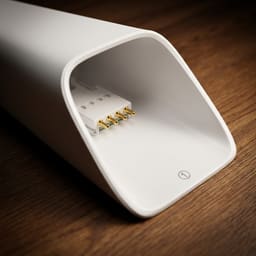
AI-powered intraoral scanner delivering fast, accurate 3D digital impressions with precision
₹ 3140₹ 4800
34.58% Off
155View Similar Products
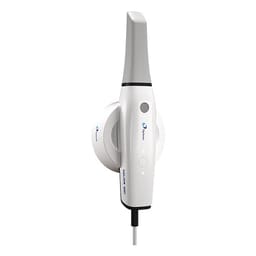
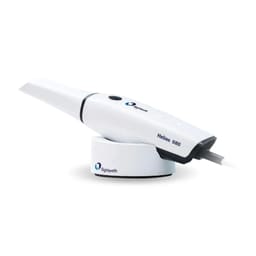
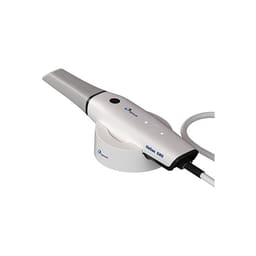
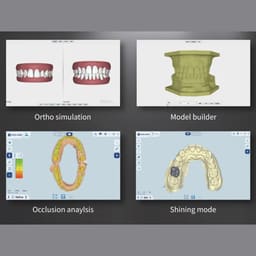
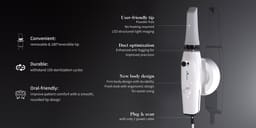
High-precision AI intraoral scanner delivering fast, accurate 3D digital impressions for modern dental practices
View Similar Products
Filters
Sort By
RecommendedIntraoral Scanners — Digital Impression Wands for Crown, Aligner & Implant Workflows
Intraoral scanners are handheld optical devices that record the teeth and surrounding soft tissue as a 3D digital impression, using structured-light or confocal-laser projection to rebuild surface geometry frame by frame. The scan exports as an open STL, OBJ, or PLY mesh that drives chairside or laboratory CAD/CAM. By replacing alginate and polyvinyl-siloxane trays, these wands remove pour distortion and courier delays from crown, bridge, clear-aligner, and implant-prosthetic cases, a shift detailed in Intraoral Scanner Technology Explained — Digital Impression Core Concepts.
Types of intraoral scanners
Premium full-ecosystem scanners
Premium wands pair high frame rates with a complete send-to-lab and cloud platform, suiting dental colleges and high-volume clinics running crown, implant, and orthodontic cases side by side. For example, 3Shape Trios 3 Intraoral Scanner — up to 100µm full-arch trueness at 1,875 images per second over USB-C.
AI-assisted scanners
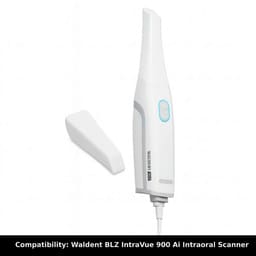
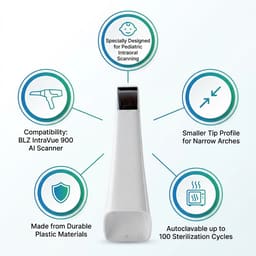
AI-assisted scanners run onboard machine learning to auto-fill small voids, separate tooth from tissue, and shorten full-arch capture, which helps a shared operatory move faster. For example, Waldent BLZ IntraVue 900 Ai Intraoral Scanner — around 20-micron accuracy with tips rated for 100 autoclave cycles.
Lightweight color wands
Lightweight color wands keep the handpiece light and the tips reversible, reducing wrist fatigue across a long list and aiding margin reading in real-time full colour. For example, Medit i700 Intraoral Scanner — 180° reversible tips, open STL/OBJ/PLY export, and a direct USB 3 PC connection.
Entry-level CAD/CAM scanners
Entry-level scanners cover crown, bridge, and aligner indications and integrate with common CAD/CAM systems, letting a clinic move off analog trays without a premium-tier outlay. For example, Heron IOS Intraoral Scanner — active stereo imaging, an autoclavable tip, and cloud file transfer.
When are intraoral scanners used?
An intraoral scanner replaces the impression tray at the point a clinician would otherwise seat alginate or silicone, capturing a single tooth, a quadrant, or a full arch in a few minutes. The mesh then routes to the lab or a chairside mill. Typical cases include digital impressions for implant restorations and the indications below:
- Crown, bridge, inlay, onlay, and veneer impressions
- Single-tooth and full-arch implant scans captured with scan bodies
- Clear-aligner case starts and progress monitoring
- Digital orthodontic study models and bracket-bonding setup
- Surgical-guide design for implant placement
- Bite registration and occlusal analysis for full-mouth rehabilitation
How to choose the right intraoral scanner
- Case mix — match the scanner to your longest span; crown-only practices can stay mid-tier, while full-arch implant and orthodontic work needs a documented sub-50-micron wand.
- Trueness and reliability — confirm full-arch trueness, not just single-die accuracy, and check how the engine handles deep margins and edentulous spans.
- Open vs closed file system — open systems export STL, OBJ, or PLY to any lab; closed systems lock scans to one CAD ecosystem and may add per-case licence fees.
- Wand ergonomics and tips — weight under 300 grams, reversible tips, and a high autoclave-cycle rating reduce fatigue and running cost.
- Total cost in India — weigh the device, the ongoing software subscription, and the brand's in-country service and warranty turnaround, not just the sticker price.
Intraoral scanner brands available on Dentalkart
3Shape supplies the Trios family that anchors many academic departments and large practices, built around its Unite send-to-lab and cloud platform.
Medit pairs lightweight, open-file i-series wands with a strong price-to-performance ratio, while Waldent's India-made IntraVue line adds AI scanning with local service, and Heron covers CAD/CAM-integrated entry workflows.
Why buy an intraoral scanner from Dentalkart
An intraoral scanner is only as useful as the support behind its software, so Dentalkart supplies every wand through the manufacturer or its authorised Indian distributor with the genuine licence and a 12–24 month warranty. The team coordinates installation, scan-software setup, and operator training with the brand's service network, routes repairs to in-country engineers, and offers EMI so the higher upfront cost spreads across the practice's cash flow.
Frequently Asked Questions (FAQs):
What is an intraoral scanner used for in daily practice?
An intraoral scanner is used to record a digital impression in place of an alginate or silicone tray, capturing the prepared teeth, adjacent contacts, and the opposing bite. The mesh then drives crown and bridge milling, clear-aligner planning, implant-prosthetic design, and orthodontic study models, sending straight to a lab or a chairside CAD/CAM unit.
What is the difference between open-system and closed-system intraoral scanners?
The difference between open-system and closed-system intraoral scanners is file portability. An open-system scanner exports STL, OBJ, or PLY meshes that any laboratory or design software can open, while a closed system locks scans into the manufacturer's CAD ecosystem and often a per-case licence. Open systems cost less per case but need lab-compatibility checks.
Which intraoral scanner is best for a clinic starting digital impressions in India?
For a clinic starting digital impressions in India, a lightweight wand such as the Medit i700 or an AI scanner like the Waldent IntraVue 900 covers routine crown and aligner work. Prices on Dentalkart range from about ₹2,00,000 for an India-made AI scanner to ₹9,00,000 for a premium 3Shape Trios unit.
How many times can intraoral scanner tips be autoclaved, and how long does the wand last?
Intraoral scanner tips are autoclavable for roughly 100 to 500 cycles depending on the brand, after which optical clarity drops and they need replacing. The wand itself lasts about 5 to 8 years of daily use, so budget for a periodic camera service and the software subscription most brands charge after the first 12 to 18 months.
Are intraoral scanners on Dentalkart genuine, and what does the price include?
Yes, every intraoral scanner on Dentalkart is genuine, shipped from the manufacturer or an authorised Indian distributor with the original software licence and warranty. The kit includes the wand, autoclavable tips, the cable or wireless cradle, and the scan software, and Dentalkart arranges installation and operator training through the brand's service team.