


Die Materials
Die materials are the lab materials used to build the die — the exact stone replica of a prepared tooth on which a crown, inlay, onlay or veneer is fabricated. The group covers high-strength Type IV and V die stones plus the die liquids that finish them: hardener, spacer, separator and thinner.
 Recommended
 Price- High to LowPrice- Low to High
 2
2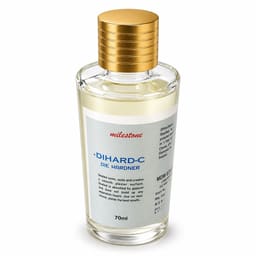
 2
2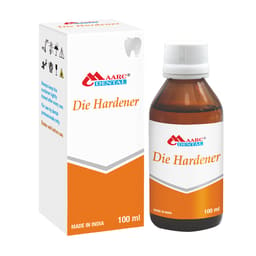

Only 5 Left
Stone(3kg)23.jpg?w=256)
Stone(3kg)3wwee.jpg?w=256)
Stone(3kg)65555555.jpg?w=256)
Stone(3kg)2122233.jpg?w=256) 2
2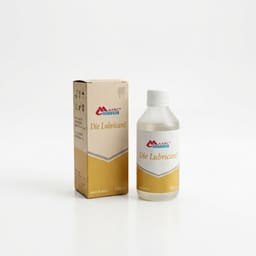
 7
7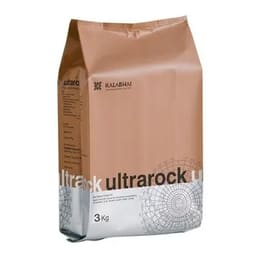


 2
2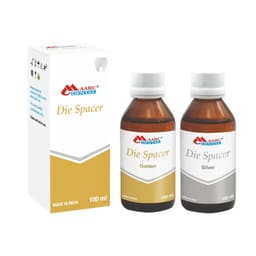
Die Materials — Building the Working Die for an Indirect Restoration
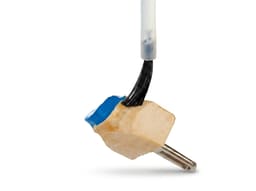
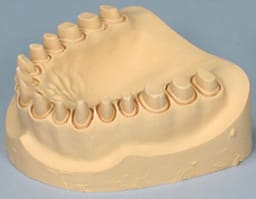
Every crown, inlay, onlay and veneer made outside the mouth is built on a die: a hard, exact copy of the single prepared tooth, cut out of the working model so the technician can wax, cast or press the restoration to a perfect margin. The die is only as good as the material it is poured from and the liquids used to finish it — and that is what this category covers. On one side sit the die stones that form the replica; on the other, the hardeners, spacers, separators and thinners that prepare its surface for the work that follows.
The die stone
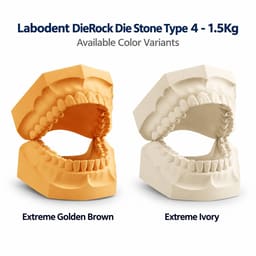
The die itself is cast from a high-strength gypsum die stone — Type IV for most fixed work, prized for its hardness and very low setting expansion, so the replica holds fine margins and occlusal detail without distorting. The Kalabhai Kalrock Diestone (3 kg) is an extra-hard die stone of this Type IV grade.
A premium extra-hard stone
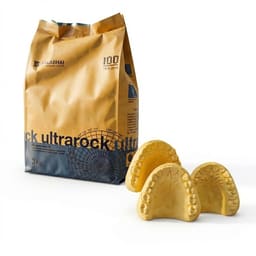
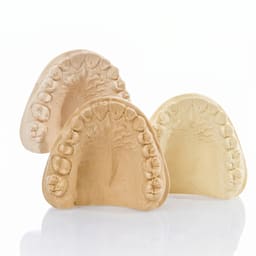
Where a case demands the tightest margin accuracy and the smoothest, most abrasion-resistant surface, a premium extra-hard stone earns its cost. The Zhermack Elite Rock is a Type IV extra-hard die stone in that tier. Colour-coded stones also help a lab tell dies apart on the bench at a glance.
Die hardener
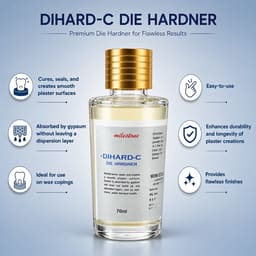
Once the stone die has set, a die hardener is brushed over it to seal and toughen the surface, so the fine margin does not chip or abrade while the pattern is waxed and carved against it. It soaks in, cures and leaves the die smoother and more durable. The MDM Die Hardener (70 ml) is a clear hardener for stone dies.
Die spacer
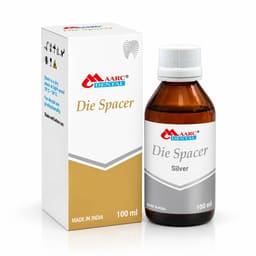
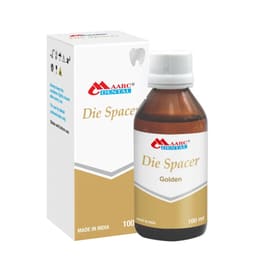
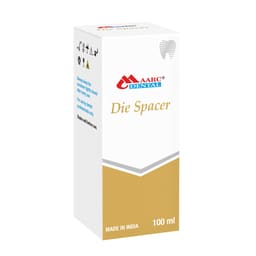
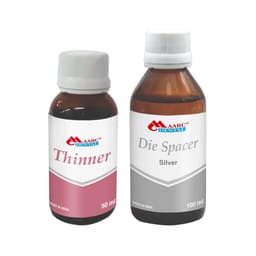
A die spacer is a thin lacquer painted onto the die, stopping short of the margin, to create a uniform gap for the luting cement between the finished restoration and the tooth — without it, a well-made crown can sit high on its own cement film. The Maarc Die Spacer lays down that controlled relief layer.
Die separator
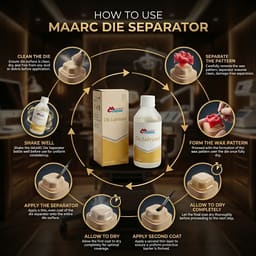
Wax and stone stick, so a die separator — a thin lubricant film — is applied to the die so the wax pattern lifts off cleanly without tearing at the margin. The Maarc Die Separator is a separating medium for that release.
Die thinner
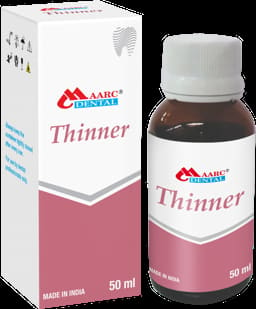
Die spacer thickens as its solvent evaporates in the bottle, and a die thinner restores it to a brushable consistency and the intended film thickness, so the cement gap stays accurate coat after coat. The Maarc Die Thinner is the matched thinner for that.
Resin and epoxy dies
Beyond gypsum, dies can be cast from polyurethane resin or epoxy, which resist abrasion and hold a sharp edge better than stone, making them useful for delicate margins and long-span work. They cost more and handle differently, so most labs keep them for the cases that reward the extra durability rather than as an everyday stone replacement.
Where die materials are used
Die materials belong to the fixed-prosthodontic workflow — crown and bridge, inlay and onlay, and veneer fabrication — plus teaching and study models where an accurate replica matters. The restorations they support, and the wider lab and clinical side of that work, sit in the prosthodontics range.
Why buy die materials from Dentalkart
Die accuracy depends on fresh, correctly graded stone and liquids that behave predictably, so each die stone here states its ISO type and pack size and each liquid its purpose and volume, letting a lab match the material to the technique. They order alongside the rest of a laboratory setup — the impression stones, waxes and investment a technician uses in the same workflow — from one catalogue.
Frequently Asked Questions (FAQs):
What are die materials used for in dentistry?
Die materials are used to build a die — an exact, hard replica of a prepared tooth — on which a crown, bridge, inlay, onlay or veneer is fabricated in the lab. The die stone forms the replica from the working impression, and the die liquids finish its surface so the technician can wax, cast or press a restoration that seats with an accurate margin.
Die stone or a resin/epoxy die — which is better?
It depends on the case. Type IV die stone is the everyday choice — accurate, easy to pour and economical — and covers most crown-and-bridge work. Resin and epoxy dies resist abrasion and hold a sharp edge better, which helps on fine margins and long-span cases, but they cost more and handle differently, so most labs reserve them for demanding work.
Type IV or Type V die stone — when is each used?
Type IV die stone, with high strength and very low setting expansion, is the standard for accurate fixed dies. Type V expands slightly more on setting, and that controlled expansion is used to compensate for the casting shrinkage of certain high-noble and base-metal alloys. For most crown-and-bridge dies Type IV is used; Type V is chosen when an alloy calls for the extra expansion.
What do die hardener, spacer and separator each do?
Each finishes the die for a different step. A die hardener seals and toughens the set stone so the margin resists chipping during waxing. A die spacer paints on a uniform relief layer, short of the margin, to leave room for the luting cement. A die separator is a lubricant so the wax pattern releases cleanly from the die without distortion.
How should die stone be mixed and stored for best accuracy?
Die stone gives its best accuracy when mixed to the manufacturer's exact water-to-powder ratio, spatulated for the stated time (ideally under vacuum to avoid air), and left to set undisturbed under the recommended conditions. Store the powder sealed in a cool, dry place away from moisture, since absorbed humidity changes its setting behaviour and weakens the die.