

Prosthodontics
Prosthodontics is the branch that rebuilds missing or broken teeth with crowns, bridges, and dentures, and this category holds the materials and instruments the work runs on. 3M ESPE, Zhermack, GC, Vita, and Ruthinium are the names behind impression materials, waxes, denture acrylics, temporary-crown resins, and shade guides. The kit spans the whole arc, from first impression to fitted prosthesis.
 Recommended
 Price- High to LowPrice- Low to High
.jpg?w=256)
 125
125
Only 5 Left
155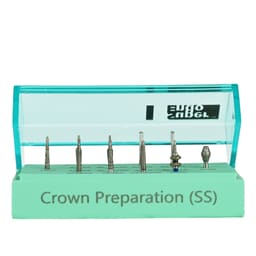
 30
30
 10
10
 15
15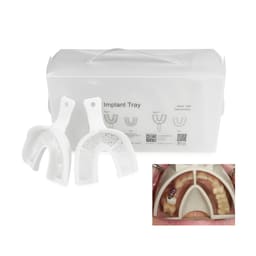
 70
70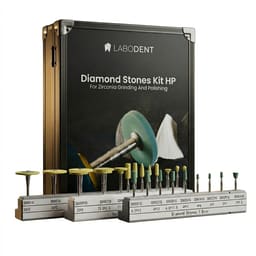
 1.7k
1.7kProsthodontics — Materials and Instruments for Crowns, Bridges and Dentures
Prosthodontics is the part of dentistry that replaces what is missing and restores what is broken — a single crown, a multi-unit bridge, a partial or a full denture, or a restoration built onto an implant. Getting there is a chain of steps, each with its own material: an impression to copy the mouth, a bite record to relate the jaws, wax and acrylic to build the prosthesis in the lab, a temporary to protect the tooth in the meantime, and a shade and margin to make it look and fit right. This category gathers the materials and instruments for the whole of that chain.
Types of prosthodontic product
Impression materials
Everything downstream depends on an accurate copy of the mouth, and that is what an impression material makes. Fast, low-cost alginate takes the preliminary and study-model impressions, while addition silicone (VPS) and polyether capture the fine margin detail a crown or implant case needs. The full impression material range covers each of these.
Impression trays
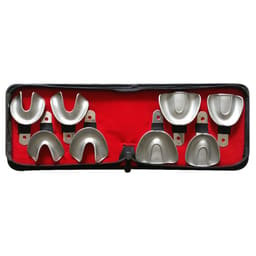
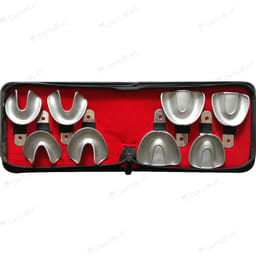
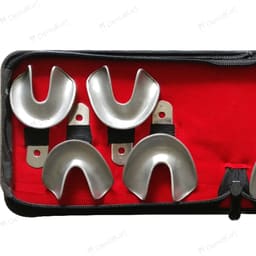
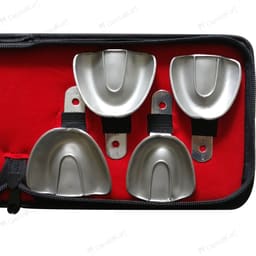
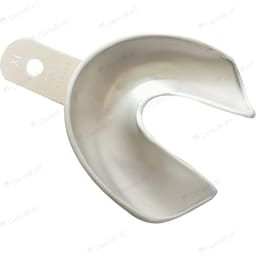
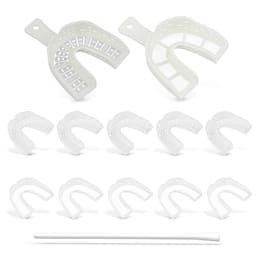
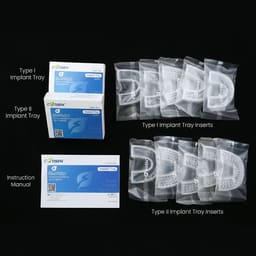
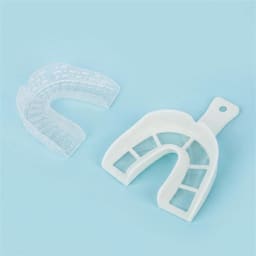
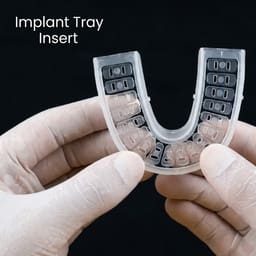
An impression needs a tray to carry it — stock metal and plastic trays for routine arches, edentulous trays for denture work, and dual-arch trays for a quick single unit. The impression trays hold the material to the arch while it sets.
Bite records and laboratory waxes
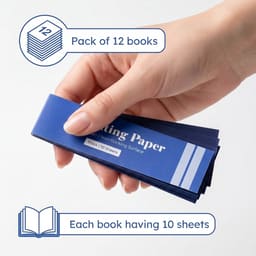
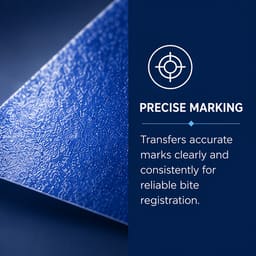
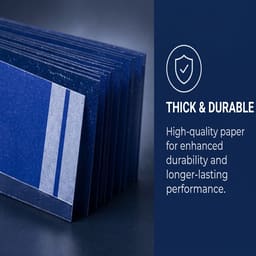
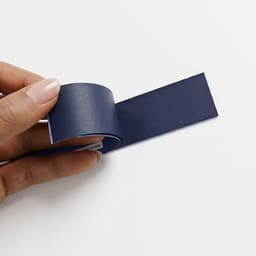
Once the teeth are copied, the jaws have to be related and the prosthesis shaped. Bite registration materials and wafers record how the arches meet, and the lab builds the work up in waxes — modelling, pattern, and casting grades — before it is processed.
Denture bases and teeth
A removable denture is built from an acrylic base carrying a set of artificial teeth. Heat-cure PMMA is the standard base, with cold-cure and flexible options for relines and clasp-free partials, and the teeth come in matched shades and moulds. The denture base material range supplies the resin side.
Crown, bridge and temporisation materials
For fixed work, a prepared tooth is protected by a temporary while the lab makes the definitive crown. Bis-acrylic resins give a strong, low-heat provisional for a bridge, and preformed crowns are the quick single-tooth fix. The temporary crown and bridge materials cover the provisional stage.
Shade, retraction and preparation
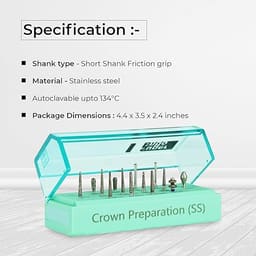
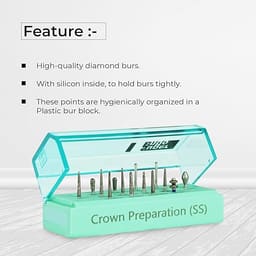
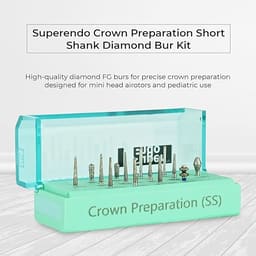
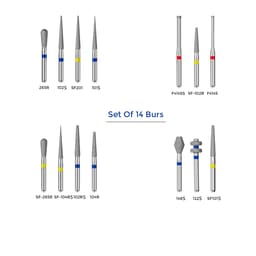
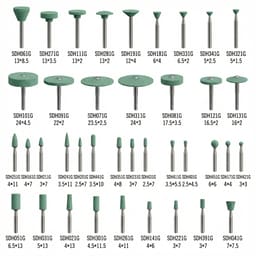
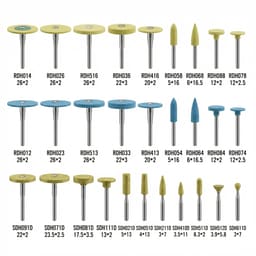
Around those materials sit the finishing details: shade guides that pin down the colour, gingival retraction cords and pastes that open the margin for a clean impression, and crown-prep bur kits sequenced for the reduction and margin each restoration needs.
When prosthodontic products are used
They come out across the whole fixed and removable workflow, clinic and lab:
- Taking a preliminary impression in alginate for a study model or a custom tray
- Recording the final margins in silicone or polyether after retraction
- Registering the bite and mounting the casts on an articulator
- Waxing up and trying in a denture before it is processed
- Temporising a prepared tooth between preparation and cementation
- Matching the shade before the ceramic is built
- Reducing the tooth with a crown-prep bur kit to the right margin
How to choose prosthodontic products
- Fixed or removable first — silicone and polyether for the accuracy a crown or implant needs, alginate for study models and denture primaries.
- Temporary to the span — bis-acrylic for a bridge or a long provisional, a preformed or PMMA crown for a single unit.
- Denture base to the case — heat-cure PMMA for the definitive base, cold-cure for a reline, flexible nylon where clasps are to be avoided.
- Retraction to the tissue — cord for a deep, healthy sulcus; paste or gel for thin, easily traumatised gingiva.
- One shade system, kept consistent — pick a single guide (Vita Classical or 3D-Master) and use the same one from clinic to lab so the colour survives the handover.
Prosthodontic brands on Dentalkart
Different names lead different parts of the workflow. 3M ESPE, Zhermack, GC, DMG, and Coltene are the go-to for impression materials and temporaries.
Vita, Ivoclar, and Ruthinium set the reference for shade, ceramics, and denture teeth, while Maarc, DPI, and Prevest Denpro handle the lab-side waxes and acrylics — between them spanning the fixed and removable range end to end.
Why buy prosthodontic products from Dentalkart
Prosthodontic work is a relay between the chair and the lab, and a break anywhere — a distorted impression, a mismatched shade, a temporary that fails — sends the whole case back a step. Sourcing the impression material, the bite record, the wax and acrylic, the temporary, and the finishing burs together keeps every stage compatible and to hand, lets a practice standardise on an impression system it trusts, and means a case never stalls for the want of a small consumable that should have been in the drawer.
Frequently Asked Questions (FAQs):
What does prosthodontics cover?
Prosthodontics is the replacing and restoring of teeth — crowns and bridges for single or spanning gaps, partial and complete dentures for larger losses, and restorations built onto implants. The products behind it run from the impression and the bite record, through the lab's wax, acrylic, and ceramic, to the temporary, shade guide, and burs used at the chair.
Which impression material should I use — crowns or dentures?
It depends on the accuracy the case needs. A crown, bridge, or implant impression wants silicone (VPS) or polyether for their fine detail and dimensional stability on a stone die. A study model, a denture primary, or an orthodontic record is fine on alginate, which is quick and cheap but has to be poured almost at once. Most clinics stock one of each.
Why bother with a temporary crown?
A temporary does real work in the weeks before the lab crown is ready. It seals and protects the cut dentine, stops the prepared tooth drifting or over-erupting, keeps the gum contour, and lets the patient function and smile in the meantime. Skipping it usually means the permanent crown no longer seats cleanly when it arrives.
How do the clinic and lab keep the shade matching?
By speaking the same shade language. The clinic reads the colour on a standard guide — Vita Classical or 3D-Master — and sends that reference, ideally with a photo, to the lab, which builds the ceramic to the same system. Trouble starts when the two use different guides or judge shade under poor light; one agreed system and good lighting keep the match true.
What materials do I need to start fixed and removable work?
For crowns and bridges: an impression material and trays, a bite registration material, retraction cord or paste, a temporary crown material, a shade guide, and a crown-prep bur kit. For dentures: alginate and edentulous trays, base-plate and modelling wax, denture base acrylic, and a set of teeth. The lab handles the processing; the clinic supplies the records and materials.