

Hooks and Pins
5.0
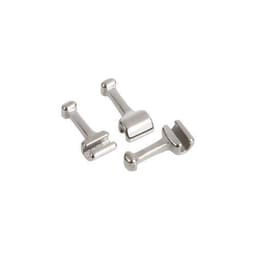
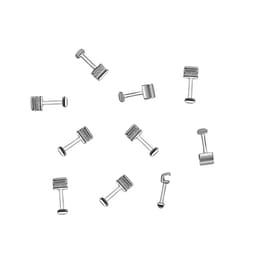
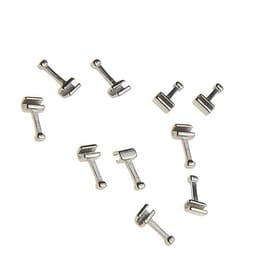
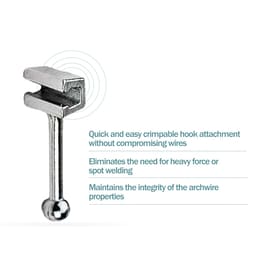
A crimpable hook is a small orthodontic attachment that clamps onto the archwire to create a fixed anchor point. The clinician slides it to the right spot and squeezes it shut with pliers, then hooks elastics or a spring onto it to pull a tooth. Hooks come in ball, J, and long, medium, and short lengths.
Sort by - Recommended
 Recommended
 Price- High to LowPrice- Low to High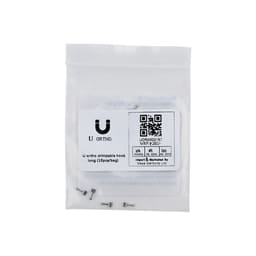

★ 5.0
(1)Durable, adjustable crimpable orthodontic hooks for precise adjustments
₹ 245₹ 280
12.50% Off
 10
10View Similar Products
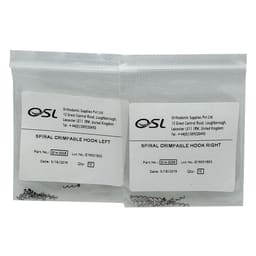
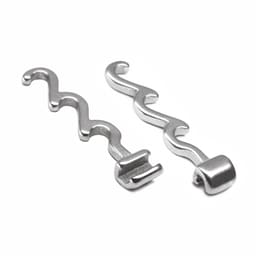
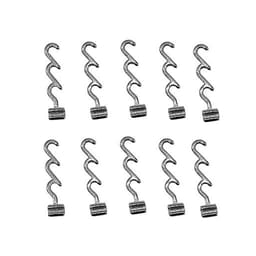
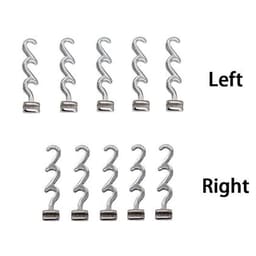
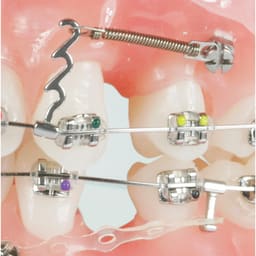
Spiral crimpable hooks for secure and reliable attachment to orthodontic archwires always
Starting at₹ 500
View Similar Products
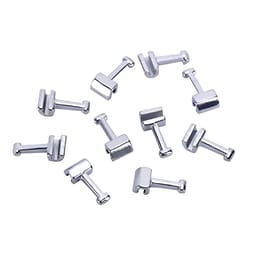
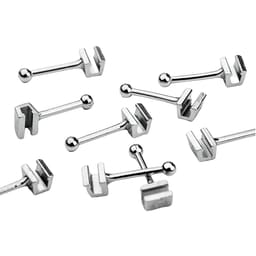
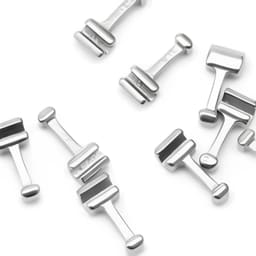
Crimpable hooks securely attach to archwires for orthodontic appliances and elastic connections
Starting at₹ 430
View Similar Products
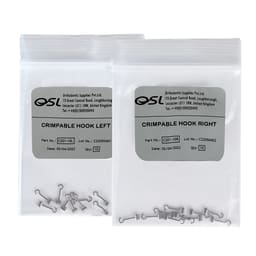
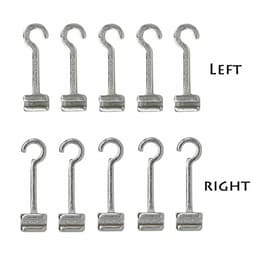
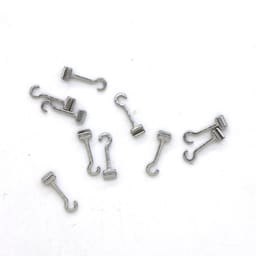
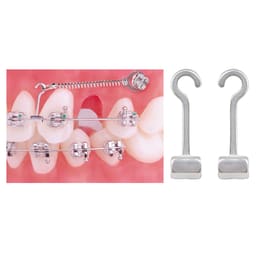
J-shaped crimpable hooks for secure and reliable attachment to orthodontic archwires always available
Starting at₹ 500
View Similar Products
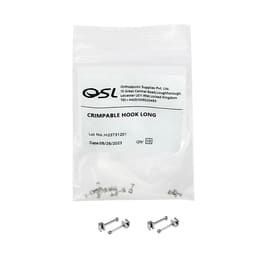
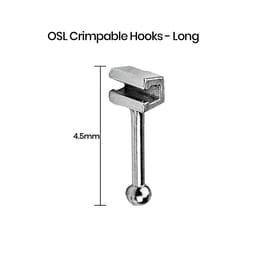
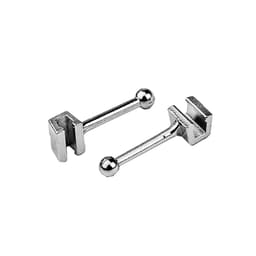
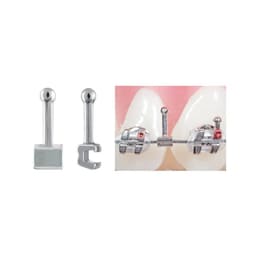
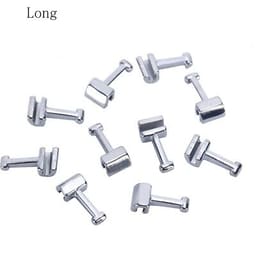
Long crimpable hooks securely attach to archwires for orthodontic appliances and elastic connections
Starting at₹ 430
View Similar Products
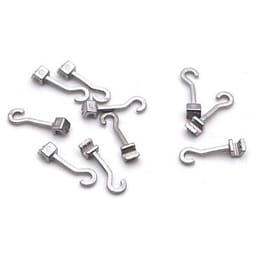
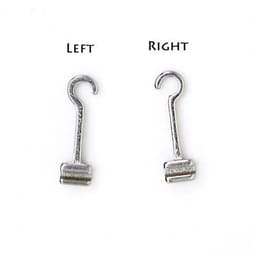
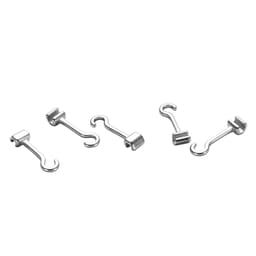
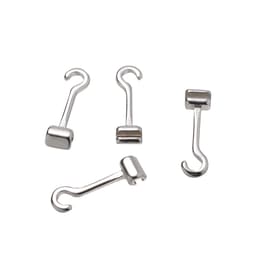
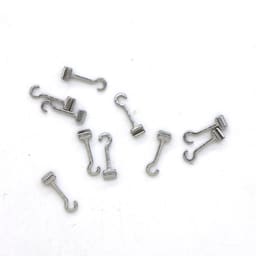
Crimpable stainless steel hooks for anchoring elastics and auxiliaries
Starting at₹ 319
View Similar Products
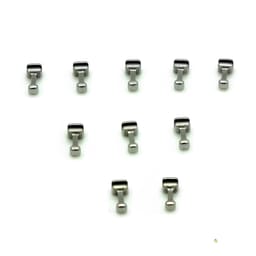
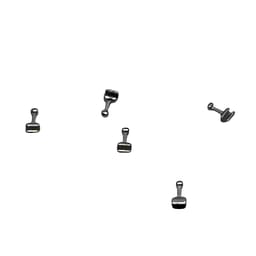
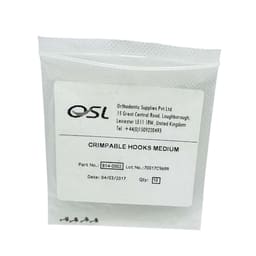
Durable stainless steel crimpable hooks for arch wires, ensuring comfort and secure orthodontic anchorage
Starting at₹ 430
View Similar Products
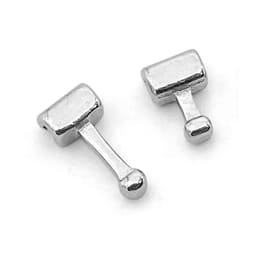
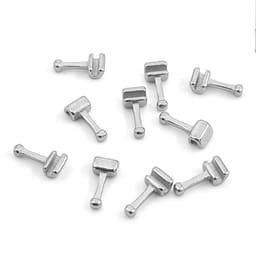
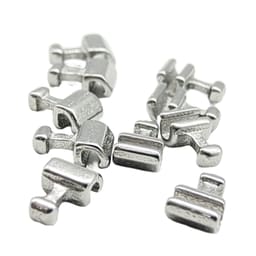
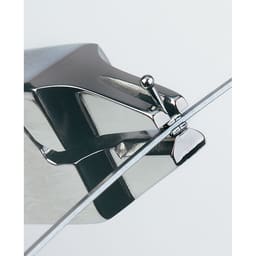
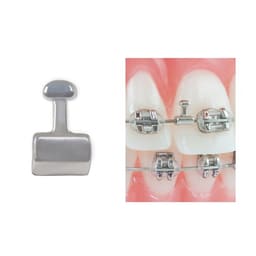
Koden crimpable ball hooks are used for the application of intra and extraoral forces on archwires.
Starting at₹ 399
View Similar Products
Filters
Sort By
RecommendedHooks and Pins
In fixed orthodontics, force has to be applied from a fixed point. A crimpable hook is that point. It is a small metal piece that slides onto the archwire and is squeezed shut so it grips and will not move. Once fixed, it gives the clinician somewhere solid to attach an elastic or a spring, so a tooth or segment can be pulled in a planned direction. This category brings together those hooks from OSL, Koden, Ortho Direct, U-Orthodontics, and Orthometric. Most are sized for .022 wires and sold in packs of 10 for easy chairside restocking.
What the hook does
A crimpable hook has one job: turn a smooth wire into an anchor point.
- Grips the wire — crimped tight with pliers, it stays put under continuous force and does not slide.
- Holds traction — an elastic or spring loops over it to deliver a steady pull.
- Sits where needed — placed at the exact spot along the arch the mechanics call for, not just at a bracket.
Without a hook, there is often nowhere clean to anchor an elastic between brackets.
The shapes it comes in
The styles carried here differ mainly in the profile that catches the elastic:
- Ball hooks (Koden, Ortho Direct) — a rounded tip that holds an elastic securely and is gentle on the cheek.
- J hooks (OSL) — a J-shaped curve that an elastic or ligature seats into deeply.
- Long, medium, short (OSL, U-Orthodontics) — the height of the hook off the wire, chosen for how much clearance the elastic needs.
- Spiral and straight ball-point (OSL spiral, Orthometric) — one coils the wire for extra grip, the other runs straight along it before crimping.
The right profile is the one that holds the chosen elastic without irritating soft tissue.
Choosing and placing
A few practical points:
- Wire gauge — most hooks here are cut for .022 archwires, so they crimp snugly on a standard setup.
- Position — slide it along the wire to the planned spot before closing it.
- Crimping — a firm, even squeeze with the correct pliers from the orthodontic instruments range fixes it without nicking the wire.
- Comfort — pick a length and tip that clear the cheek to reduce ulceration.
The hook is only half the system — it exists to anchor the orthodontic elastics that actually move the teeth.
Frequently Asked Questions (FAQs):
What is a crimpable hook used for?
A crimpable hook creates a fixed anchor point on the archwire. The clinician slides it to a planned position and crimps it shut so it grips the wire. An elastic or spring is then attached to it, delivering a steady pull that moves a tooth or segment in the desired direction. It is a core part of fixed-appliance mechanics.
What is the difference between a ball hook and a J hook?
The shape that catches the elastic. A ball hook ends in a small rounded tip that holds an elastic securely and is smooth against the cheek. A J hook forms a J-shaped curve that an elastic or ligature seats into more deeply. Both anchor traction; the choice comes down to how the elastic sits and clinician preference.
How is a crimpable hook fixed to the wire?
By crimping. The hook slides onto the archwire at the chosen spot, then a crimping plier squeezes it firmly and evenly so it grips and cannot slide under force. The squeeze must be enough to hold but controlled, so it does not nick or deform the wire. Correct pliers make this reliable and repeatable.
What size hook do I need?
Match it to the archwire gauge you are using, commonly .022 or .018, so the hook crimps snugly without being loose or forced. Then choose the length — long, medium, or short — for the clearance the elastic needs off the wire. Finally pick a tip profile, ball or J, that holds the elastic and sits comfortably against the cheek.
Why do hooks come in different lengths?
Because the elastic needs a set amount of clearance from the wire to sit and stretch correctly. A longer hook lifts the attachment point further from the arch, useful where the elastic would otherwise catch soft tissue or a bracket. A shorter hook keeps a low profile where space is tight. The length is chosen to suit the planned mechanics.