





Denture Trimming Burs
4.3
Denture trimming burs are cutters and polishers made for shaping acrylic. Tungsten-carbide cross-cut burs trim and adjust an acrylic denture or appliance, and acrylic polisher points smooth the surface afterwards. They run on a lab lathe or straight handpiece and are used to fit, reduce, and finish acrylic work without clogging or melting the resin.
Sort by - Recommended
 Recommended
 Price- High to LowPrice- Low to High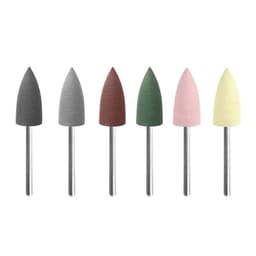
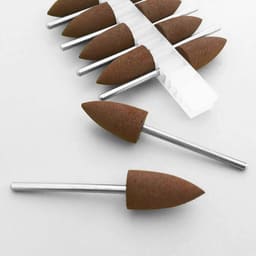
Versatile set for precise shaping smoothing, and polishing Essential tools for perfection
Starting at₹ 50
View Similar Products
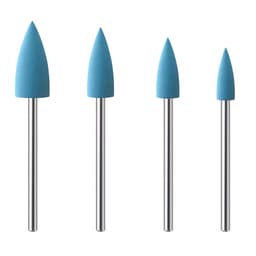
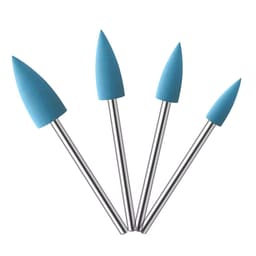
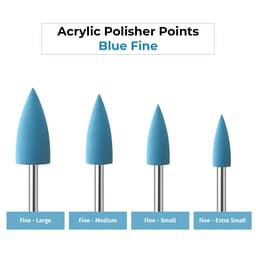
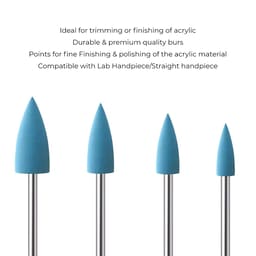
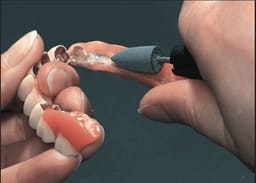
Premium burs for finishing and polishing acrylic prosthesis efficiently.
Starting at₹ 50
View Similar Products
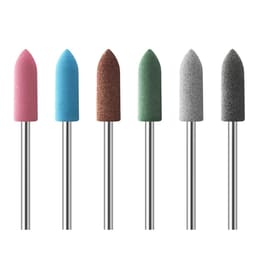
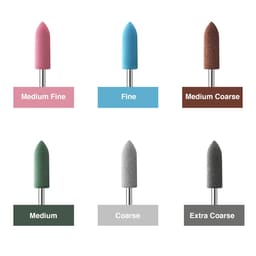
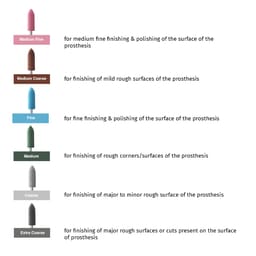
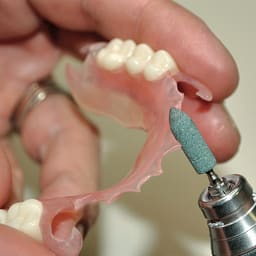
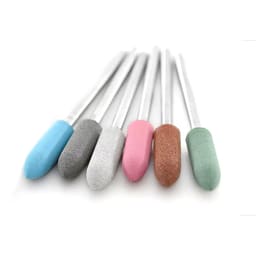
Polishers For Trimming And Finishing Of Acrylic
Starting at₹ 50
View Similar Products
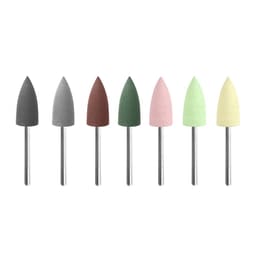
★ 5.0
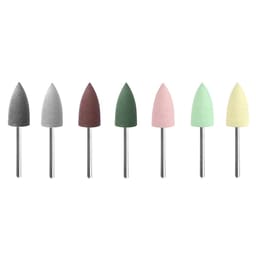
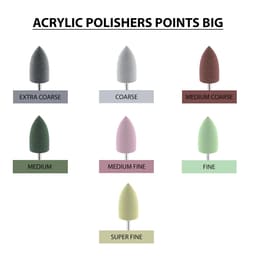
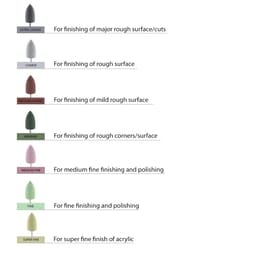
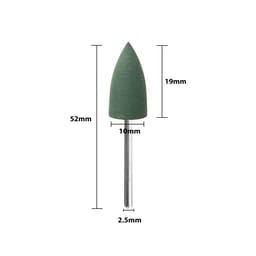
(3)Acrylic Polishers provide efficient finishing and polishing of acrylic prostheses
Starting at₹ 50
View Similar Products
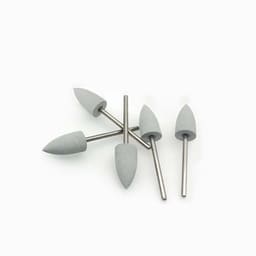
★ 5.0
(3)Acrylic Polishers provide efficient finishing and polishing of acrylic prostheses
Starting at₹ 50
View Similar Products
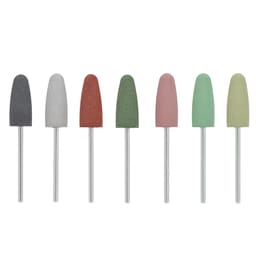
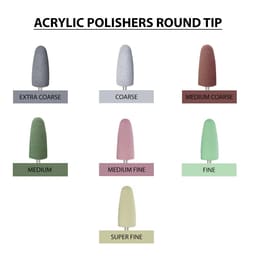
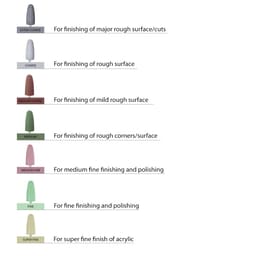
★ 5.0
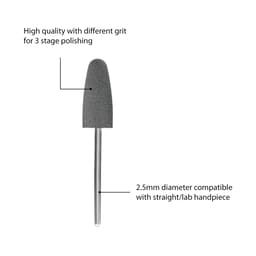
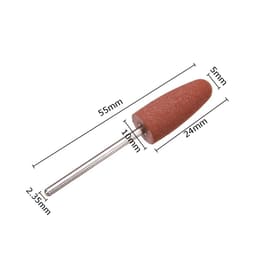
(3)High-quality Acrylic Polishing Burs for finishing and polishing acrylic prostheses efficiently
Starting at₹ 50
View Similar Products
★ 5.0
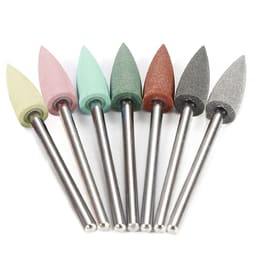
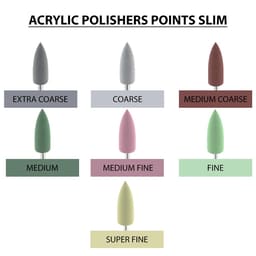
(3)Acrylic Polishers provide efficient finishing and polishing of acrylic prostheses
Starting at₹ 50
View Similar Products

★ 4.5
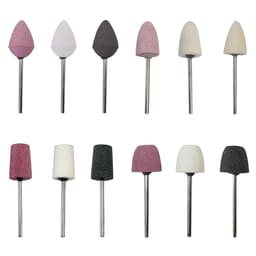
(2)Acrylic trimmer burs for effective trimming, finishing and polishing of dentures
Starting at₹ 19
View Similar Products
Filters
Sort By
RecommendedDenture Trimming Burs
Acrylic needs its own cutting tools. A tooth-cutting bur clogs and burns acrylic resin. Trimming a denture instead calls for carbide cutters whose flutes shear the material cleanly and clear the swarf. These trim flash, reduce and reshape a denture base, and adjust the fit, then acrylic polisher points take the surface down to a smooth finish. They are HP-shank tools for a lab lathe or a straight handpiece, sitting within the wider dental laboratory range.
Cutters and polishers
The category splits into two working groups:
- Tungsten-carbide cutters — cross-cut HP burs (coarse and standard) for gross trimming, reduction, and adjustment of acrylic.
- Acrylic trimmers — shaped carbide tools for contouring a denture base or appliance.
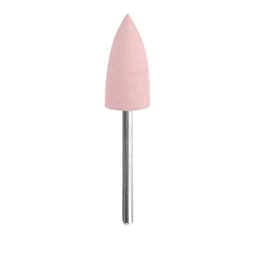
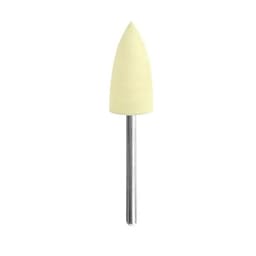
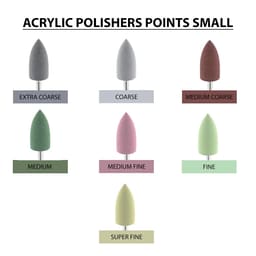
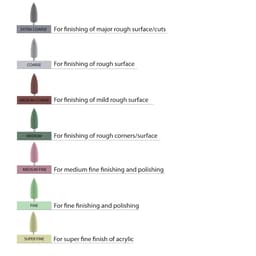
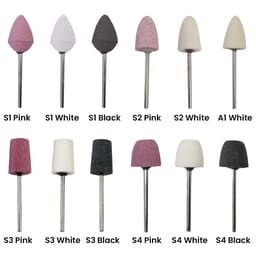
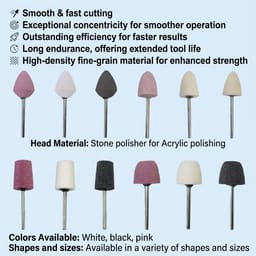
- Polisher points — abrasive points in various shapes (round, bullet, slim) that smooth the acrylic after cutting.
Cutters remove material fast; polishers refine what the cutters leave. Both mount in a lab straight handpiece or a micromotor.
What to look for
Points to weigh when choosing:
- Cross-cut flutes — coarse cross-cut for fast stock removal, finer for controlled shaping without gouging.
- Shank — HP (handpiece) shank to fit a lab straight handpiece or lathe.
- Shape — points, bullets, and cylinders to reach the contour you are adjusting.
- Material — tungsten carbide for durability on tough acrylic, unlike softer diamond burs meant for tooth.
Keep a coarse cutter for bulk and a fine polisher for finish.
Where they fit your workflow
Trimming and polishing is the finishing stage of a denture or appliance:
- Trim — remove flash and reduce the base with a coarse carbide cutter.
- Adjust — refine the fit and contour with a finer cutter or trimmer.
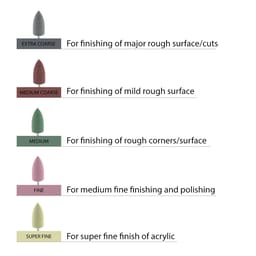
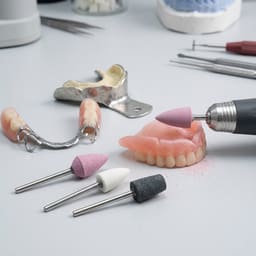
- Polish — smooth the surface with acrylic polisher points on a lathe or handpiece.
The same tools handle chairside denture adjustments, alongside the everyday dental burs in the wider range.
Frequently Asked Questions (FAQs):
What are denture trimming burs used for?
They trim, reduce, and adjust acrylic dentures and appliances, then polish them smooth. Tungsten-carbide cutters remove flash and reshape a denture base or reduce a high spot on the fitting surface; polisher points finish the acrylic afterwards. They are used in the lab when a denture is made and chairside when one needs adjusting to fit comfortably.
Why use carbide burs on acrylic instead of ordinary burs?
Because acrylic behaves differently from tooth. A standard tooth-cutting bur clogs with acrylic and generates heat that melts and smears the resin. Tungsten-carbide burs with cross-cut flutes shear acrylic cleanly and clear the debris, cutting faster and cooler. That is why dedicated acrylic or denture trimming burs are used rather than restorative diamonds.
What is a cross-cut bur?
A cross-cut bur has flutes cut in two crossing directions, breaking the swarf into small chips so it clears instead of clogging. This makes the bur cut faster and stay cooler on soft, gummy materials like acrylic. Coarse cross-cut burs remove bulk quickly; finer cross-cut patterns give more controlled shaping.
Do I need polishers as well as cutters?
For a finished result, yes. Cutters do the heavy trimming and shaping but leave a rough surface. Acrylic polisher points then smooth that surface, which is important both for patient comfort and to reduce plaque retention on a denture. A typical kit pairs coarse carbide cutters with a range of polisher points.
What handpiece do denture trimming burs fit?
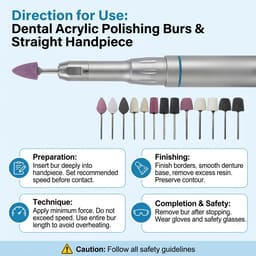
Most are HP (handpiece) shank, made for a laboratory straight handpiece or a bench lathe running at the speeds acrylic work needs. Check the shank type matches your handpiece before buying. Chairside adjustments use the same HP burs in a straight handpiece; keep the speed controlled so the acrylic does not overheat.