

Top Loading Autoclaves
A top-loading autoclave is a vertical, pot-style steam sterilizer with a lid on top and a drum or basket loaded from above. It is the compact, affordable format used in smaller and portable clinic setups, usually a Class N gravity-displacement unit with a timer. It sterilises solid, unwrapped instruments with pressurised steam, and takes little bench space.
 Recommended
 Price- High to LowPrice- Low to High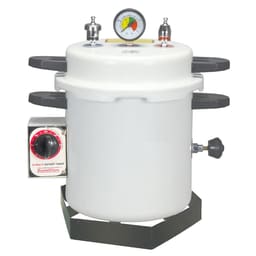
 67
67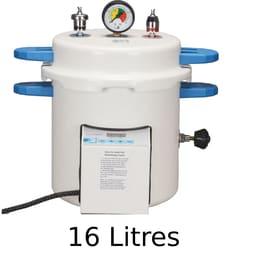
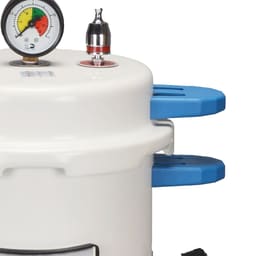
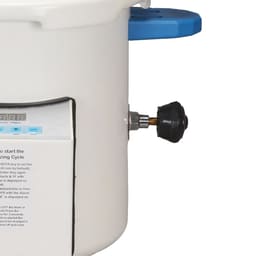 110
110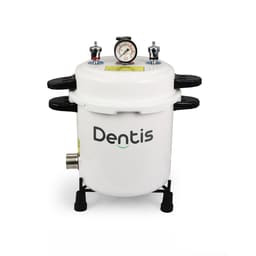
 58
58Top Loading Autoclaves
Not every clinic needs — or has room for — a large front-loading sterilizer. The top-loading autoclave is the answer where budget and bench space are tight: an upright cylindrical chamber with a lid that lifts off the top, instruments dropped in from above in a drum or basket, and a simple timer to run the cycle.
Its appeal is practicality. It costs less than a vacuum-class front loader, occupies a small footprint, and several models are portable enough to move between rooms or take to a camp. For a single-chair practice sterilising basic unwrapped instruments, it does the essential job at a fraction of the price.
How the top-loading design works
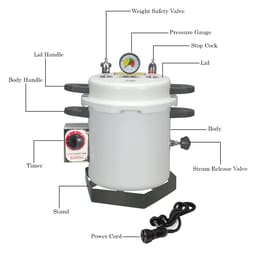
The chamber is vertical, so the instruments sit in a drum lowered through the top opening and the lid clamps down to seal against steam pressure. Water in the base is heated to generate steam, the timer holds the cycle at temperature, and the load is sterilised by that saturated steam.
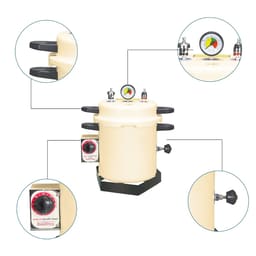
This gravity-displacement approach — steam pushing air down and out rather than a vacuum pulling it — is what defines a Class N cycle, and it is why top-loaders are matched to solid, unwrapped instruments. A GDP semi-automatic top-loading autoclave is a 13-litre timer-controlled unit of this kind.
Timer control and drum loading
Two features characterise these units, and both keep them simple to run.
Timer-based cycles
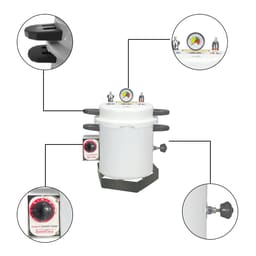
Rather than a programmed touchscreen, a top-loader typically runs on a rotary or electronic timer — set the time, start, and the cycle holds temperature until it ends. A Life Steriware autoclave with rotary timer is a straightforward example of this manual, reliable approach.
Drum and basket loading
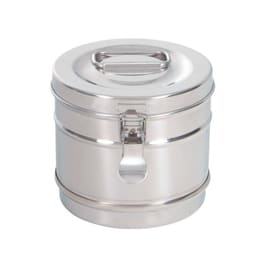
Instruments go into a perforated drum or basket that lowers into the chamber, keeping them arranged and letting steam circulate around them. The drum lifts straight out at the end, which makes unloading quick.
Portable and compact options
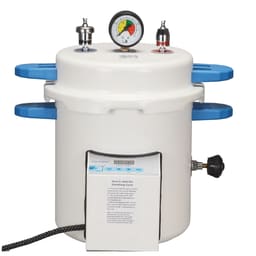
Where the unit needs to move — a mobile setup, a camp, a second room — a portable top-loader is built lighter and smaller for it. A Life Steriware portable steam stericlave is made for that kind of flexible use, sterilising a small load without a fixed installation.
Compactness is the trade-off with capacity: a top-loader holds less per cycle than a large front loader, so it suits lighter throughput rather than a high-volume multi-chair clinic.
Keeping it running
Whatever the size, a top-loader stays reliable on simple, regular maintenance — descaling, checking the lid seal, and replacing worn parts before they cause a failed cycle. The common problems and their fixes are set out in solving common dental autoclave failures.
Choosing a top-loading autoclave
A top-loader is the right choice when the priorities are cost, footprint and simplicity rather than the vacuum capability needed for wrapped or hollow loads. Match the chamber size to the instrument volume you run per session, and confirm the cycle handles your instruments — these units are for solid, unwrapped items, not pouched handpieces.
The pouches, indicators and cleaning agents that complete the sterilisation routine sit in the wider sterilization range.
Frequently Asked Questions (FAQs):
What is a top-loading autoclave?
A top-loading autoclave is a vertical, pot-style steam sterilizer with a lid on top. Instruments are placed in a drum or basket and lowered into the chamber from above, and a timer runs the cycle. It is a compact, affordable format common in smaller clinics, sterilising solid unwrapped instruments with pressurised steam.
What is the difference between a top-loading and a front-loading autoclave?
Design and capability. A top-loader is a vertical chamber loaded from the top, usually a Class N gravity unit for solid unwrapped instruments, valued for low cost and small size. A front-loader is a horizontal chamber with a front door, often Class B with a vacuum for wrapped and hollow loads. Top-loaders suit lighter needs; front-loaders suit demanding sterilisation.
Can a top-loading autoclave sterilise wrapped instruments and handpieces?
Generally no. Most top-loaders are Class N gravity-displacement units, which are intended for solid, unwrapped instruments. Reliable sterilisation of wrapped instruments and hollow handpieces needs a vacuum cycle, found in Class B front-loading units. Check the specific model's cycle capability against what you need to sterilise before buying.
Are top-loading autoclaves portable?
Some are. Compact, lighter top-loading models are built to be moved between rooms or taken to a camp or mobile setup, sterilising a small load without a fixed installation. Larger bench units are less portable. If mobility matters, look for a model described as portable and sized for the load you need to carry.
Why choose a top-loading autoclave?
For cost, compact size and simplicity. A top-loader is significantly cheaper than a vacuum-class front loader, takes minimal bench space, runs on a simple timer, and several are portable. It suits a single-chair or budget-conscious practice sterilising basic unwrapped instruments, where the vacuum capability of a Class B unit is not required.