

Waldent AlChem
Waldent AlChem is Waldent's line of dental chemicals and materials, covering the consumables a general practice gets through daily. It spans endodontic chemicals — EDTA, calcium hydroxide, sealers — impression materials in alginate and silicone, restorative composites, and the etchant and bonding agent that go under them. The range is priced for routine, high-volume use.
 Recommended
 Price- High to LowPrice- Low to High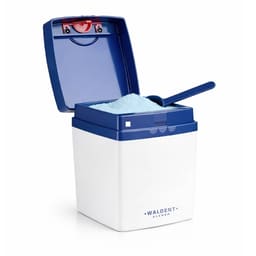
.jpg?w=256)


 75
75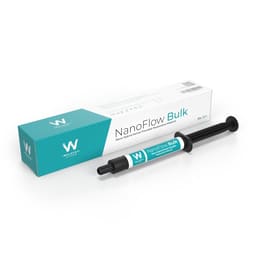
 6
6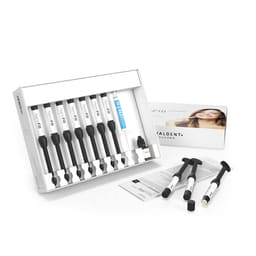
 100
100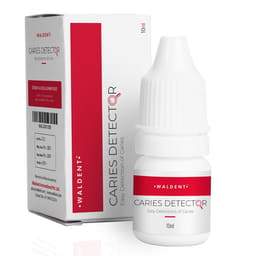
 5
5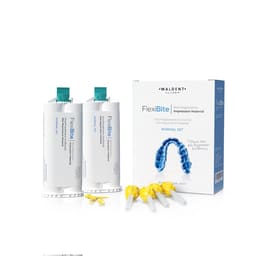
 55
55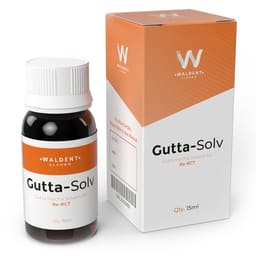





 25
25

Waldent AlChem — Everyday Dental Chemicals and Materials
Waldent AlChem is the working-consumable end of the Waldent range: the bottles, pastes and syringes a clinic reorders every month rather than once a year.
It covers four shelves — endodontics, impressions, restorative, and bonding — which is the simplest way to find what you need.
Endodontic chemicals
Root canal treatment is a chemical procedure as much as a mechanical one, and AlChem covers the reagents each stage needs.
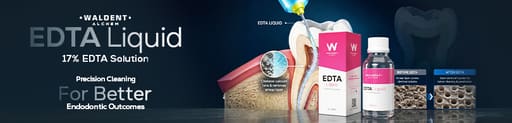
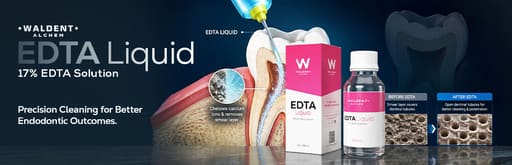
- EDTA chelates the smear layer that files leave behind, opening the dentinal tubules before obturation. The Waldent EDTA liquid is the 100 ml canal-irrigation solution.
- Calcium hydroxide is the intracanal medicament between visits — high pH, antibacterial, and it encourages healing at the apex. The RC-Cal is the ready-to-use calcium hydroxide paste.
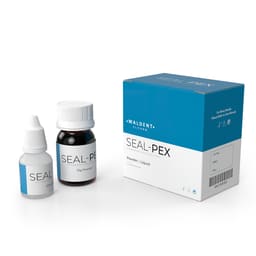
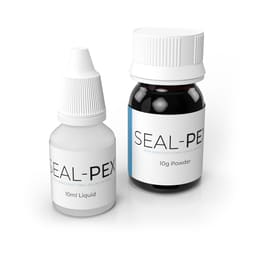
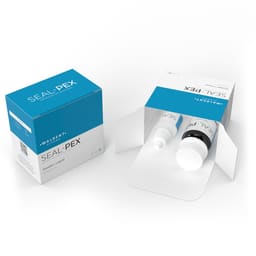
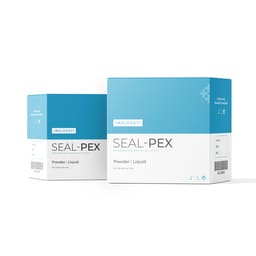
- Sealer fills the space the gutta-percha cannot. The SealPex is a resin-based root canal sealer.
The range also runs to pure eugenol, pulp devitaliser, RCT-Prep and Gutta-Solv, so the whole endo tray reorders from one place. Wider endodontic stock sits in endodontics.
Impression materials
Every impression is a two-part decision: the material, and the stage.
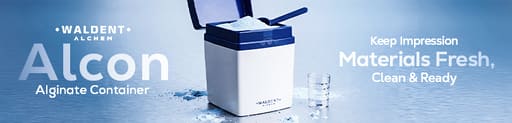
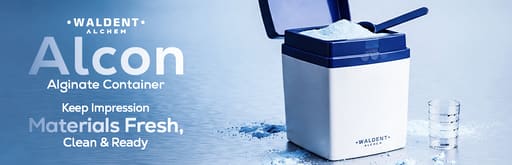
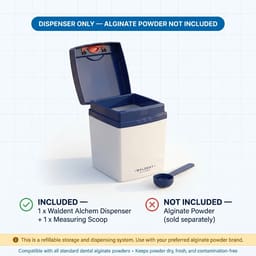
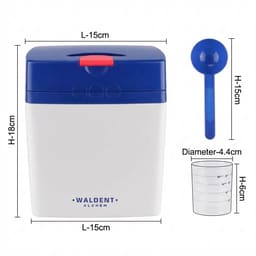
- Alginate — the fast, inexpensive primary impression, mixed fresh each time. AlChem's alginate ships in a resealable container.
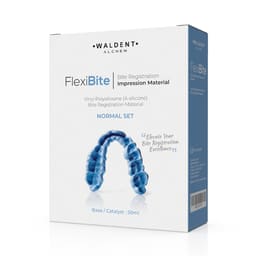
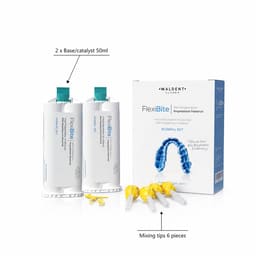
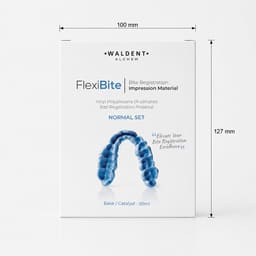
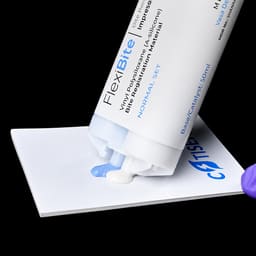
- Silicone (A-silicone) — the accurate secondary impression for crowns and bridges. AlChem covers putty, light-body and soft putty, plus a bite-registration silicone for recording the occlusion.
Restorative composites
The restorative line is built on a nano-zirconium filler, in the three viscosities a direct restoration actually uses:
- Packable — the body of the restoration, sculpted and held where it is placed.
- Flowable — the first increment, wetting the cavity floor and reaching where a packable will not.
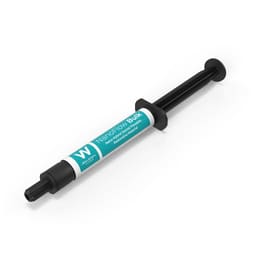
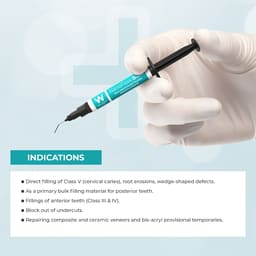
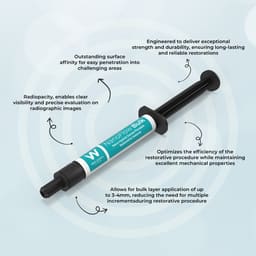
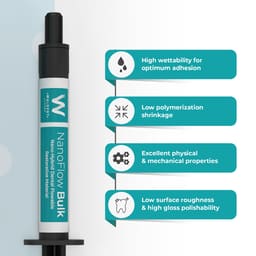
- Bulk-fill — a deeper single increment for posterior cavities, cutting layering time.
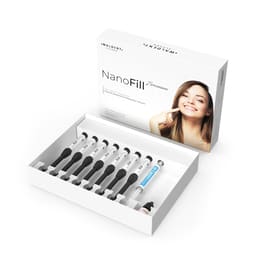
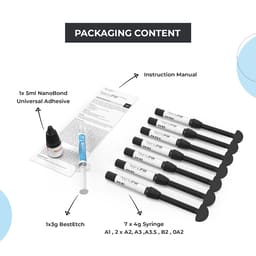
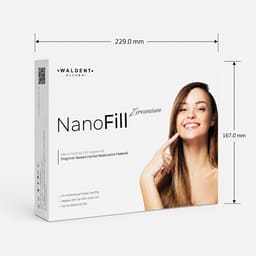
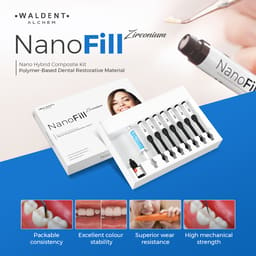
The NanoFill zirconium composite is the packable restorative in the range.
Etch and bond
A composite is only as good as what holds it to the tooth, and that is a two-step chemistry.
- Etchant — phosphoric acid that micro-roughens enamel and dentine so the adhesive can grip.
- Bonding agent — the resin that flows into that etched surface and links it to the composite.
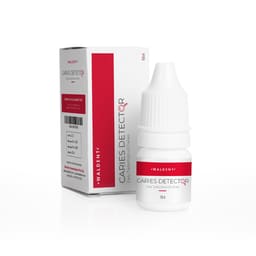
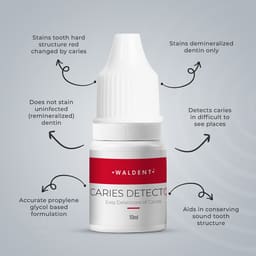
The NanoBond universal adhesive works in total-etch, self-etch and selective-etch modes, and a phosphoric etchant and a porcelain etch complete the set. A caries detector dye is stocked alongside, to show the infected dentine that should come out before you fill.
Why buy Waldent AlChem from Dentalkart
These are date-sensitive consumables — an etchant, a sealer or a composite past its expiry sets and seals differently from the datasheet, and you find out in the mouth.
Every AlChem item here lists its pack size and states its type plainly, and ships with its batch and expiry legible. The rest of the Waldent range sits in Waldent, so a monthly restock goes on one order.
Frequently Asked Questions (FAQs):
What is Waldent AlChem?
Waldent AlChem is Waldent's line of dental chemicals and materials for everyday clinical use. It covers endodontic chemicals such as EDTA, calcium hydroxide and root canal sealer; alginate and silicone impression materials; nano-zirconium restorative composites; and the etchant and bonding agent used beneath them, plus accessories like caries-detector dye and temporary cement.
What is Waldent SealPex used for?
SealPex is a resin-based root canal sealer. After the canal is cleaned and shaped, the sealer fills the microscopic space between the gutta-percha and the canal wall that the cone alone cannot, creating a barrier against bacterial re-entry. Resin-based sealers bond well to dentine and set to a durable, low-solubility seal.
Why is EDTA used in root canal treatment?
Instrumentation leaves a smear layer of debris on the canal wall that blocks the dentinal tubules. EDTA is a chelating agent that dissolves the inorganic part of that layer, opening the tubules so irrigants and sealer can penetrate. It is typically used as a final rinse before drying and obturating the canal.
What is the difference between Waldent's flowable, packable and bulk-fill composite?
They differ in viscosity and role. Flowable is thin, used as the first increment to wet the cavity floor and reach undercuts. Packable is firm, used to build and sculpt the body of the restoration. Bulk-fill is placed in a single deeper increment to save layering time in posterior cavities. Many restorations use more than one.
Does Waldent AlChem cover both alginate and silicone impressions?
Yes. AlChem stocks alginate for fast primary impressions, and A-silicone in putty, light-body and soft-putty forms for accurate secondary impressions in crown and bridge work, along with a silicone bite-registration material. Alginate is mixed fresh and used once; silicone gives the fine detail and dimensional stability a fixed restoration needs.