
Airotor
4.5
Airotor handpieces are air-turbine dental drills that spin a bur at up to 400,000 rpm to cut enamel and prepare cavities under a water spray. On Dentalkart, choose LED and non-LED, push-button and chuck-type, standard and mini-head airotors from NSK, Waldent, and W&H. Most run on a 2-hole or 4-hole coupling with ceramic bearings and take a standard friction-grip bur.
Sort by - Recommended
 Recommended
 Price- High to LowPrice- Low to High
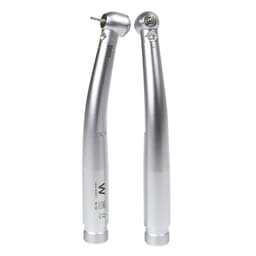
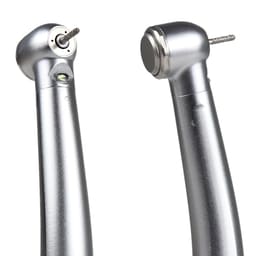
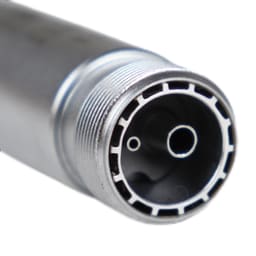

★ 5.0
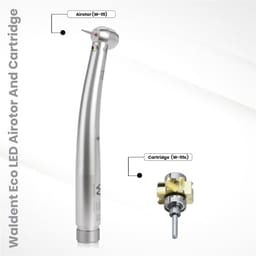
(2)Precision, comfort, and efficiency for dental procedures
Starting at₹ 1215
View Similar Products
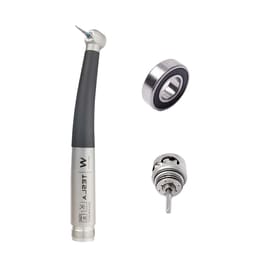
★ 5.0
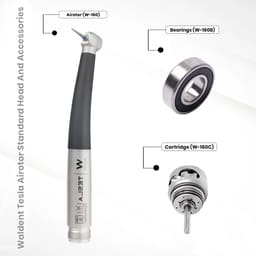
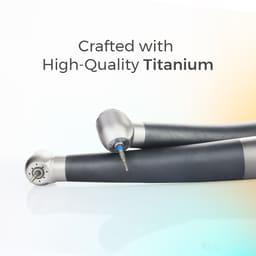
(2)High-quality Titanium Airotor with Push Button Chuck, Non-LED, 2 Hole Connection for efficient dental procedures
Starting at₹ 885
View Similar Products

★ 5.0
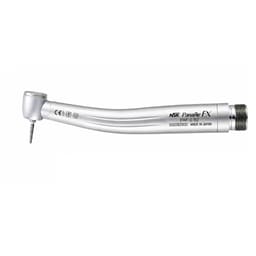
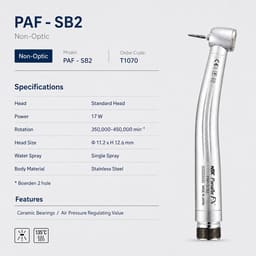
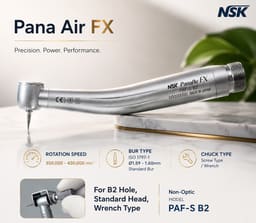
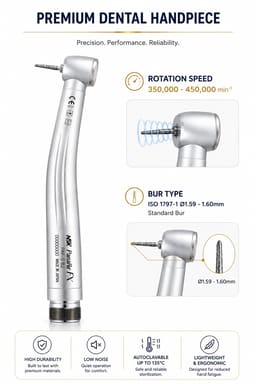
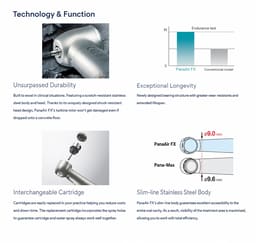
(1)Non Led, Wrench type, Standard Head, B2 Hole Airotor Handpiece
₹ 9695₹ 11434
15.21% Off
 97
97View Similar Products
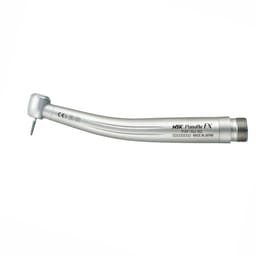
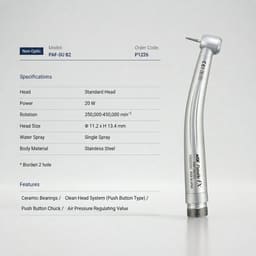
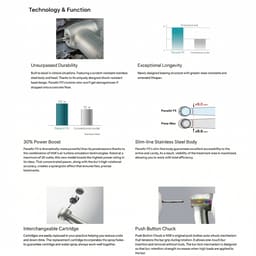
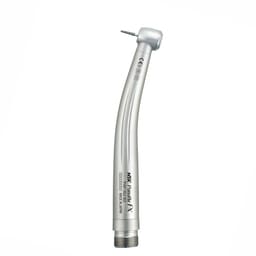
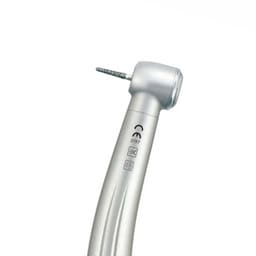
Standard head push button airotor handpiece
₹ 10495₹ 12712
17.44% Off
105View Similar Products
★ 5.0
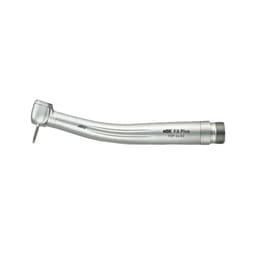
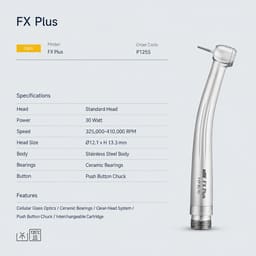
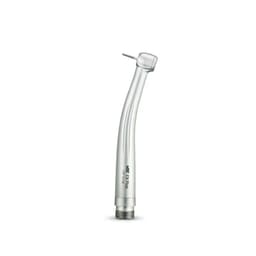
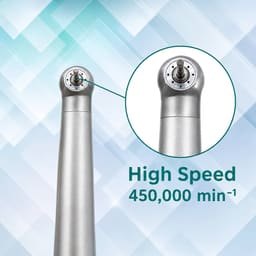
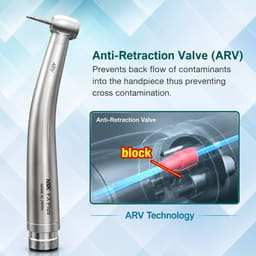
(2)High-speed Airotor handpiece with anti-retraction valve and high 30 watt power
₹ 11995₹ 20000
40.02% Off
120View Similar Products
Only 4 Left
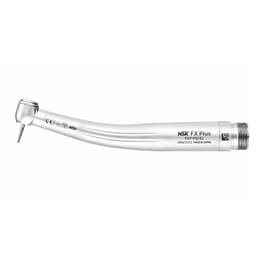
Air turbine with anti-suck back mechanism and high 30 watt power
₹ 11995₹ 20000
40.02% Off
120View Similar Products
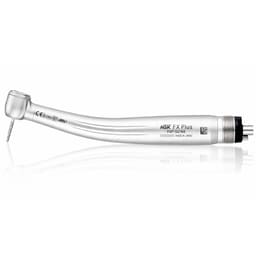
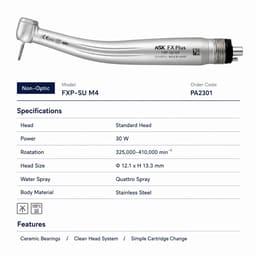
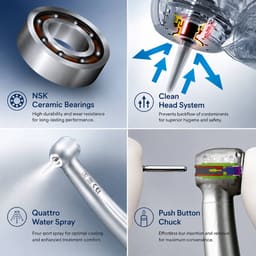
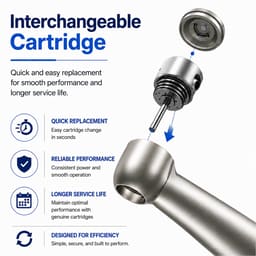
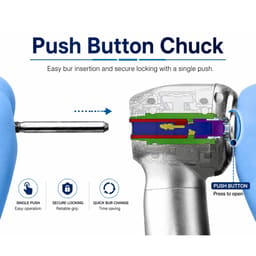
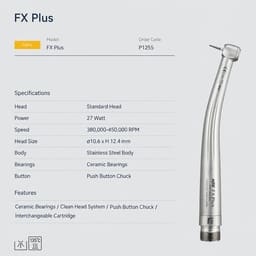
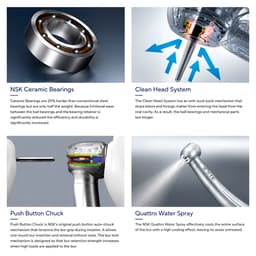
Non-optic standard head pneumatic airotor with ceramic bearings clean head system and quattro water spray
₹ 12000₹ 24990
51.98% Off
240View Similar Products
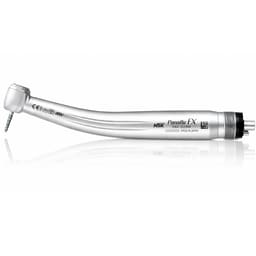
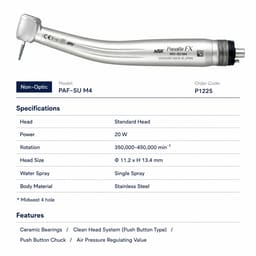
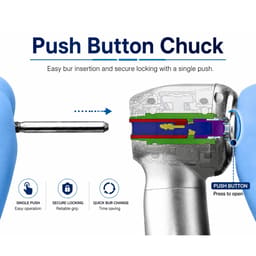
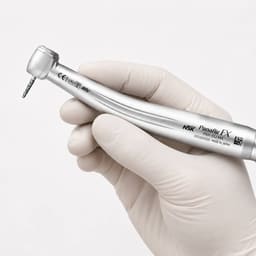
Non-optic standard head pneumatic airotor with ceramic bearings clean head system push button chuck
₹ 12745₹ 24990
49.00% Off
255View Similar Products
Filters
Sort By
RecommendedAirotor Handpieces — LED, Push-Button & Mini-Head Air-Turbine Drills
An airotor handpiece is the high-speed air turbine a dentist reaches for to cut — the lightweight drill that spins a friction-grip bur on a cushion of compressed air, fast enough to slice through enamel with almost no pressure. It is the high-speed half of the operatory's dental handpieces, working alongside a slower micromotor or contra-angle for finishing. A built-in water spray cools the bur and the tooth, while LED or fibre-optic models light the field right at the point of cut.
Types of airotor handpieces
Standard versus mini head
A standard head suits routine adult work, while a mini or paedo head trims the profile down for tight posterior access and children's teeth — the smaller head buys reach at a slight cost in power.
Push-button versus chuck head
Push-button heads release the bur with a thumb press, the fastest change between burs; older chuck or wrench-type heads grip a touch more firmly and cost less, which still suits a busy budget setup.
LED, fibre-optic, or non-LED
LED and fibre-optic heads carry their own light to the cutting site, which tells on crown margins and deep posterior cavities; non-LED heads stay simpler and cheaper for routine preparation.
Standard versus super-torque
A super-torque head holds its speed under load for sectioning crowns and cutting away old metal, jobs where a standard head would stall and overheat.
Coupling and disposables
Heads join the chair by a 2-hole (Borden) or 4-hole (Midwest) coupling or a swivel quick-coupler, and single-use disposable airotors cover infection-sensitive or outreach settings.
What an airotor is used for
An airotor does the cutting that needs speed over torque — anywhere a bur has to remove tooth structure or old material quickly and cleanly, with a slower micromotor taking over for finishing and polishing. The day-to-day jobs:
- Opening and preparing cavities for fillings
- Reducing and shaping teeth for crowns and bridges
- Sectioning crowns and cutting away old restorations
- Trimming and adjusting set restorations chairside
- Removing decay at speed before slower finishing
- Access and surgical work where a fine, fast bur helps
Choosing an airotor handpiece
Pick on the head, the light, and the coupling that fit your chair, and plan for the upkeep that decides a turbine's lifespan — the routine is laid out in Essential Airotor & Handpiece Care — A Practical Longevity Guide.
- Head size — standard for general work, mini or paedo for tight access and children.
- Bur change — push-button for speed, chuck or wrench-type for a firmer, cheaper grip.
- Light — LED or fibre-optic for crown and posterior work, non-LED for routine prep.
- Torque — a super-torque head for crown cutting and old-metal removal.
- Coupling — match a 2-hole, 4-hole, or swivel quick-coupler to your existing tubing.
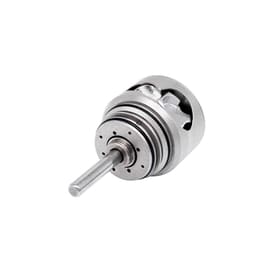
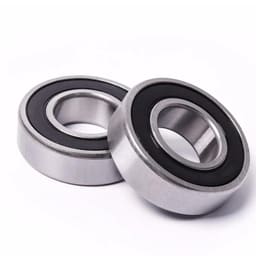
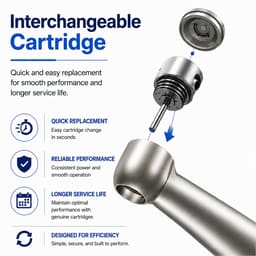
- Bearings and spares — ceramic bearings run longer; confirm the turbine cartridge is replaceable.
Airotor brands on Dentalkart
NSK and W&H sit at the premium end, their turbines built for quiet running and a long bearing life across heavy daily lists.
Waldent, Apple, API, and Denext cover the value-to-mid range with LED and push-button heads, so a clinic can equip a chair with a dependable airotor without a premium outlay.
Why buy an airotor from Dentalkart
An airotor lives or dies by its turbine, so a genuine cartridge and clean spares matter more than the sticker price. Each handpiece here is authentic and backed by its maker's warranty, with replacement turbine cartridges, push-button caps, and couplers kept on hand for when bearings wear. Pair it with the right burs and a steady maintenance routine, and a good head runs smoothly for years instead of failing mid-procedure.
Frequently Asked Questions (FAQs):
What does an airotor handpiece do?
It is the dentist's high-speed drill — an air turbine that spins a friction-grip bur at up to 400,000 rpm to cut enamel and dentine under light pressure. A water spray cools the contact point, and the sheer speed makes it the tool for cavity preparation, crown reduction, and cutting away old work.
Airotor or micromotor — what's the split?
Speed versus control. The airotor runs fast and light on compressed air for cutting and reduction, while an electric micromotor turns slower with real torque for finishing, polishing, and lab work. Most operatories keep both on the chair and switch between them through a single procedure.
What does a 2-hole or 4-hole coupling mean for an airotor?
It is how the handpiece connects to the chair's air line. A 2-hole Borden coupling carries drive air and exhaust; a 4-hole Midwest coupling adds water and a light channel, which an LED or fibre-optic head needs. Match the airotor's coupling to your tubing, or fit a swivel adapter.
How do I make an airotor last?
Lubricate and purge it after every patient, then autoclave — skipping the oil is what kills the bearings first. Never immerse it in cold sterilant, run it without a bur, or let it fall. Once a head turns noisy or loses cutting power, replace the turbine cartridge before it seizes.
Are the airotors on Dentalkart genuine?
Authenticity is the whole point with a turbine: a genuine airotor has bearings and a cartridge built to spec, where a grey-market copy fails fast. Every unit here comes through the brand's authorised Indian channel with manufacturer warranty, a 10-day window covers arrival faults, and replacement cartridges and couplers are stocked for the long run.