

Autoclaves
A dental autoclave is a steam steriliser that holds instruments under saturated steam at 121 °C or 134 °C long enough to destroy bacterial spores. EN 13060 sorts them into three classes by the loads they can handle: Class N for bare solid instruments, Class S for defined loads, and Class B for wrapped pouches and hollow handpieces.
 Recommended
 Price- High to LowPrice- Low to High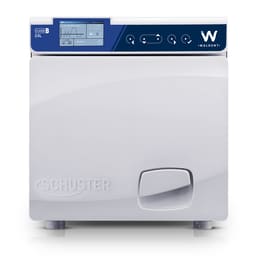
 6.5k
6.5k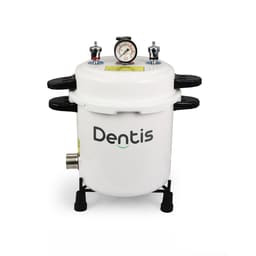

Only 1 Left
58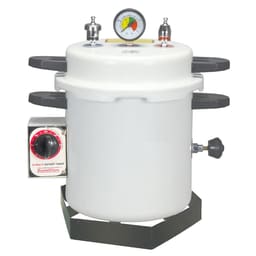
 67
67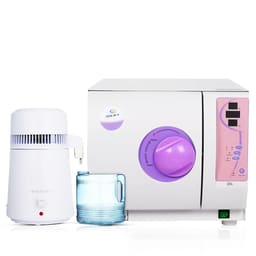
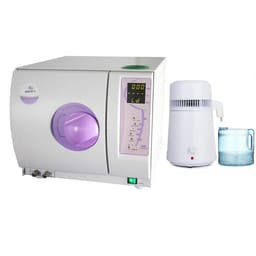
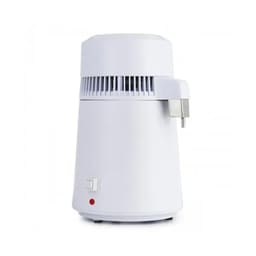
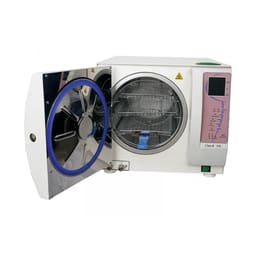
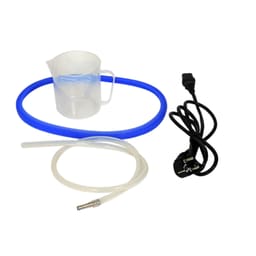


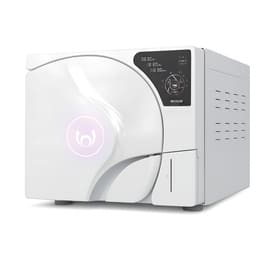
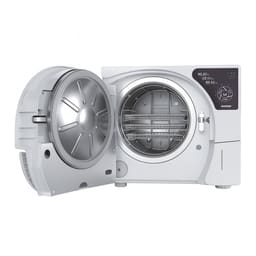
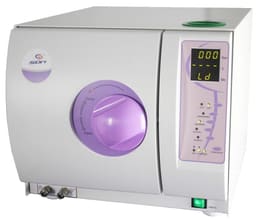
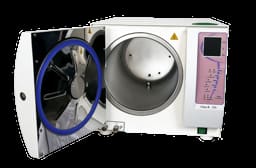
Dental Autoclaves
An autoclave is the last step in reprocessing, and the only one that makes an instrument safe to use on the next patient. Cleaning removes debris; steam under pressure destroys what remains, including spores that survive disinfectants.
Two cycles do that work. A longer hold at 121 °C and 1.1 bar, or a faster one at 134 °C and 2.1 bar. What decides which machine you need is not temperature but what the chamber can handle — and that is what EN 13060 classifies.
Autoclave classes
Class B — the full-capability cycle
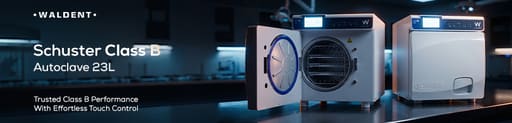
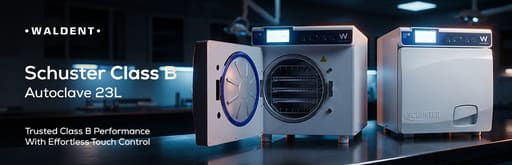
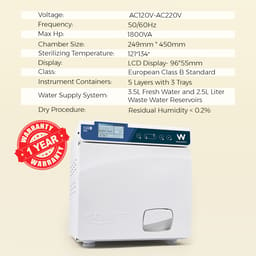
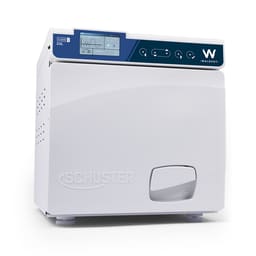
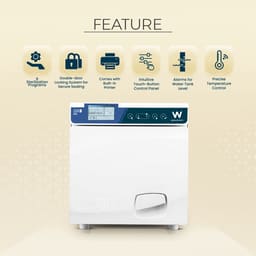
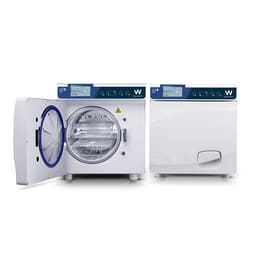
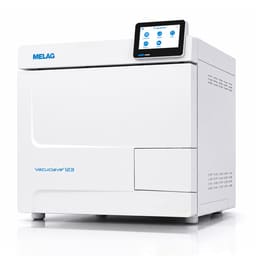
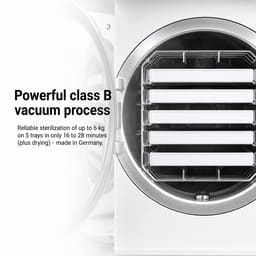
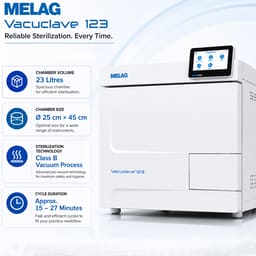
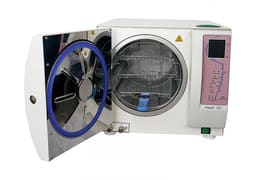
A fractionated pre-vacuum draws air out of the chamber before steam enters, so steam reaches inside a hollow handpiece and through the paper of a sealed pouch. It is the only class rated for every dental load type. The GDP Enclave B-Class Autoclave is a front-loading unit with vacuum, sterilisation and drying stages.
Class N — solid instruments only
A gravity-displacement cycle with no vacuum phase. Steam displaces air downward, which works for bare forceps and probes but cannot reliably penetrate a lumen or a pouch. The GDP Front Loading N-Class Autoclave covers that role at 18 litres.
Top-loading units
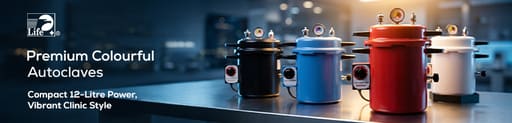
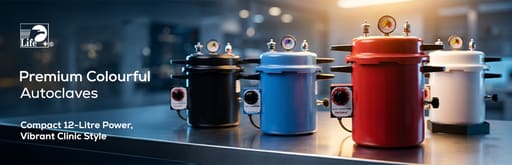
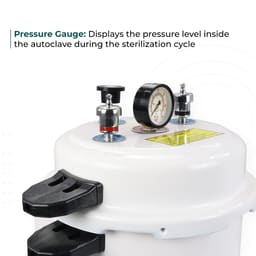
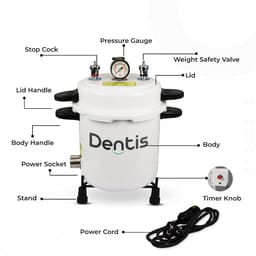
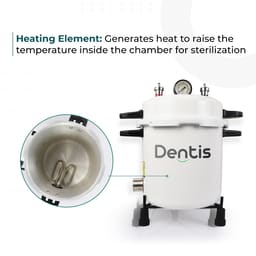
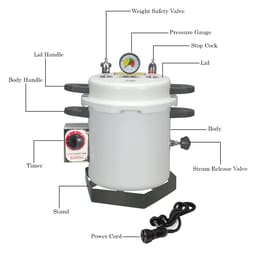
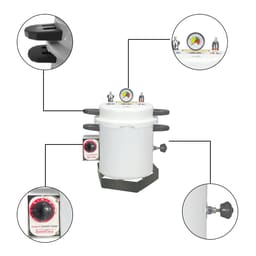
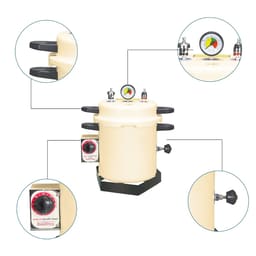
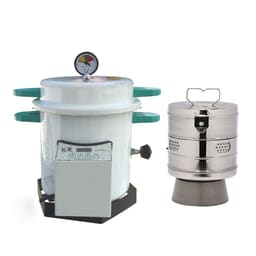
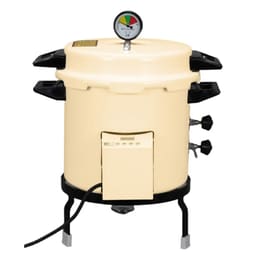
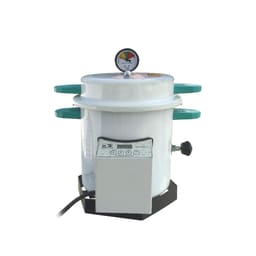
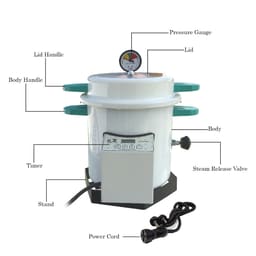
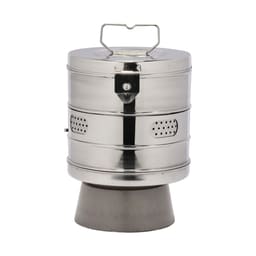
Aluminium-bodied, manually timed, with a pressure gauge and release valve. They run the same gravity cycle as a Class N and suit clinics sterilising unwrapped instruments at low cost. The Life Steriware mirror-finish portable autoclaves are this type.
Compact rapid-cycle Class B
Small chambers, from around 5 litres, running a full pre-vacuum cycle in minutes rather than half an hour. These sit chairside for fast turnaround during long surgical sessions rather than replacing a main steriliser.
Where an autoclave fits in reprocessing
Sterilisation comes last, never first. An instrument goes through cleaning and inspection before it ever reaches the chamber, because steam cannot penetrate blood or debris left on a surface.
- Extraction forceps, elevators and surgical kits after each case
- High-speed handpieces, contra-angles and turbines
- Scaling tips, prophy cups and endodontic files
- Pouched implant kits prepared ahead of a surgical list
- Cassette cycles chairside during long procedures
- Terminal processing of all reusable instruments at end of day
Choosing a machine
- Class before anything else. If you sterilise handpieces or pouched loads, Class B is the only rating that covers it. A Class N alone is not sufficient for a clinic doing surgery.
- Chamber size against chair count. Single-chair practices manage on 8 to 18 litres; multi-chair clinics, colleges and implant centres need 22 litres and up, because batch volume sets daily throughput.
- Cycle time against room turnover. A full Class B cycle takes roughly 30 to 50 minutes. Compact cassette units finish far faster, which matters when a chair is waiting.
- Traceability. Printed or exportable cycle records make infection-control audits straightforward, and increasingly they are expected rather than optional.
- Consumable parts and servicing. Door gaskets and water filters are replaced every 12 to 24 months and pressure valves every few years. Confirm parts availability before buying, not after.
- Water quality. Hard water scales a chamber and shortens its life. Distilled water is not optional on these machines.
Most faults are traced back to seals, water quality or loading rather than the chamber itself — the common ones are worked through in solving common dental autoclave failures.
Brands stocked
Autoclaves here come from Life Steriware, GDP, Fomos, Woson, Enbio, Melag, Phos, Sun, Dentis, Runyes, Bestodent and Waldent — spanning Indian-manufactured top-loading units through to imported European Class B machines used in implant practice.
Buying an autoclave
A steriliser is the one machine in a clinic that cannot be worked around when it fails, and a chamber or door seal that goes mid-list stops the day.
Each unit is supplied genuine with the manufacturer's warranty and installation documentation, with the specific terms stated on the listing. The rest of the reprocessing chain — pouches, sealers, distillers and ultrasonic cleaners — sits in sterilization, and the wider clinic fit-out in dental equipment.
Frequently Asked Questions (FAQs):
What temperature and pressure does a dental autoclave run at?
Two combinations are standard. A longer cycle holds instruments at 121 °C and roughly 1.1 bar for around 15 to 20 minutes. A shorter one runs at 134 °C and roughly 2.1 bar for three to four minutes. Both destroy bacterial spores; the higher-temperature cycle is usually preferred because it clears the chamber faster.
What is the difference between Class B and Class N autoclaves?
Air removal. A Class N uses gravity displacement, which cannot reliably clear air from a hollow lumen or the inside of a sealed pouch, so it is limited to bare solid instruments. A Class B pulls a fractionated vacuum before steam enters, letting steam reach into handpieces and through pouch material. Surgical practice needs Class B.
Which autoclave size suits a single-chair clinic?
A chamber between 8 and 18 litres generally covers a single-chair workload, provided the class matches what is being sterilised. Larger 22-litre and above chambers are aimed at multi-chair clinics, dental colleges and implant centres where batch size, rather than cycle temperature, is what limits daily throughput.
How long does a dental autoclave last?
With daily use and annual servicing, a well-built machine will run for many years, but the wear parts go long before the chamber does. Door gaskets and water filters are typically changed every 12 to 24 months and pressure valves every few years. Running distilled water rather than tap water makes the largest difference to chamber life.
Can a Class N autoclave sterilise handpieces?
No. A handpiece is a hollow instrument, and gravity displacement leaves air trapped inside the lumen where steam then cannot reach. Sterilising handpieces requires a pre-vacuum cycle, which means Class B. A clinic running only a Class N cannot process handpieces or wrapped surgical kits properly.