
Dr. Bhavishya Arora
Chief Dental Editor
Choosing Your Dental Scaling Unit
A Guide for Modern Practice
With periodontal disease being a prevalent concern, the efficiency of your scaling protocol is paramount. This guide helps you choose the right technology to improve clinical outcomes, patient comfort, and overall practice productivity.
Table of Contents
Piezoelectric vs. Magnetostrictive
- Piezoelectric tips move in a linear, back-and-forth motion.
- Magnetostrictive tips operate in a broader, elliptical pattern.
- Piezo units generate less heat at the handpiece during operation.
- Magnetostrictive technology offers activation on all tip surfaces.
- Linear motion is often considered more comfortable for sensitive patients.
- Elliptical motion provides a wider active area for calculus removal.
| Feature | Piezoelectric | Magnetostrictive |
|---|---|---|
| Tip Motion | Linear (back and forth) | Elliptical (all sides active) |
| Frequency Range | 25,000 - 50,000 Hz | 20,000 - 42,000 Hz |
| Heat Generation | Low (at handpiece) value | Moderate |
| Patient Comfort | Generally Higher best | Good |
| Tip Wear Visibility | Easier to detect visually | More challenging to assess |
Key Evaluation Criteria
- Evaluate the available range of power settings for different procedures.
- Check for an independent water reservoir for medicament use.
- Assess the weight and balance of the handpiece for ergonomics.
- Look for autoclavable handpieces and sheaths for easy sterilisation.
- Consider the cost and availability of replacement parts and tips.
Pre-Purchase Checklist
Does the unit offer a sufficient power range for both light and heavy deposits?
Does it connect to the chair line or have a self-contained reservoir for medicaments?
Are the handpiece, sleeves, and tip wrenches fully autoclavable for infection control?
What is the manufacturer's warranty period and what are the service options in India?
Beyond Routine Scaling
- Perform subgingival debridement and root planing with perio tips.
- Activate irrigants within the canal for enhanced endodontic disinfection.
- Remove separated instruments and calcifications from root canals.
- Efficiently remove old posts and crowns during restorative work.
- Condense amalgam with specialized tips for better marginal adaptation.
- Gently remove residual orthodontic cement without damaging enamel.
Maintenance in Indian Conditions
- Use a voltage stabiliser to protect sensitive electronic components.
- Flush water lines for 30 seconds at the start of each day.
- Regularly check and clean the water filter to prevent blockages.
- Inspect O-rings on the handpiece and water line for wear and tear.
- Use distilled or RO water to minimise mineral buildup internally.
- Follow manufacturer guidelines for sterilising handpieces and tips.
Step 1: Daily Flush
At the start of the day, run water through the unit for at least 30-60 seconds to clear any biofilm.
Step 2: Filter Check
Once a week, check the in-line water filter for debris and clean it gently under running water.
Step 3: Handpiece Care
After each patient, wipe the handpiece and cable with a recommended disinfectant and sterilise as per guidelines.
Managing Hard Water
To combat mineral scaling from hard water, run a descaling solution through the unit's water lines once every 4-6 weeks. This simple step prevents clogs and maintains optimal water flow.
Frequently Asked Questions
A scaler tip should be replaced after approximately 1-2 mm of wear. This typically occurs after 9 to 12 months of regular use. Using a wear guide is the most accurate method. A worn tip loses significant efficiency, requiring more power and time, which can increase patient discomfort and cause operator fatigue. Continuing to use a worn tip can reduce its cleaning effectiveness by up to 50%.
For patients with sensitivity, it is best to start at the lowest effective power setting, often in the 20-40% range of the device's capacity. Using a thin, perio-style tip with ample water irrigation also helps minimise sensitivity. The key is to use just enough power to fracture the calculus without causing undue vibration or thermal stress on the tooth structure, ensuring a more comfortable experience.
It is strongly recommended to only use tips manufactured or certified for your specific device model. While some third-party tips may appear to fit, slight variations in threading, metal alloy, or length can cause inefficient operation, damage to the handpiece transducer, or even tip breakage. Using non-approved tips can void your device's warranty, so always verify compatibility, looking for ISO standard compliance.
Effective aerosol management is crucial. The primary method is using high-volume evacuation (HVE) held within 1-2 cm of the operating site, which can reduce airborne particles by over 90%. Additionally, using a pre-procedural rinse with an antimicrobial mouthwash for 30 seconds can lower the microbial load in the aerosols generated. Ensuring proper room ventilation and wearing appropriate PPE are also essential.
Written by
Dr. Bhavishya Arora
BDS, MDSChief Dental Editor
A contributing clinician at Dentalkart Blogs, Dr. Bhavishya is a compassionate, detail-driven dentist known for thoughtful patient care, clear communication, and a calm chair-side manner that puts patients at ease. Beyond the clinic, she leads product content and category initiatives at Dentalkart India's largest dental marketplace where she bridges clinical understanding with commercial insight to help dentists make better-informed product choices.
Keep reading
Browse all →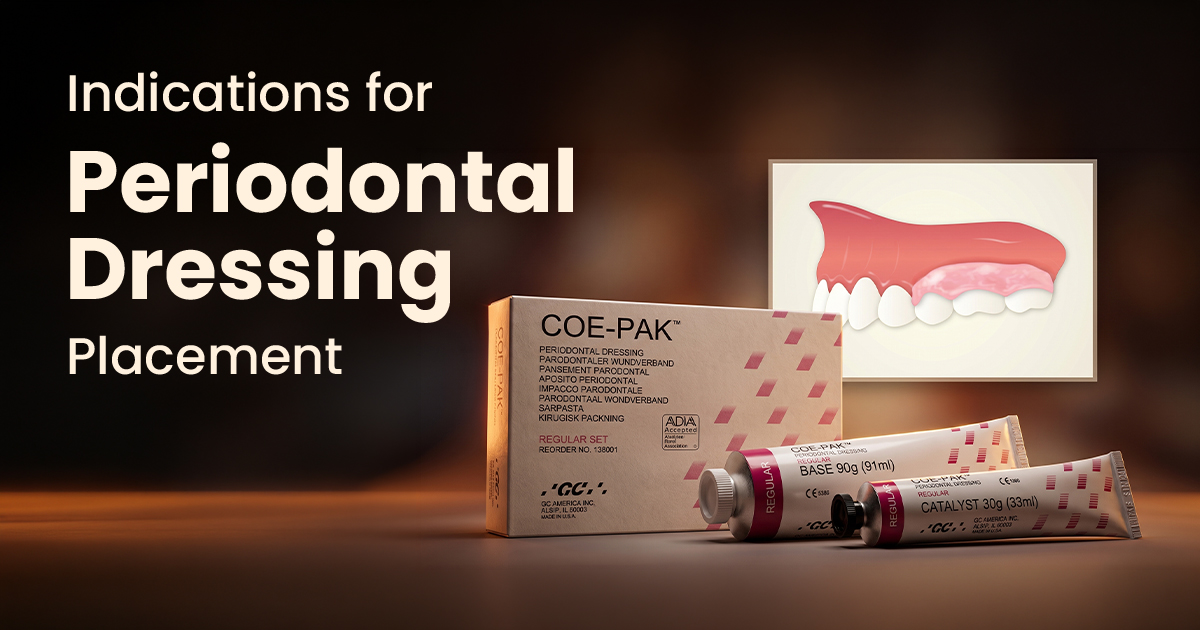
Indications for Periodontal Dressing Placement
Indications for Periodontal Dressing PlacementA Clinical Case Selection Guide A periodontal dressing material is a protective pack placed over a surgical site t

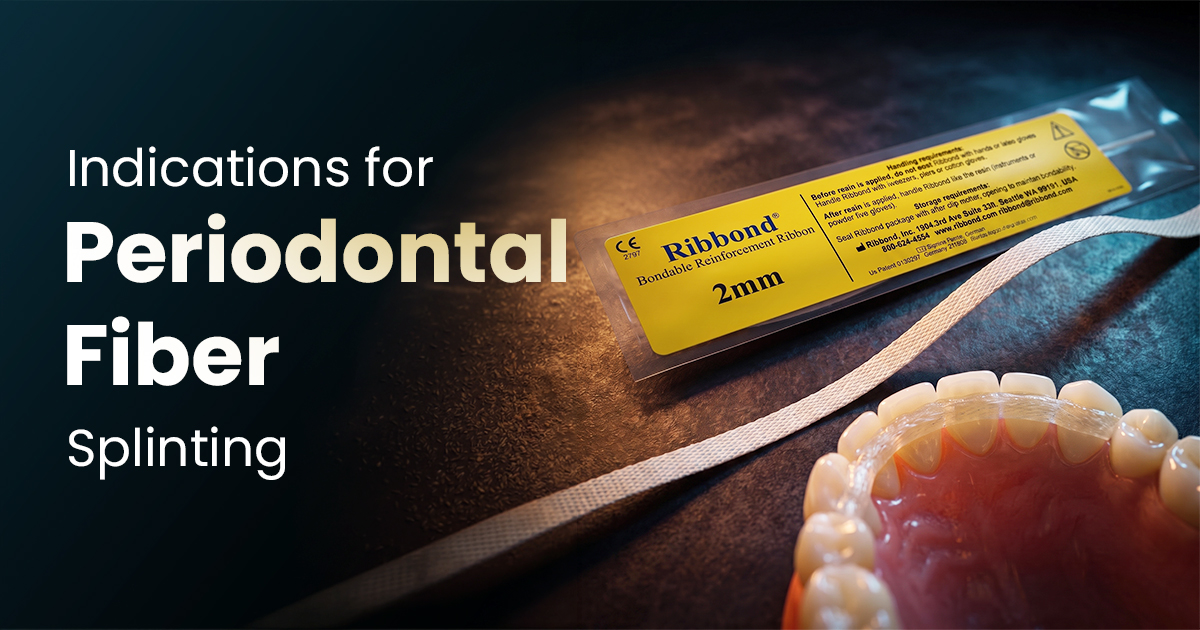
Indications for Periodontal Fiber Splinting
Indications for Periodontal Fiber SplintingA Clinical Case Selection Guide Periodontal splinting is indicated for stabilizing teeth with increasing mobility (Mi
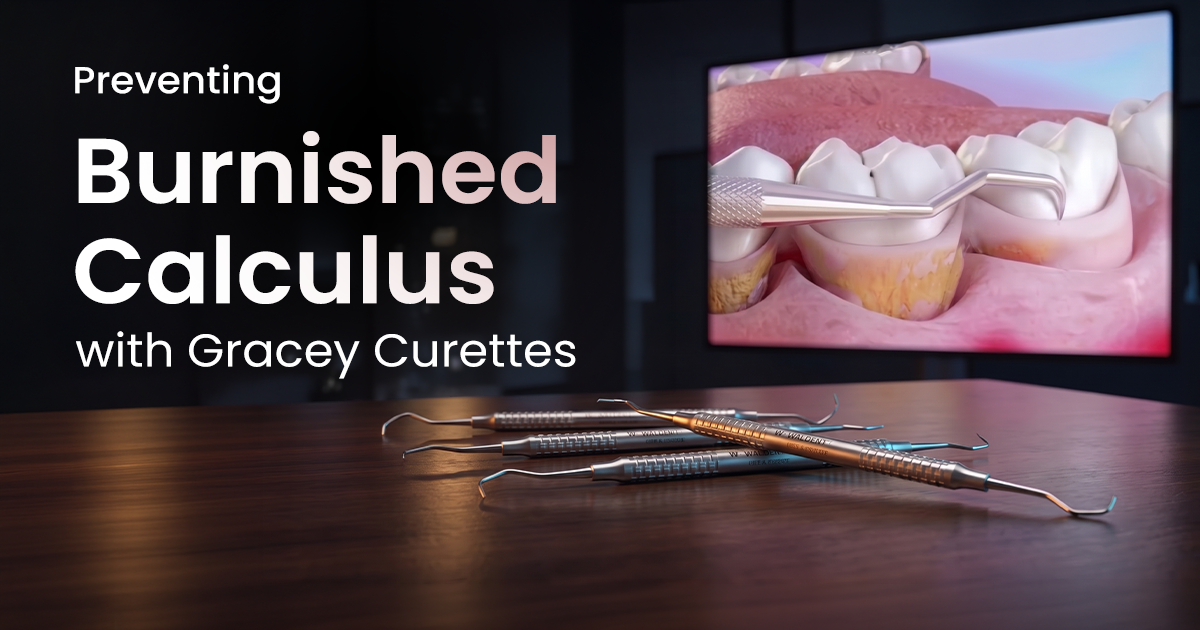
Preventing Burnished Calculus with Gracey Curettes
Preventing Burnished Calculus with Gracey CurettesA Subgingival Scaling Protocol Burnished calculus is a residual deposit smoothed by an incorrectly used curett