
Dr.Yukti
Dental Content Contributor
Direct vs Indirect Bracket Placement
Choosing Your Best Method
Achieving precise bracket placement is fundamental to successful orthodontic outcomes. In a busy practice, the choice of technique significantly impacts clinical workflow and patient results. This guide compares two primary methods.
Table of Contents
Direct Technique Principles & Workflow
- Isolate the teeth to maintain a completely dry working field.
- Etch the enamel surface for 15 to 30 seconds.
- Apply a thin, uniform layer of primer and adhesive.
- Place each bracket individually using positioning gauges for accuracy.
- Remove excess adhesive flash from around the bracket base.
- Light cure each bracket for the manufacturer's recommended time.
Indirect Technique Step-by-Step
- Take a high-quality PVS impression of the patient's arches.
- Pour a stone model and prepare it for bracket placement.
- Precisely position all brackets on the model using ideal measurements.
- Fabricate a clear, custom transfer tray over the placed brackets.
- In the clinic, prepare teeth and apply adhesive to brackets.
- Seat the loaded tray firmly and cure all brackets simultaneously.
Phase 1: Impression & Model Creation
A precise impression is taken and a high-quality dental stone model is poured and trimmed.
Phase 2: Laboratory Bracket Placement
Brackets are meticulously placed on the stone model according to the treatment plan specifications.
Phase 3: Transfer Tray Fabrication
A custom tray is created over the brackets, which will be used to transfer them to the mouth.
Phase 4: Clinical Transfer
The tray is seated in the patient's mouth over prepared teeth and the adhesive is cured.
Clinical Comparison: Accuracy & Time
- Indirect methods generally provide superior placement accuracy and consistency.
- Direct methods require more chair time for the initial placement appointment.
- The indirect technique significantly reduces operator fatigue during placement.
- Lab fees for indirect setups represent an additional upfront case cost.
- Fewer repositioning needs with the indirect method can save time later.
- Direct placement offers immediate control and adjustment at the chairside.
| Factor | Direct Method | Indirect Method |
|---|---|---|
| Placement Accuracy | Operator dependent | Very high & repeatable premium |
| Initial Chair Time | 60-90 minutes | 30-45 minutes best |
| Upfront Cost | Lower (no lab fee) | Higher (includes lab fee) |
| Operator Fatigue | High | Low |
| Learning Curve | High for precision | Moderate for tray seating |
Choosing The Right Method
- Evaluate your average daily patient load and scheduling needs.
- Consider the skill level and training of your clinical assistants.
- Assess your access to a reliable and skilled orthodontic laboratory.
- Analyze the cost-benefit ratio based on your practice's fee structure.
- Start with specific case types to build confidence with a new method.
- Solicit feedback from both your team and patients on the process.
Frequently Asked Questions
The indirect method is widely regarded as more accurate. By positioning brackets on a laboratory model without the clinical pressures of moisture, patient movement, and limited visibility, placement can be optimized to within 0.5 mm of the ideal location. This precision often reduces the need for compensatory wire bends and bracket repositioning appointments later in treatment, potentially shortening overall treatment time.
The indirect method can significantly reduce the initial placement appointment time. A typical direct placement appointment for a full set of brackets can take 60 to 90 minutes. With a pre-fabricated indirect tray, the same procedure can often be completed in just 30 to 45 minutes. This represents a time saving of approximately 50%, allowing for more efficient patient scheduling.
The primary drawback of the indirect technique is the additional cost and reliance on an external laboratory. The lab fee for fabricating the models and transfer trays adds to the overall cost of the case, which can range from 15% to 25% higher for this step. Furthermore, it introduces an extra step and requires seamless communication and coordination with the lab technician for optimal results.
Most modern brackets, including metal, ceramic, and self-ligating systems, are compatible with indirect techniques.
Written by
Dr.Yukti
Dental Content Contributor
Dr. Yukti Jain is a BDS-qualified dental professional and Product Specialist at Dentalkart with expertise in dental materials, equipment, and clinical innovations. Passionate about evidence-based dentistry, she creates insightful, research-driven content that simplifies complex topics and empowers dental professionals to make informed clinical and purchasing decisions.
Keep reading
Browse all →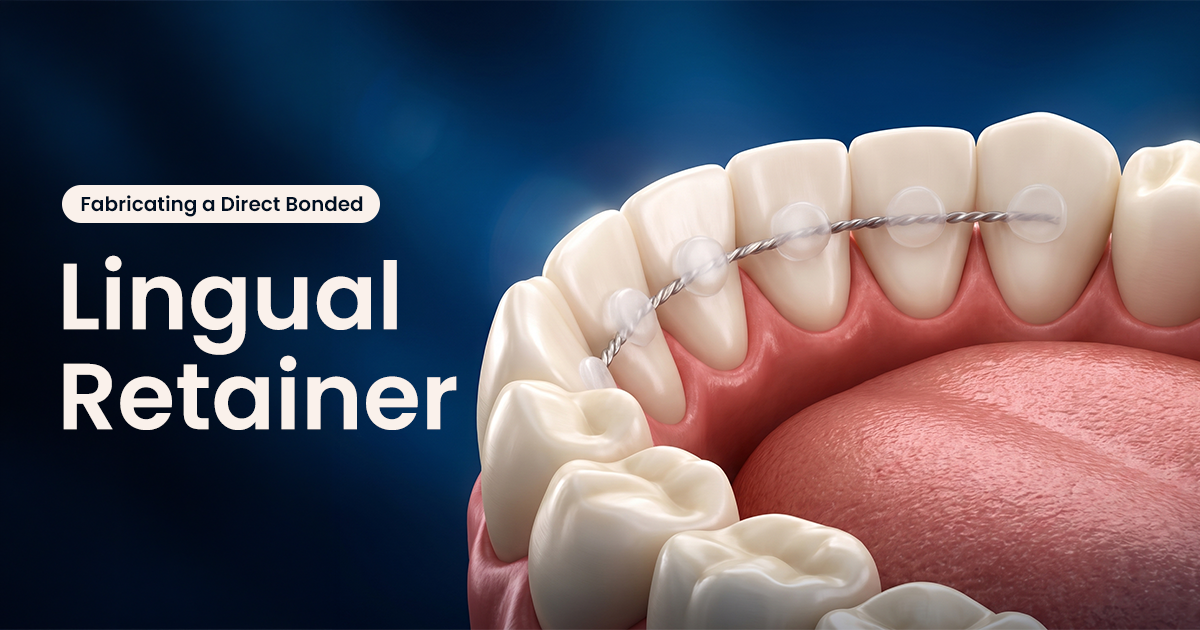
Fabricating a Direct Bonded Lingual Retainer
Fabricating a Direct Bonded Lingual RetainerA Chairside Clinical Protocol A fixed lingual retainer is a passive, multi-stranded wire bonded to anterior teeth's

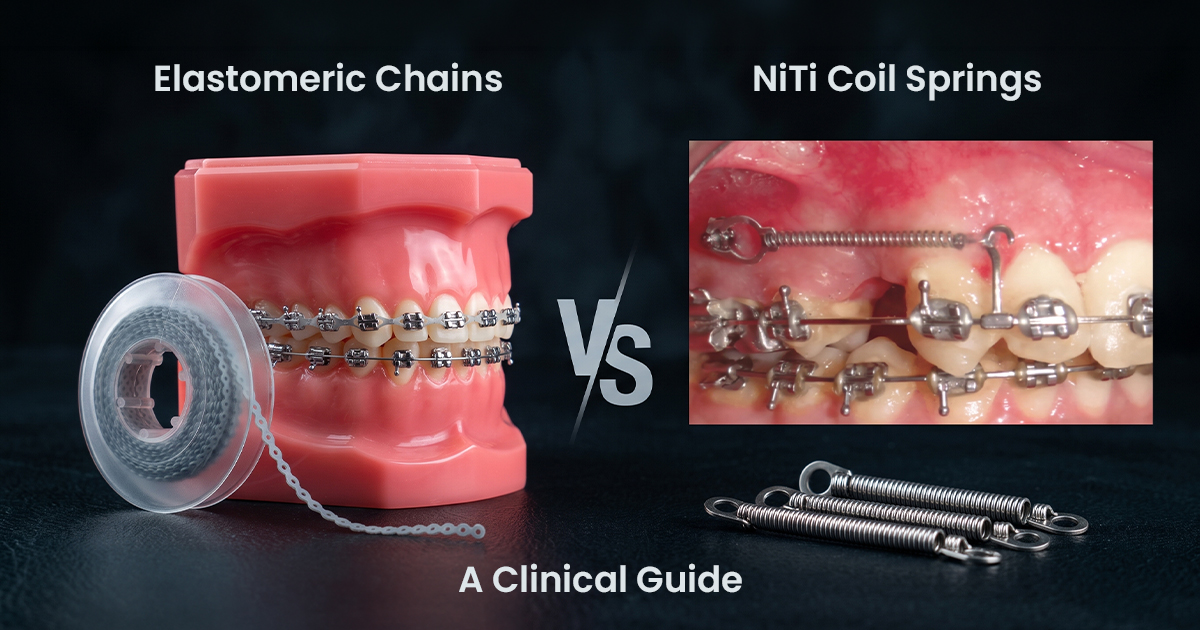
Elastomeric Chains vs. NiTi Coil Springs: A Clinical Guide
Elastomeric Chains vs. NiTi Coil Springs: A Clinical GuideSpace Closure Selection An elastomeric power chain delivers a high initial force that decays rapidly,

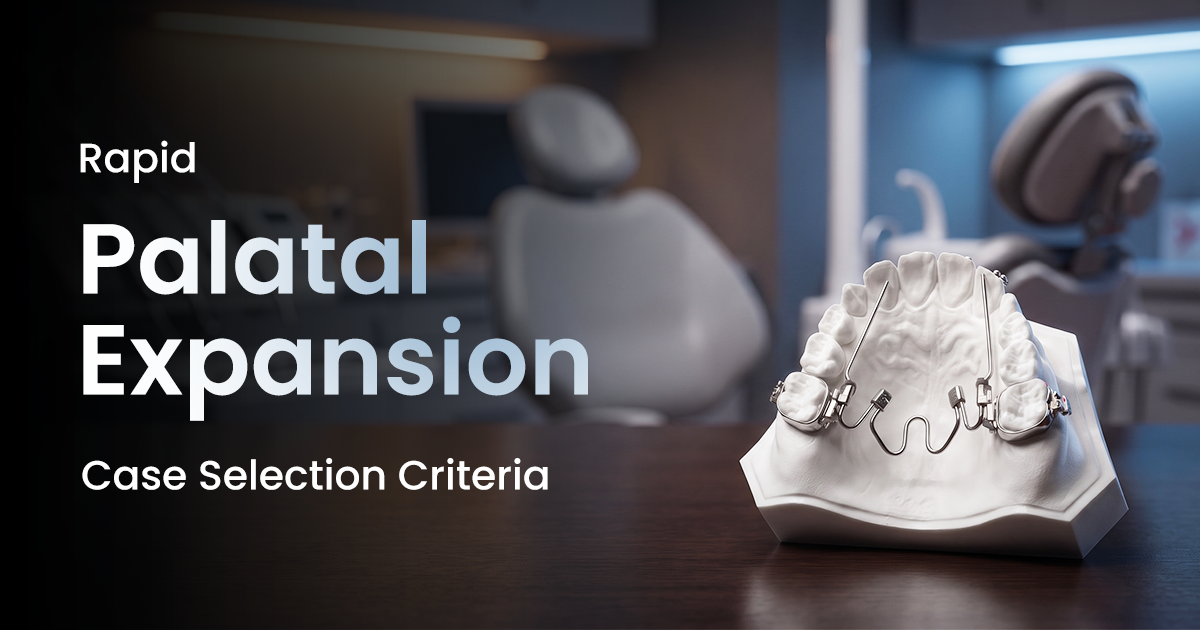
Rapid Palatal Expansion Case Selection Criteria
Rapid Palatal Expansion Case Selection CriteriaAn Orthodontic Clinical Guide A rapid palatal expander (RPE) is indicated for skeletal maxillary transverse defic