





Bony tunnel Gauge
5.0
A bony tunnel gauge is a thin, graduated depth gauge used in implant surgery. After the bone is drilled, the surgeon lowers the marked probe into the prepared tunnel to read its depth. This confirms the osteotomy is deep enough for the planned implant length, so the fixture seats correctly. It is a simple but important measuring instrument.
Sort by - Recommended
 Recommended
 Price- High to LowPrice- Low to High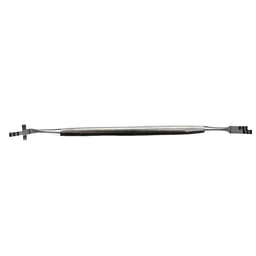
Only 3 Left
★ 5.0
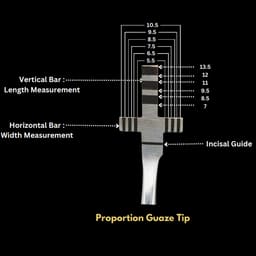
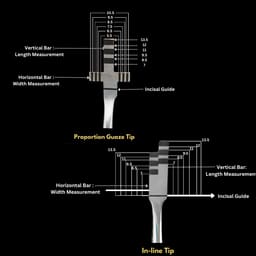
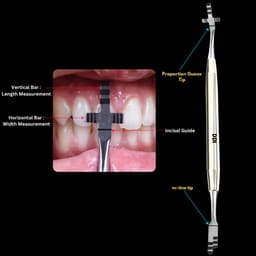
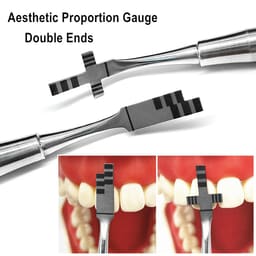
(1)Enables quick, precise anterior tooth measurements for aesthetic and crown lengthening procedures
₹ 1795₹ 1999
10.21% Off
 39
39View Similar Products
Filters
Sort By
RecommendedBony Tunnel Gauge
Placing an implant starts with a drilled channel in the bone, called the osteotomy or bone tunnel. That channel has to be the right depth. Too shallow and the implant will not seat; too deep and it risks nearby structures. A bony tunnel gauge is the instrument that checks it. The surgeon lowers the marked probe into the channel and reads the depth off its scale.
The tool itself is simple. It is a thin, rounded rod with depth markings along its length. It slides into the tunnel without cutting or catching, and the markings show how far it has gone. That reading tells the surgeon whether to drill deeper or move on to placing the implant. These instruments sit within the wider implantology range.
Why depth measurement matters
Implant length is chosen from a plan, and the drilled channel must match it.
If the tunnel is shorter than the implant, the fixture sits proud or will not fully seat. If it is deeper than planned, the drill may have gone too close to a nerve, the sinus floor or the next tooth. A depth gauge removes the guesswork. It gives a direct reading at each stage of drilling, so the channel is prepared to the exact planned depth. A GDC depth measuring gauge (1.2mm) is the graduated probe stocked here for this check.
How it is used
A depth gauge is used between drilling steps, not just at the end.
Reading the tunnel
After a drill pass, the gauge is lowered gently to the base of the channel. The marking level with the bone crest gives the current reading. The surgeon compares it to the planned implant length and decides whether more drilling is needed.
Staying oriented
The gauge also shows the angle and direction of the tunnel. Sighting along it confirms the channel is heading the right way before the implant is placed. This matters most in tight sites, such as those prepared during a sinus lift or a narrow ridge.
Gauge versus caliper
A depth gauge and a caliper are easy to confuse, but they measure different things.
A caliper measures across a structure — ridge width, or the gap between teeth. A depth gauge measures down into a channel. One reads outer dimensions; the other reads how deep a hole is. Most implant trays carry both, along with the other measuring and cutting tools in the surgical instruments range.
Choosing a bony tunnel gauge
Look for clear, well-spaced depth markings that are easy to read at a glance. A rounded, non-cutting tip is important so the probe does not damage the channel wall or the bone at its base.
Surgical stainless steel is the standard, because it keeps its markings, resists corrosion and survives repeated autoclave cycles. A single accurate depth gauge covers this step for most routine implant cases.
Frequently Asked Questions (FAQs):
What is a bony tunnel gauge used for?
It measures the depth of the drilled bone channel, or osteotomy, during implant surgery. The surgeon lowers the marked probe into the tunnel and reads its depth off the scale. This confirms the channel matches the planned implant length, so the fixture seats correctly and does not go too deep toward a nerve or the sinus.
How does a depth gauge work?
It is a thin rod with graduated markings along its length. After drilling, it is lowered gently to the base of the channel. The marking that sits level with the bone crest shows how deep the tunnel is. The surgeon compares that number to the planned implant length and decides whether to drill deeper or place the implant.
How is a bony tunnel gauge different from a caliper?
They measure different things. A caliper measures across a structure, such as ridge width or the gap between teeth. A depth gauge measures down into a drilled channel to read how deep it is. One gives outer dimensions; the other gives depth. An implant tray usually carries both for different steps.
Why is measuring osteotomy depth important?
Because the channel must match the implant length. If it is too shallow, the implant will not fully seat. If it is too deep, the drill may have passed too close to a nerve, the sinus floor or an adjacent root. A depth gauge gives a direct reading, removing guesswork and helping keep the preparation safe and accurate.
What material should a depth gauge be made of?
Surgical stainless steel. It holds its depth markings clearly, resists corrosion, and withstands repeated autoclave sterilisation. A rounded, non-cutting tip is also important so the probe reads the channel without scoring the bone. A well-finished stainless gauge stays accurate and legible across many cases.