





Cephalometric Template
5.0
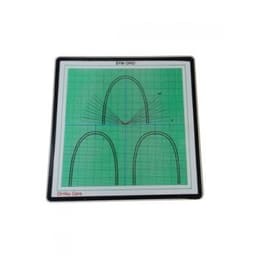
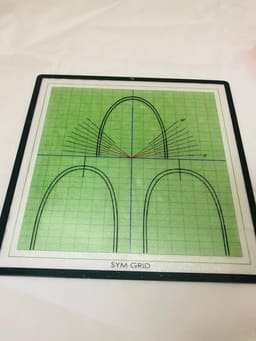
A cephalometric template is a transparent measuring grid used in orthodontics to analyse tooth position and arch dimensions. Laid over a study model or radiograph, its printed scale measures discrepancies and guides diagnosis. OrthoCare supplies a Sym Grid for tooth-to-arch-length analysis and an IOPA X-ray grid for reading intraoral radiographs.
Sort by - Recommended
 Recommended
 Price- High to LowPrice- Low to High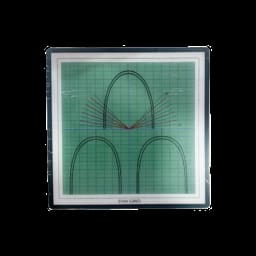

★ 5.0
(1)25.00% Off
 4
4View Similar Products
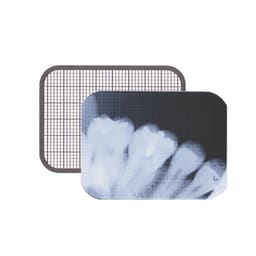

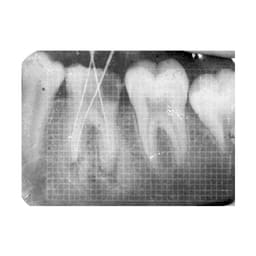

Accurate dental X-ray grid for precise root canal measurements and implant planning autoclavable and sterilizable
₹ 2995₹ 4369
31.45% Off
30View Similar Products
Filters
Sort By
RecommendedCephalometric Template
A cephalometric template is a clear plastic grid marked with a measuring scale, used to analyse an orthodontic case. It is laid over a model or a radiograph so the clinician can read distances and proportions directly against the printed lines. This turns a visual assessment into a measured one for planning treatment.
What the grid is for
The template answers a planning question: how much space is there, and where does a tooth sit? Its scale supports the routine measurements of a case:
- Arch-length analysis — the Sym Grid measures tooth-to-arch-length discrepancy, the difference between the space available and the space the teeth need.
- Radiograph reading — the IOPA grid overlays an intraoral film to gauge lengths and angulations.
- Consistent measuring — a printed scale removes the guesswork of a loose ruler.
It is one of the diagnostic aids an orthodontics practice uses before appliances go on.
Reading a case with a template
Using the grid is quick once the model or film is ready:
- Line it up — place the transparent grid over the study model or radiograph.
- Read against the scale — measure the tooth widths, arch length, or film dimension directly.
- Record the discrepancy — note the difference between available and required space.
Because the reading is taken over a study model, the same grid works case after case.
The two grids stocked
Stock here covers two measuring aids for different inputs:
- OrthoCare Sym Grid (1/pk) — a symmetry and arch-length grid for measuring tooth-to-arch-length discrepancies on a model.
- Dental IOPA X-ray grid — an overlay for intraoral periapical films, read on a x-ray viewer to gauge tooth length and position.
One measures the model, the other measures the radiograph.
Choosing between them
Pick by what you are measuring:
- For model analysis — the Sym Grid, for arch-length and symmetry.
- For radiograph analysis — the IOPA grid, for lengths on a film.
- For a full diagnostic set — keep both, since a case is planned from models and X-rays together.
Frequently Asked Questions (FAQs):
What is a cephalometric template used for?
A cephalometric template is used in orthodontics to measure and analyse tooth position, arch length, and proportions. It is a transparent grid laid over a study model or radiograph, so distances and angles are read directly against a printed scale. It turns a visual check into a measured assessment for treatment planning.
What does the Sym Grid measure?
A Sym Grid measures tooth-to-arch-length discrepancy, the gap between the space available in the arch and the space the teeth need. You place the grid over the study model and read the tooth widths and arch length against its scale. Comparing the two figures shows whether a case has crowding or spacing.
What is the IOPA X-ray grid for?
The IOPA X-ray grid is an overlay for intraoral periapical radiographs. Placed over the film on a viewer, its printed scale lets you gauge tooth length, root position, and spacing directly from the image. It gives a measured reading of a radiograph rather than an eyeballed estimate.
Do I need both grids?
That comes down to your diagnostic workflow. If you mainly analyse plaster study models, the Sym Grid alone may be enough. If you also read intraoral films, the IOPA grid adds radiograph measurement. Most orthodontic diagnosis draws on both models and X-rays, so many clinics keep the two together.
Are cephalometric templates reusable?
Yes, these measuring grids are transparent, durable overlays meant to be used across many cases. They are simply laid over a fresh model or film each time and wiped clean. Because there is no consumable element, one grid serves for a long run of diagnoses.