




Dental Trolley
4.6
A dental trolley is a wheeled stand that holds instruments, materials, or equipment beside the dental chair. It rolls to where the dentist works, keeps everything within reach during treatment, and moves away afterwards. Stock ranges from stainless steel shelved carts to mobile pillar stands and scanner trolleys with a CPU mount, most with lockable castors.
Sort by - Recommended
 Recommended
 Price- High to LowPrice- Low to High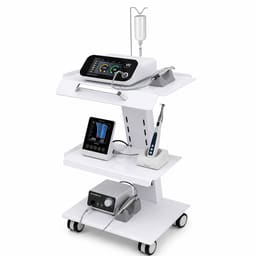
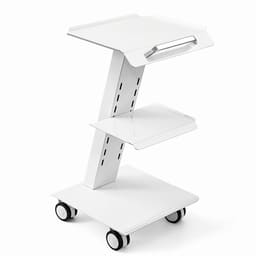
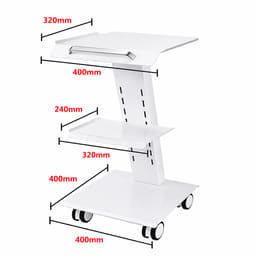
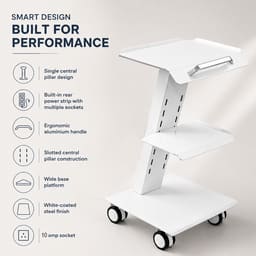
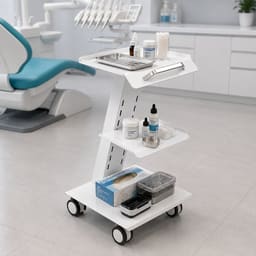
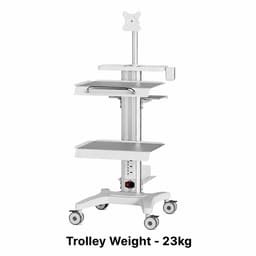
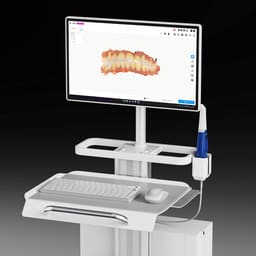
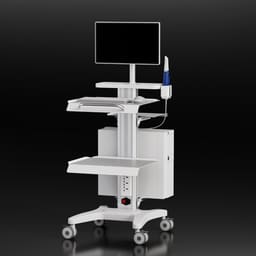
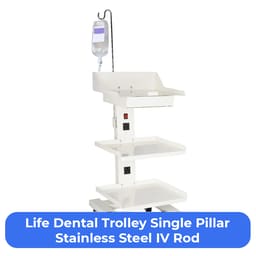
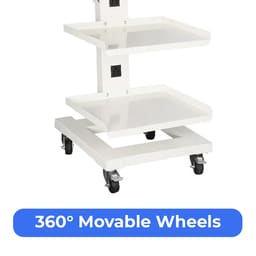
Sleek single-pillar mobile dental trolley with 3 shelves and power strip for chairside efficiency
₹ 7990₹ 16000
50.06% Off
 360
360View Similar Products

★ 5.0
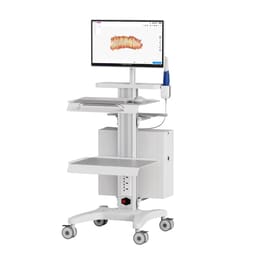
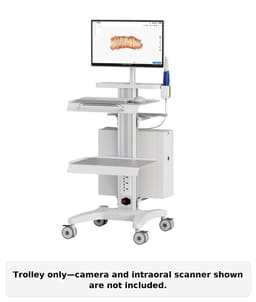
(1)AI-driven intraoral scanner for fast, precise, and comfortable dental impressions
₹ 22050₹ 45120
51.13% Off
1.1kView Similar Products
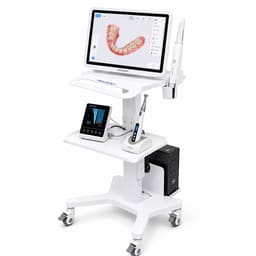
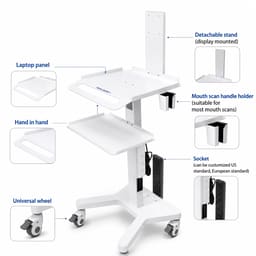
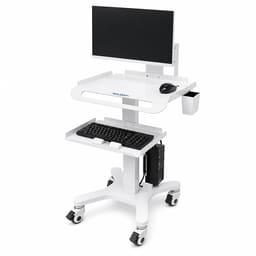
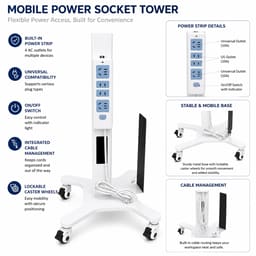
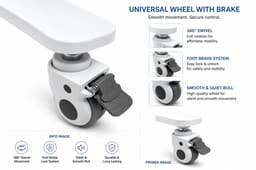
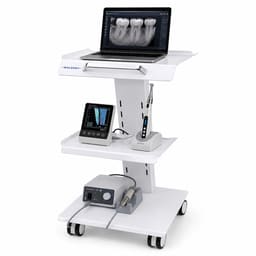
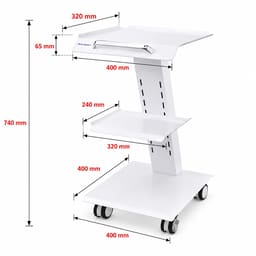
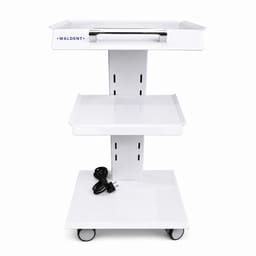
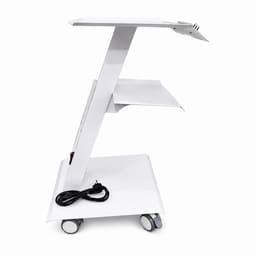
Mobile dental trolley holding intraoral scanners, laptop, and display with socket and universal wheels
₹ 12995₹ 19000
31.61% Off
580View Similar Products
★ 4.0
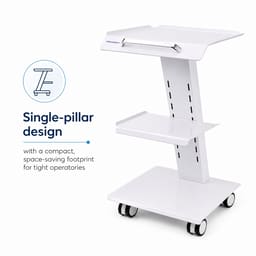
(1)Compact single-pillar mobile trolley that brings instruments, devices, and power directly to your working chairside
₹ 8895₹ 18000
50.58% Off
400View Similar Products
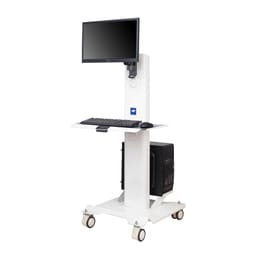
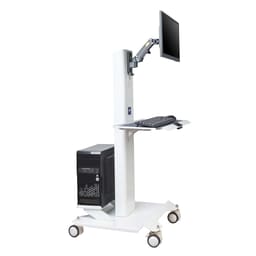
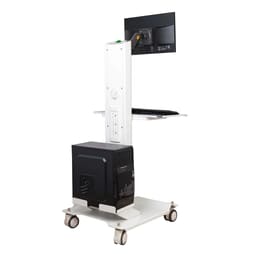
Mobile, durable trolley with sleek design, maximizing efficiency and storage for intraoral scanners
₹ 39995
800View Similar Products
★ 4.0
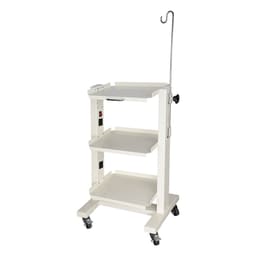
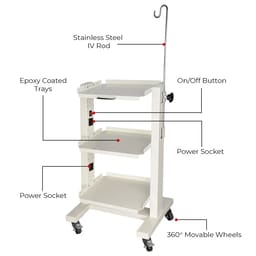
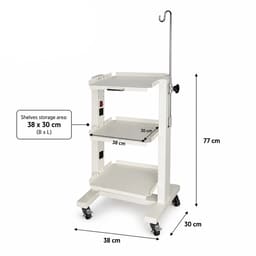
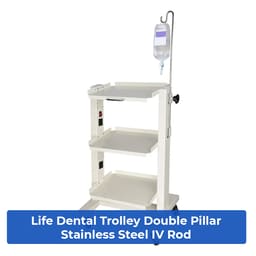
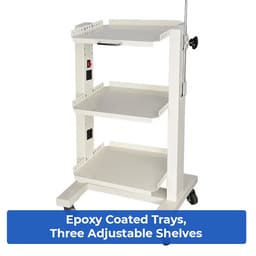
(4)Dental trolley with adjustable shelves and power sockets
₹ 9290₹ 15000
38.07% Off
95View Similar Products
Only 4 Left
★ 5.0
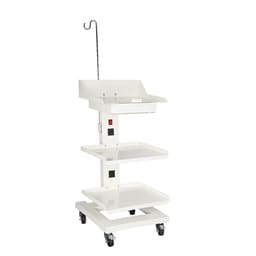
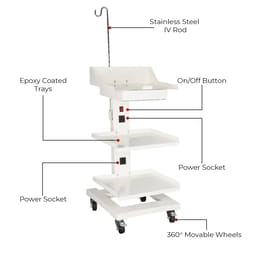
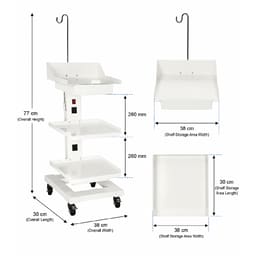
(1)Dental trolley with adjustable shelves and power sockets
₹ 9995₹ 15000
33.37% Off
100View Similar Products

★ 5.0
(3)Sturdy dental trolley with multiple shelves, camera mount, wheels, and built-in power sockets.
₹ 12600₹ 32784
61.57% Off
630View Similar Products
Filters
Sort By
RecommendedDental Trolley
A treatment goes faster when everything is at hand. A dental trolley is the wheeled stand that puts it there — instruments, materials, or a piece of equipment held on shelves or a platform beside the chair, then rolled clear when the appointment ends. Most are stainless steel or coated metal, easy to wipe down between patients, and run on castors that lock in place. They keep the working area tidy and the clinic mobile, complementing a fixed dental chair setup.
Types of trolley
The range covers a few builds:
- Utility / instrument trolleys — stainless steel carts with two or three shelves for instruments, trays, and materials.
- Pillar trolleys — single- or double-pillar mobile stands, a compact footprint for tight operatories.
- Scanner / equipment trolleys — built to carry an intraoral scanner with a CPU mount and monitor arm.
- Control trolleys — portable stands that hold a delivery or control unit, useful in a mobile portable dental unit setup.
What to check before buying
A few things that decide how well a trolley works:
- Material — stainless steel resists corrosion and wipes clean; check the finish for chairside hygiene.
- Shelves and load — number of shelves and the weight each holds, sized to what you carry.
- Castors — smooth-rolling wheels with locks so the trolley stays put during use.
- Footprint — a pillar trolley for a small room, a wide utility cart where space allows.
A trolley used for sterile trays should be easy to clean alongside your instrument sterilization routine.
Where it fits your clinic
The trolley organizes the working position:
- Set up — load the instruments and materials for the procedure onto the shelves.
- Treat — roll it to the chair so everything is within arm's reach.
- Reset — clear it, wipe it down, and restock for the next patient.
A scanner trolley does the same for digital kit, carrying the scanner and PC to the chair for an airotor and the rest of the setup.
Frequently Asked Questions (FAQs):
What is a dental trolley used for?
It holds instruments, materials, or equipment on a wheeled stand beside the dental chair. Loading a procedure's kit onto its shelves keeps everything within reach during treatment, then the trolley rolls away to be cleared and restocked. It keeps the working area organized and lets a clinic move equipment between operatories rather than duplicating it.
What are dental trolleys made of?
Most are stainless steel or powder-coated metal. Stainless steel is the usual choice because it resists corrosion, takes disinfectant well, and wipes clean between patients, which matters for chairside hygiene. Coated-metal and some ABS trolleys are lighter and lower-cost. Whichever you choose, a smooth, non-porous surface is what makes a trolley easy to keep clean.
What is the difference between a utility trolley and a scanner trolley?
A utility or instrument trolley is a general shelved cart for holding instruments, trays, and materials. A scanner trolley is purpose-built to carry an intraoral scanner and its computer, with a CPU mount and often a monitor arm, so the digital kit moves to the chair as one unit. Choose the utility type for general use and the scanner type for a specific device.
Do dental trolleys have wheels that lock?
Most do. Trolleys run on castors so they roll easily between the chair and the storage point, and the better ones have locking wheels so the trolley stays still while you work off it. Locking castors are worth having, since a trolley loaded with instruments should not drift during a procedure. Check the wheel type in the product description.
How do I choose the right dental trolley?
Match it to what you carry and where. Count the shelves and load you need, pick stainless steel for easy cleaning if it holds sterile trays, and size the footprint to your operatory — a pillar trolley for a tight room, a wide utility cart where there is space. For a scanner or a control unit, choose a trolley built for that equipment rather than a general shelf cart.