





Front Loading Autoclaves
4.8
A front-loading autoclave is a countertop steam sterilizer with a front door and horizontal chamber, the common design in dental clinics. It sterilises instruments with pressurised steam, and is classed B, S or N by cycle capability, with Class B — using vacuum phases for wrapped and hollow loads — being the standard for dentistry. Capacities typically run from 5 to 23 litres.
Sort by - Recommended
 Recommended
 Price- High to LowPrice- Low to High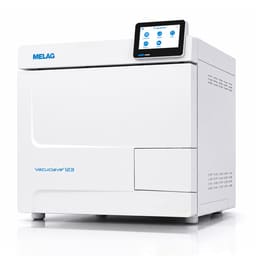

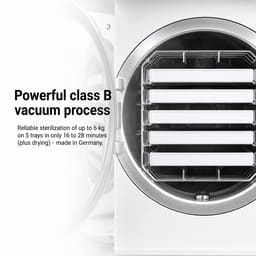

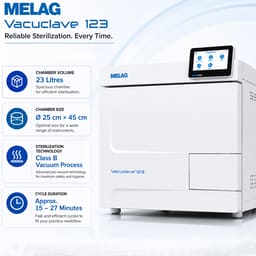
Advanced B-class vacuum autoclave with smart touchscreen control and 23-litre sterilization capacity
View Similar Products
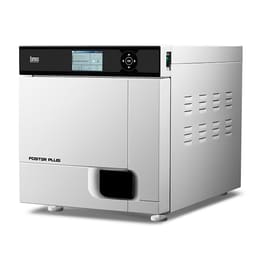


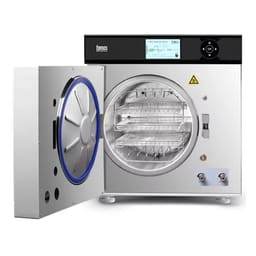
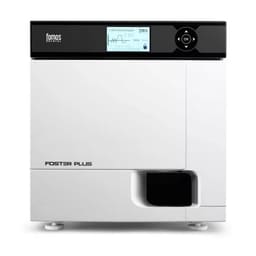
Class B autoclave ensures swift and safe sterilization with its quick cycles and advanced safety measures.
View Similar Products
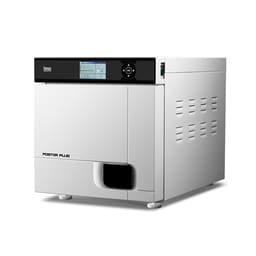
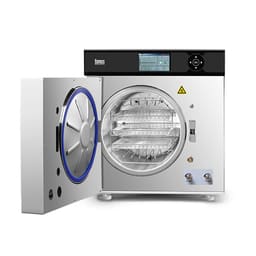
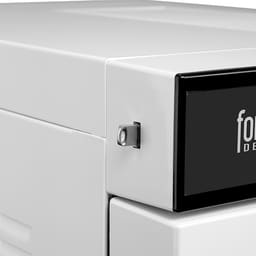
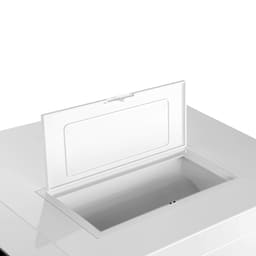
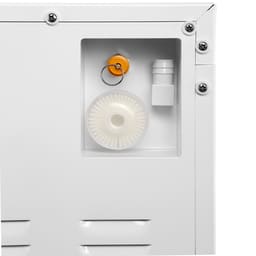
Class B autoclave ensures swift and safe sterilization with its quick cycles and advanced safety measures.
View Similar Products
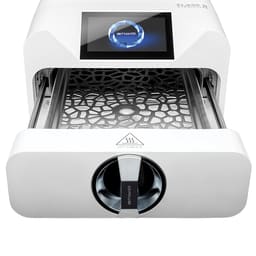
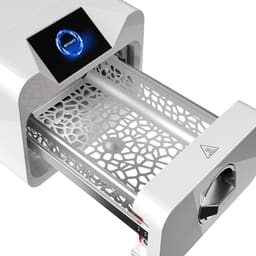
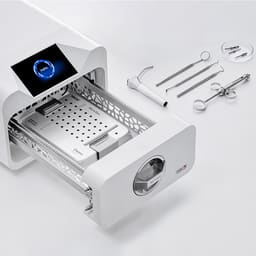
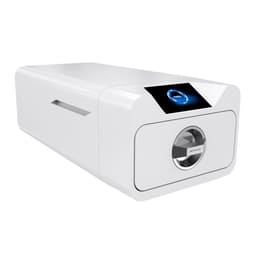
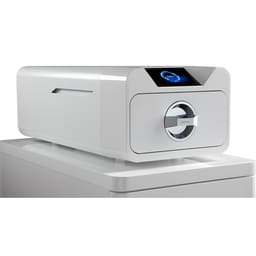
Class B Autoclave, with a 5.3-liter capacity, stands as one of the world's fastest steam sterilizers.
View Similar Products
★ 4.7
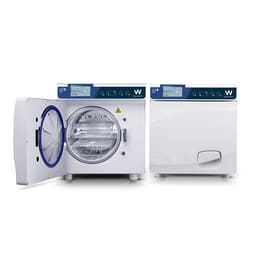
(3)Front loading 23L steam sterilizer featuring class B and Class S sterilization programs, and the autoclave comes with printer
₹ 131250₹ 220000
40.34% Off
 6.5k
6.5kView Similar Products
NOTIFY ME
★ 5.0
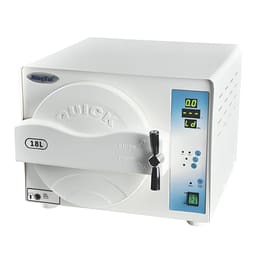
(1)18L Sun N-Class Autoclave: European standard, dual programs, safety features, stainless steel chamber.
₹ 54056₹ 81380
33.58% Off
500View Similar Products
Filters
Sort By
RecommendedFront Loading Autoclaves
Sterilisation is the step that stands between one patient and the next, and the autoclave is where it happens. A front-loading model is the format most clinics choose: a horizontal chamber behind a hinged door at the front, loaded like an oven, which sits neatly on a bench and takes trays and cassettes flat.
The design matters for daily use. Trays slide in level so instruments stay arranged, the door seals against chamber pressure, and the whole unit fits the footprint of a sterilisation bench. Beyond the form factor, two things decide which autoclave a clinic needs — its sterilisation class and its chamber size.
Sterilisation class: B, S and N
The class describes what an autoclave can safely sterilise, and it is the single most important specification. It is set by whether the cycle pulls air from the chamber with a vacuum before steam enters.
The dental standard
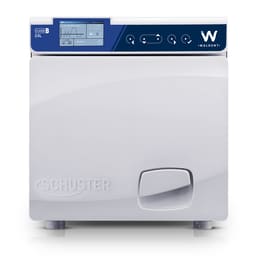
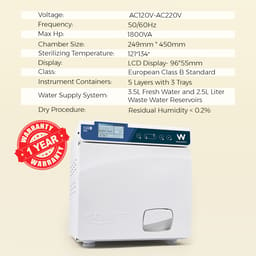
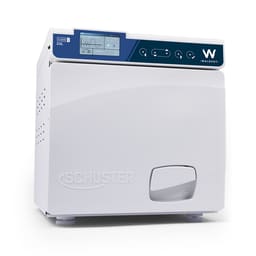
A B-class autoclave uses a fractionated vacuum to pull air out before and during the cycle, which lets steam penetrate wrapped instruments, hollow handpieces and porous loads fully. It is the standard for dentistry, where handpieces and pouched instruments must be sterilised reliably. A Waldent Schuster Class B autoclave is a 23-litre front-loading unit of this type.
The S and N types
The S type sits between, handling some wrapped and hollow loads to the manufacturer's defined range. The N type is the simplest — gravity displacement without a vacuum, suitable only for solid, unwrapped instruments. For a clinic sterilising handpieces and pouched instruments, the B type is the safe default; N-type units are limited to basic loads.
Chamber capacity
Capacity is measured by chamber volume, from compact 5-litre units to 23-litre clinic sizes.
A small chamber suits a single-chair practice with modest throughput; a 17 to 23-litre chamber handles the instrument volume of a busy multi-chair clinic, fitting more cassettes per cycle so fewer cycles are run across the day. Matching capacity to caseload avoids both wasted cycle time and a bottleneck at peak hours. These units make up the sterilisation stage of the wider sterilization workflow.
Features to look for
Beyond class and capacity, a few features affect daily running.
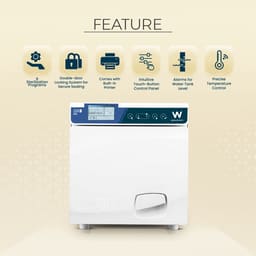
- Cycle documentation — an inbuilt printer or data logging records each cycle for compliance and audit.
- Touch control — a touchscreen simplifies cycle selection and is easier to keep clean.
- Drying phase — a good vacuum-dry leaves pouches dry, so they can be stored sterile immediately.
- Water system — some units run from a fill tank, others plumb in; check what suits the bench.
Autoclaves and the units that support them sit within the clinic's dental equipment, alongside the compressors and suction they run beside.
Buying a front-loading autoclave
Most units at this level are bought on request rather than added straight to a cart, which means specification, installation and after-sales support are worked out through the enquiry. Decide the class first — B for a clinic sterilising handpieces and wrapped instruments — then the capacity for your chair count, and finally the features that fit your workflow.
The pouches, indicators and cleaning products that complete the sterilisation cycle around the autoclave are in basic dental products.
Frequently Asked Questions (FAQs):
What is a front-loading autoclave?
A front-loading autoclave is a steam sterilizer with a horizontal chamber and a door at the front, loaded like an oven. It is the common countertop format in dental clinics because trays and cassettes slide in flat and the unit fits a sterilisation bench. It sterilises instruments with pressurised saturated steam through a set cycle.
What is a Class B autoclave, and why is it the dental standard?
A Class B autoclave uses a fractionated vacuum to remove air before and during the cycle, so steam fully penetrates wrapped instruments, hollow handpieces and porous loads. That capability makes it the standard for dentistry, where pouched instruments and handpieces must be sterilised reliably. Class N units, without a vacuum, handle only solid unwrapped instruments.
What is the difference between Class B, S and N autoclaves?
The classes describe cycle capability. Class N uses gravity displacement for solid unwrapped instruments only. Class S handles some wrapped and hollow loads within the manufacturer's stated range. Class B uses a fractionated vacuum for the full range — wrapped, hollow and porous loads. For a dental clinic, Class B is the safe default.
What size autoclave does a dental clinic need?
Match chamber capacity to caseload. A compact 5 to 12-litre unit suits a single-chair practice with modest throughput; a 17 to 23-litre chamber suits a busy multi-chair clinic, fitting more cassettes per cycle and running fewer cycles per day. Undersizing creates a bottleneck at peak times; oversizing wastes cycle time and energy.
Do front-loading autoclaves keep a record of each cycle?
Many do. Units with an inbuilt printer or data logging record the parameters of every cycle — temperature, pressure and time — which supports infection-control compliance and audit. This documentation is worth prioritising in a busy or accredited practice, where a printed or logged record of each sterilisation cycle is expected.