





Handpiece Sterilization
Handpiece sterilization refers to the way a dental handpiece is prepared for reuse — flushed, oiled, and then heat-treated. Because the tool spins on delicate bearings, that internal oiling matters as much as the autoclave itself. Care units automate the step, and this category groups the machines and consumables that do it.
Sort by - Recommended
 Recommended
 Price- High to LowPrice- Low to High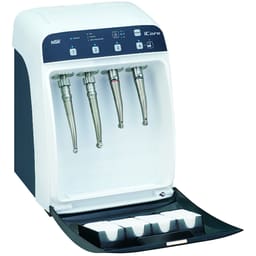
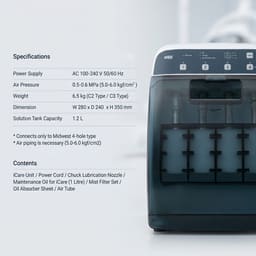
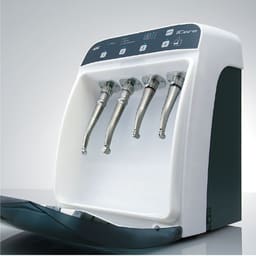
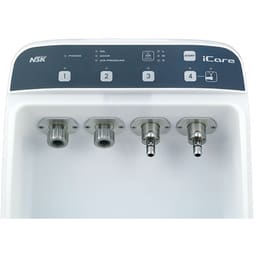


Advanced, compact unit automates handpiece lubrication, ensuring consistent cleaning and extended lifespan.
₹ 123750₹ 165000
25.00% Off
 1.3k
1.3kView Similar Products
Filters
Sort By
RecommendedHandpiece Sterilization
This category covers the care and maintenance units that clean and lubricate a dental handpiece before it is autoclaved. Because a handpiece runs on fine internal bearings, it needs its drive line flushed and re-oiled at each reprocessing — a step a care unit performs automatically. Shop the range to keep every airotor and low-speed handpiece running smoothly between patients.
What you can buy here
The range centres on automatic handpiece care:
- Automatic care units — seat the handpiece and run a measured clean-and-oil cycle, such as the NSK iCare system.
- Multi-handpiece capacity — units that service high- and low-speed handpieces from one machine.
- Consumables — the cleaning oil and adaptors these units use per cycle.
Everything here prepares a handpiece for the autoclave; it sits alongside the wider instrument sterilization range that handles non-handpiece tools.
Why an automatic care unit is worth it
For a clinic running several handpieces a day, a care unit earns its place:
- Consistent dosing — the same measured clean-and-oil cycle every time, unlike hand-spraying.
- Longer tool life — proper internal lubrication protects the bearings and delays costly turbine failure.
- Faster turnaround — a hands-off cycle keeps a busy list moving between patients.
Manual oil sprays still work for the occasional handpiece, but an automatic unit pays back where volume is high. One unit also services both high-speed airotors and low-speed contra-angle handpieces the same way.
How it fits your reprocessing
A care unit handles the middle of the handpiece routine — clean and lubricate — before heat treatment:
- Before — purge and clean the handpiece, then run the care cycle to oil the internals.
- After — pass the prepared handpiece through the autoclave to sterilise it.
- Order — follow the handpiece maker's stated sequence, as oiling may come before or after the autoclave.
Once cleaned and oiled, the handpiece is run through the clinic's sterilization equipment to complete the cycle.
Frequently Asked Questions (FAQs):
Why can't a handpiece be sterilised like other instruments?
A handpiece contains fine bearings and internal air and water lines that a soak or a wipe would either flood or fail to reach. Immersion corrodes the mechanism, and heat on its own bakes in trapped debris and old oil. It has to be purged, cleaned, and lubricated internally as part of the cycle, then autoclaved, so its moving parts survive the process.
Do I need to oil a handpiece before every sterilisation?
For most air-driven handpieces, lubrication is part of every reprocessing cycle, not an occasional task. It clears internal debris and re-coats the bearings that the autoclave's heat and moisture would otherwise leave dry. Follow the maker's schedule and order. Regular oiling keeps a turbine running smoothly and prevents the early bearing failure that comes from running it dry.
What does an automatic care unit actually do?
It automates the clean-and-lubricate step. The handpiece is seated on the unit. The unit then drives a measured dose of cleaning oil through the drive line, flushing debris and coating the internals the same way every time. This removes the guesswork of hand-spraying and gives consistent care across every handpiece before they are sterilised.
Is manual oiling good enough?
It can work, but results depend on technique. Hand-spraying with an adaptor delivers an uneven dose, and it is easy to under- or over-oil or miss the drive port. For a single handpiece used occasionally it may suffice. For several in daily use, an automatic unit gives more reliable coverage and protects the investment in the tools.
Does oiling replace sterilisation?
No. Oiling and cleaning prepare the handpiece; the autoclave does the sterilising. The two are separate steps in one routine — lubrication protects and clears the mechanism, and heat sterilisation kills the microbes. A handpiece must still go through a full autoclave cycle after it has been cleaned and oiled, never instead of it.