





Herbst Appliance
The Herbst appliance is a fixed functional orthodontic device that uses bilateral telescopic tubes to hold the mandible in a protrusive position 24 hours a day, correcting Class II Division 1 skeletal malocclusion during craniofacial growth. Choose between banded, crown/splint, acrylic-splint, and mini-implant-supported variants based on anchorage need, vertical pattern, and patient age.
 Recommended
 Price- High to LowPrice- Low to High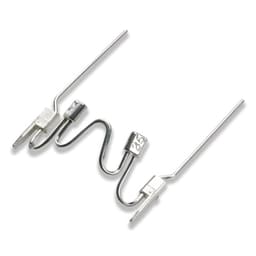

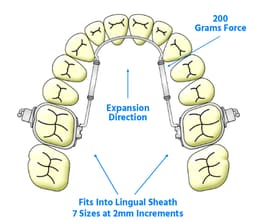
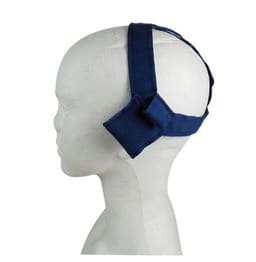
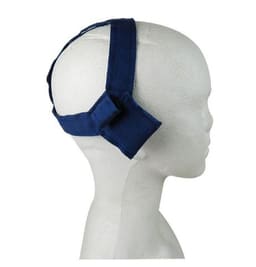
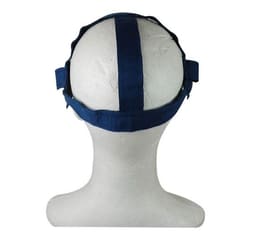
 30
30
 25
25
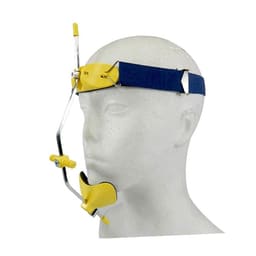
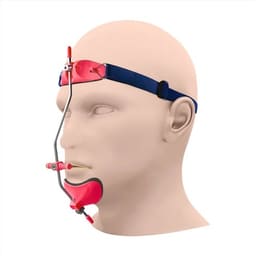
Only 5 Left
30Herbst Appliance for Fixed Mandibular Advancement & Class II Skeletal Correction
The Herbst appliance is a fixed orthodontic functional device that uses bilateral telescopic tube-and-rod mechanisms to hold the mandible in a forward (protrusive) position 24 hours a day, encouraging mandibular advancement during craniofacial growth and correcting Class II Division 1 skeletal malocclusion. Developed by Emil Herbst in 1909 and reintroduced by Hans Pancherz in the late 1970s, the Herbst appliance remains the most thoroughly studied fixed functional appliance worldwide and is the primary non-compliance option for Class II correction in adolescents and young adults whenever removable functional appliance wear cannot be guaranteed.
Types of Herbst Appliances
Banded Herbst Appliance
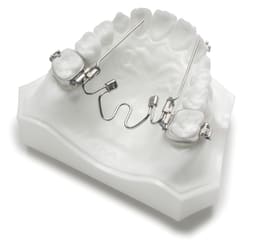
The banded Herbst design uses orthodontic bands cemented on upper first molars and lower first premolars with the telescopic tubes soldered to the buccal surfaces. This is the original Pancherz design and carries 50+ years of clinical evidence, making it the reference standard for Class II correction with the Herbst appliance.
- Components: molar bands, telescopic tubes, screws, lower premolar bands
- Key feature: traditional banded anchorage with the strongest evidence base
- When to use: routine adolescent Class II correction with intact dental arches
Crown / Splinted Herbst Appliance
The crown or splinted Herbst variant replaces single-tooth bands with cast metal crowns or acrylic splints covering multiple teeth as anchorage, distributing forces across more teeth and reducing the band-loss complication common to the original banded design.
- Components: lab-fabricated cast crowns or acrylic splints with embedded Herbst tubes
- Key feature: distributed anchorage reduces band-loss and improves appliance survival
- When to use: cases with weakened anchor teeth, history of band failure, longer treatment durations
Acrylic-Splint Herbst (Hanson-Modified)
The acrylic-splint Herbst (Hanson modification) uses removable-style acrylic occlusal coverage over the dental arches with the telescopic tubes embedded in the acrylic, blending fixed-functional retention with acrylic-supported anchorage and adding a bite-block effect for vertical control.
- Components: full-arch acrylic splints with embedded Herbst tubes and screws
- Key feature: broader anchorage distribution with intrusive bite-block effect
- When to use: vertical-pattern (hyperdivergent) Class II cases needing intrusion alongside advancement
Mini-Implant-Supported Herbst (Adult Cases)
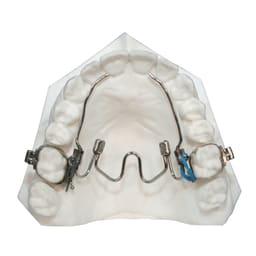
Mini-implant-supported Herbst designs anchor the telescopic mechanism to palatal mini-implants instead of growing skeletal anchorage, extending Herbst use into late-adolescent and adult Class II cases where conventional skeletal response has declined after the pubertal growth spurt.
- Components: palatal mini-implants (TADs) with bone-borne anchorage frame and Herbst tubes
- Key feature: bone-borne anchorage allows Herbst use in non-growing adult Class II patients
- When to use: post-pubertal adolescents and adults with Class II skeletal malocclusion
When the Herbst Appliance Is Used
The Herbst appliance is used during active mandibular growth to correct Class II Division 1 skeletal malocclusion when patient compliance with removable functional appliances cannot be guaranteed. It is the modern non-compliance fixed-functional alternative to twin-block, bionator, and Frankel-type removable correctors.
- Class II Division 1 skeletal malocclusion with mandibular retrognathism
- Growing adolescents (typically ages 11–15) within the active mandibular growth window
- Patients with documented or anticipated non-compliance with removable functional appliances
- Combined with rapid maxillary expansion when transverse deficiency coexists
- Pre-fixed-orthodontics skeletal preparation before bracket placement
- See also Class II Corrector for related fixed Class II correction mechanics
How to Choose the Right Herbst Design
- Anchorage condition — banded for routine cases with intact anchor teeth; crown/splint for weakened or restored anchor teeth
- Vertical pattern — banded or crown for normal vertical; acrylic-splint Hanson for hyperdivergent open-bite tendencies
- Patient age & growth status — conventional Herbst for active growth (11–15); mini-implant-supported for late-adolescent and adult cases
- Treatment duration — expect 6–10 months of active Herbst phase followed by retention with fixed appliances or removable retainers
- Band-loss history — if the practice has high band-failure rates, the crown/splint design reduces re-cementation visits
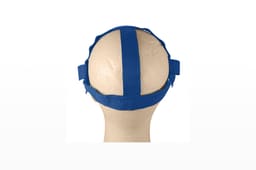
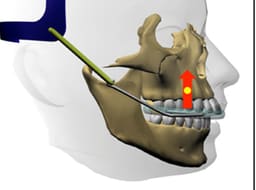
- Combined mechanics — coordinate with Headgear for additional vertical or sagittal control during the Herbst phase
Herbst Appliance Components & Workflow
The Herbst appliance is assembled from a defined set of orthodontic components including molar bands or cast crowns, lower premolar bands, bilateral telescopic tube-and-plunger mechanisms (right and left), pivot screws, advancement shims, and the activation key. The lab or chairside workflow involves taking working impressions, cementing bands, fitting telescopic tubes at the planned mandibular protrusion, and scheduled activation shims every 4–6 weeks to maintain or increase the protrusive position until the desired correction is achieved.
- Pre-treatment: full orthodontic records, lateral cephalogram, growth assessment
- Fabrication: working casts, telescopic tube fitting, band/crown cementation
- Active phase: 6–10 months with periodic shim activations
- Retention: fixed orthodontic finishing alongside the broader IntraOral & ExtraOral Appliances workflow
Why Buy Orthodontic Appliances from Dentalkart
Dentalkart is India’s trusted online dental supplier with a curated orthodontic catalog covering fixed and removable functional appliances, expansion devices, headgears, facemasks, and adjunct mechanics for full Class II and Class III skeletal correction workflows. Every SKU is sourced from authorised distributors and shipped from GST-verified inventory with full manufacturer warranty support. Trusted by 50,000+ dentists across 110000+ Indian pincodes, we offer transparent pricing, secure payment, fast pan-India delivery, dedicated specialist support for orthodontic case planning, and verified product authenticity — making us the preferred procurement partner for orthodontists, dental colleges, and craniofacial-focused practices nationwide.
Frequently Asked Questions (FAQs):
What is a Herbst appliance used for?
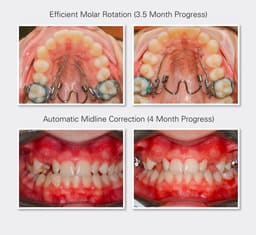
A Herbst appliance is a fixed orthodontic functional device used to correct Class II Division 1 skeletal malocclusion by holding the mandible in a forward (protrusive) position 24 hours a day during active craniofacial growth. It encourages mandibular advancement, reduces overjet, and corrects Class II molar relationship in adolescents and young adults without depending on patient compliance.
Herbst vs twin-block appliance — which is better?
Herbst vs twin-block appliance differs in compliance dependence. The Herbst is a fixed appliance worn 24/7 with no patient compliance required — ideal when wear-time compliance is doubtful. The twin-block is a removable appliance that depends on patient compliance for 14–16 hours daily wear. Both correct Class II in growing patients with comparable outcomes when worn as prescribed.
At what age can a Herbst appliance be used?
A Herbst appliance is most effective during the active mandibular growth window, typically ages 11–14 in females and 12–15 in males. Mini-implant-supported Herbst variants extend use into late adolescence and adults by replacing growing-skeletal anchorage with bone-borne palatal anchorage in post-pubertal Class II cases where conventional response has declined.
How long is Herbst appliance treatment?
Herbst appliance treatment typically takes 6–10 months in the active phase, with bite advancement activated through periodic shim insertions every 4–6 weeks. After active Herbst phase, the patient transitions to fixed orthodontic finishing or removable functional retention. Total Class II correction time including alignment and finishing is generally 18–24 months.
Banded Herbst vs crown Herbst — what is the difference?
Banded Herbst vs crown Herbst differs in anchorage. Banded Herbst uses orthodontic bands cemented on individual molars and premolars — the original design with strongest evidence. Crown Herbst uses cast metal crowns or acrylic splints covering multiple teeth, distributing anchorage forces and reducing band-loss complications, preferred when anchor teeth are weakened or restored.