





Implantology Calipers
5.0
Implantology calipers are precision measuring instruments used in implant surgery. They gauge the width and height of the bony ridge, the space between teeth or implants, and soft-tissue thickness. Common types include Castroviejo, bone and ridge-mapping calipers. The surgeon uses them to plan and place an implant at the correct dimensions.
Sort by - Recommended
 Recommended
 Price- High to LowPrice- Low to High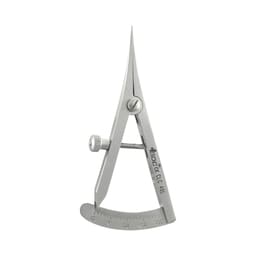

Only 3 Left
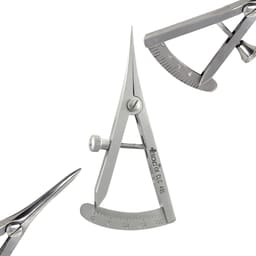
Castroviejo Caliper used to measure bone accurately.
₹ 2995₹ 5250
42.95% Off
 60
60View Similar Products
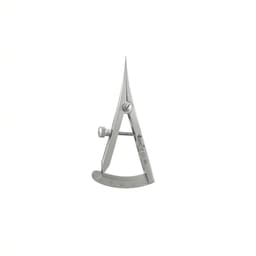
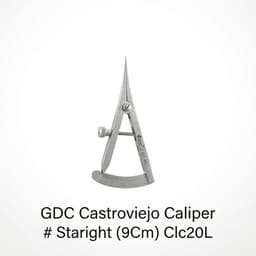
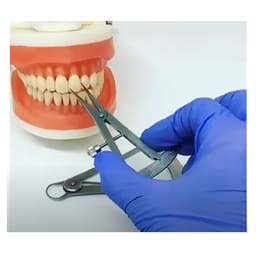
Castroviejo Caliper used to measure bone accurately.
₹ 1975₹ 3465
43.00% Off
40View Similar Products
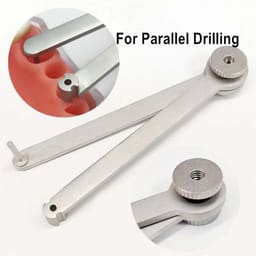
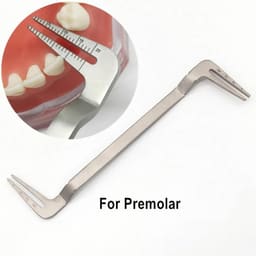
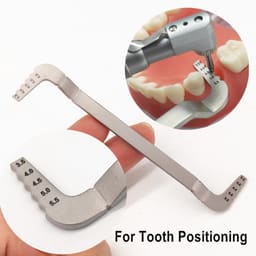
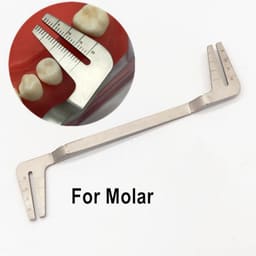
Only 4 Left
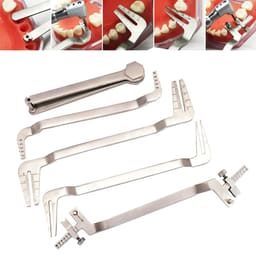
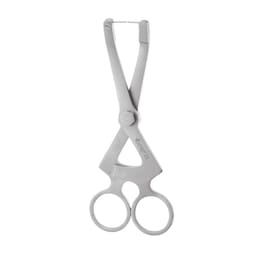
All-in-one guide kit enables precise implant placement with easy alignment, angulation, and hole positioning
₹ 7870₹ 13000
39.46% Off
79View Similar Products
NOTIFY ME
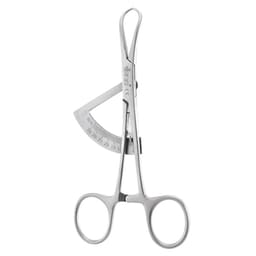
Ridge Mapping Caliper is used as a measuring instrument in preparation for an implant procedure.
₹ 2995₹ 5250
42.95% Off
60View Similar Products
NOTIFY ME
★ 5.0
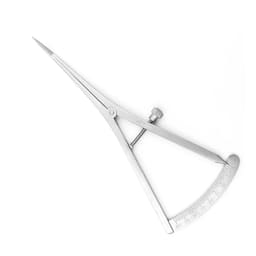
(2)The stainless steel used in measuring thickness, diameters, lengths of particular items during dental treatment.
₹ 2995₹ 5250
42.95% Off
60View Similar Products
NOTIFY ME
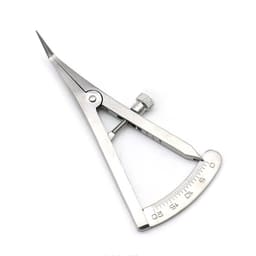
Castroviejo Caliper used to measure bone accurately.
₹ 2995₹ 5250
42.95% Off
60View Similar Products
NOTIFY ME
Castroviejo Caliper used to measure bone accurately.
₹ 1975₹ 3465
43.00% Off
40View Similar Products
NOTIFY ME
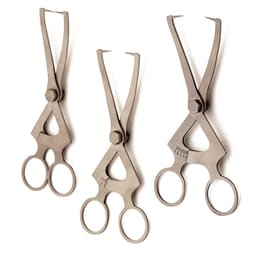
Ridge Mapping Caliper is used as measuring instruments in preparation for an implant procedure.
₹ 2499₹ 3000
16.70% Off
50View Similar Products
Filters
Sort By
RecommendedImplantology Calipers
Implant placement is a matter of millimetres. There must be enough bone width and height for the implant, and enough space between it and the next tooth or implant. A caliper is the simple tool that measures all of this. It has two arms that close onto a structure, and a scale that reads off the distance.
These are basic but essential surgical instruments. Before a drill touches bone, the surgeon checks the site with a caliper. After placement, the same tool confirms the spacing is right. It is small, reusable and precise, which is why every implant tray carries one.
What calipers measure in implant surgery
A caliper is used at several points in the plan and the procedure.
It measures ridge width to confirm the bone is wide enough for the chosen implant. It measures the gap between adjacent teeth or implants so crowns have room and spacing stays even. It also checks vertical height and soft-tissue thickness. These instruments are one part of the wider implantology range.
Types of implantology caliper
Calipers come in a few forms, each suited to a different measurement.
Castroviejo calipers
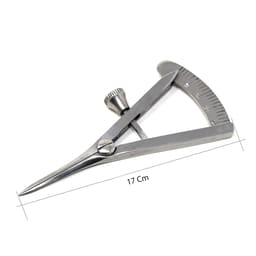
A Castroviejo caliper is a fine, spring-action instrument with a dial or scale. It is precise and easy to read one-handed, which suits delicate soft-tissue and spacing measurements. A GDC Castroviejo caliper (straight, 17cm) is a standard example. Castroviejo calipers come straight or curved and in different lengths.
Bone and ridge-mapping calipers
Bone calipers have sharp tips that read bone width directly, often with a built-in scale. Ridge-mapping calipers measure the thickness of bone under the gum by piercing the soft tissue at points across the ridge. Both help map the site before surgery. They belong with the wider set of surgical instruments used in the procedure.
How to use a caliper
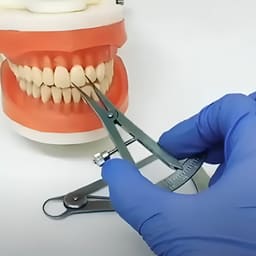
Using a caliper is quick. The two arms are opened, placed on either side of the structure, and closed until they touch. The scale or dial then shows the measurement.
For ridge width, the tips sit on the outer and inner bone. For spacing, they sit on the two teeth or implants. Readings are taken at more than one point for accuracy. The instrument is then cleaned and sterilised with the rest of the tray, ready for the next case.
How to pick the right caliper
Match the caliper to the measurement. A Castroviejo type is best for fine spacing and soft-tissue readings. A bone or ridge-mapping caliper is best for measuring bone directly. Straight tips suit open access; curved tips reach around structures.
Pick a caliper with a clear, easy-to-read scale, and one made of sterilisable stainless steel. Calipers are used alongside the wider set of tools in sinus lift instruments and other implant kits during surgery.
Frequently Asked Questions (FAQs):
What is an implantology caliper used for?
An implantology caliper measures distances during implant surgery. It checks the width and height of the bone ridge, the space between teeth or implants, and soft-tissue thickness. The surgeon uses it to confirm there is enough bone for the implant and enough room around it. It is a small, precise hand instrument found on every implant tray.
What is a Castroviejo caliper?
A Castroviejo caliper is a fine, spring-action measuring instrument with a dial or scale. It is easy to read one-handed and very precise. This makes it well suited to measuring spacing between teeth and the thickness of soft tissue. It comes in straight and curved forms and in different lengths, such as 9cm and 17cm.
What is the difference between a bone caliper and a ridge-mapping caliper?
Both measure bone, but in different ways. A bone caliper has sharp tips that read the width of exposed bone directly. A ridge-mapping caliper measures bone thickness through the gum, by piercing the soft tissue at points along the ridge before surgery. Ridge mapping helps plan the case without lifting a flap.
Why is a caliper important in implant planning?
Because implant success depends on exact dimensions. There must be enough bone to hold the implant, and enough space so the crown fits and the spacing stays even. A caliper gives the surgeon these measurements before and during surgery. Without it, the site can only be estimated, which raises the risk of a poorly placed implant.
What material should an implantology caliper be made of?
Surgical-grade stainless steel. It is strong, holds a precise edge on the measuring tips, and withstands repeated sterilisation in an autoclave. Look for a caliper with a clear, corrosion-resistant scale that stays readable over time. A well-made stainless caliper lasts for years of routine implant work.