





Bracket Tweezers
4.2
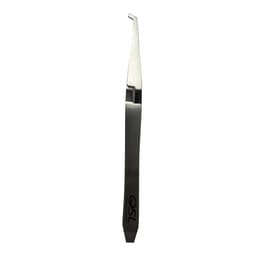
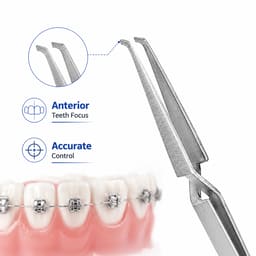
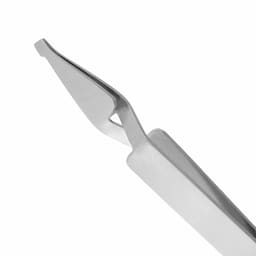
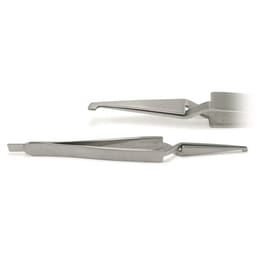
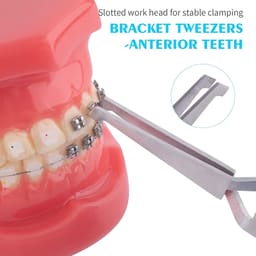
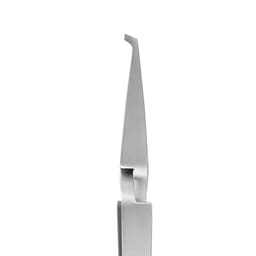
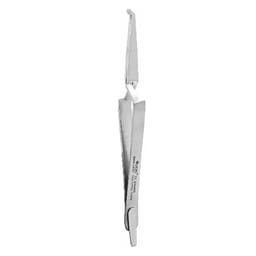
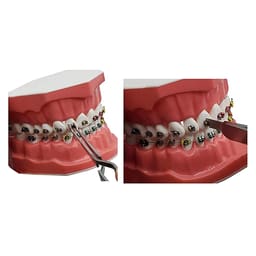
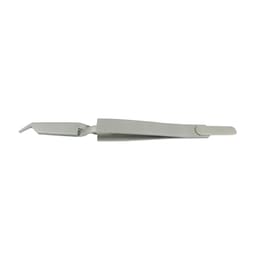
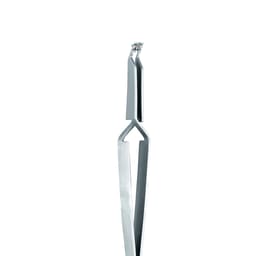
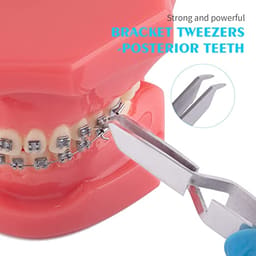
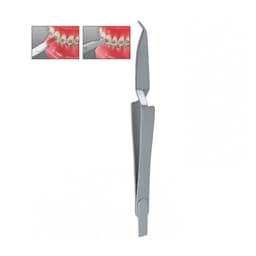
A bracket tweezer grips an orthodontic bracket by its slot or wings, carries it to the tooth, and holds it still while the operator angles it for bonding. The contoured beak stops the small, adhesive-coated bracket from rotating or dropping. GDC, OSL, Koden, and Waldent make them in holding, placing, curved, and lingual patterns, some with a self-locking reverse action.
Sort by - Recommended
 Recommended
 Price- High to LowPrice- Low to High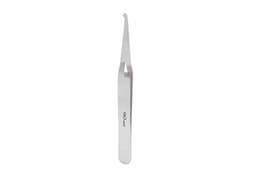
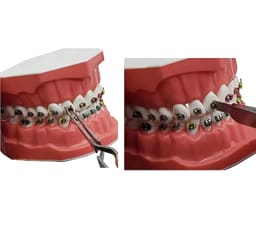
★ 3.0
(2)Oracraft 1008: Stainless steel tweezer for precise orthodontic bracket placement.
₹ 665₹ 1060
37.26% Off
 13
13View Similar Products
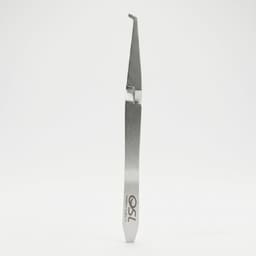
.jpg?w=256)
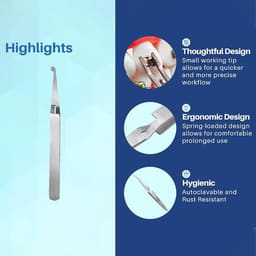
★ 4.0
(1)Precision orthodontic instrument for secure bracket handling and accurate positioning during bonding procedures
₹ 700₹ 1200
41.67% Off
14View Similar Products


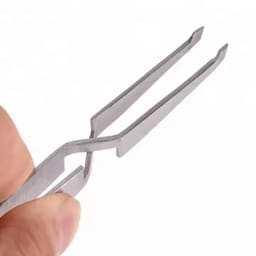
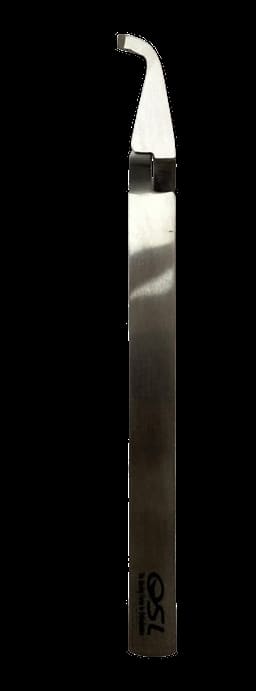
Places and aligns brackets precisely for efficient orthodontic tooth movement
₹ 700₹ 1200
41.67% Off
14View Similar Products
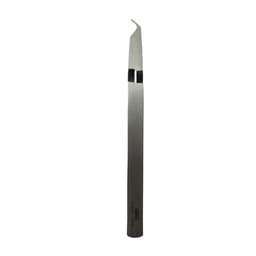
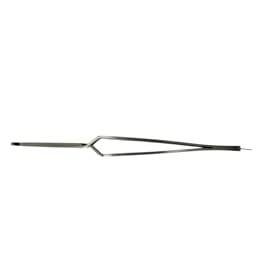
Precision tweezers for placing and aligning brackets during orthodontic procedures
₹ 700₹ 1200
41.67% Off
14View Similar Products
Only 4 Left
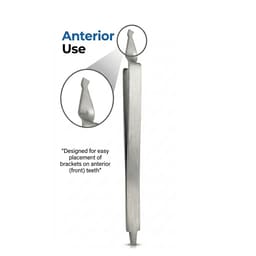
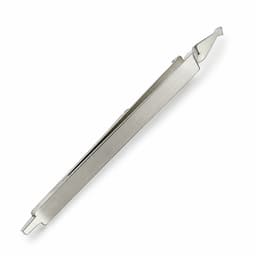
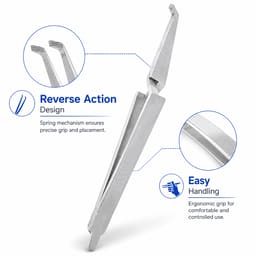
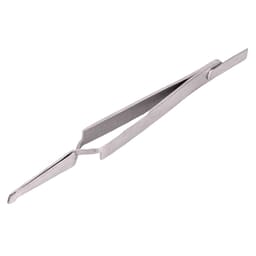
Securely holds and positions orthodontic brackets for accurate anterior bracket placement procedures
₹ 590₹ 800
26.25% Off
6View Similar Products

★ 4.0
(1)Orthodontic tweezer for holding and positioning the brackets.
₹ 660₹ 1155
42.86% Off
13View Similar Products

★ 4.0
(4)Ortho bracket holding tweezer designed to securely grip and position orthodontic brackets during precise bonding procedures.
₹ 660₹ 1155
42.86% Off
13View Similar Products
★ 5.0
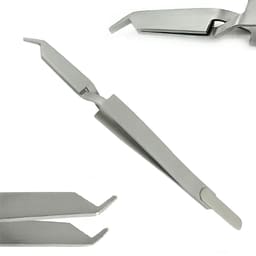
(2)High-quality steel tweezers for precise bracket placement during bonding.
₹ 660₹ 1155
42.86% Off
13View Similar Products
Filters
Sort By
RecommendedBracket Tweezers
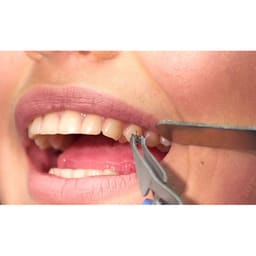
Placing a bracket by hand is awkward work — the piece is a few millimetres across, wet with adhesive, and has to meet the enamel at one precise spot and tilt. A bracket tweezer takes that difficulty away. Its beak clamps the bracket by the slot or the tie-wings, letting the clinician raise it off the tray, ferry it to the mouth, and press it to the tooth while it stays locked in place. Everything about the instrument serves one aim: a grip that will not let the bracket shift. The same visit usually calls for the height bracket positioning gauge that fixes how far the bracket sits from the incisal edge.
The grip patterns
Which tweezer suits the job comes down to how it holds and what it reaches:
- Holding tweezer — clamps and stays shut, often by a reverse (self-locking) action, so the bracket is carried and steadied hands-free.
- Placing tweezer — a lighter, keener tip built for nudging the bracket to its final spot and angle.
- Curved or angled beak — bends away from the line of sight to reach back teeth without the hand hiding the field.
- Lingual tweezer — profiled to set brackets on the inner surface for tongue-side treatment.
The reverse-action type is the quirk worth knowing: it grips when relaxed and releases when pressed, the opposite of an ordinary tweezer, which frees the fingers mid-placement.
Beak design and the scale option
Two things separate a good bracket tweezer from a generic pair:
- A profiled beak — cut to cradle a bracket base or drop into its slot, so the piece seats square rather than tilting.
- Needle-fine tips — slip between already-bonded brackets to lift or reseat one without knocking its neighbours.
- A scaled beak — a few models etch a millimetre scale onto the arm, giving a height reading as the bracket is held.
That etched scale offers a fast sanity-check on height, but the number it gives is approximate; a proper gauge remains the accurate call. Each bracket the tweezer sets opens a slot for the arch wire, and that wire threads on into the molar buccal tubes behind it.
The carry-hold-cure sequence
In direct bonding the tweezer owns the middle steps — moving the bracket and keeping it put:
- Lift — take the adhesive-primed bracket off the tray by its wings, leaving the sticky base untouched.
- Set — bring it to the tooth, drop it to the chosen height, and true up the angle with the tip.
- Steady — hold firm while the flash is wiped away and the light cures or tacks the adhesive.
If the bracket wanders even slightly before the resin sets, the finish suffers, which is why a locked, unwavering hold through curing matters. The instrument belongs with the rest of a clinic's orthodontic instruments laid out for a bonding appointment.
Buy bracket tweezers at Dentalkart
The bracket tweezers here span the working styles — GDC and Oracraft holders, OSL's scaled and lingual versions, Koden and Waldent placers and anterior holders — so a clinician can match the grip to their bonding habit, whether that is one self-locking holder for the whole job or a holder plus a fine placer. Every listing is an authentic branded instrument; length, pattern, and stock are shown on each product page.
Frequently Asked Questions (FAQs):
How does a bracket tweezer make bonding easier?
It grips the bracket by its slot or wings, so a clinician can carry the tiny, adhesive-coated piece to the tooth and hold it at the right spot and angle without it twisting or dropping. That steady hold through positioning and curing is what lets a bracket bond exactly where it was aimed, which hand-holding alone rarely achieves.
When does a reverse-action tweezer help?
A reverse-action tweezer clamps shut on its own and only opens when squeezed, so the bracket stays gripped with no ongoing finger effort. That frees the hand during the fiddly moments — clearing adhesive flash, adjusting the light, repositioning slightly — without the bracket slipping. Clinicians who bond a full arch in one sitting tend to value that hands-free hold.
Holding versus placing — how do the two compare?
A holding tweezer favours a firm, often self-locking clamp for carrying and steadying the bracket. A placing tweezer trades some of that grip for a finer tip that excels at the last small nudge into position. Some clinicians run both — a holder to bring the bracket in, a placer to seat it — while others manage the whole step with a single reverse-action holder.
Which pattern suits posterior or lingual brackets?
For back teeth, a curved or angled beak reaches the bracket while keeping the hand clear of the sight line. For tongue-side (lingual) treatment, a purpose-shaped lingual tweezer reaches the inner surface that a standard beak cannot. Anterior holders, being straight, work fine on front teeth where access and vision are already easy.
Is the etched scale on some tweezers reliable for height?
The scale gives a quick, in-hand estimate of bracket height while the tweezer holds the piece, which is handy for a rough check. It is not a substitute for a dedicated positioning gauge, though — the gauge reads height against the tooth edge far more precisely. Treat the scaled tweezer as a convenience, and confirm critical heights with the gauge.