





Heavy Wire Cutter
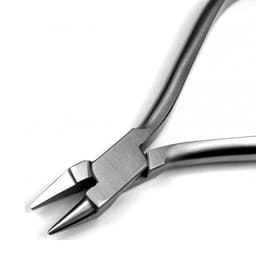
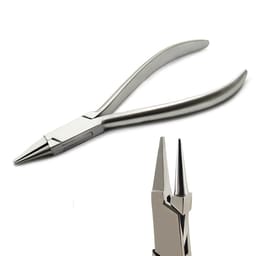
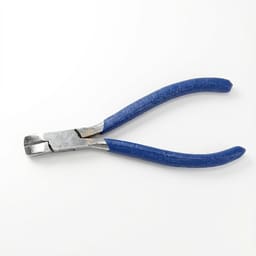
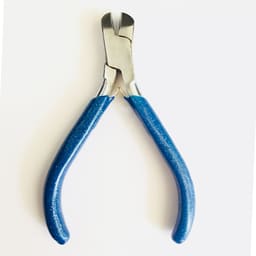
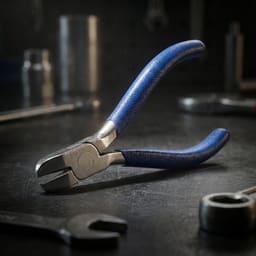
A heavy wire cutter is a bench instrument for cutting thick laboratory and appliance wire — stainless lab wire, clasp wire, and spring wire — to length during removable-appliance and retainer fabrication. Built stronger than a chairside cutter, it copes with the heavier gauges a lab uses. The stocked set from OSL, GI Dental, and Getech pairs cutters with a heavy-duty bird-beak plier.
 Recommended
 Price- High to LowPrice- Low to High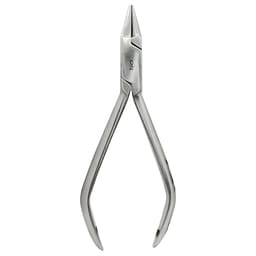
Only 3 Left
 80
80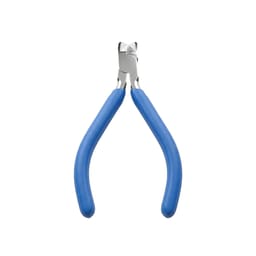
 5
5Heavy Wire Cutter
Making a removable appliance or a retainer means working with wire that is thicker and springier than the arch wire on a fixed brace — clasp wire, bows, and framework runs bent from heavy-gauge stainless. Sizing that wire on the bench calls for a cutter strong enough to handle it — a heavy wire cutter, with robust jaws and a firm pivot that shear thick lab wire square without the blade rolling. This is workshop and chairside-lab equipment rather than an intraoral instrument, and it belongs with the fabrication orthodontic instruments a lab keeps to hand.
The lab-wire jobs it does
Heavy wire cutting runs through appliance and retainer fabrication:
- Trim clasp and retention wire — cut Adams-clasp, ball-clasp, and retention wire to length after bending.
- Shorten bows and framework — size the labial bow or a framework run before it is fitted to the acrylic.
- Cut spring wire — trim active-spring wire for a removable appliance to the length the design needs.
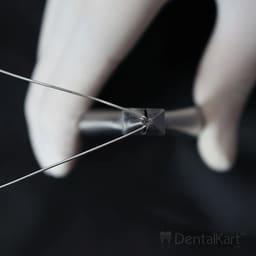
Because lab wire is heavier than an arch wire, a cutter meant for fine work would struggle or dull on it, which is why a dedicated heavy cutter sits on the bench. The stock being sized here is the spooled laboratory wires a lab bends into appliances.
Cutting and shaping together
The small range pairs a cutter with a heavy shaping plier, because lab wire is both cut and bent:
- Heavy wire cutter — the strong-jawed cutter that severs thick wire cleanly to length.
- Heavy-duty bird-beak plier — one round and one square beak for forming loops, coils, and bends in the same heavy wire.
- General wire cutters — the GI Dental and Getech cutters for routine bench trimming of appliance wire.
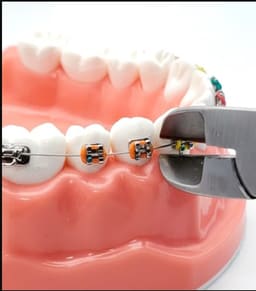
Cutting sizes the wire; the bird-beak shapes it — a bench usually needs both to build an appliance from a length of wire. When the job is instead a fixed appliance's heavy arch wire trimmed at the chair, that falls to a hard wire cutter.
Choosing one for the bench
For a cutter that meets heavy wire all day, a few things matter:
- Jaw strength — thick jaws and a solid joint that will not spring open under a heavy cut.
- Blade hardness — a hard, ideally tungsten-carbide, edge that shears stiff lab wire without denting.
- Comfort for volume — a bench tool is used repeatedly, so handle span and return matter for a long fabrication session.
Matching the cutter to the heaviest wire the lab handles is the practical guide, since a tool sized for light wire wears fast on framework gauge.
Buy heavy wire cutters at Dentalkart
A lab fitting out its bench for appliance work can take both the cutting and the bending from this short list — the OSL heavy-duty bird-beak plier for forming, and the GI Dental and Getech cutters for sizing thick wire. All three are authentic branded tools, and their details and availability appear on the individual pages.
Frequently Asked Questions (FAQs):
What wire is a heavy wire cutter meant for?
It is built for the thick, springy wire used in laboratory and appliance work — clasp wire, labial bows, spring wire, and framework runs bent from heavy-gauge stainless. That wire is stiffer than a fixed brace's arch wire, so it needs a strong-jawed bench cutter. A fine cutter meant for thin wire would strain or dull against it.
Heavy wire cutter or hard wire cutter — which is which?
A hard wire cutter is normally reserved for the heaviest arch wire trimmed at the chair on a fixed appliance. The heavy wire cutter here is bench equipment for the thick lab and appliance wire used in removable-appliance and retainer fabrication. The two overlap in strength, but this range is oriented to the workshop and includes a shaping bird-beak alongside the cutters.
What is a bird-beak plier doing in a cutter category?
Because lab wire is shaped as well as cut. Building a clasp or a bow means bending the wire into loops and curves, which is the bird-beak's job, and then trimming it to length, which is the cutter's. Stocking the heavy-duty bird-beak beside the cutters lets a bench do both the forming and the sizing of thick appliance wire.
Are these bench tools or chairside instruments?
These are primarily bench tools for appliance and retainer fabrication rather than intraoral use. For cutting a fixed appliance's heavy arch wire in the mouth, a hard wire cutter or a distal-end cutter designed for that is the right choice. Keeping the heavy bench cutters for lab wire protects their edges for the gauge they are meant to handle.
Does it need tungsten-carbide blades?
For heavy lab wire, a hard cutting edge pays off. Tungsten-carbide holds up far better than plain steel against thick stainless, staying sharp through repeated bench cuts. Check the individual cutter's specification; for a lab that fabricates appliances regularly, a harder edge is the more economical choice over its working life.